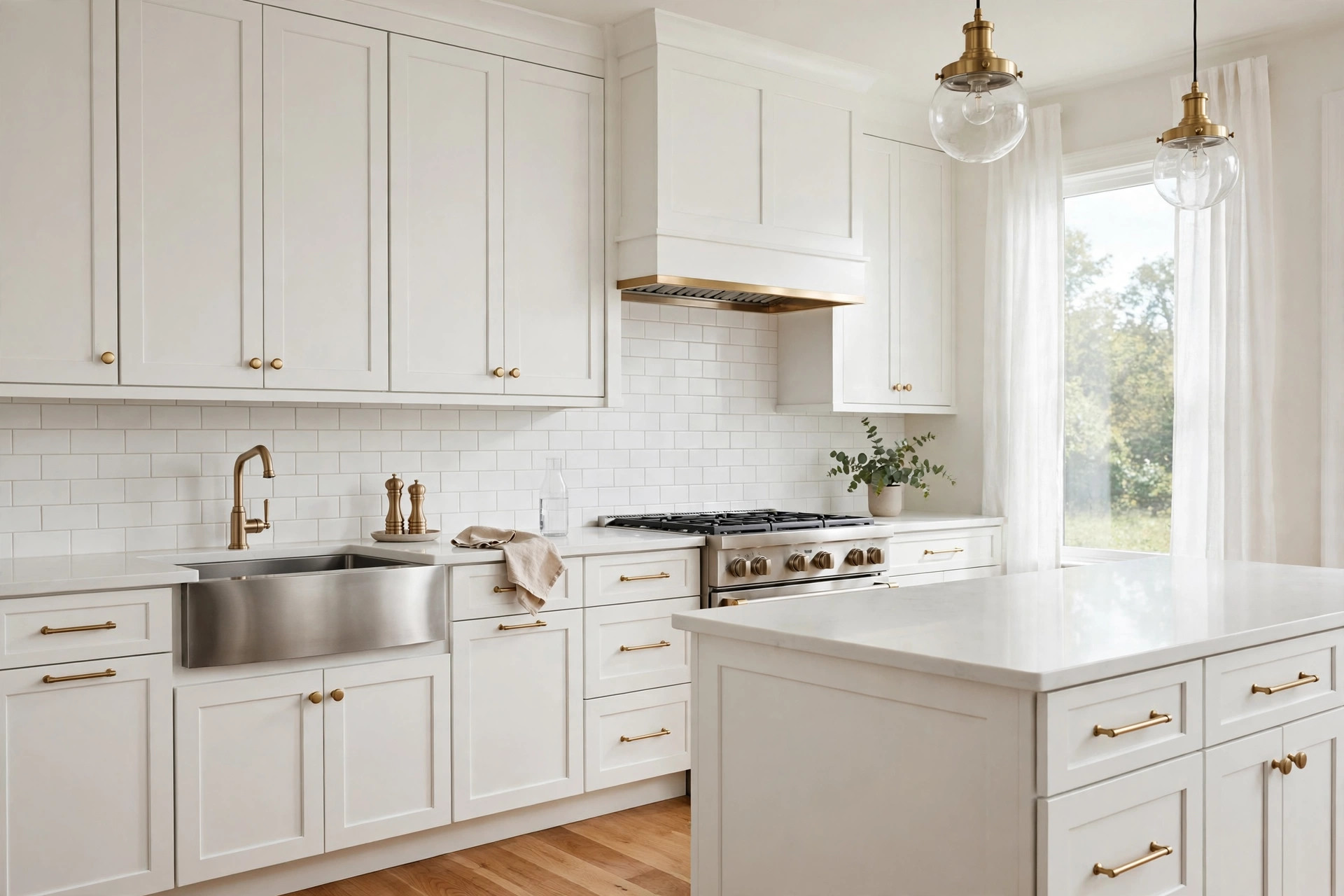

The new cabinet hardware installation cost USA homeowners pay is smaller than most expect. New knobs and pulls can change the look of a whole kitchen. The work takes a few hours. The parts are cheap. Still, the total bill varies. This guide explains the costs. It covers parts, labor, and the choices that raise or lower the price. It also shows how to plan the job.
Why New Cabinet Hardware Matters
Old knobs make a kitchen look tired. New hardware gives a fresh look without a full remodel. A full kitchen remodel costs thousands of dollars. New pulls and knobs cost far less. The change is quick. Most kitchens can be done in one day.
Hardware also changes how cabinets feel. Soft-close hinges reduce noise. Longer pulls are easier to grip. A good latch keeps doors shut. These small parts work hard every day. They get touched many times a day. Good hardware lasts for years.
Buyers notice kitchens first. Real estate agents say kitchens sell homes. New hardware is a cheap way to add appeal. It is one of the best small upgrades a homeowner can make. For more ideas on cabinet upgrades, see our guide on kitchen cabinet refinishing service cost usa.
What to Look for When Choosing Cabinet Hardware: New Cabinet Hardware Installation Cost Usa
Start with the style of your kitchen. Classic kitchens suit round knobs in bronze or nickel. Modern kitchens suit long bar pulls in chrome or black. Farmhouse kitchens suit cup pulls in oil-rubbed bronze. The hardware should match the faucet and light fixtures. Mix no more than two finishes in one room.
Size matters. Small knobs suit small doors. Wide drawers need longer pulls. A drawer wider than 24 inches often needs a pull of 6 inches or more. Two pulls work well on very wide drawers. Hold the part in your hand before you buy. It should feel solid, not hollow.
Weight tells you about quality. Solid brass or steel feels heavy. Hollow zinc feels light and thin. The weight is worth the extra cost. Heavy hardware does not loosen as fast. It also feels better in daily use.
Check the screw length too. Standard screws fit doors 3/4 inch thick. Thick doors need longer screws. Thin doors need shorter ones. Bring one old screw to the store. Match the length and thread. Wrong screws will not hold.
Backplates and Rose Plates
Backplates sit behind the knob. They add a classic look. They also hide old marks around the hole. Rose plates are small round discs. They suit antique styles. Both cost little. They add a finished look to plain doors.
Finish Choices
The finish sets the tone. Polished chrome is bright and modern. Brushed nickel is soft and hides prints. Matte black suits modern and farm styles. Brass adds warmth to white cabinets. Bronze fits older homes. Stainless steel suits a clean look.
Some finishes last longer than others. Solid brass resists wear. Cheap plating can peel in a year. Read reviews before you buy. Consumer Reports tests home products for wear and value. Their buying guides help shoppers compare brands.
How Many Pieces You Need
Count every door and drawer. Count each knob and pull as one piece. Also count hinges if you plan to change them. A normal kitchen has 20 to 40 doors and drawers. Write the count down. Buy five percent extra. Extra pieces help if one breaks or gets lost.
Types of Cabinet Hardware
Knobs are the simplest choice. They cost the least. They attach with one screw. They suit small doors. Round knobs are the most common type.
Pulls are longer. They suit drawers and large doors. Bar pulls are straight and modern. Cup pulls look like small shells. They suit farmhouse kitchens. Drop handles have a bail that swings. They suit antique looks.
Hinges hold the door to the box. Many kitchens use hidden European hinges. Some are soft-close. They stop doors from slamming. Latches keep doors shut. Magnetic catches are cheap and simple.
Screws and templates are small but key. A template helps you drill holes in the same spot. Templates cost a few dollars. They save time and prevent mistakes.
Cost and Price: What Americans Pay
The new cabinet hardware installation cost USA wide falls into three parts. Parts, tools, and labor. Here is what each part costs.
Parts Cost
Knobs cost $2 to $12 each at retail stores. Basic packs are cheaper. Designer knobs cost $15 or more each. Pulls cost $4 to $20 each. Long pulls cost more than short ones. Soft-close hinges cost $3 to $8 per pair. Magnetic catches cost under $2 each.
For a kitchen with 30 pieces, parts cost $90 to $400. Most homeowners spend $120 to $250 on parts. Big box stores like The Home Depot and Lowe’s carry wide ranges. You can also shop online for more choice.
Labor Cost
Many homeowners do the job themselves. The labor cost is then zero. If you hire a handyman, labor runs $75 to $150 per hour. Most kitchens take 2 to 4 hours. The total labor bill is $150 to $400.
Some carpenters charge per piece. The rate is $5 to $15 per knob or pull. For 30 pieces, that is $150 to $450. A full service that drills new holes costs more. Get a written quote before work starts.
Total Project Cost
Add parts and labor together. A do-it-yourself job with basic parts costs $90 to $300. A hired job with mid-range parts costs $300 to $800. A high-end job with designer parts costs $800 to $1,500 or more.
Compare this to a full cabinet job. Refinishing cabinets costs thousands. New cabinets cost much more. Hardware is the cheapest refresh. Pair it with fresh paint for a bigger change. Our review of best paint for kitchen cabinets usa reviews can help you pick the right finish.
What Raises the Price
Moving hole positions raises the cost. Old holes must be filled and sanded. The door must be repainted or refinished. This adds time and money. Changing hinge types also adds cost. New hinges may need new mortises.
Old paint layers slow the work. Lead paint in homes built before 1978 needs special care. Test for lead before you sand. A pro knows the rules. Ask about it in the quote.
Rush jobs cost more. Weekend work costs more. Buy all parts before the installer arrives. Missing parts cause delays. Delays raise the bill.
Travel fees add up in rural areas. Some pros charge a trip fee of $50 to $100. Ask about it when you call. Get two or three quotes. Compare them line by line. The cheapest quote is not always the best. Look for a written plan with parts, hours, and a total.
Do It Yourself or Hire a Pro
Doing it yourself saves labor cost. The work is simple. You need a drill, a template, a screwdriver, and a pencil. Most homeowners can finish in a day. The steps are the same for each door. Remove old hardware. Mark new holes. Drill. Attach new pieces.
Hire a pro if holes must move. Filling and drilling takes skill. A bad hole ruins a door. Hire a pro if you have many cabinets. Pros work faster. Hire a pro if the cabinets are antique or custom. Mistakes cost more there.
This Old House offers step guides for cabinet projects. Their writers cover tools and methods in plain terms. The Spruce also posts home repair guides for beginners. Both are good places to learn the basics.
Care and Upkeep
Wipe hardware with a damp cloth. Dry it after. Do not use harsh cleaners. Harsh cleaners strip the finish. Mild soap works well. Clean once a month in busy kitchens.
Check screws twice a year. Screws loosen with use. Tighten them with a screwdriver. Do not overtighten. Overtightening strips the wood. A drop of wood glue in a loose hole helps.
Watch for wear on cheap finishes. Plating can flake near the edges. Replace worn pieces early. One worn knob looks worse than none. Keep spare pieces from your first buy. Matches are hard to find later.
Oil-rubbed bronze needs light oil once a year. Brass needs no oil. Chrome needs only wiping. Follow the maker notes. Behr and Sherwin-Williams publish care guides for painted cabinets that pair well with new hardware.
Wax paste adds shine to old brass. Use it once a year. Buff with a soft cloth. Do not use wax on matte black finishes. It leaves marks. For stainless pulls, wipe along the grain. This avoids scratches. Simple habits keep hardware looking new for a decade.
Safety
Wear safety glasses when drilling. Wood chips fly. Wear a dust mask when sanding filler. Work in a room with fresh air. Unplug tools when changing bits.
Check for lead paint in old homes. Homes built before 1978 may have it. Buy a lead test kit. If the test is positive, call a certified pro. Do not sand lead paint yourself.
Keep small screws away from children and pets. Small parts are choking hazards. Store tools out of reach. Clean up the work area each day.
Use a stable step stool for high cabinets. Do not stand on chairs. A fall costs more than a ladder. HGTV and Benjamin Moore both remind DIY readers to plan safe work steps.
FAQ
How much does it cost to install cabinet hardware per piece?
Most installers charge $5 to $15 per piece. This covers labor only. Parts cost extra. For 30 pieces, labor runs $150 to $450. Do it yourself and the labor cost drops to zero.
Can I install cabinet hardware myself?
Yes. The job needs basic tools. A drill, a template, and a screwdriver are enough. Most kitchens take one day. Follow a template so holes line up. If old holes must be filled, consider a pro.
Do I need to drill new holes?
Not always. Measure the old holes first. New hardware comes in set sizes. If the new size matches, use the old holes. If it does not match, you must drill new ones and fill the old ones. This adds time and cost.
How long does the job take?
A kitchen with 30 pieces takes 2 to 4 hours for a pro. A beginner needs a full day. Filling old holes adds a day for drying. Plan for two days if holes must move.
What is the cheapest way to update cabinet hardware?
Buy basic knobs in multi-packs. Keep the old holes. Do the work yourself. A full kitchen can cost under $100 this way. Spray paint old hardware as a free option. It works best as a short-term fix.
Should I change hinges too?
Change hinges if they squeak, rust, or do not match. Soft-close hinges add quiet. They cost $3 to $8 per pair. Add them to the same job to save labor. If old hinges work well, keep them and save money.
For kitchen counters too, many homeowners pair new hardware with a fresh surface. Our epoxy countertop kit reviews for kitchens cover budget options.
A Short Final Word
The new cabinet hardware installation cost USA homeowners face is low for the gain. Parts are cheap. The work is fast. The look is new. Plan the style. Count the pieces. Buy spares. Decide if you will hire or do it yourself. Then enjoy a kitchen that feels new for a small sum.
References
Behr. (n.d.). Paints, primers, and stains. https://www.behr.com Benjamin Moore. (n.d.). Paints and stains. https://www.benjaminmoore.com Consumer Reports. (n.d.). Product reviews and ratings. https://www.consumerreports.org HGTV. (n.d.). Home and garden ideas. https://www.hgtv.com Lowe’s. (n.d.). Home improvement products. https://www.lowes.com Sherwin-Williams. (n.d.). Paints and coatings. https://www.sherwin-williams.com The Home Depot. (n.d.). Home improvement products. https://www.homedepot.com The Spruce. (n.d.). Home and garden advice. https://www.thespruce.com This Old House. (n.d.). Home renovation guidance. https://www.thisoldhouse.com
Was this guide helpful?

About Michael Thompson
The My Garden US editorial team writes practical, in-depth home and garden guides for American homeowners — tested advice, no fluff.
You May Also Like

Best Paint for Garage Walls USA: A Plain Guide to Durable Choices
September 26, 2026 0 views
Best Sump Pump Pit Cover Paint USA: A Practical Guide for Basement Owners
April 4, 2026 0 views
The Best Paint for Cinder Block Exterior Walls in the USA
January 2, 2026 0 views