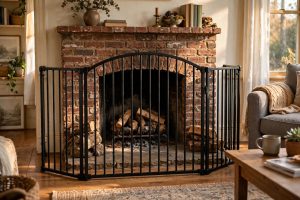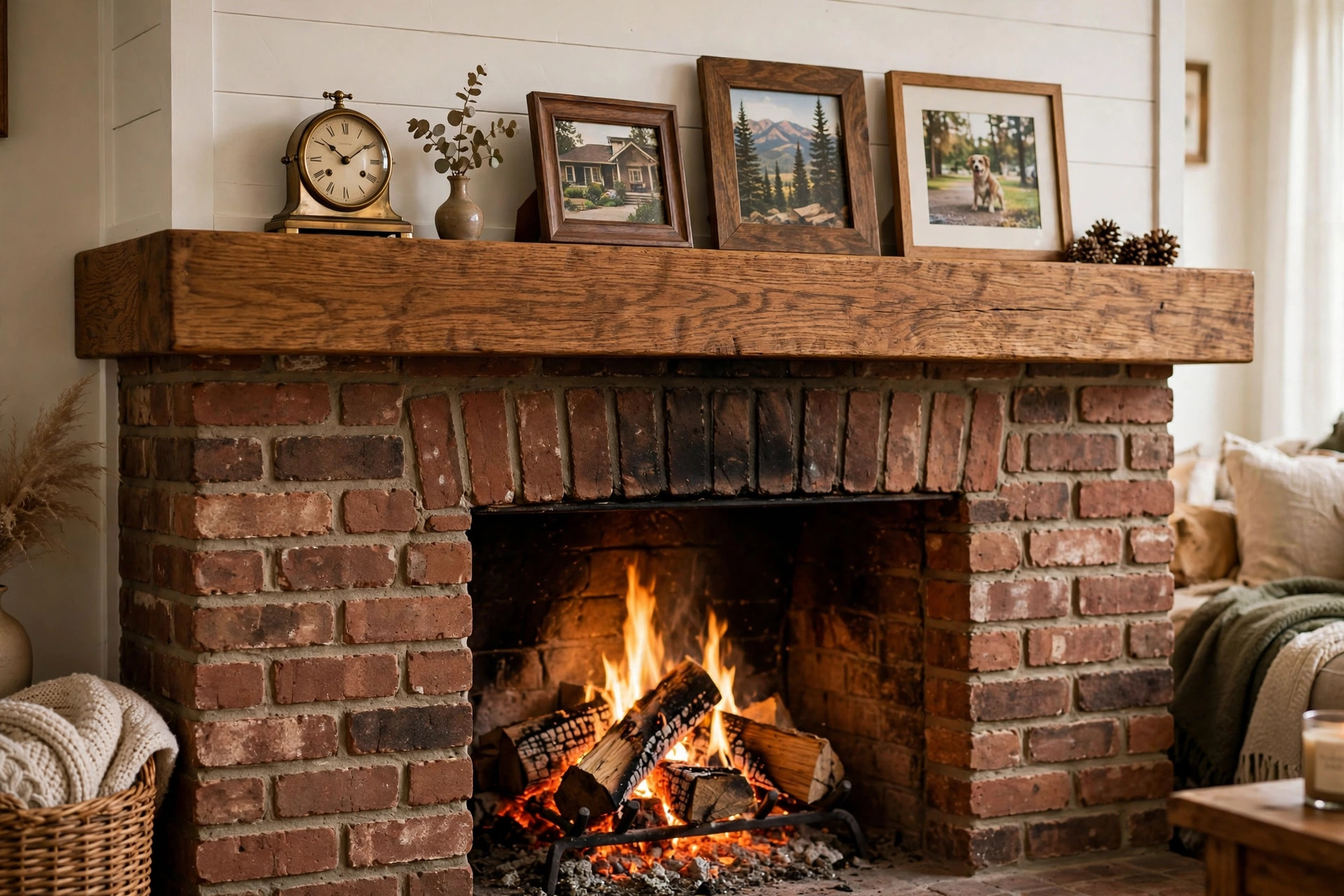

When you shop for epa certified fireplace mantel shelves for sale, you are buying more than a shelf. You are buying a frame for the warmest corner of your home. A mantel shelf holds your family photos. It holds candles and holiday stockings. It sets the tone for the whole room. At the same time, it must stand up to heat. It must follow safety rules. This guide will help you choose the right shelf at the right price.
Why the Right Mantel Shelf Matters
A mantel shelf is the focal point of a fireplace wall. The eye goes to it first. A shelf that fits well makes the room look finished. A shelf that is too small or too plain can make even a fine fireplace look weak. A good shelf also serves a daily purpose. It gives you a place for clocks, plants, and small art. It keeps these things a safe distance from the fire.
The words “EPA certified” in this search term deserve a plain explanation. The Environmental Protection Agency certifies wood stoves and fireplace inserts, not wooden shelves. The EPA label means a stove burns clean and meets strict smoke rules. When sellers put “EPA certified” next to mantel shelves, they usually mean the shelf is sold for use with EPA certified fireplaces and stoves. You can read more about clean-burning appliances on the EPA burn wise page. The key point is simple. Buy the shelf and the stove as a matched set. Make sure each part fits the heat of the other.
Many shoppers start with a fireplace mantel shelves reviews and buying guide to compare styles. That is a good habit. Reviews tell you how a shelf looks after a year of heat. They tell you if the brackets hold strong. They tell you if the finish cracks near the firebox.
What to Look for When You Shop: Epa Certified Fireplace Mantel Shelves for Sale
A mantel shelf is simple. But small details decide how long it lasts. Look at size, material, and clearance before you look at price.
Size and Fit
Measure the width of your fireplace surround first. A common rule is simple. The shelf should run at least as wide as the firebox opening. Many owners choose a shelf that extends six to twelve inches past the surround on each side. This looks balanced. A shelf that is too narrow looks lost. A shelf that is too wide can crowd a small room.
Think about depth as well. Eight to twelve inches of depth is normal for a mantel shelf. This gives you room for a clock or a row of framed photos. A deeper shelf holds more. But it also sits closer to rising heat. Keep this in mind when you measure.
Think about the height of the shelf above the firebox. Most codes and maker guides ask for at least twelve inches of space above the top of the firebox opening for a wood shelf. Some ask for more. Check the guide that comes with your stove or insert. Heat rises straight up. A shelf set too low will bake. Paint will blister. Wood will dry and crack.
Material
Most mantel shelves are made of wood. Solid hardwoods like oak, maple, walnut, and cherry hold up well. They resist dents. They take stain in a clean way. Pine and poplar cost less. They work fine in a room with a mild fire. But soft wood dents more easily. It also moves more with heat and dry air.
Reclaimed beams are popular now. They have a rough, old look. Each one is different. They cost more than new lumber. They can also vary in size. Make sure the beam is kiln dried. Wet wood will shrink and twist near a fire.
Stone and concrete shelves suit a modern room. They do not burn. They shrug off heat. They are heavy, so they need strong wall anchors. Metal shelves are less common. A steel shelf looks sharp in an industrial room. Make sure the metal is thick enough to hold its shape over heat.
Some shoppers prefer affordable floating fireplace mantels for a clean look. Floating shelves hide their brackets. They look light on the wall. They still need the same clearances as any wood shelf.
Clearances and Heat Rules
This is the most important section of this guide. A mantel shelf is a combustible object near a fire. Your stove or fireplace insert has a manual. That manual gives the minimum clearance for a mantel shelf. Follow it exactly. Local building codes may ask for more. When two rules differ, follow the stricter one.
The This Old House fireplace guides remind owners to treat clearances as law, not advice. Heat damage builds over years. A shelf can look fine for two winters and then split in the third. A heat shield can help in some cases. But a shield does not replace the required air space.
If your home has an electric fireplace, the rules are much simpler. Electric units make little real heat. Many owners choose top rated electric fireplace mantels because the clearances are small. Check the unit’s manual all the same. Some models still ask for a few inches of space.
Types of Fireplace Mantel Shelves
Shelves come in a few main styles. Each suits a different room and a different budget.
Solid Wood Beam Shelves
A beam shelf is a thick slab of wood. It is often four to six inches thick. It looks strong and warm. It suits farmhouse, rustic, and traditional rooms. Solid beams are heavy. A six-foot oak beam can weigh over fifty pounds. You will need strong lag bolts into studs. Many beam shelves are sold as hollow boxes that look like solid beams. These cost less. They are lighter. They hide wiring for lights. For most homes, a hollow box beam is the smart buy.
Floating Shelves
A floating shelf mounts on hidden steel rods. No brackets show. The look is clean and modern. Floating shelves work best when they are not too thick. A shelf thicker than four inches can look odd without visible support. Make sure the hidden rods go deep into wall studs. The Family Handyman installation guides show the right way to anchor a heavy floating shelf. This is not a job for drywall anchors alone.
Stone and Concrete Shelves
A stone shelf matches a stone fireplace surround. It looks like part of the wall. Concrete can be cast in any shape. Both materials handle heat with no worry. The cost is higher than wood. The install is harder. You need a solid wall or strong corbels. For a gas fireplace that runs hot, stone is a calm choice. It will not move or crack from dry heat.
Metal and Composite Shelves
Steel shelves suit modern and industrial rooms. They are thin and strong. Powder-coated steel resists heat stains. Composite shelves made from high-density fiberboard cost the least. They look fine with paint. But they do not like real heat. Keep composite shelves far from the firebox. Save them for electric fireplaces and decor walls.
Cost and Price: What You Should Expect to Pay
Prices for mantel shelves cover a wide range. A simple pine shelf from a big-box store may cost forty to ninety dollars. You can browse current stock at Home Depot or Lowe’s. These shelves are light. They mount fast. They suit a first home or a rental.
A solid hardwood shelf runs one hundred fifty to four hundred dollars. Oak and walnut sit at the high end. The price depends on length and thickness. A six-foot walnut beam costs far more than a four-foot pine board. Custom shelves made by a local woodshop run three hundred to eight hundred dollars. You pay for exact size and a hand-rubbed finish.
Reclaimed beams cost two hundred to six hundred dollars. The price depends on the age and look of the wood. Stone and concrete shelves run three hundred to one thousand dollars, plus install. Metal shelves fall in the middle. Expect one hundred to three hundred dollars for a good steel shelf.
Shipping matters for heavy shelves. A solid beam can cost fifty to one hundred fifty dollars to ship. Some sellers offer free shipping on orders over a set amount. Ask about freight damage rules before you order. A cracked beam is no bargain at any price.
Watch for the full cost of mounting. You may need a stud finder, lag bolts, a level, and a drill. A handyman may charge one hundred to two hundred fifty dollars to mount a heavy shelf. A stone shelf may need a mason. Add that to your budget.
Care and Upkeep
A mantel shelf near a fire lives in dry air. Wood dries out. Finish dulls. Dust settles fast because heat moves air upward along the wall. Wipe the shelf with a dry or slightly damp cloth each week. Do not use harsh sprays. They can dull the finish over time.
Once a year, check the mounting. Heat and dry air can loosen bolts. Grab the shelf and push it gently. It should not move. If it shifts, tighten the hardware. If the bolts spin in the wall, the anchors may have failed. Fix this right away. A falling shelf near a fire is a hazard.
Oil-finished wood needs fresh oil once or twice a year. Use a product made for the finish on your shelf. Wipe on a thin coat. Let it soak. Buff off the extra. Painted shelves need less care. Touch up chips with matching paint so bare wood never shows near heat.
Keep the shelf clear of papers and light fabrics when the fire is lit. A mantel is not a storage ledge for mail. Sparks are rare in a closed insert. But an open fireplace can throw an ember. A clear shelf is a safe shelf. For style ideas and seasonal decor care, The Spruce fireplace section offers simple, practical advice.
Safety Rules for Mantel Shelves
Safety comes first with any shelf above a fire. These rules are plain. Follow them every time.
First, obey the clearance numbers in your stove or insert manual. Do not guess. Do not trim a shelf to fit a tight space if that breaks the clearance. The manual was written from fire tests. Your guess was not.
Second, use a fireplace screen or closed glass doors with an open fire. This keeps sparks off the shelf and the floor. It also keeps small hands away from the firebox. Heatilator and Napoleon both sell factory screens and doors made to fit their units. Factory parts fit better than generic ones.
Third, mount the shelf to structure, not just to drywall. A shelf full of books and pottery is heavy. Add heat cycles and time. Weak anchors fail. Find the studs. Use lag bolts or heavy-duty toggle bolts rated for the load.
Fourth, never drape fabric over the shelf edge near the fire. Stockings are a holiday tradition. Hang them only when the fire is out and cold. Better yet, hang stockings on a stand across the room. Many house fires start with a stocking too close to heat.
Fifth, keep a working smoke alarm and a carbon monoxide alarm near the fireplace. Test them each month. Change batteries each year. These small devices matter more than any shelf.
Frequently Asked Questions
Can I put a wood mantel shelf above a wood-burning stove?
Yes, in most cases. But you must follow the clearance rules in the stove manual. Wood stoves put out strong radiant heat. The shelf often must sit higher than it would over a fireplace. Some stove makers require a heat shield above the unit. Read the manual before you drill a single hole.
What is the best wood for a fireplace mantel shelf?
Oak is the most popular choice. It is hard. It looks good with many stains. Walnut suits a formal room. Maple takes paint well if you want a white mantel. Pine works for a tight budget. Any wood must be dry. Ask the seller if the shelf is kiln dried.
How far should a mantel shelf stick out from the wall?
Eight to twelve inches is normal. This gives room for decor without pushing the shelf into the heat path. A very deep shelf can trap heat under it. If you want a deep shelf, check the manual for depth limits at your shelf height.
Do I need a professional to install a mantel shelf?
A light floating shelf is a fair do-it-yourself job if you can find studs and use a level. A heavy solid beam is harder. You may need two people to lift it. Stone shelves almost always need a pro. If you are unsure, hire one. A bad mount is worse than no shelf.
How do I clean soot off a mantel shelf?
Wipe light soot with a dry cloth first. For stains, use a mild soap and water mix on a soft cloth. Wring the cloth almost dry. Test a small hidden spot first. Do not soak the wood. If soot keeps coming back, your fireplace may need a chimney check. Heavy soot can mean poor draft.
Are mantel shelves safe with children in the house?
They can be. Mount the shelf high enough that small hands cannot reach it from the hearth. Keep hot decor like candles off the shelf when children play nearby. Use a sturdy fireplace gate. Teach children that the fireplace area is not for play. Rules work best when the whole family follows them.
A Short Final Word
A mantel shelf is a small project with a large effect. It frames your fire. It holds the things you love. It can last for decades if you choose well and mount it right. Take your time with size and clearance. Spend a little more for solid wood if your budget allows. Buy from a seller who lists real specs, not just pretty photos. When you shop for epa certified fireplace mantel shelves for sale, let safety lead and style follow. The result will be a hearth that looks right and stays safe for years.
References
Family Handyman. (n.d.). DIY home repair and maintenance. https://www.familyhandyman.com Heatilator. (n.d.). Fireplaces and fireplace products. https://www.heatilator.com Lowe’s. (n.d.). Home improvement products. https://www.lowes.com Napoleon. (n.d.). Fireplaces, grills, and heating products. https://www.napoleon.com The Home Depot. (n.d.). Home improvement products. https://www.homedepot.com The Spruce. (n.d.). Home and garden advice. https://www.thespruce.com This Old House. (n.d.). Home renovation guidance. https://www.thisoldhouse.com U.S. Environmental Protection Agency. (n.d.). Protecting human health and the environment. https://www.epa.gov
Was this guide helpful?

About Emily Rodriguez
The My Garden US editorial team writes practical, in-depth home and garden guides for American homeowners — tested advice, no fluff.
You May Also Like
Ventless Fireplace Dampers for Midwest Homes: A Plain Guide
March 4, 2026 0 views
Tile Fireplace Surrounds: Reviews and Buying Guide
March 29, 2026 0 views
Gas Fireplace Inserts Reviews and Buying Guide
February 7, 2026 0 views