---
Table of Contents
Table of Contents
- Step 1: Let It Cool Completely
- Step 2: Empty All Fuel
- Step 3: Clean It Before You Move
- Step 4: Remove Loose Parts
- Step 5: Secure the Lid and Doors
- Step 6: Load It Right
- Step 7: Strap It Down
- Step 8: Protect the Truck Bed
- How to Transport a Smoker Safely in Truck: Driving With a Smoker in the Bed
- Unloading and Setting Up
- What Not to Do
- Frequently Asked Questions
- Can I transport a smoker on its side in a truck?
- How do I keep a smoker from sliding in the truck bed?
- Should I empty the pellet hopper before moving?
- Can I move a smoker by myself?
- References
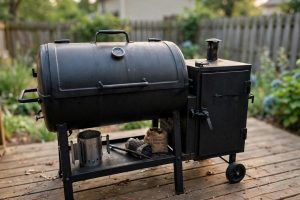
A smoker is heavy, awkward, and full of greasy parts that shift in transit. Throwing one in a truck bed and hoping for the best is how smokers get dented, lids get bent, and truck beds get coated in grease. This guide on how to transport a smoker safely in a truck walks through the whole process: cooling it down, cleaning it, taking it apart, loading it, and strapping it so nothing moves. This article explains how to transport a smoker safely in truck in simple terms.
Whether you are moving across town, taking the smoker to a cookout, or hauling a new one home from the store, the steps are the same. Do them in order and your smoker will arrive in the same shape it left in.
Before the move, it is worth knowing your equipment. Best grill smoker combo for beginners covers the common smoker types and what makes each one tricky to move. And best smoker cover waterproof heavy duty is worth a read if your smoker will sit outside after the trip.
Step 1: Let It Cool Completely
When it comes to how to transport a smoker safely in truck, getting the details right makes all the difference.
Many homeowners find that how to transport a smoker safely in truck is easier than they expected once they know the basics.
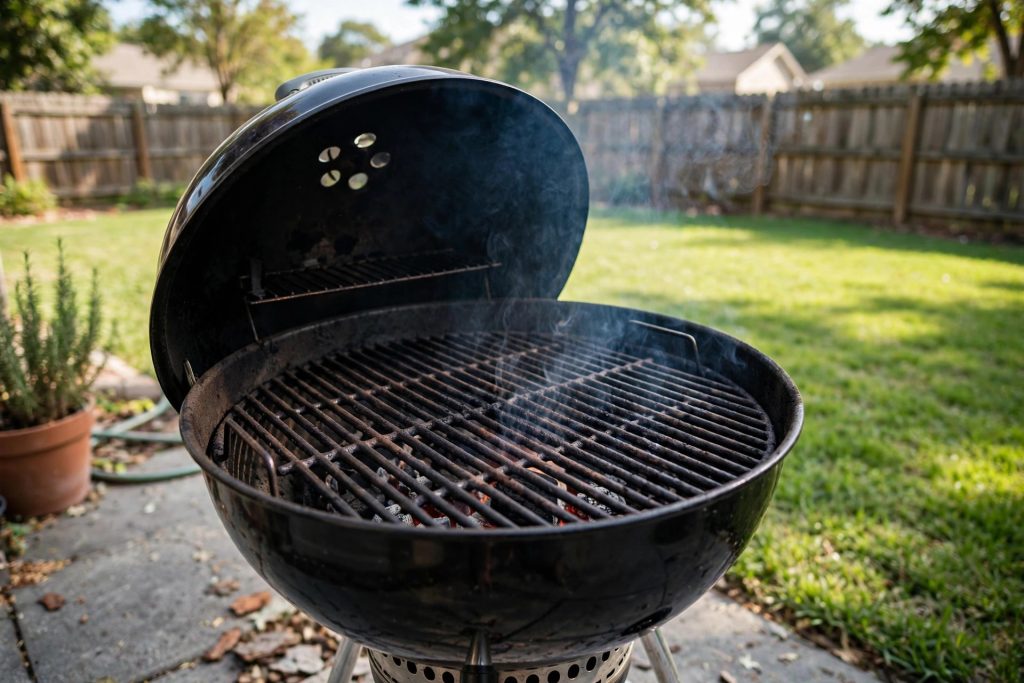
This sounds obvious, but it is the step people skip. A smoker holds heat far longer than you expect. Thick steel and ceramic can stay hot enough to burn for hours after the fire goes out. Moving a warm smoker risks burns, melted straps, and scorched truck bed liners.
Plan ahead. If you used the smoker the night before a move, open the vents and let it cool overnight. The Zippy Shell grill moving guide stresses this point: never underestimate cooling time. Test with the back of your hand held near the metal, not touching it, before you start handling parts.
Step 2: Empty All Fuel
Many homeowners find that how to transport a smoker safely in truck is easier than they expected once they know the basics.
The key to how to transport a smoker safely in truck is choosing the right approach for your space and budget.
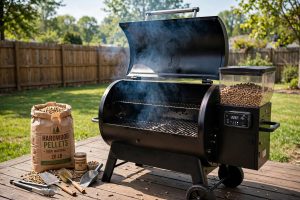
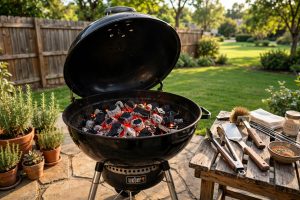
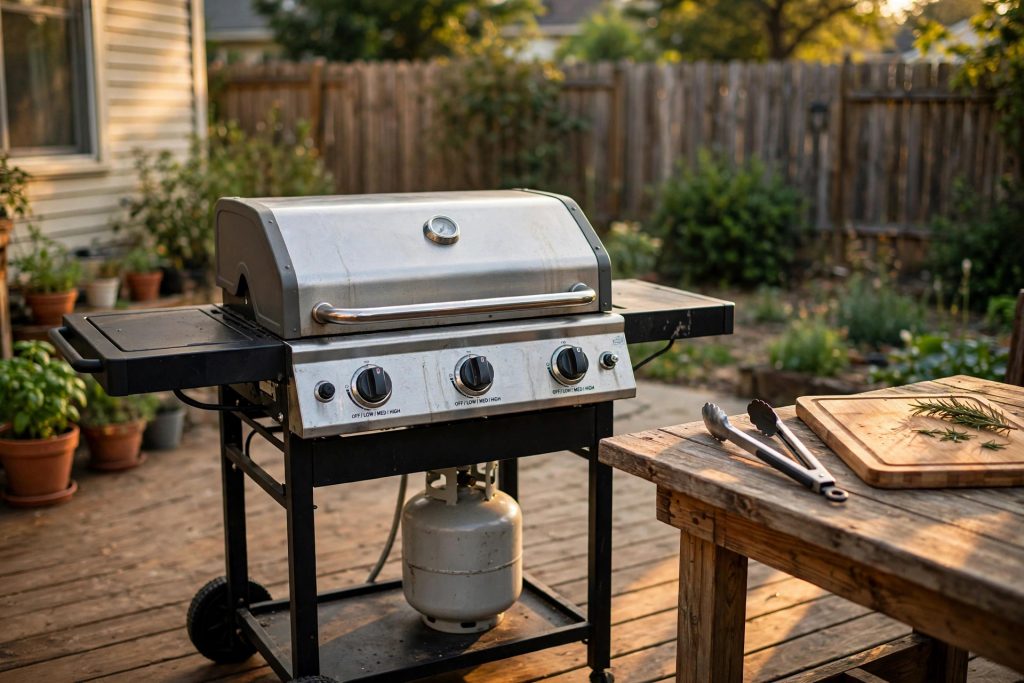
Remove every trace of fuel. For a charcoal smoker, dump all ash and unburned charcoal once everything is stone cold. Ash holds moisture and makes a mess in transit. For a pellet smoker, empty the hopper completely. Pellets absorb moisture, swell, and jam the auger if left sitting. For a gas smoker, disconnect the propane tank and transport it separately, standing upright and secured.
Briles Oil and Gas lays out the key propane rule: tanks travel upright, secured so they cannot tip, in a ventilated space. Never lay a propane tank on its side in a truck bed, and never leave one baking in a closed vehicle.
Step 3: Clean It Before You Move
The key to how to transport a smoker safely in truck is choosing the right approach for your space and budget.
With a little planning, how to transport a smoker safely in truck can fit even a busy schedule.
A clean smoker is lighter, less messy, and less likely to stain your truck. Scrub the grates. Empty the grease tray and drip bucket. Wipe down the interior to remove loose grease and ash. You do not need a deep detail, but getting the loose grime out makes everything easier.
Cleaning also protects your other cargo. Grease from a smoker will stain anything it touches in a truck bed. A quick clean now saves a ruined moving blanket or a stained mattress later.
Step 4: Remove Loose Parts
With a little planning, how to transport a smoker safely in truck can fit even a busy schedule.
Before you start, it helps to understand how how to transport a smoker safely in truck works in real homes.
Take out everything that comes out easily: grates, water pans, heat deflectors, drip trays, and side shelves. Wrap each piece in a moving blanket, an old towel, or bubble wrap, and pack them in a box or a sturdy bin. This does two things: it lightens the main body so it is easier to lift, and it stops loose parts from rattling around and scratching the interior during the drive.
The 1-800-PACK-RAT grill transport guide recommends exactly this approach: disassemble removable parts, wrap them separately, and secure the main unit upright. The Spyder Moving guide adds that labeling boxes of parts saves time when you reassemble at the other end.
Step 5: Secure the Lid and Doors
Before you start, it helps to understand how how to transport a smoker safely in truck works in real homes.
A good plan for how to transport a smoker safely in truck saves time, money, and frustration.
A smoker lid or door that swings open in transit will bend hinges or smash into the truck bed wall. Strap the lid shut with a ratchet strap, or tape it closed with strong packing tape. Close and latch all doors and dampers. If your smoker has a chimney, consider removing it if it unscrews easily, since tall chimneys catch wind and leverage against their mounts.
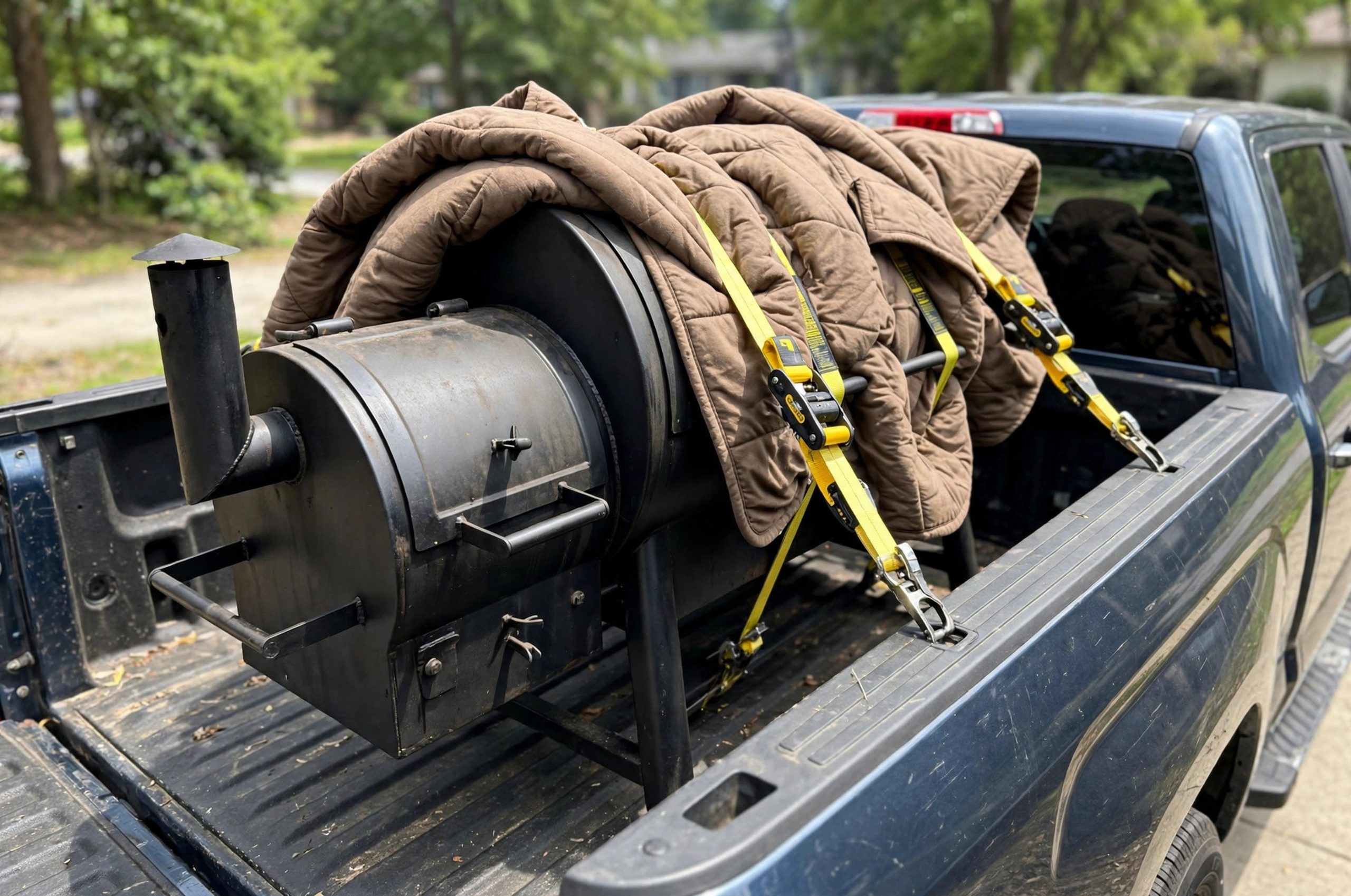
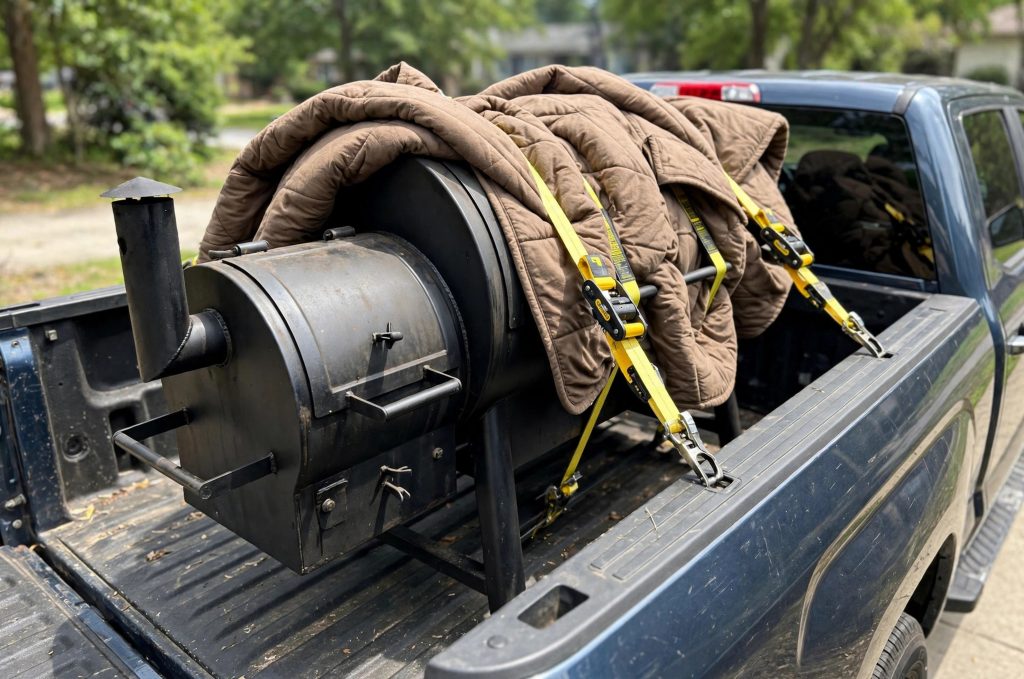
Wrap the whole smoker in a moving blanket once it is closed up. The blanket protects the finish from scratches and gives the straps something to grip without denting the metal.
Step 6: Load It Right
A good plan for how to transport a smoker safely in truck saves time, money, and frustration.
For most people, how to transport a smoker safely in truck comes down to a few smart choices.
Smokers are heavy and top-heavy. This is a two-person job for anything bigger than a small bullet smoker. Use a ramp if the truck bed is high, or lift from the legs with one person on each side. Keep your back straight and lift with your legs.
Place the smoker upright in the truck bed, ideally against the front wall of the bed or the cab side. Upright is the only safe position. Laying a smoker on its side stresses hinges, bends legs, and lets leftover grease pour out. Center the weight over the axle as much as possible for stable driving.
If the smoker has wheels, lock them or chock them with blocks of wood. A smoker that rolls a few inches in transit can shift the whole load.
Take your time with how to transport a smoker safely in truck and the result will last.
Step 7: Strap It Down
For most people, how to transport a smoker safely in truck comes down to a few smart choices.
This is the most important step. An unstrapped smoker will slide, tip, or bounce in the first hard stop. Use ratchet straps, not bungee cords. Bungees stretch and let the load shift. Ratchet straps hold firm.
Run at least two straps over the smoker in an X or parallel pattern, anchoring to the truck bed's tie-down points. Snug them tight enough that the smoker does not rock when you push it, but not so tight that you dent thin metal. The blanket underneath the straps spreads the pressure and protects the finish.
Do a shake test. Grab the smoker and try to move it. If it shifts at all, tighten or reposition the straps. Then check the straps again after the first few miles of driving. Straps settle and loosen as the load vibrates.
Step 8: Protect the Truck Bed
If you are new to how to transport a smoker safely in truck, start with the simplest option and build from there.
A tarp or moving blankets under the smoker protect the bed from grease, scratches, and dents. Even a cleaned smoker can weep a little grease in the heat. Lay a tarp down first, set the smoker on it, and fold the tarp edges up around the base. This also makes unloading cleaner.
If you are borrowing a truck, this step is not optional. Grease stains in a borrowed truck bed are hard to explain and harder to clean.
How to Transport a Smoker Safely in Truck: Driving With a Smoker in the Bed
When it comes to how to transport a smoker safely in truck, getting the details right makes all the difference.
Drive like you have a piano in the back. Take turns slowly. Brake early and gently. Avoid sudden lane changes. A top-heavy smoker raises the truck's center of gravity, so the truck handles differently than you expect. Give yourself extra following distance.
On the highway, check the straps at every fuel stop. Vibration loosens things. A thirty-second strap check beats a smoker rolling around the bed at sixty miles an hour.
Unloading and Setting Up
Many homeowners find that how to transport a smoker safely in truck is easier than they expected once they know the basics.
Unload in reverse order. Cut the straps. Remove the blanket. Lift the smoker out with help, or roll it down the ramp. Set it on level ground away from anything flammable. Reinstall the chimney, grates, water pan, and other parts you removed.
Before the first cook in the new spot, do a dry run. Light a small fire or run the burners empty for a while. This burns off any dust or packing residue and lets you check that nothing was damaged in the move. Check that doors seal, dampers move, and thermometers read sensibly. If the smoker is brand new, how to season a new smoker before use walks through the break-in cook that protects the interior.
What Not to Do
The key to how to transport a smoker safely in truck is choosing the right approach for your space and budget.
- Do not transport a hot or warm smoker. Burns and fire risk are not worth saving a few hours.
- Do not lay the smoker on its side. Hinges, legs, and seals are not built for it.
- Do not use bungee cords as the only tie-down. They stretch. Use ratchet straps.
- Do not transport a connected propane tank. Disconnect it and secure it upright separately.
- Do not leave the lid unsecured. A swinging lid bends hinges fast.
- Do not rush the loading. Most moving injuries happen when people hurry with heavy, awkward loads.
Frequently Asked Questions
Can I transport a smoker on its side in a truck?
No. Always transport a smoker upright. Laying it on its side can bend hinges and legs, break seals, and spill leftover grease everywhere.
How do I keep a smoker from sliding in the truck bed?
Use at least two ratchet straps anchored to the bed's tie-down points, run over the smoker in an X or parallel pattern. Wrap the smoker in a moving blanket first, and lock or chock any wheels.
Should I empty the pellet hopper before moving?
Yes. Empty the hopper completely. Pellets absorb moisture and swell, which can jam the auger. Store the pellets in a sealed, dry container for the trip.
Can I move a smoker by myself?
Small smokers, maybe. Anything full-size is a two-person job. Smokers are heavy, awkward, and top-heavy. Get help rather than risk injury or a dropped smoker. That is all it takes to handle how to transport a smoker safely in truck with confidence.
References
- 1-800-PACK-RAT. (n.d.). Your guide on how to transport a grill safely. https://www.1800packrat.com/blog/moving-grills
- Briles Oil and Gas. (n.d.). Is my grill tank safe to transport? https://www.brilesoilandgas.com/grill-tank-transport-safety/
- Master Moving Guide. (n.d.). How to pack a barbeque grill. https://mastermovingguide.com/how-to-pack-a-barbeque-grill/
- Spyder Moving and Storage. (n.d.). Guide to relocating your backyard grill. https://spydermoving.com/guide-to-relocating-your-backyard-grill/
- Street Directory. (n.d.). Portable barbecue grill. https://www.streetdirectory.com/food_editorials/cooking/barbeque_recipes/portable_barbecue_grill.html
- Zippy Shell. (n.d.). How to safely move your grill. https://www.zippyshell.com/blog/how-to-safely-move-your-grill
- BBQ Champs. (n.d.). How to build a grilling station in small spaces. https://bbqchamps.com/build-a-grilling-station-in-small-spaces/
- Backyard Kitchens Direct. (n.d.). Small patio grill setup: Practical ideas for outdoor cooking. https://backyardkitchensdirect.com/blogs/backyard-living-guides/small-patio-grill-setup
- The Manual. (n.d.). How to winterize your grill and make it last. https://www.themanual.com/food-and-drink/how-to-winterize-your-grill/
Was this guide helpful?

About My Garden US
The My Garden US editorial team writes practical, in-depth home and garden guides for American homeowners — tested advice, no fluff.