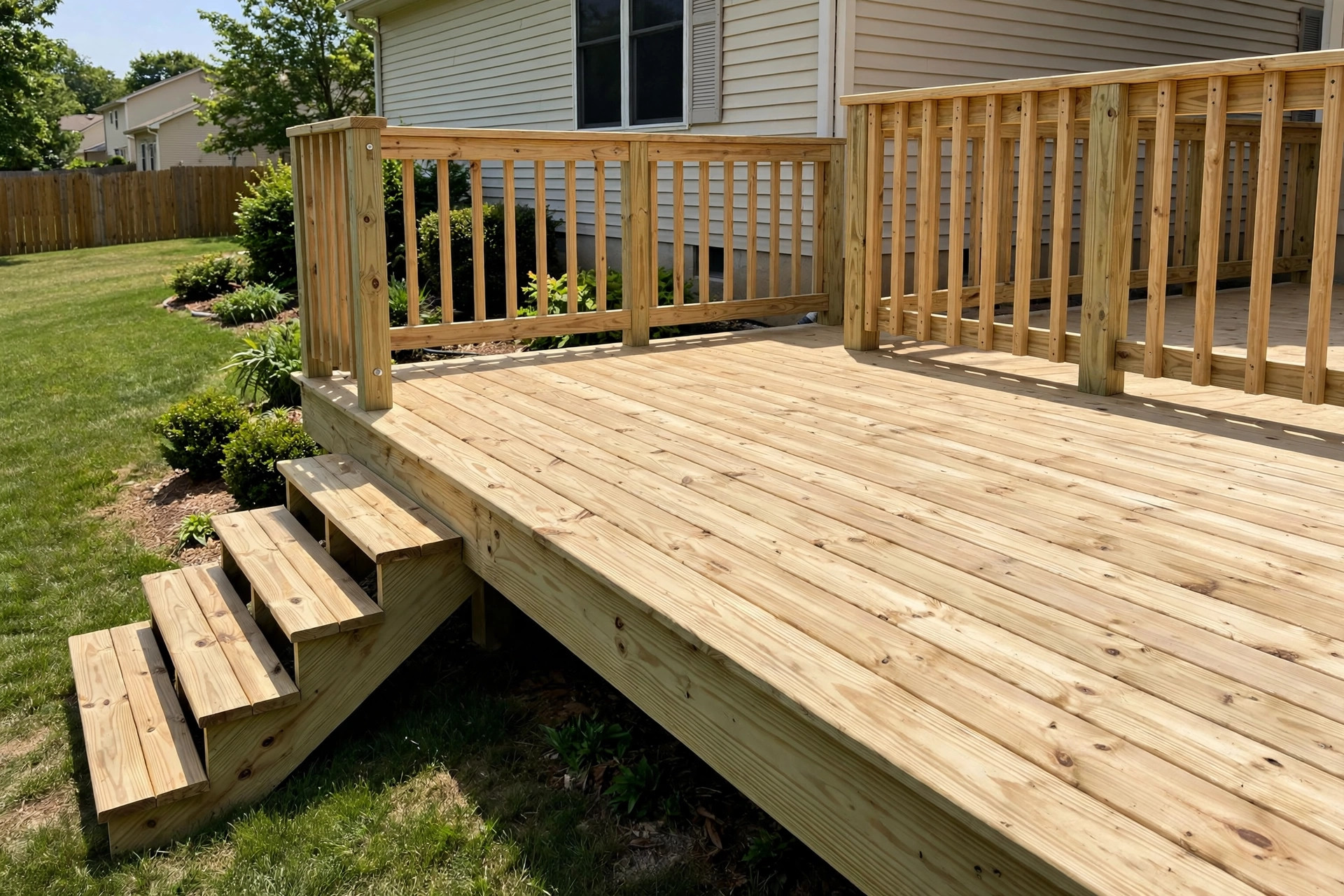

Building a deck is one of the most common home projects in the United States. The material you choose has a direct effect on the total bill. This pressure treated lumber decking price comparison usa guide lays out the facts. It shows what boards cost, what labor adds, and how the total changes by region. Every number here is based on common retail prices seen at lumber yards and large home centers in 2026.
The focus keyword in this article is the comparison itself. Shoppers who look for a pressure treated lumber decking price comparison want clear figures before they buy. The sections below give those figures in plain form, without jargon.
Why the Comparison Matters
Pressure treated lumber is the most common decking material in America. It costs less than cedar, redwood, or composite. But the price gap between a cheap build and a costly build can be wide. The same deck can cost four thousand dollars or nine thousand dollars, depending on the board grade, the framing, and the state where you buy the wood.
A careful comparison keeps a project on budget. It also helps buyers avoid two common mistakes. The first is buying the cheapest board and paying more later in repairs. The second is overpaying for grades of lumber a backyard deck does not need. Price knowledge is the best tool a buyer has. Retailers such as The Home Depot and Lowe’s post board prices online, which makes a side by side check easy before any trip to the store.
What to Look for When You Compare: Pressure Treated Lumber Decking Price Comparison Usa
A fair comparison must use the same board size, the same grade, and the same treatment level. A twelve foot 2×6 board costs more than an eight foot 2×4. An untreated board costs less than a treated one. Shoppers must hold these facts steady, or the numbers will lie.
The main facts to check are listed below.
Board size. Most deck surfaces use 2×6 boards or 5/4×6 deck boards. The 5/4 board is thinner and is made for walking surfaces. The 2×6 is thicker and spans longer joist gaps. Prices run by the linear foot or by the board.
Treatment rating. Deck boards that touch the ground or sit in damp soil need ground contact rated lumber. Boards above ground can use above ground rated stock. Ground contact boards cost a little more.
Grade. Lumber grades run from Select down through Number 1, Number 2, and Standard. Number 2 is the workhorse grade for decks. It has some knots and wane but is strong and straight enough for a walking surface. Higher grades cost more and show fewer flaws.
Moisture level. Treated boards leave the yard wet. Some stores sell kiln dried after treatment stock, marked KDAT. It costs more but shrinks less and takes stain better. Wet boards are cheaper and dry out after install.
Homeowners who plan other exterior work often price several projects at once. Many who compare deck boards also check exterior trim replacement and new mailbox posts so the whole front and back yard matches.
Types of Pressure Treated Decking Boards
Not all treated boards are the same. The common types are given here with typical 2026 retail prices per board at large home centers.
5/4×6 Deck Boards
The 5/4×6 is the standard deck board in much of the country. An eight foot Number 2 board runs from 6 to 9 dollars. A twelve foot board runs from 9 to 14 dollars. A sixteen foot board runs from 12 to 19 dollars. Prices sit at the low end in the South, where mills are close, and at the high end in the Northeast and West, where freight adds cost.
2×6 Deck Boards
The 2×6 board is a full two inches thick. It is stiffer and is used where joists are spaced wider or where the deck carries heavy loads. An eight foot Number 2 2×6 runs from 7 to 11 dollars. A twelve foot board runs from 11 to 17 dollars. A sixteen foot board runs from 15 to 24 dollars.
2×4 Deck Boards
Some older decks and narrow porch floors use 2×4 boards set close together. An eight foot Number 2 2×4 runs from 4 to 7 dollars. A twelve foot board runs from 7 to 11 dollars. These boards cost less but need more fasteners and more labor per square foot.
Kiln Dried After Treatment
KDAT stock is dried in a kiln after the treatment process. It is lighter, straighter, and holds stain well. Expect to pay twenty to forty percent more than wet treated stock. A twelve foot 5/4×6 KDAT board often runs 12 to 18 dollars. Guides from This Old House note that drier stock moves less after install, which cuts down on gaps and warps in the first year.
Ground Contact Rated Boards
Boards rated for ground contact carry more preservative. They cost about ten to twenty percent more than above ground stock of the same size. They are worth the extra cost for low decks, stair stringers, and posts that sit in soil. Bob Vila provides clear charts that show which rating suits each part of a deck frame.
Cost per Square Foot
Board prices tell only part of the story. Most contractors and planners work in cost per square foot of finished deck. The table below gives common ranges for a standard 12 by 16 foot deck, about 200 square feet, in 2026 dollars.
Materials only. Treated lumber decking materials, including boards, joists, posts, beams, fasteners, and rails, run from 8 to 16 dollars per square foot. A 200 square foot deck needs 1,600 to 3,200 dollars in lumber and hardware. Wet Number 2 stock sits at the low end. KDAT stock and premium grades push toward the high end.
Labor. A contractor built deck adds 12 to 25 dollars per square foot for labor. Simple ground level decks cost less to build. Raised decks with stairs and railings cost more. Total installed cost for a treated lumber deck commonly lands between 20 and 40 dollars per square foot. A 200 square foot deck therefore costs 4,000 to 8,000 dollars installed.
Do it yourself. A homeowner who does the work can cut the bill nearly in half. The lumber cost stays the same, but the labor cost drops to the value of their own weekends. Tool rental for a miter saw and drill may add 100 to 200 dollars. Articles on Family Handyman walk through the framing steps in plain language for first time builders.
Extras. Stairs add 200 to 500 dollars each in materials. Railings add 15 to 30 dollars per linear foot. A stain or sealer job adds 300 to 600 dollars for a 200 square foot deck. Permits cost 100 to 400 dollars in most counties.
Regional freight is the main reason prices differ across the country. The South and Pacific Northwest sit near the mills and pay the least. The Northeast, upper Midwest, and far West pay the most. A call to a local yard beats any national average. Price check tools at Lowe’s let shoppers set a store and see local board prices before they drive.
Regional Price Snapshot
The following snapshot shows typical twelve foot 5/4×6 Number 2 board prices by region in 2026.
– Southeast: 8 to 10 dollars – Mid Atlantic: 10 to 12 dollars – Northeast: 11 to 14 dollars – Midwest: 9 to 12 dollars – Mountain West: 11 to 14 dollars – Pacific Northwest: 8 to 11 dollars – California: 11 to 15 dollars
These are retail prices at large stores. Local lumber yards may beat them by ten percent or run higher on odd sizes. Delivery adds 50 to 100 dollars per load. Many yards deliver free on orders above a set amount, often 500 dollars.
Care and Upkeep
Pressure treated lumber lasts 15 to 25 years on a deck when it is cared for. The treatment guards against rot and insects, but sun and water still wear the wood down. A simple care plan keeps the surface sound.
Clean once a year. Wash the deck with a mild cleaner and a stiff brush. A pressure washer on a low setting works, but keep the tip moving so it does not carve the grain.
Seal or stain. Apply a water repellent sealer or stain every two to three years. Sealer blocks water and slows cracking. Stain adds color and blocks sun damage. KDAT boards take finish better than wet boards.
Check fasteners. Screws back out over time as boards move. Walk the deck each spring and drive loose screws home. Replace rusted screws with coated deck screws.
Mind the gaps. Boards need small gaps so water drains and air moves. Clear leaves and dirt from between boards each fall. Trapped debris holds water and rots boards from the sides.
Watch the framing. The surface boards get the eye, but the joists and posts do the work. Check the underside every few years for soft spots, especially where boards meet the house. A soft joist should be sistered or replaced.
The care advice on The Spruce covers seasonal tasks in a simple checklist form that suits first time owners. Homeowners who plan a full exterior refresh may also price stone veneer panels to pair new cladding with the new deck.
Safety
A safe deck starts with safe building habits. Wear gloves when you handle treated boards, because the preservative can irritate skin. Wear a dust mask when you cut treated lumber, and cut outdoors where dust blows clear. Never burn treated scrap. The ash carries the treatment chemicals and is not safe to handle or spread on soil.
Wash your hands after you work with treated lumber, and keep the boards away from food prep areas until the project is done. Set sawdust aside in a bag and put it in the trash. State disposal rules vary, so check local guidance before a big tear out.
Structural safety matters as well. A ledger board that joins the deck to the house must be bolted, not nailed, and flashed to keep water out of the wall. Posts need solid footings below the frost line in cold states. Guards on raised decks must meet local height and spacing codes. When in doubt, pull a permit and let the inspector check the frame. James Hardie and CertainTeed both publish exterior product guides that stress code compliant flashing where decks meet walls.
FAQ
How much does pressure treated lumber decking cost per square foot? Materials run 8 to 16 dollars per square foot. A contractor built deck runs 20 to 40 dollars per square foot installed. A 200 square foot deck costs 1,600 to 3,200 dollars in materials and 4,000 to 8,000 dollars installed.
Is pressure treated lumber cheaper than composite decking? Yes. Treated lumber costs about one third to one half of what composite decking costs for materials. Composite lasts longer and needs less care, but the up front bill is much higher.
What grade of pressure treated lumber is best for a deck? Number 2 is the standard grade for deck surfaces. It is strong and costs less than Select or Number 1. Save higher grades for rail caps and trim where looks matter most.
How long does a pressure treated lumber deck last? A treated deck lasts 15 to 25 years with regular cleaning and sealing. Decks in wet shade last less. Decks in dry sun last more. Ground contact rated framing lasts longer than above ground rated framing in damp spots.
Should I buy wet or kiln dried treated boards? Wet boards cost less and are fine if you let them dry before you stain. Kiln dried after treatment boards cost twenty to forty percent more, stay straighter, and take stain sooner. Pick KDAT if a flat, even surface matters to you.
Can I build a deck with pressure treated lumber myself? A simple ground level deck is a fair do it yourself project for a handy homeowner. Raised decks, stairs, and ledger connections to the house call for more skill and often a permit. Pull the permit first and follow local code.
A Short Final Word
A pressure treated lumber decking price comparison usa search ends with a simple rule. Match the board to the job, price by the square foot, and check local yards before you buy. Treated lumber remains the lowest cost path to a sound American deck. With honest numbers in hand, a buyer can build once and build right.
References
Bob Vila. (n.d.). Home improvement advice. https://www.bobvila.com CertainTeed. (n.d.). Building materials and exterior products. https://www.certainteed.com Family Handyman. (n.d.). DIY home repair and maintenance. https://www.familyhandyman.com James Hardie. (n.d.). Fiber cement siding and exterior products. https://www.jameshardie.com Lowe’s. (n.d.). Home improvement products. https://www.lowes.com The Home Depot. (n.d.). Home improvement products. https://www.homedepot.com The Spruce. (n.d.). Home and garden advice. https://www.thespruce.com This Old House. (n.d.). Home renovation guidance. https://www.thisoldhouse.com
Was this guide helpful?

About Jennifer Lee
The My Garden US editorial team writes practical, in-depth home and garden guides for American homeowners — tested advice, no fluff.
You May Also Like
Reliable Vinyl Siding Installation in the USA: A Plain Guide for Homeowners
June 27, 2026 0 views
Stucco Exterior Repair Cost Guide USA: What Homeowners Should Know in 2026
August 4, 2026 0 views
Insulated Vinyl Siding Price Comparison USA
May 5, 2026 0 views