
Why Asphalt Driveway Sealing Matters
When homeowners search for affordable asphalt driveway sealing near me, they are usually looking for one thing. They want a way to protect their driveway without spending a fortune. An asphalt driveway is a major investment. Without care, it can crack, fade, and break down years before it should.
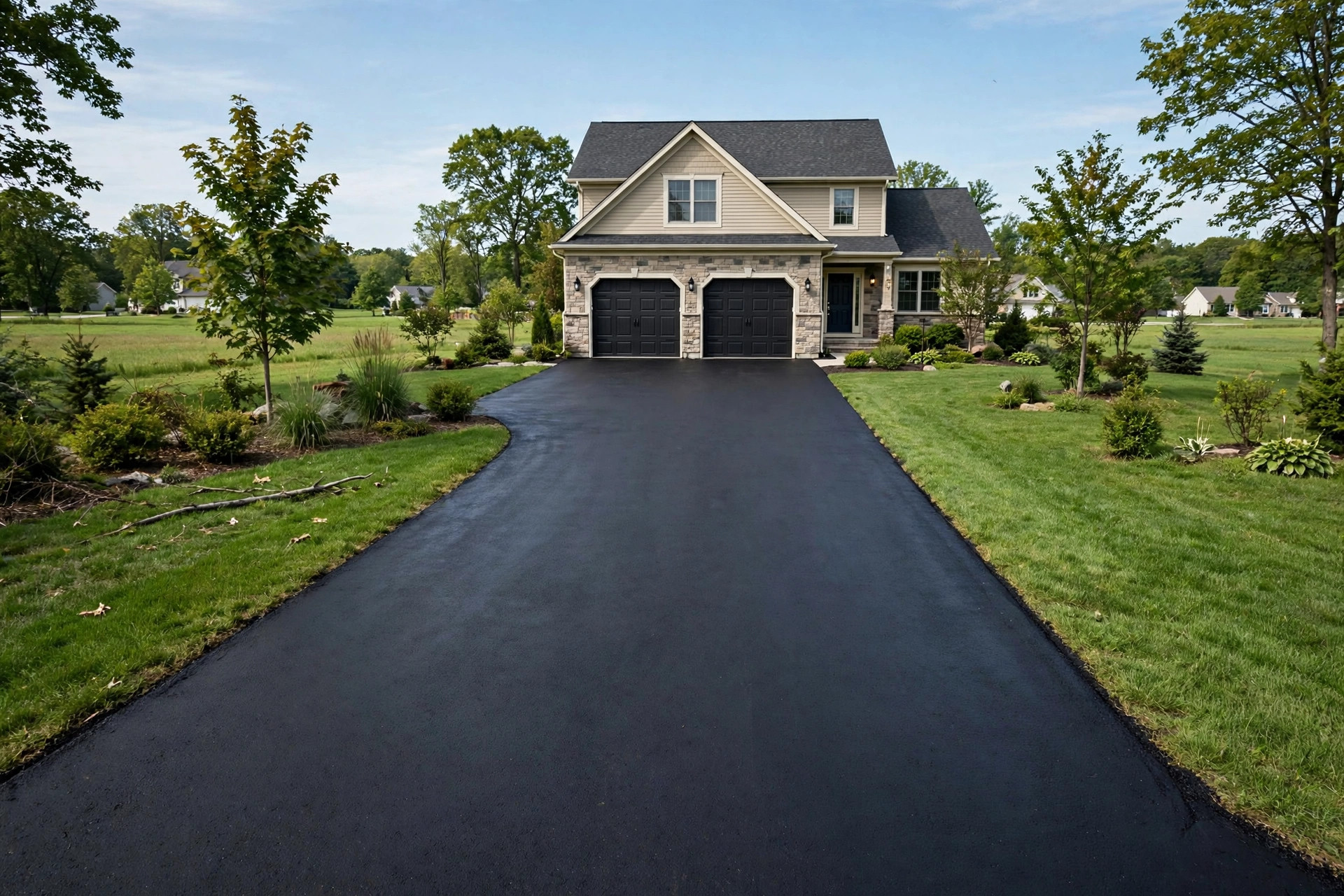
Asphalt is made from stone and a sticky binder. Sunlight dries out the binder. Water seeps into small cracks. In cold climates, water freezes and expands. That is the main enemy of any asphalt driveway. A fresh sealcoat acts like a shield. It blocks sunlight and keeps water from soaking in. It also restores the deep black color that new asphalt has.
Many homeowners put off sealing because they think it will cost too much. The truth is different. Sealing is one of the cheapest home upkeep tasks. It costs far less than repairs or a full replacement. Professional service costs more than doing it yourself, but it still stays affordable in most markets. The key is to know what a fair price looks like and how to find a good contractor close to home.
A sealed driveway also looks better. A dark, even surface raises the look of the whole property. For anyone thinking of selling a home, that first impression matters. Buyers notice a fresh driveway. They also notice one that is gray, cracked, and tired.
When to Seal Your Driveway: Affordable Asphalt Driveway Sealing near Me
Timing matters with sealcoating. A new asphalt driveway should rest before sealing. Most experts say to wait at least six to twelve months after paving. Fresh asphalt needs time to cure. The oils in the mix must settle. If you seal too soon, the coating may not stick well. It can peel or bubble.
After that first wait, the general rule is simple. Seal every two to three years. In harsh climates with heavy snow or strong sun, every two years is better. In mild climates, every three years may be enough. Watch for signs that the seal is wearing out. When the surface turns from black to gray, the binder is oxidizing. Small cracks start to appear. Water no longer beads on the surface. These are all signs that it is time to seal again.
The season matters too. Sealcoating needs warm, dry weather. Late spring through early fall is the normal window in most of the country. The air temperature should stay above fifty degrees during the day and at night. Plan around rain. A storm the night before can leave the surface wet. Most contractors book up fast in peak season, so call early.
One more note on timing. Do not seal a driveway that has large structural cracks or deep potholes. Sealer is a surface treatment. It will not fix a broken base. Big cracks need proper repair first. A good contractor will tell you this. A dishonest one will seal right over the damage and take your money.
Types of Asphalt Sealers
There are two main types of asphalt sealer. Each has its fans and its critics.
Coal tar sealers have been used for decades. They form a hard, dark coating. They resist oil and gas spills well. They are cheap. The drawback is that coal tar contains compounds that some states and cities have banned or restricted. Check local rules before using it. The smell is also strong.
Asphalt emulsion sealers are the modern choice. They are made from the same basic material as the driveway itself. They have less odor. Many states now require or favor asphalt based products. They may cost a bit more than coal tar, but the price gap is small. For most homes, an asphalt emulsion sealer is the best pick.
You will also see additives like sand and latex. Sand adds grip to the surface. That matters on slopes or in wet areas. Latex helps the coating flex. A quality contractor will mix these into the product. Ask what goes into the mix. A thin, watered down product will not last.
Many homeowners buy sealer from large retailers. Stores like Home Depot and Lowe’s carry sealers, crack fillers, and tools in their stores and on their websites. Buying from a known retailer helps you avoid weak or counterfeit products.
How to Choose a Sealing Contractor Near You
The phrase affordable asphalt driveway sealing near me is a search. Turning that search into a good hire takes some care. Start with a list of three to five local companies. Ask neighbors for names. A company that works in your area knows the local climate and soil.
Get written estimates from at least three contractors. Each estimate should list the same things. The size of the driveway in square feet. The type of sealer to be used. The number of coats. The price of crack filling and oil spot treatment. Whether edging is included. When all three quotes cover the same work, you can compare prices fairly.
Watch out for red flags. A contractor who knocks on your door unasked and offers a deal that ends today is a risk. A very low price often means watered down sealer or a single thin coat. A contractor who will not put the price in writing is a risk too. So is one with no local address or no proof of insurance. Trust your gut. If a deal feels wrong, walk away.
Ask simple questions before you hire. How many coats do you apply. What kind of sealer do you use. How do you treat oil stains and cracks. How long before we can drive on it. A good contractor answers in plain words. A poor one dodges the questions.
Price is important, but it is not everything. The cheapest bid can cost more in the long run if the work fails in a year. The best value is a fair price from a contractor with a track record. Sites like Bob Vila and This Old House publish clear guides on hiring exterior contractors. Review platforms such as Angi and HomeAdvisor list local pros with customer ratings. These tools help you narrow the field fast.
Cost and Price Breakdown
So what does affordable asphalt driveway sealing near me actually cost. For a standard two car driveway, professional sealing often runs between one hundred and three hundred dollars. The exact price depends on size, condition, and your region. A driveway in rough shape costs more. Crack filling, oil spot priming, and extra coats add to the bill.
Most pros charge by the square foot. Common rates run from fifteen to twenty five cents per square foot for a basic two coat job. A driveway of six hundred square feet would then cost about one hundred twenty to one hundred fifty dollars. Extra services are priced on top. Always ask for the full list of charges before work starts.
Doing it yourself costs less in cash. A five gallon pail of sealer costs about twenty to forty dollars. You will also need a squeegee or brush, crack filler, and cleaning supplies. For a normal driveway, the material cost may land between fifty and one hundred dollars. The trade off is your time and your back. A DIY job takes a full day.
To keep the price down, schedule early in the season. Contractors fill their books fast. Combine work with neighbors. Some companies give a discount for doing two or three driveways on the same street in one trip. Get quotes in writing and compare line by line. The lowest total price is not always the lowest price for the same work. Read each quote with care.
Keep in mind the cost of waiting. A driveway that goes too long without sealing will crack. Crack repair costs far more than sealing. A full resurface can cost thousands. Seen that way, a one hundred fifty dollar sealcoat every two or three years is one of the best deals in home care.
Preparing Your Driveway for Sealing
Good prep decides half the result. The surface must be clean. Dirt, leaves, and loose stones stop the sealer from bonding. Oil spots must be treated with a primer. If they are not, the sealer will slide off them.
Cracks wider than a hairline need filling. Crack filler comes in tubes or pour pots. Let the filler dry fully before sealing. Potholes and crumbling edges need real patching. Sealer is not a filler.
Remove grass growing along the edges. Move cars, bikes, and toys off the driveway. Keep pets and children away during the work and while it dries. A little care at this stage pays off in a smooth, even finish.
Weather is part of prep too. Check the forecast for two dry days. One day for the work and one for curing. Many pros begin late morning when the sun has dried the surface. A hot, calm day is ideal.
Care and Upkeep After Sealing
Fresh sealer needs time to cure. Most products allow foot traffic after four to six hours. Cars need longer. Wait at least twenty four to forty eight hours before driving on the surface. In cool or damp weather, wait longer.
For the first week, be gentle. Do not turn the steering wheel while the car is standing still. That twists the tires and can scuff the new coat. Heavy trucks and trailers can dent fresh sealer. Keep sharp tools and bike kickstands off the surface for a few days.
Long term care is simple. Sweep the driveway often. Dirt and grit grind into the surface when cars drive over them. Wash off oil drips soon after they happen. Motor oil and gasoline eat through sealer over time. Use a degreaser made for asphalt. Rinse with a garden hose. Avoid harsh solvents.
In winter, use plastic shovels or rubber edged snow blowers. Metal blades scrape the sealcoat. Use sand for traction instead of rock salt when you can. Salt is hard on asphalt. It speeds up cracking.
Watch the surface each spring. Look for gray spots, new cracks, and areas where water pools. Small cracks can be filled between sealings. Pooling water may point to a low spot. Fix problems early. They grow fast and cost more later.
Safety Notes
Sealcoating involves chemicals. Take safety seriously. Read the product label before you start. Wear gloves, long sleeves, and eye protection. Sealer stains skin and clothes. It is very hard to remove. Work boots with good grip are wise. Wet sealer is slick.
Keep the area ventilated. The fumes are strong, most of all with coal tar products. Do not let children or pets near the work area. Keep them away until the surface is fully dry. Store leftover sealer in a sealed container, out of reach of children, and away from heat.
Never pour leftover sealer or rinse water into a storm drain. It pollutes streams and ponds. Let rinse water settle and dispose of it as local rules require. Your city or county waste office can tell you the right method.
If you hire a contractor, safety is their job. Still, keep your family and pets inside during the work. Ask the contractor how long the drying time will be. A responsible crew will rope off the area and clean up their tools.
Frequently Asked Questions
How often should I seal my asphalt driveway?
Every two to three years is the standard answer. In hot, sunny states or in areas with harsh winters, seal every two years. In mild climates, three years is fine. Watch for gray color and small cracks. Those are your real signals.
Can I seal my driveway myself?
Yes. Many homeowners do it themselves. The materials cost fifty to one hundred dollars. The work takes a full day. You need to clean, fill cracks, and apply two coats. Hiring a pro costs more but gives a more even result in less time.
How long does sealer take to dry?
Most sealers allow walking after four to six hours. Wait at least twenty four to forty eight hours before driving on it. Cool or humid weather slows drying. When in doubt, wait an extra day.
What is the best time of year to seal?
Late spring through early fall works in most regions. Day and night temperatures should stay above fifty degrees. The surface must be dry. Book early, because good contractors fill their schedules fast.
Will sealing fix my cracked driveway?
No. Sealer is a surface coat. It fills hairline cracks only. Wide cracks, potholes, and crumbling edges need repair first. A honest contractor will fix damage before sealing.
How much does professional sealing cost near me?
For a normal two car driveway, expect one hundred to three hundred dollars. Price depends on size, condition, and local labor rates. Crack filling and extra coats add to the cost. Get three written quotes to find a fair local price.
A Short Final Word
An asphalt driveway gives good service for many years when it is sealed on time. The search for affordable asphalt driveway sealing near me ends with a simple plan. Know the fair price in your area. Get three written quotes. Ask what sealer will be used and how many coats will go on. Watch the weather. Take care of the surface after the work.
Sealing is small money for big protection. Do it every two to three years. Fix cracks early. Treat oil spots fast. Your driveway will thank you with years of extra life.
For more ideas on keeping the outside of your home in top shape, you may like our guides on top rated vinyl siding installation reviews, reliable storm door installation in florida, and buy landscape lighting transformers online in the usa.
Buying guides are also published by The Spruce and James Hardie.
References
Angi. (n.d.). Home services marketplace. https://www.angi.com Bob Vila. (n.d.). Home improvement advice. https://www.bobvila.com HomeAdvisor. (n.d.). Local home service professionals. https://www.homeadvisor.com James Hardie. (n.d.). Fiber cement siding and exterior products. https://www.jameshardie.com Lowe’s. (n.d.). Home improvement products. https://www.lowes.com The Home Depot. (n.d.). Home improvement products. https://www.homedepot.com The Spruce. (n.d.). Home and garden advice. https://www.thespruce.com This Old House. (n.d.). Home renovation guidance. https://www.thisoldhouse.com
Was this guide helpful?

About James Carter
The My Garden US editorial team writes practical, in-depth home and garden guides for American homeowners — tested advice, no fluff.
You May Also Like
Buy Mailbox Posts Online in Texas: A Simple Guide for Homeowners
March 20, 2026 0 views
Best House Number Plaques Buying Guide
March 28, 2026 0 views
Pergola Installation Kits: Reviews and Buying Guide
January 6, 2026 0 views