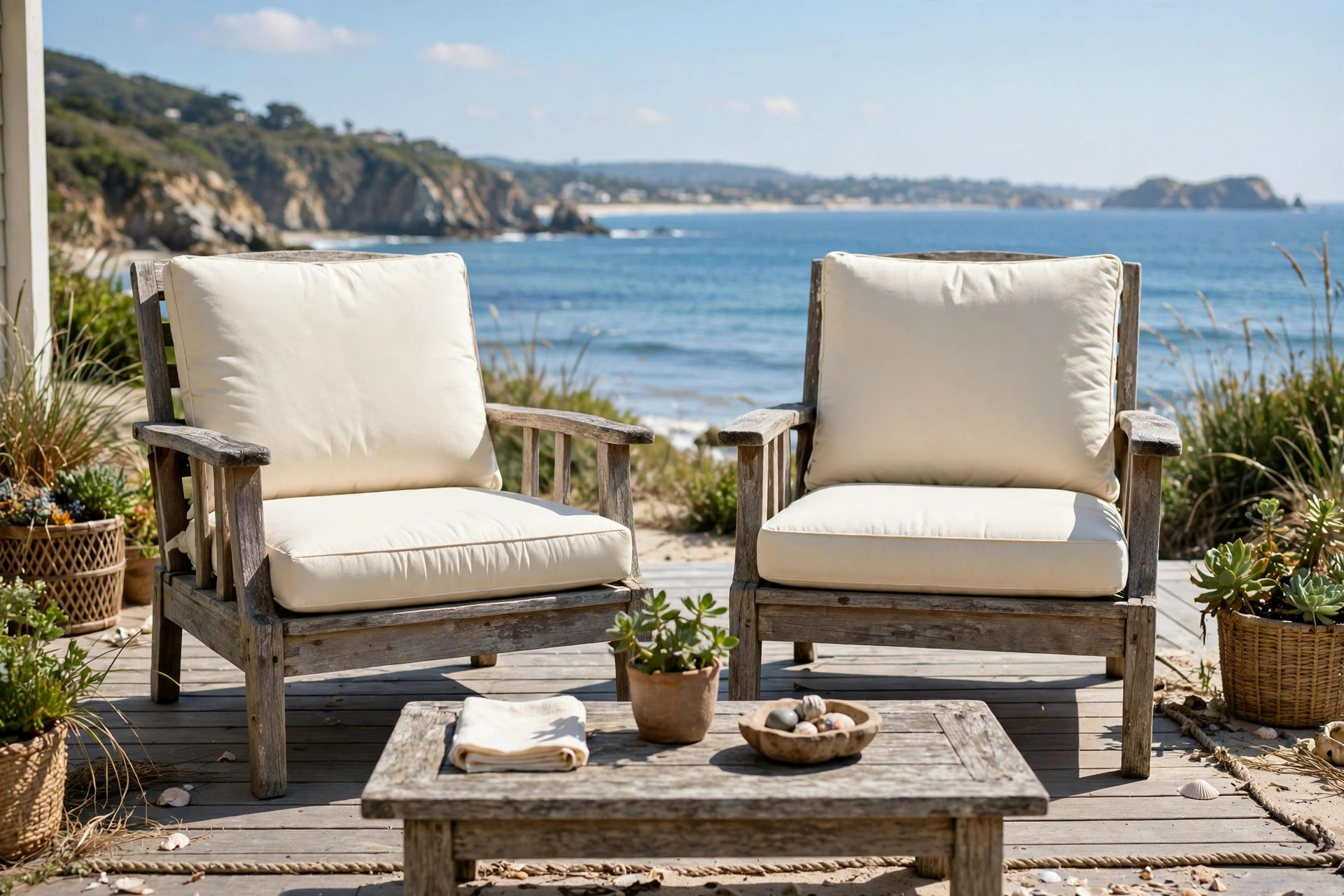

Living near the sea brings a fine reward and a quiet problem. The view is wide and calm. The air is soft and warm. Yet that same air carries salt, damp, and strong sun. These things wear down ordinary patio sets in a single season. The best outdoor furniture for coastal homes is built to stand up to this mix of salt spray, high humidity, and hard light. This guide walks through what matters, what to look for, and how to keep your set looking fine for years.
Why Coastal Furniture Is Different
Inland yards and coastal yards ask for different things. Inland, rain and sun are the main foes. On the coast, salt rides in on the breeze and settles on every surface. Salt draws damp from the air and keeps metal wet long after the rain stops. This speeds rust on steel and pits cheap aluminum. Wood drinks in moisture and can warp, crack, or grow mold.
Wind is another factor. A coastal deck can see sudden gusts that send light chairs across the patio. Sun hits harder too, since water and sand throw light back up at the furniture. Fabrics fade fast. Plastic turns chalky and brittle.
The best outdoor furniture for coastal homes answers all of these at once. It uses frames that cannot rust, fabrics that resist fade, and joints that hold firm in wind. It costs a bit more up front than bargain sets. It pays back by lasting three or four times as long.
What to Look For When You Choose: Best Outdoor Furniture for Coastal Homes
Start with the frame. This is the skeleton of every piece, and it decides how long the set will live. Marine-grade aluminum is a strong pick. It is light enough to move, yet it will not rust. Powder-coated aluminum adds a thick color coat that shrugs off salt and scratches. Look for full welds at the joints rather than bolts, which can loosen in wind.
Teak is the classic wood for coastal use. It holds natural oils that fight water, mold, and insects. A teak bench can sit out for decades and turn a soft silver-gray. Other good woods include eucalyptus and acacia, though they need more care and oil to keep their strength.
Check the fasteners. Stainless steel screws and bolts matter more than most people think. Ordinary steel screws will bleed rust stains onto the wood or fabric around them. Ask the seller whether the hardware is stainless steel. If the answer is no, keep looking.
Test the weight and balance. Sit in the chair. Rock it a little. A well-built coastal chair feels planted, not tippy. Heavier frames do better in gusts, but you still want to be able to drag a chair into the shade.
Look at the fabric. Outdoor fabric should carry a rating for fade resistance. Solution-dyed acrylic is the standard for the best outdoor furniture for coastal homes. The color runs through the whole fiber, not just the surface, so it fades slowly even in harsh sun. It also dries fast after rain and fights mildew.
Think about storage. Even the toughest set lasts longer when it spends the storm season under cover. If you lack a shed, pick pieces with removable cushions and light frames you can stack or tip on edge.
The Best Materials for Coastal Homes
Teak and Hardwoods
Teak remains the king of coastal woods. Its tight grain and natural oils give it a long life with almost no upkeep. Leave it alone and it ages to gray. Oil it once a year and it keeps a warm brown tone. Buyers who want a full guide to hardwoods can study reviews at Consumer Reports before they spend.
Aluminum
Powder-coated aluminum is the workhorse of coastal decks. It will not rust, it stays cool to the touch, and it comes in many styles, from slim cafe sets to deep lounge groups. Frontgate carries a wide range of aluminum frames designed for salt air.
Wicker and Rattan, Done Right
Natural wicker fails fast at the coast. It soaks up water and rots. Resin wicker over an aluminum frame is a different story. Good resin strands resist sun, salt, and rain for years. Check that the weave is tight and the underside frame is aluminum, not steel.
Recycled Plastic Lumber
This material looks like painted wood but never rots, splits, or needs paint. It stands up to salt and sun with almost no care. POLYWOOD builds its pieces from this kind of lumber, and the brand is a common pick for seaside porches.
Stainless Steel
High-grade stainless steel works well, but only the right grade. Lower grades can still pit in salt air. If you love the look, ask for 316 marine-grade stainless. Expect to pay more.
Types of Pieces to Consider
A coastal porch or deck usually needs three kinds of pieces: seats, tables, and loungers. Dining sets suit homes that eat outside often. A round table with four to six armchairs fits most decks and leaves room to walk around. Look for chairs with arms, since they are easier to sit in and rise from after a long day.
Lounge sets give a deck the feel of an outdoor living room. A sofa, two chairs, and a low coffee table make a fine spot for coffee at dawn or talk at dusk. For small decks, a best outdoor sectional sofa for small patios can tuck into a corner and seat a crowd without eating floor space.
Rocking chairs are a porch classic. A best outdoor rocking chair for porch in teak or resin wicker adds charm and holds up well if the frame is right.
Loungers are for sun and rest. Pick one with a frame that will not stain the deck and wheels that roll smooth on pavers. Reading outdoor chaise lounge with wheels reviews can help you compare glide and brake systems before you buy.
Side tables matter more than people guess. Every seat should sit within arm’s reach of a spot for a drink, a book, or sunglasses. Small tables are also easy to move when the wind picks up.
Storage boxes pull double duty as benches and as shelter for cushions. A weather-tight deck box keeps fabric dry and cuts the daily work of hauling cushions inside.
Umbrellas and shade sails take the edge off midday sun. Pick a base heavy enough for coastal gusts, or bolt the umbrella stand to the deck. Bob Vila offers practical guides on sizing shade for windy decks.
Cost and Price
Coastal-grade furniture costs more than basic sets, and the reasons are plain. Marine-grade metals, teak, and solution-dyed fabrics are dear materials. A small bistro set from a budget store may run a few hundred dollars. A mid-range aluminum dining set of five pieces often lands between eight hundred and two thousand dollars. A full teak lounge group can pass three thousand.
Buy once, not twice. A cheap steel set may look fine in the store and start rusting by the end of the first summer. Replacing it every two years costs more in the long run than buying well once. Watch for end-of-season sales in late summer, when stores clear floor stock. Floor models are worth a look too, though you should check every joint and weld.
Cushions and covers are worth their own line in the budget. Good cushion sets can add a few hundred dollars to the bill. Plan for it now rather than buying thin cushions that flatten in a month.
Shipping costs surprise many buyers. Teak and recycled lumber are heavy. Some stores ship free over a set amount, while others charge by weight. Check the total price with delivery before you compare. Lowe’s and Home Depot both list delivery terms clearly on their product pages, which makes side-by-side shopping easier.
Care and Upkeep
Even the best outdoor furniture for coastal homes lasts longer with basic care. Rinse frames with fresh water every few weeks during the season. This washes off the salt film before it can bite into the finish. A garden hose does the job; no pressure washer is needed, and high pressure can strip coatings.
Wash once a season with mild soap and a soft brush. Stay away from bleach and harsh cleaners, which can harm powder coat and fade fabric. Dry metal joints after washing, or let the pieces air dry in the sun.
Treat wood once a year. Teak oil or a hardwood sealer keeps the color warm and feeds the wood. Sand lightly with fine paper first to lift gray weathered fibers. Wipe on the oil thin and even. Thick coats turn sticky and gather dust.
Care for fabric by brushing off loose dirt weekly. Spot-clean spills fast with soap and water. Most outdoor cushion covers come off and wash in the machine on gentle. Let them air dry fully before putting them back on the foam, or mildew may grow inside. The care library at IKEA has simple step-by-step routines for outdoor textiles.
Cover or store pieces in the off season. Fitted covers keep rain and salt off the set and cut spring cleaning to a quick rinse. Make sure covers breathe; trapped damp does more harm than open air. If you stack chairs, put a cloth between frames to stop scratches.
Tighten bolts each spring. Wind works fasteners loose over time. A ten-minute check with a wrench stops wobble before it starts. Replace any missing glides or feet, since a bare frame leg can scratch deck boards and trap water.
Safety
Good furniture should be safe as well as tough. Check that chairs and loungers sit steady on a level surface and do not tip when you lean back. Keep glass-top tables away from play areas, since a gust can turn a loose table into a hazard. Tempered glass is the safer choice if you want a glass top.
Place heavy pieces where wind cannot push them into railings or glass doors. On open decks, many owners lay furniture on its side or move it inside when a storm warning comes. A little work now beats a repair bill later.
Watch heat. Dark frames and dark fabrics soak up sun and can burn bare skin at midday. Light colors stay cooler. If you have small children, test the seat with your hand before they sit down.
Mind the grilling zone. Keep fabric chairs and umbrellas well clear of the grill. Sparks and heat damage fabric and can melt resin wicker. A clear space of several feet on all sides is a sound rule.
Cord and rug safety counts too. Flat outdoor rugs can trip bare feet at the edge. Tape down rug corners or pick a low, tight weave. Run any lighting cords along walls or under rugs so no one catches a toe.
Frequently Asked Questions
What is the best material for outdoor furniture at the beach?
Teak, powder-coated aluminum, resin wicker over aluminum, and recycled plastic lumber all do well. Teak wins on looks and life. Aluminum wins on weight and price. Recycled lumber wins on care-free use. Steel and natural wicker lose, since salt and damp break them down fast.
How do I stop rust on my patio furniture?
Start with rust-proof materials. Rinse salt off with fresh water often. Touch up any chips in powder coat with matching paint so bare metal never shows. Keep pieces dry under breathable covers in the off season. Stainless steel fasteners help too.
Will teak furniture really survive salt air?
Yes. Teak has served on boats and docks for centuries, which tells the whole story. It will weather to gray if you leave it alone, and it keeps its strength either way. A yearly oiling keeps the warm color if you prefer it.
Are expensive coastal sets worth the money?
For a home on the water, they usually are. A well-built set can last ten to twenty years, while a cheap set may fail in two. Divide the price by the years of use and the dearer set often costs less per year.
Can I leave cushions out all summer?
You can, if the fabric is solution-dyed acrylic and the foam drains fast. Still, bring them in during heavy storms and at the end of the season. Fading and mildew both slow down when cushions spend the worst weather under cover.
How do I keep light chairs from blowing away?
Pick heavier frames, stack or tie pieces together when wind rises, and store umbrellas closed. Some owners run a simple strap through chair legs on exposed decks. Planning for wind at buy time beats chasing chairs across the yard later. HGTV and The Spruce both run seasonal guides on wind-proofing a patio.
A Final Word
Choosing the best outdoor furniture for coastal homes comes down to honest materials and plain care. Pick frames that cannot rust. Pick fabrics that hold their color. Spend a little more once instead of a little every year. Then rinse, oil, and cover on a simple schedule. Do these things and your porch will stay a welcoming place from the first warm week of spring to the last calm evening of fall.
Design help is easy to find when you want a second opinion. Style galleries at Article show how coastal sets look in real rooms and yards, which can spark ideas for your own deck.
References
Article. (n.d.). Modern furniture. https://www.article.com Bob Vila. (n.d.). Home improvement advice. https://www.bobvila.com Consumer Reports. (n.d.). Product reviews and ratings. https://www.consumerreports.org Frontgate. (n.d.). Outdoor furniture and decor. https://www.frontgate.com HGTV. (n.d.). Home and garden ideas. https://www.hgtv.com IKEA. (n.d.). Home furnishings. https://www.ikea.com Lowe’s. (n.d.). Home improvement products. https://www.lowes.com Polywood. (n.d.). Outdoor furniture. https://www.polywood.com The Home Depot. (n.d.). Home improvement products. https://www.homedepot.com The Spruce. (n.d.). Home and garden advice. https://www.thespruce.com
Was this guide helpful?

About Robert Taylor
The My Garden US editorial team writes practical, in-depth home and garden guides for American homeowners — tested advice, no fluff.
You May Also Like
How to Seal Outdoor Wood Furniture So It Lasts for Years
July 21, 2026 0 views
Outdoor Kitchen Prep Table Stainless Reviews
June 7, 2026 0 views
Best Outdoor Wall Art for Patio: What to Buy and How to Choose
June 13, 2026 0 views