
Introduction
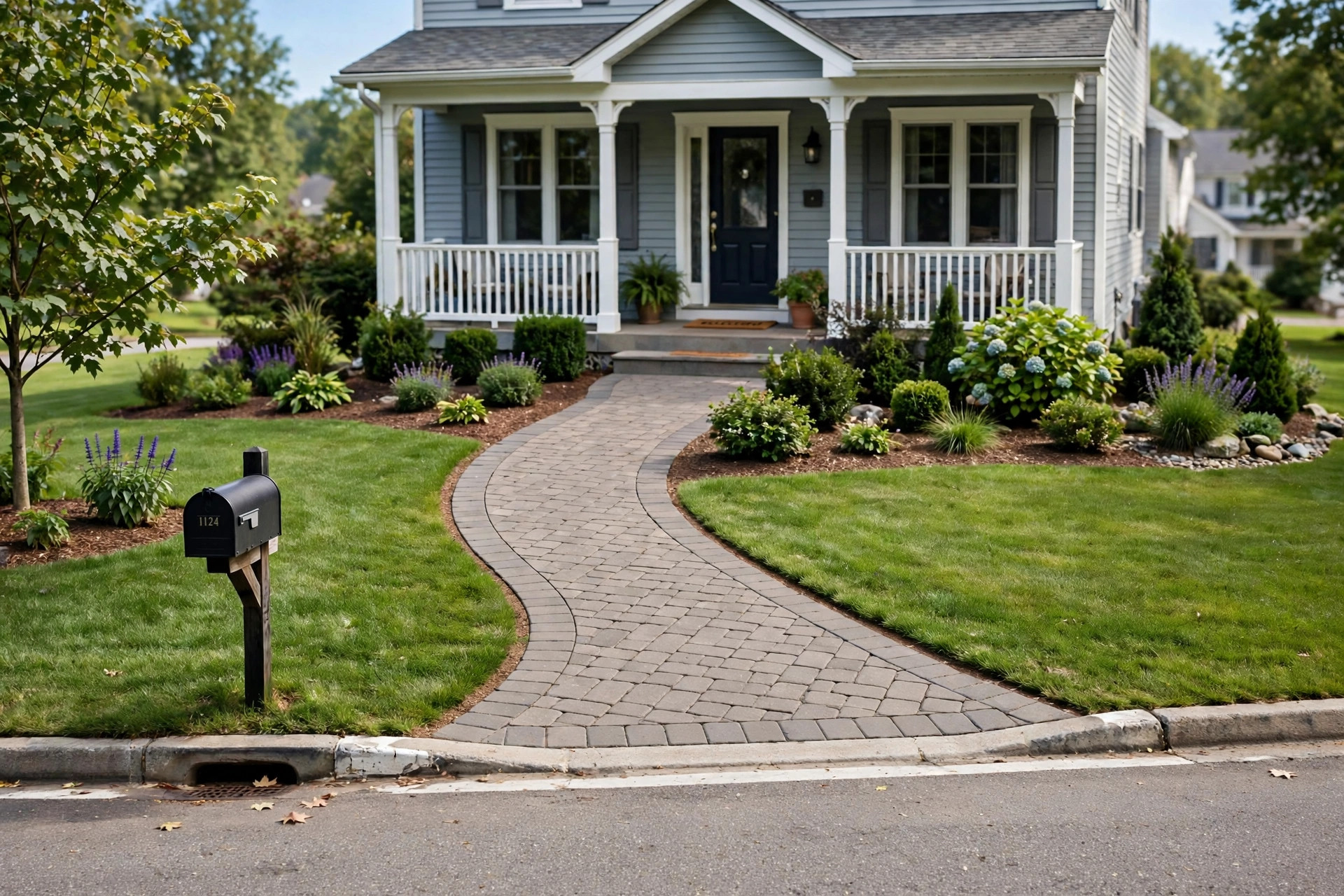
A new walkway can change the way a home looks and feels. This paver walkway installation cost guide usa will walk you through the main costs, one step at a time. You will learn what drives the price, what types of pavers are common, and how to keep costs fair. The goal is simple. You should be able to plan a walkway project with a clear head and a steady budget.
A walkway is more than a path from the street to the door. It is one of the first things a guest sees. It sets the tone for the whole house. A cracked or uneven path can make even a fine home look tired. A neat paver walkway does the opposite. It gives the home a clean edge and a sense of care. For that reason, many owners put a walkway high on the list when they fix up the front yard.
Cost is the first question most people ask. It is a fair question. Prices for paver walkways range from modest to high, and the range can confuse anyone. This guide keeps things plain. It gives real numbers, explains what goes into them, and points out where you can save without cutting corners.
Why It Matters: Paver Walkway Installation Cost Guide Usa
First Impressions
The front of a home speaks first. A walkway is part of that first speech. Realtors have long said that curb appeal moves buyers. A tidy paver walkway shows that the home has been kept well. It suggests that the rest of the house has been cared for too.
Safety and Use
A walkway is also a matter of safety. Old paths shift with time. Tree roots push slabs up. Soil settles and leaves low spots. The result can be a trip hazard. Pavers, when set right, stay level for many years. Each stone can be lifted and reset if it moves. That makes repair easy and cheap.
Value Over Time
A well-built walkway lasts a long time. Concrete pavers often last twenty-five to fifty years. That is a long service life for the money. A poured concrete slab may crack over the same years. When it cracks, the whole slab may need work. Pavers spread the risk across many small stones. This long life helps the cost make sense.
How to Choose a Paver Walkway
Think About the Path
Start with the path itself. Where do people walk today? Watch the ground on a rainy day. Footprints tell the truth. The walkway should follow the natural line of foot traffic. A short straight path is cheapest. A curved path costs more but looks better. Curves need more cuts and more labor.
Check the Ground
Soil matters more than most owners think. Soft or wet soil needs a deeper base. A deep base costs more. It also keeps the walkway level for years. Sandy soil drains well and is easy to work with. Clay soil holds water and moves with frost. In cold states, a deeper base is a must. Ask your builder about the soil on your lot.
Get More Than One Bid
Never take the first price you hear. Ask at least three local builders for a written bid. Each bid should list the same work. That makes the bids easy to compare. Ask each builder how long the job will take. Ask what base depth they will use. Ask what kind of edge they will install. The answers tell you who knows the trade.
Check References
A good builder has happy past customers. Ask for names and phone numbers. Call them. Ask if the job finished on time. Ask if the final price matched the bid. Ask if the walkway still looks level. This step takes one hour. It can save you much trouble.
Types of Pavers
Concrete Pavers
Concrete pavers are the most common choice in the USA. They come in many shapes and colors. Some look like brick. Some look like cut stone. They are strong and last a long time. They are also the most budget friendly in most markets. For most homes, concrete pavers are the wise pick.
Clay Brick Pavers
Clay brick pavers have a warm, old-world look. They keep their color for decades because the color runs through the whole brick. They cost more than concrete pavers. They also take more skill to lay well. They suit homes with a classic or colonial style.
Natural Stone
Natural stone includes bluestone, flagstone, and travertine. Each piece is unique. That is the appeal. No two walkways look the same. Stone costs the most of the three types. It also needs a skilled crew. The look is hard to match with man-made products.
Permeable Pavers
Permeable pavers let water pass through the joints. They are a good fit where rain runoff is a problem. Some towns give fee breaks for permeable paving. They cost more than standard pavers. They also need a special base of crushed stone. If your town has strict storm water rules, ask about them.
Sizes and Patterns
Pavers come in small and large sizes. Small pavers in a herringbone pattern give a classic look. Large square pavers give a modern feel. Patterns do not change the price much. Labor for complex patterns can cost a bit more. Pick the pattern that fits your home.
Cost and Price
Cost Per Square Foot
The most common way to price a paver walkway is by the square foot. In most parts of the USA, installed cost runs from about ten dollars to about twenty dollars per square foot. Basic concrete pavers on easy ground sit near the low end. Brick or stone on hard ground sits near the high end. Some high-end stone jobs can pass twenty dollars per square foot.
To use these numbers, measure your walkway. A walk of four feet wide and twenty-five feet long is one hundred square feet. At fifteen dollars per square foot, the job costs about fifteen hundred dollars. This is a rough guide, not a firm bid. Local prices move with labor rates and material supply.
Material Costs
Materials are a large part of the bill. Concrete pavers cost about three to six dollars per square foot for the pavers alone. Brick pavers cost about six to ten dollars per square foot. Natural stone can cost ten dollars or more per square foot for material alone. Base material, sand, and edge restraint add more. A good base is not the place to save money.
Labor Costs
Labor often makes up about half the total cost. A crew digs out the old path, sets the base, lays the pavers, and fills the joints. A small walkway may take two or three days. A long or curved walkway can take a week. Labor rates differ by region. Rates in the Northeast and West Coast tend to run high. Rates in the South and Midwest tend to run lower.
Site Conditions
The site can push the price up or down. Easy sites save money. Flat ground with good soil is easy. Hard sites cost more. Old concrete that must be torn out adds cost. Tree roots that must be cut add cost. Poor drainage that needs a new drain adds cost. A builder should visit the site before giving a firm price.
Extras That Add Cost
Some extras are worth it. A deeper base in frost zones is worth it. Polymeric sand in the joints keeps weeds out and is worth it. Landscape lighting along the path adds cost but looks fine at night. Plan these extras in the bid, not after the job starts. Late changes always cost more.
DIY Versus Hired Work
Some owners lay their own pavers to save money. A small, simple walkway is a fair DIY project if you are handy. You still need the right base and the right tools. A plate compactor is a must. Most tool rental shops carry one. For long or curved walks, hire a pro. The skill shows in the final lines and levels.
Care and Upkeep
Sweeping and Washing
A paver walkway asks for little care. Sweep it now and then. Wash it once or twice a year with a garden hose. A mild soap helps with stains. Do not use a pressure washer at full blast. Too much pressure can wash the joint sand out. Use a low setting and keep the nozzle moving.
Joint Sand
The sand between the pavers does real work. It locks the stones together. Over time, rain and wind wear it down. Check the joints each spring. If the sand looks low, sweep in more. Polymeric sand lasts longer than plain sand. It costs more but needs less touch-up.
Stains and Weeds
Oil drips and rust can stain pavers. Clean spills soon. A mix of dish soap and warm water handles most stains. Weeds may grow in the joints. Pull them by hand when they are small. A weed barrier under the pavers helps. So does polymeric sand. Avoid harsh weed killers near lawns and flower beds.
Winter Care
In snow states, use care with de-icing salt. Rock salt can wear on some pavers. Calcium magnesium acetate is gentler. Shovel with a plastic blade if you can. Metal blades can chip paver edges. These small steps keep the walkway neat for years.
Resealing
Many owners seal their pavers every three to five years. Sealer deepens the color and blocks stains. It is not required. Some prefer the natural weathered look. If you do seal, pick a sealer made for pavers. Follow the label. Seal on a dry day with no rain in the forecast.
Safety
Trip Hazards
The main safety job of a walkway is to stay level. Walk the path twice a year. Look for stones that have sunk or risen. Small moves are normal. Reset any paver that sticks up more than a quarter inch. A reset is a small job when caught early.
Night Visibility
Falls happen more at night. Good lighting helps. Low path lights on each side of the walk make the edges clear. Solar lights are easy to add. Wired lights are brighter and more steady. Either way, light the steps and turns first.
Ice and Wet Leaves
Wet leaves are slick. Sweep them off the path in the fall. In winter, clear snow soon after it falls. Ice melt on the path makes winter safer. Keep a bag near the door so the job is easy.
Load and Edges
Walkways carry foot traffic only. Do not drive trucks or heavy equipment over a walkway. The weight can crack pavers and crush the base. Keep the edge restraint in place. It holds the whole path together. If you see the edge lifting, fix it soon.
Frequently Asked Questions
How much does a paver walkway cost?
For most USA homes, a paver walkway costs about ten to twenty dollars per square foot installed. A small front walk of one hundred square feet often runs between one thousand and two thousand dollars. Brick and natural stone cost more. Always get a written bid for your site.
How long does installation take?
A small straight walkway often takes two to three days. A long or curved walkway can take a week or more. Rain and bad soil can add days. Your builder should give you a schedule in writing.
How long do paver walkways last?
Concrete pavers often last twenty-five to fifty years with basic care. Brick can last even longer. The base does most of the work. A deep, well-packed base keeps the surface level for decades.
Can I install a paver walkway myself?
Yes, if the walk is small and simple and you are handy. You will need to dig, set a gravel base, compact it, lay sand, and set the pavers. Rent a plate compactor. For long or curved walks, most owners are happier with a pro.
What is the best base for pavers?
A crushed stone base four to six inches deep is standard for walkways. In cold climates, six to eight inches is common. The base must be packed firm in thin layers. On top of the base goes one inch of coarse sand for bedding.
Do pavers need to be sealed?
No, sealing is a choice, not a rule. Sealer makes colors richer and blocks stains. Unsealed pavers weather to a softer look. If you seal, redo it every three to five years for best results.
A Final Word
A paver walkway is one of the fairest upgrades a homeowner can buy. The cost is clear. The work is honest. The result lasts for decades. Take your time with the plan. Measure the path. Get three bids. Pick a builder you trust. Then enjoy the walk to your front door for many years to come.
If your project touches other parts of the yard, plan them together. A retaining wall next to the walk may share the same crew and save money. An old concrete driveway near the path may need care at the same time. And if you see cracks in the foundation while digging near the house, have them checked before you pave over the area.
For more background on pavers and outdoor projects, the big home improvement sites keep useful guides. The Home Depot paver section lists common paver types and sizes. Lowe’s carries a wide range of patio and walkway products. This Old House has long covered masonry and hardscape work in plain terms. Bob Vila offers step by step advice for owners who like to learn the trade. The Family Handyman site is a good place to study the DIY side of the work. The Spruce covers design ideas for paths and yards. Consumer Reports rates tools you may rent or buy for the job. Energy Star is worth a look if you add outdoor lighting to the path. Siding and trim makers like James Hardie and CertainTeed show how the walkway can match the rest of the home exterior.
References
Bob Vila. (n.d.). Home improvement advice. https://www.bobvila.com CertainTeed. (n.d.). Building materials and exterior products. https://www.certainteed.com Consumer Reports. (n.d.). Product reviews and ratings. https://www.consumerreports.org ENERGY STAR. (n.d.). Energy efficient products. https://www.energystar.gov Family Handyman. (n.d.). DIY home repair and maintenance. https://www.familyhandyman.com James Hardie. (n.d.). Fiber cement siding and exterior products. https://www.jameshardie.com Lowe’s. (n.d.). Home improvement products. https://www.lowes.com The Home Depot. (n.d.). Home improvement products. https://www.homedepot.com The Spruce. (n.d.). Home and garden advice. https://www.thespruce.com This Old House. (n.d.). Home renovation guidance. https://www.thisoldhouse.com
Was this guide helpful?

About Sarah Mitchell
The My Garden US editorial team writes practical, in-depth home and garden guides for American homeowners — tested advice, no fluff.
You May Also Like
Best Wood Siding Replacement for Homeowners: A Complete Guide
August 23, 2026 0 views
Where to Buy Double Hung Windows in Texas: A Complete Guide
May 16, 2026 0 views
Durable Soffit and Fascia Repair Near Me: A Plain Guide for Homeowners
April 14, 2026 0 views