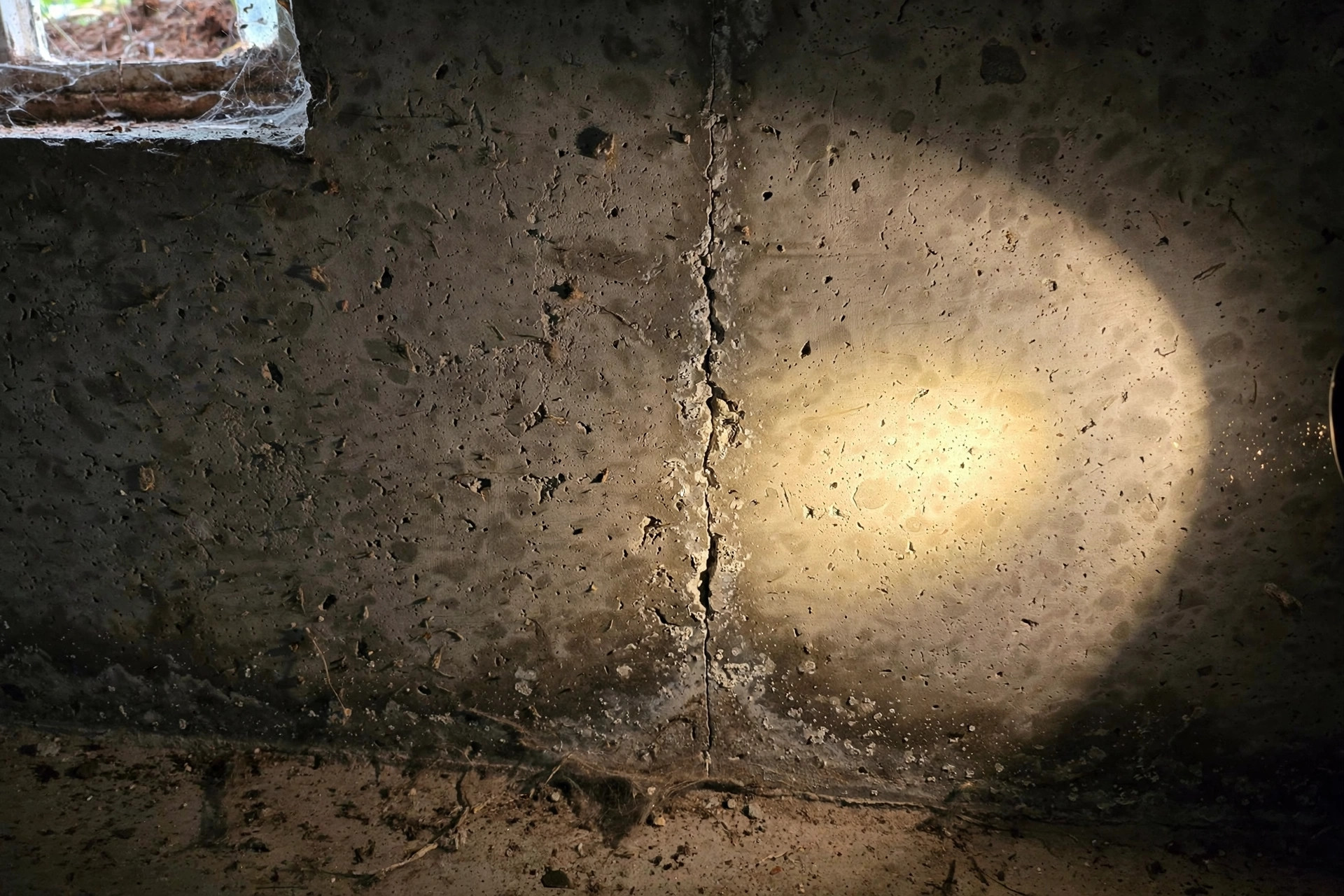
Every house rests on its foundation. When a crack appears in that foundation, the homeowner faces a real question: is it serious, and what will the fix cost? This foundation crack repair cost guide usa will walk through the prices you can expect, the kinds of repairs contractors offer, and the signs that tell a small crack from a large one. Read on before you call a company, so you can speak with confidence and avoid paying too much.
Why Foundation Cracks Matter
A crack in a foundation wall can be a simple surface mark, or it can be a sign that the house is moving. Hairline cracks often form as new concrete cures and shrinks. These are common and usually harmless. Wider cracks, cracks that grow, and cracks that let water in need real attention.
Water is the main enemy. A crack lets rain and ground water reach into the basement or crawl space. Damp walls lead to mold. Mold brings health problems and repair bills of its own. Left alone, a wide crack can let soil pressure push the wall inward. That kind of movement is costly to fix.
The wise course is simple. Look at the crack. Measure it. Watch it over a few weeks. Then decide on a repair before the next heavy rain makes the problem worse.
What to Look for Before You Spend a Dollar: Foundation Crack Repair Cost Guide Usa
Walk around the house, inside and out. Note where the crack is and which way it runs.
Vertical cracks run up and down the wall. These are the most common. Thin vertical cracks, less than one eighth of an inch wide, are often just shrinkage cracks. They can be sealed with little trouble.
Horizontal cracks run along the wall. These are more serious. They often mean that soil outside the wall is pressing in. A horizontal crack in a block wall deserves a prompt call to a structural expert.
Diagonal cracks run at an angle. A thin diagonal crack near a window or door corner is often normal settling. A wide diagonal crack, or one that keeps growing, points to uneven settling of the footing.
Also look for water marks. A dark stain along the crack means water is passing through. Look for white chalky crust, called efflorescence. The Spruce describes these signs in plain terms for homeowners. These clues help you describe the problem when you get price quotes.
Common Repair Types and Their Costs
Prices differ by state, by city, and by the depth of the work. Still, national averages give a fair starting point.
Epoxy Injection
Epoxy injection is the most common fix for thin cracks in poured concrete walls. A contractor drills small ports along the crack and pushes epoxy into the gap. The epoxy fills the crack from the inside out and bonds the concrete back together. The repair is strong and stops water.
Typical cost: 350 to 800 dollars per crack. Most simple jobs finish in a few hours.
Polyurethane Foam Injection
Polyurethane foam works much like epoxy, but the foam expands as it cures. It is good for cracks that shift a little with the seasons. It also seals well against water. Many basement waterproofing firms use this method as their standard fix.
Typical cost: 300 to 700 dollars per crack. It is often the low-cost option that lasts.
Hydraulic Cement and Sealant
For very small cracks, a contractor may chip the crack into a small V groove and press hydraulic cement into it. This is a surface repair. It works on cracks that are not moving and not leaking. Some homeowners do this as a stopgap before a full injection repair.
Typical cost: 200 to 400 dollars per crack when done by a pro, or under 50 dollars in materials for a careful do-it-yourselfer.
Carbon Fiber Straps
Carbon fiber straps are glued along a wall that is bowing or cracking from soil pressure. The straps hold the wall in place and stop further movement. They do not push a bowed wall back, but they keep it from getting worse.
Typical cost: 500 to 800 dollars per strap. A wall may need several straps.
Steel Beam Bracing
Steel I-beams are set against a wall that has bowed inward. The beams are bolted to the footing and the floor joists above. This is a strong fix for walls that have moved too far for straps alone.
Typical cost: 1,000 to 2,000 dollars per beam. A full wall can run 5,000 to 10,000 dollars.
Exterior Excavation and Waterproofing
The most thorough fix is done from the outside. Crews dig down along the foundation, clean the wall, fill the crack, and apply a waterproof membrane. A drainage board and new drain tile may go in at the same time. This stops water at the source.
Typical cost: 5,000 to 15,000 dollars, depending on depth and length. Deep basements and long walls cost more.
Piering and Underpinning
When the footing itself is settling, the fix goes deeper. Steel or concrete piers are driven into stable soil below, and the foundation is lifted back to level. This is a major job and needs an engineer in most areas.
Typical cost: 1,000 to 3,000 dollars per pier. Most homes need eight to twelve piers, so total bills often land between 10,000 and 30,000 dollars.
Cost and Price: Putting It Together
Small jobs cost hundreds. Large jobs cost tens of thousands. The spread is wide because the causes are wide. A hairline crack sealed with epoxy is a minor expense. A settling corner that needs piers is a major project.
Get at least three written bids. Ask each company to list the repair method, the materials, the labor hours, and the warranty. A bid that only says “fix crack” tells you nothing. A bid that names epoxy injection, lists the number of cracks, and gives a ten-year warranty tells you a lot.
Also ask what the price does not cover. Some firms charge extra to move shrubs, haul soil, or patch drywall after an interior repair. Know the full bill before work starts. For similar exterior repair pricing, readers often compare this with the stucco exterior repair cost guide usa and the vinyl siding installation cost guide usa, which cover other common outer-wall expenses. Exterior product makers such as James Hardie and CertainTeed also publish guidance on siding and wall systems.
Labor rates shape the final number. In the Northeast and on the West Coast, rates run high. In the South and Midwest, the same job may cost a third less. Travel time matters too. A firm that drives an hour each way may add a trip charge.
How to Choose the Right Contractor
Foundation work is not the place to hire the cheapest bid by reflex. Look for a firm that focuses on foundations and basement waterproofing, not a general handyman. Ask how many years they have done this work. Sites like Bob Vila and Family Handyman publish checklists that help homeowners vet contractors. Guides from This Old House also walk through what a sound foundation repair bid should contain. Ask for the names of past customers in your town.
Check the license. Most states require a contractor license for foundation repair. Ask for proof of insurance. A worker hurt on your property without insurance can become your problem.
Read the warranty. A lifetime warranty that only covers the company staying in business is weak. Look for a written warranty that spells out what is covered and for how long. A ten-year warranty on injection work is common and fair.
Get a structural engineer for the big questions. If the wall is bowing, if cracks are wide, or if doors and floors are shifting, pay an engineer for an hour of time. An engineer has no repair to sell you. The report will tell you what the fix must be, and you can hand it to contractors for honest bids.
Care and Upkeep After the Repair
A repaired crack is only as good as the water control around it. Keep gutters clean. Direct downspouts at least six feet from the house. Slope the soil away from the foundation so rain runs off, not toward the wall.
Check the repair once a season. Look for new stains or new cracks nearby. An old house moves with the weather. Catching a new crack early keeps it a small bill.
If your area gets heavy rain, keep an eye on drainage around the house. This is where good gutters pay for themselves; many homeowners also review top rated gutter installation services reviews when planning water control.
Safety Notes
Never enter a crawl space or trench that is not shored. Soil can cave in without warning. Leave excavation work to insured crews.
Wear gloves, eye protection, and a dust mask when you clean or prep a crack yourself. Epoxy and hydraulic cement irritate skin and lungs. Work in a ventilated area.
Do not ignore a crack that is growing fast. A wall that bulges or a floor that drops is an emergency. Call a structural engineer right away and keep people away from the area.
Frequently Asked Questions
How much does foundation crack repair cost on average?
Most simple repairs cost 300 to 800 dollars per crack. Larger structural work, such as steel bracing or piering, can run 5,000 to 30,000 dollars. The price depends on the crack type, the repair method, and local labor rates. Use this foundation crack repair cost guide usa as a starting point, then get local bids for your exact case.
Are small foundation cracks normal?
Yes. Thin hairline cracks are common in concrete walls, especially in the first few years after a home is built. They come from shrinkage as the concrete cures. They rarely affect strength. Still, seal them if they let water in.
Can I repair a foundation crack myself?
Very small, dry, hairline cracks can be sealed with a do-it-yourself epoxy kit from a home store like Home Depot or Lowe’s. Follow the instructions and wear protection. Anything wider than one eighth of an inch, anything leaking, or any horizontal crack should be handled by a professional.
Will homeowners insurance cover foundation crack repair?
Usually not. Most policies cover sudden damage, such as a burst pipe, but not settling, soil pressure, or poor drainage. Read your policy and call your agent. If the crack came from a covered event, you may have a claim.
How long does foundation crack repair take?
A simple injection job takes a few hours. Carbon fiber strap work takes a day. Exterior excavation takes several days. Piering can take a week or more. Ask the contractor for a written schedule before work begins.
How long does the repair last?
Epoxy and polyurethane injection repairs often last for decades when the wall is stable. Carbon fiber straps and steel beams are long-term fixes. Exterior waterproofing lasts many years if drainage is maintained. The warranty length is a good clue about how long the firm expects the fix to hold.
A Final Word
A foundation crack is a message from your house. Most messages are small and cheap to answer. A few are urgent. This foundation crack repair cost guide usa gives you the price ranges and the know-how to tell them apart. Look at the crack, learn its type, and get honest bids from licensed firms. Handle water first, fix structure second, and check your work each season. Do that, and your home will stand sound for many years to come.
References
Bob Vila. (n.d.). Home improvement advice. https://www.bobvila.com CertainTeed. (n.d.). Building materials and exterior products. https://www.certainteed.com Family Handyman. (n.d.). DIY home repair and maintenance. https://www.familyhandyman.com James Hardie. (n.d.). Fiber cement siding and exterior products. https://www.jameshardie.com Lowe’s. (n.d.). Home improvement products. https://www.lowes.com The Home Depot. (n.d.). Home improvement products. https://www.homedepot.com The Spruce. (n.d.). Home and garden advice. https://www.thespruce.com This Old House. (n.d.). Home renovation guidance. https://www.thisoldhouse.com
Was this guide helpful?

About Michael Thompson
The My Garden US editorial team writes practical, in-depth home and garden guides for American homeowners — tested advice, no fluff.