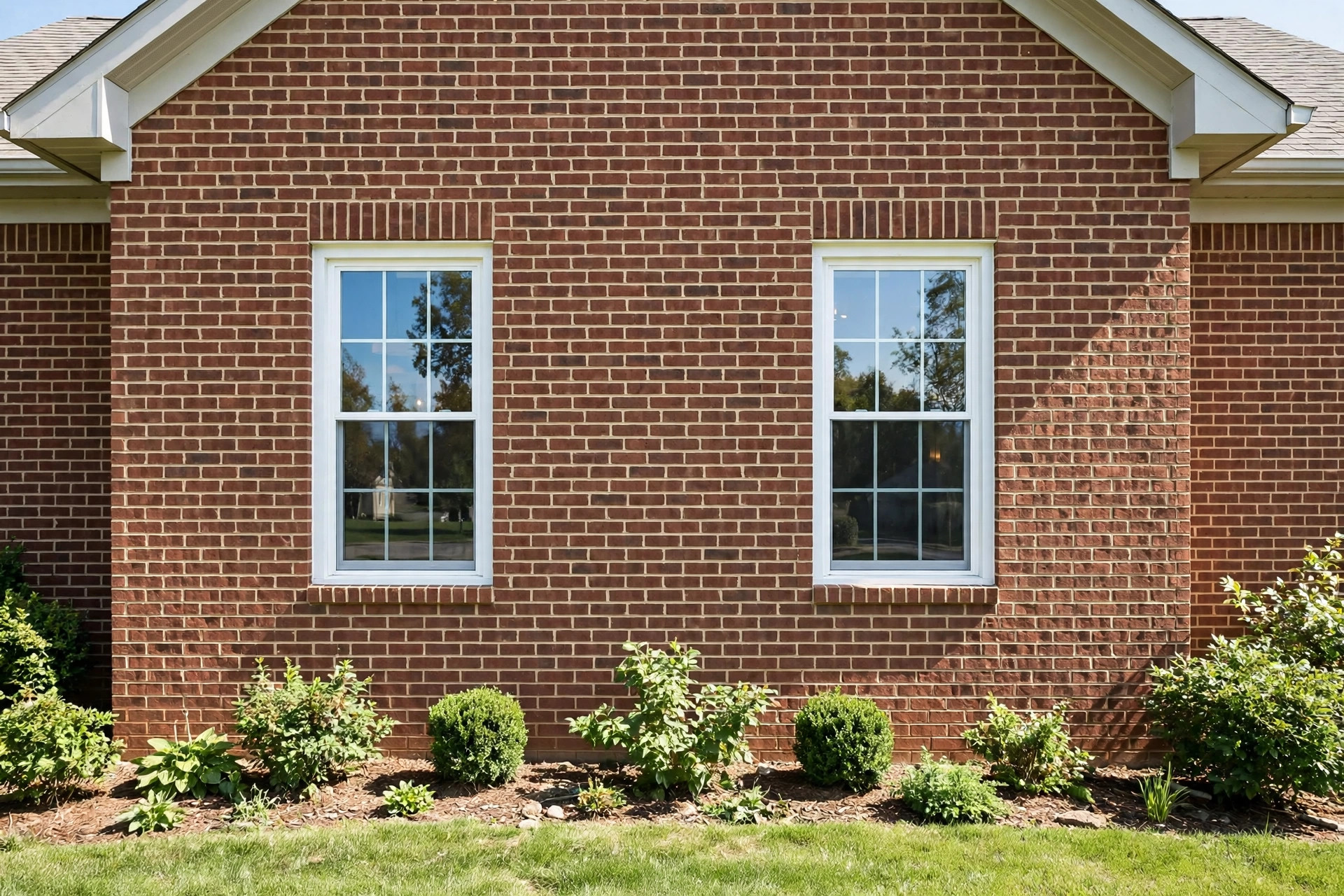
Shoppers who look for top rated brick veneer siding for usa homes want the same thing people have always wanted: a house that looks like real brick but costs less than full brick walls. Brick veneer is a thin skin of real brick or brick-like panels that sits in front of the house frame. It is not the same as a solid brick wall. It carries no weight of the roof. It is a facing. But to the eye, it is brick, and that is the whole point.
Americans have trusted brick for more than two hundred years. It reads as strong, settled, and permanent. A home with a brick face sells better in most markets, and it weathers time with grace. Veneer makes that look available to the ordinary frame house. This guide explains what it is, how to judge quality, what it costs, and how to keep it in good order.
Why Brick Veneer Matters
A house front is the face a family shows to the street. Brick carries weight in the mind of a buyer. Real estate agents have long said that a brick front raises what a house can ask. The veneer version gives most of that lift at a fraction of the price.
There is a practical side too. Brick does not rot. It does not feed termites. It stands up to hail and to the small blows of daily life better than thin vinyl or plain wood. A brick veneer wall, set with a proper air gap behind it, sheds rain away from the sheathing of the house. In the South, it reflects heat in a way that light stucco cannot match. In the North, it anchors the base of a home against driving snow and road salt.
Top rated brick veneer siding for usa homes matters most because climates differ so much across this country. A product that holds up in dry Arizona heat may suffer in Maine winters where water freezes inside the brick. The best choices are the ones proven in the region where the house stands.
What to Look for When You Choose: Top Rated Brick Veneer Siding for Usa Homes
The first rule is simple: choose real clay brick when the budget allows. Thin brick, cut from real kiln-fired clay, is the top of the line. It has the same color, texture, and strength as full brick. It weathers the same way. It can last as long as the house itself.
The second thing to look for is a maker’s name with a record. CertainTeed and James Hardie are two makers whose names appear again and again in exterior work, and their warranties and testing records are worth reading before you sign. A thin brick from a firm with fifty years behind it is a safer bet than a no-name panel sold only online.
Look next at freeze-thaw ratings. Brick sold in the United States is rated for the weather it can take. In cold country, ask for brick rated for severe weathering. The seller should know what that means. If the seller does not know, find another seller.
Check the back of the panel if you are buying panel systems rather than loose thin brick. A good panel has a strong base, even edges, and mortar grooves that take mud without crumbling. Hold a sample in your hand. It should feel solid and show a clean face.
Color choice is not a small thing. Brick colors shift in different light. Take samples home and look at them in morning sun and in evening shade. A color that looked warm in the store can turn pink or orange on a wall. Many guides from The Spruce and Bob Vila advise living with samples for a few days before you decide.
Types and Options
Brick veneer comes in three main forms, and each fits a different need.
Thin brick. These are real bricks sliced thin, about half an inch to three-quarters of an inch thick. They are set in mortar on a wall just like tile. They weigh far less than full brick but they are real clay. This is the top rated choice of masons and the one most likely to raise home value. Installation takes skill and time.
Brick veneer panels. These are sheets, usually four feet by eight feet, with a brick pattern pressed or molded into the face. Some are made of concrete board, some of polymer. They go up fast and cost less. The look can be good from the curb, but up close most people can tell it is not real brick. For a budget job or a small area like a porch column, panels can serve.
Faux brick siding. These are molded polymer or fiber cement pieces that imitate brick courses. They are the lightest and the cheapest. They do not chip like clay, but they can fade in strong sun, and a sharp blow can crack them. They belong on walls that take little wear.
A fourth point worth noting: some homes mix veneer brick with other siding. A brick front with fiber cement or wood on the sides is common and can cut the bill in half while keeping the curb appeal where it counts.
Cost and Price
Cost is the question every buyer asks first, and the honest answer is that it depends on the form and the region. Loose thin brick set by a mason is the dearest. Panels and faux brick cost far less. Big-box sellers such as Home Depot and Lowe’s list panels at prices a homeowner can compare at home, which helps set a budget.
As a rough guide for 2026, expect installed thin brick veneer to run from the low teens to the high twenties per square foot, depending on the state and the mason. That figure includes the brick, the mortar, the metal ties, the flashing, and the labor. Panel systems often land at a third to a half of that installed cost.
Get three written bids. Ask each bidder the same questions: what brick, what mortar mix, how the water is drained behind the veneer, and what warranty the maker gives. A bid that is much lower than the others often leaves something out. The cheapest bid can become the dearest job once repairs start.
Do not forget the hidden costs. Old siding may need removal. Trim and windows may need new flashing. A structural check may be needed where the wall meets the foundation. Add ten percent to the highest bid as a cushion, as old houses always hide surprises.
Care and Upkeep
One reason people love brick is that it asks for little. Still, little is not nothing.
Wash the wall once a year with a garden hose and a soft brush. Dirt and pollen stain the mortar more than the brick. For heavier grime, many owners search for top rated house power washing services near me and ask whether the firm soft-washes brick.
Look at the mortar joints every spring. Hairline cracks are common and harmless. Joints that are crumbling or missing chunks need repointing, which means cutting out the bad mortar and packing in fresh. A mason can do a wall section in a day or two.
Check the weep holes at the base of the wall. These are small gaps that let water drain out from behind the veneer. Painters and landscapers sometimes fill them by accident. They must stay open.
Keep bushes and mulch away from the base. Soil piled against brick holds damp against the wall. A few inches of clearance is enough. Gutters should throw water clear of the wall, not down its face.
Painting brick is a choice some owners make, but it is nearly forever. Paint traps moisture in the brick and can cause the face to peel in a few years. If you want a new color, a masonry stain is the kinder choice.
Safety
Brick veneer is a heavy facing on a light frame, so the way it is tied to the house matters for safety. Metal wall ties connect the veneer to the wood or steel behind it. If ties are spaced too far apart or made of cheap metal that rusts, a section of veneer can bow outward over time. This is rare in new work done to code, but it is why you hire a licensed mason and not a handyman.
In earthquake country, veneer must be anchored to code standards that allow the frame to move. In hurricane zones, the veneer must handle wind-driven rain, and the flashing above windows and doors must be sealed tight. Your local building office can tell you what your zone requires. Permits exist to keep people safe; get them.
Working with brick dust is a safety point for the do-it-yourself crowd. Cutting brick throws up silica dust, which harms lungs. A proper respirator, not a paper dust mask, is needed. Wet cutting keeps dust down. Mortar is alkaline and burns skin; wear gloves.
Ladders and scaffolds around a veneer job need care. The wall is not yet tied in during the work, and leaning a heavy ladder against fresh veneer can shift it. Let the mason set his own staging.
Frequently Asked Questions
Is brick veneer as strong as real brick? Not in the same way. A solid brick wall carries the house. Veneer is a facing carried by the frame. But for weather, fire, and looks, good thin brick veneer is close to the real thing and lasts as long with proper care.
How long does brick veneer last? Thin clay brick veneer can last fifty years or more. The mortar may need repointing after twenty-five or thirty years. Panel and faux systems last less, often twenty to thirty years before fading or cracking shows.
Can I install brick veneer myself? Panels are made for skilled do-it-yourselfers. Thin brick set in mortar is mason’s work. A poor mortar job lets water in, and water behind veneer is the start of rot. Most owners do better hiring out. Guides at This Old House and Family Handyman show what the job takes so you can judge your own skill.
Does brick veneer add value to a home? In most markets, yes. Appraisers and agents credit brick fronts. The lift is strongest where brick is traditional, such as the South and Midwest. Keep the receipts from the job; they help at resale.
Does veneer brick need a foundation ledge? Thin brick panels can be glued or screwed to sheathing. Loose thin brick is often set on a ledge or angle iron bolted to the foundation. Your mason will decide based on the product and the local code.
What goes with brick veneer on the rest of the house? Many owners pair a brick front with matching trim and updated entryways. If you plan professional grade exterior door replacement for homeowners or a new deck, comparing pressure treated lumber decking price comparison usa can help you plan the whole front at once.
A Final Word
Top rated brick veneer siding for usa homes is not a mystery product. It is brick, made thin, put on a frame house with care. Choose real clay when you can. Hire a mason with a name and a license. Mind the water, keep the joints sound, and the wall will serve your family for decades. A brick front has pleased American eyes for generations, and there is no sign that will change.
References
Bob Vila. (n.d.). Home improvement advice. https://www.bobvila.com CertainTeed. (n.d.). Building materials and exterior products. https://www.certainteed.com Family Handyman. (n.d.). DIY home repair and maintenance. https://www.familyhandyman.com James Hardie. (n.d.). Fiber cement siding and exterior products. https://www.jameshardie.com Lowe’s. (n.d.). Home improvement products. https://www.lowes.com The Home Depot. (n.d.). Home improvement products. https://www.homedepot.com The Spruce. (n.d.). Home and garden advice. https://www.thespruce.com This Old House. (n.d.). Home renovation guidance. https://www.thisoldhouse.com
Was this guide helpful?

About James Carter
The My Garden US editorial team writes practical, in-depth home and garden guides for American homeowners — tested advice, no fluff.