
Why So Many Colorado Homes Use Motion Sensor Flood Lights
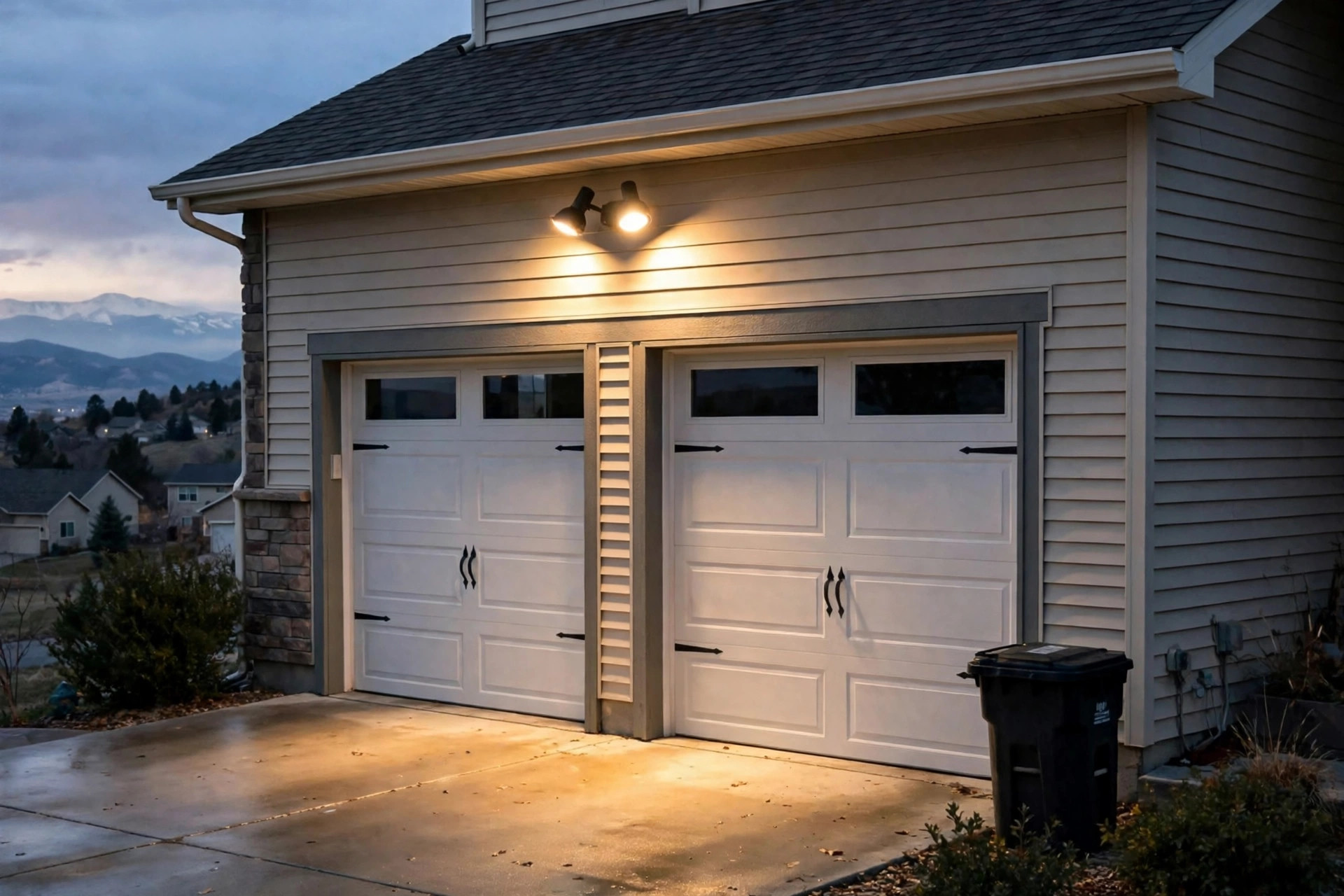
A bright light that turns on by itself can change how safe a home feels at night. If you plan to buy motion sensor flood lights online in colorado, you will find that online shops carry a wide range of models made for mountain weather, dry wind, and long cold nights. A motion sensor flood light is a lamp that watches for movement and switches on for a short time. It sits over a garage, a back door, or a driveway. When a person or a car passes, the light comes on. After a set number of minutes, it goes off again.
Colorado has its own reasons for this kind of light. Winter nights are long, and ice forms early on driveways and steps. A light that comes on when you pull in keeps you from walking blind across a dark yard. Wildlife is another reason. Deer, raccoons, and bears wander through towns near the mountains. A sudden bright light sends most of them off before they reach your trash cans. Energy saving is a third reason. The lamp stays off most of the night and only burns power when it is needed. That matters when power prices climb in winter.
Shopping online has become the common way to buy these lights. Local stores in small Colorado towns may keep only two or three models on the shelf. Online stores show dozens, with full specs, customer reviews, and clear prices. You can compare lumens, range, and warranty from your kitchen table, with help from buying guides at The Spruce and product roundups at Bob Vila. Delivery trucks reach almost every address in the state, even in the foothills. The guide below walks you through every choice, step by step, so you can buy with care and avoid costly mistakes.
What to Look for When You Choose: Buy Motion Sensor Flood Lights Online in Colorado
Brightness and Range
Brightness is measured in lumens. A small porch light may give 700 lumens. A strong driveway flood light may give 3,000 lumens or more. For a normal garage or back door in Colorado, 1,500 to 2,500 lumens is a good middle range. Too little light leaves dark corners. Too much light blinds you and annoys your neighbors. Mount the light 8 to 12 feet high for the best spread. The motion sensor range should match the area. Most sensors reach 30 to 50 feet. Check the detection angle too. A 180-degree sensor covers a wide yard. A 110-degree sensor is enough for a narrow walkway. Many buyers refresh the whole front of the house at once and pair new lights with top-rated insulated garage doors for a safer, tighter entry.
Power Source
Hardwired lights tie into your home wiring. They give the most steady power and the brightest output. They work well when you already have wiring at the spot where the light will hang. Solar lights need no wiring at all. They charge by day and run by night. Solar models have improved, but Colorado winters bring short days and deep snow. A solar panel buried under snow will not charge. Battery lights sit between the two. They are easy to mount but need fresh batteries every few months. If you want full brightness through January, hardwired is the safe pick. If you plan to run new wire, the outdoor wiring guides at This Old House help you understand what the job involves before an electrician arrives.
Weather Rating
Colorado weather is rough on outdoor gear. Look for a rating of IP65 or higher. IP65 means the light stands up to dust and driving rain. That matters on the Front Range, where wind blows hard and storms hit fast. The housing should be metal, not thin plastic. Metal stands up to hail and summer sun. Check the working temperature range on the box. Some cheap lights fail at 10 degrees below zero. Colorado nights can drop well below that. A model rated for minus 20 degrees or lower will last longer.
Types and Options
Dual-head flood lights are the classic style. Two lamp heads sit on a bar under a small sensor box. You can aim each head in a different direction. That lets one fixture cover a driveway and a side gate at the same time. Single-head lights are smaller and suit porches and small patios. All-in-one LED units pack the sensor, lamp, and housing into one smooth case. They look clean on newer homes.
Smart flood lights connect to your home Wi-Fi. They send an alert to your phone when they turn on. You can change the brightness and timer from an app. Some pair with doorbell cameras. Smart models cost more and need a strong Wi-Fi signal where they hang. Renters in multi-unit buildings should check professional-grade exterior lighting fixtures made for shared entries and rental rules. Standard motion lights have no app and no Wi-Fi. They cost less and have fewer parts that can break.
Bulb type matters as well. LED flood lights use far less power than old halogen units and run much cooler. The ENERGY STAR program backs LED as the efficient choice for outdoor lighting. Halogen models are rare now, but some old stock still shows up in online listings. Stick with LED. The bulbs last for years and the light is bright from the first second, even in cold air.
Before you buy motion sensor flood lights online in colorado, think about where each light will go. A light over the garage needs wide coverage. A light by the back door needs a shorter range so it does not trip every time a cat walks by. Sketch a simple map of your yard on paper. Mark the dark spots. That sketch will tell you how many lights you need and where they should aim.
Cost and Price
Prices vary with features. A basic single-head LED motion light costs between $20 and $40. A strong dual-head hardwired unit runs from $50 to $120. Smart flood lights with cameras cost $150 to $300 or more. When you buy motion sensor flood lights online in colorado, watch for shipping fees. Some sellers ship free, and some add $10 or more per box. Compare current shelf prices at The Home Depot and Lowe’s before you commit. Check the return policy too. A light that looks good on a screen may be too large or too dim once it is on your wall. A 30-day return window gives you room to test it.
Think about the long-term cost as well. A hardwired LED light may cost more up front, but it uses only a few dollars of power per year because it runs in short bursts. A smart light with a camera may need a paid plan for video storage. Add that to your math before you click buy. Buying two matching lights at once often costs less per unit than buying one at a time. If you need three or four lights, look for bundle deals.
Care and Upkeep
Motion sensor flood lights need little care, but a small routine keeps them working for years. Clean the sensor lens twice a year. Dust and spider webs sit on the lens and cut the range. A soft cloth and warm water are enough. Aim the heads away from windows and the street. If cars on the road trip your light all night, you will burn power and annoy the neighbors.
In winter, brush snow off solar panels and lamp heads. Check the aim after big windstorms. Colorado gusts can shift a loosely mounted head. Test the sensor every spring and fall. Walk through the yard and watch when the light turns on. If the range has shrunk, clean the lens again or adjust the aim. Replace cracked covers right away. Water that gets inside will kill the unit fast.
For hardwired units, check the wiring box once a year. Make sure the gasket still seals out rain. If the light flickers or stays on all night, the sensor may have failed. Most good brands sell the light with a two to five year warranty. Keep your order email and receipt so a warranty claim goes smoothly.
Safety
Work with the power off. Turn off the breaker before you touch any hardwired light. Test with a non-contact voltage tester before your hands go near the wires. If the wiring looks old or you are not sure, call a licensed electrician. Colorado cities follow strict electrical codes, and a bad install can fail an inspection.
Mount the light high enough that it cannot be grabbed or broken by hand. Keep it at least a foot away from wood trim if it uses a hot bulb, though LED runs cool and is safer near trim. Do not aim the beam into a neighbor’s bedroom window. Many Colorado towns have dark-sky rules that limit how bright outdoor lights can be and where they can point. Check your town’s rules before you buy, so the light you choose is legal where you live. Guidance from public safety agencies on home security basics is worth a look before you plan your layout.
Ladders cause more home injuries than almost any other tool. Set the ladder on level ground. Have someone hold it when you work above eight feet. Do not stretch sideways from a ladder. Climb down and move it instead. The U.S. Consumer Product Safety Commission offers clear guidance on ladder safety for home projects.
Frequently Asked Questions
How many lumens do I need for a driveway?
For a normal two-car driveway, 1,500 to 2,500 lumens works well. That range lights the whole pad without blinding drivers. If your driveway is long or curves, use two lights or one stronger unit up to 3,000 lumens. Remember that a higher mount covers more ground, so mount at 10 to 12 feet when you can.
Will motion sensor lights work in Colorado winter cold?
Good ones will. Check the box for the low-temperature rating. Models rated to minus 20 degrees or lower keep working through Front Range cold snaps. LED bulbs start bright even in freezing air, which is one more reason to pick LED over older bulb types. Keep the sensor lens clean of ice and frost for the best detection.
Solar or hardwired: which is better in Colorado?
Hardwired is the safer choice for most homes. It gives full brightness every night, no matter how short the day was. Solar can work well in summer, but short winter days and snow-covered panels cut its power. Solar suits spots where wiring is costly or hard to reach. Everywhere else, hardwired wins.
How high should I mount the light?
Mount between 8 and 12 feet. Lower than 8 feet and the range shrinks; higher than 12 and the sensor may miss people walking close to the house. A garage wall or eave at about 10 feet is the sweet spot for most homes. Point the sensor slightly down so it watches the ground where people walk.
Why does my motion light stay on all night?
The most common cause is a bad aim. Heat from a dryer vent, a moving tree branch, or cars on the street can trip the sensor over and over. The second cause is a timer set too long. Turn the timer dial to the shortest setting and test again. If it still will not turn off, the sensor may have failed and the unit may need replacing. For hands-on fixes, the step-by-step projects at Family Handyman walk through common outdoor light repairs.
Can I install these lights myself?
Many homeowners do. If you are replacing an old light and the wiring is already there, the job is simple and takes about 30 minutes. If you need new wiring run through a wall or attic, hire a licensed electrician. Colorado code has clear rules for outdoor circuits, and a pro will get it right the first time.
A Short Final Word
To buy motion sensor flood lights online in colorado is a small project with a big payoff. Take your time on the specs. Match the lumens and range to your yard. Pick a weather rating that survives a real Colorado winter. Treat the light as part of your whole exterior, from fiber cement siding to exterior building products that stand up to mountain weather. If your home loses heat through old glass, you can also buy vinyl replacement windows online in the same order. Check your town’s light rules before you order. Then mount the lights with care, aim them with thought, and test them on the first dark night. A well-chosen light turns on when you need it, stays quiet when you do not, and lasts for years with almost no upkeep. That is money well spent.
References
Bob Vila. (n.d.). Home improvement advice. https://www.bobvila.com CertainTeed. (n.d.). Building materials and exterior products. https://www.certainteed.com ENERGY STAR. (n.d.). Energy efficient products. https://www.energystar.gov Family Handyman. (n.d.). DIY home repair and maintenance. https://www.familyhandyman.com James Hardie. (n.d.). Fiber cement siding and exterior products. https://www.jameshardie.com Lowe’s. (n.d.). Home improvement products. https://www.lowes.com The Home Depot. (n.d.). Home improvement products. https://www.homedepot.com The Spruce. (n.d.). Home and garden advice. https://www.thespruce.com This Old House. (n.d.). Home renovation guidance. https://www.thisoldhouse.com U.S. Consumer Product Safety Commission. (n.d.). Product safety information. https://www.cpsc.gov
Was this guide helpful?

About Sarah Mitchell
The My Garden US editorial team writes practical, in-depth home and garden guides for American homeowners — tested advice, no fluff.
You May Also Like
Reliable Basement Waterproofing Services in Arizona: A Homeowner Guide
June 26, 2026 0 views
Budget Friendly Vinyl Replacement Windows Buying Guide
May 27, 2026 0 views
Top Rated Fence Installation Contractors: Reviews That Help You Hire Right
August 22, 2026 0 views