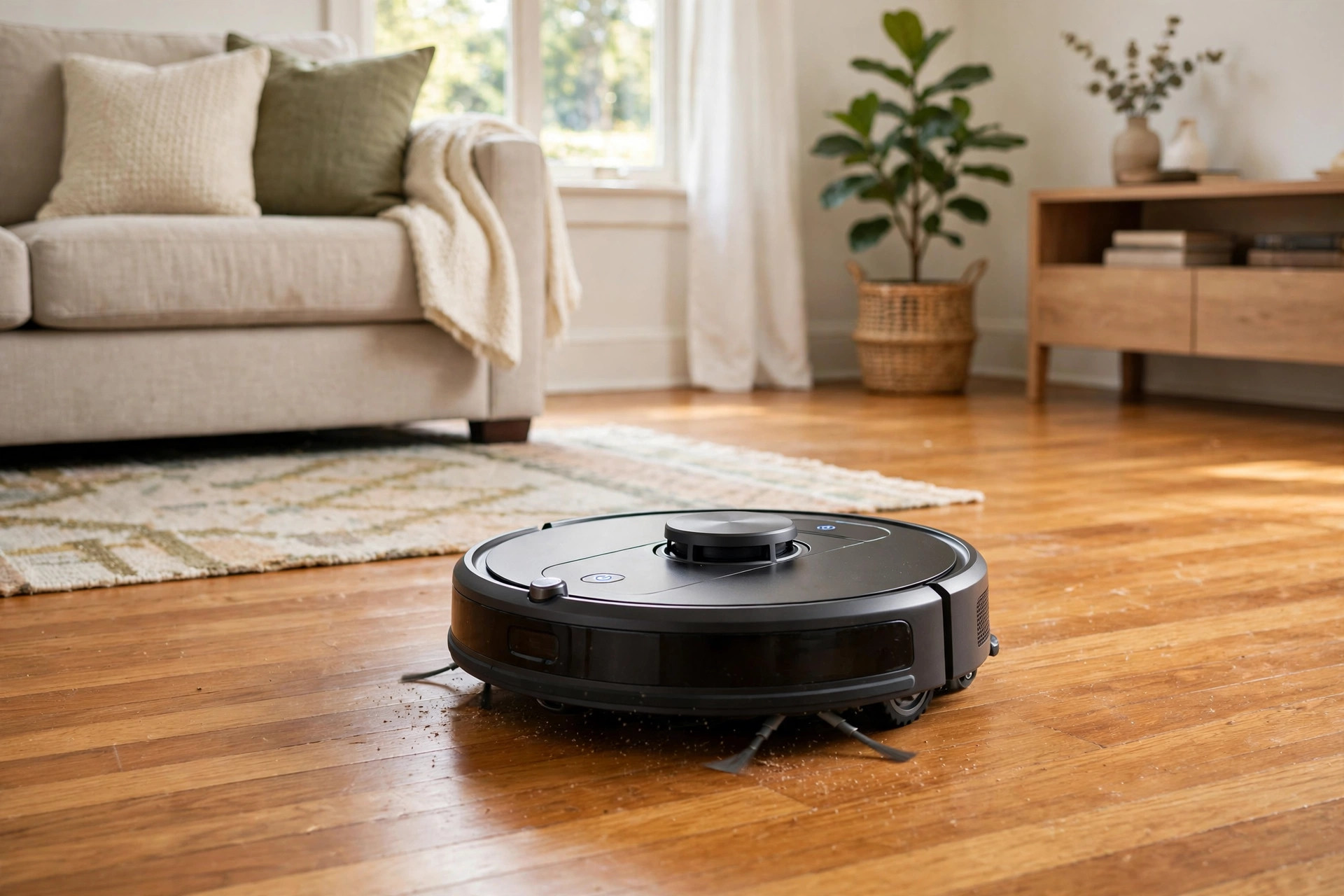
A robot vacuum cleaners price comparison usa study is the smart first step before you buy. Prices in American stores swing widely. One model may cost one hundred and eighty dollars. Another with similar looks may cost nine hundred. The gap comes down to navigation, suction, battery life, and brand name. This guide lays out what each tier buys you, which features are worth the money, and how to read prices without getting lost. Every American shopper can use it, whether the home is a small apartment or a large house with pets.
Why Price Comparison Matters
Robot vacuums are no longer a novelty. Millions of American homes now use one for daily floor care. The market grew fast, and with that growth came a flood of models at every price point. Big-box stores, online shops, and warehouse clubs all run their own sales. The same machine can list at three different prices in the same week. Without a careful robot vacuum cleaners price comparison usa shoppers risk paying too much or buying a machine that does not fit their floors.
Price comparison also exposes value. A four hundred dollar model with laser mapping may clean better than a six hundred dollar model with random bounce navigation. The higher price does not always mean the better vacuum. Knowing how makers set prices helps you spot the sweet spot where good performance meets a fair cost.
What to Look For When You Compare Prices: Robot Vacuum Cleaners Price Comparison Usa
Navigation System
Navigation is the biggest driver of price. Entry-level robots move in random patterns. They bump into walls and change direction. They clean, but they miss spots and take longer. Mid-range robots use cameras or lasers to map the home. They clean in neat rows and return to missed areas. Premium robots add obstacle recognition. They see shoes, cords, and pet waste, and steer around them.
When you compare two prices, check which navigation each model uses. A large price gap often hides a navigation gap. A robot vacuum with mapping and navigation usually saves time and cleans better than a random-path machine at half the price. For homes over one thousand square feet, mapping is worth the extra money.
Suction Power and Cleaning Performance
Suction is measured in Pascals, marked as Pa. Budget robots offer around two thousand Pa. Mid-range robots reach four thousand to six thousand Pa. Premium robots push past eight thousand Pa. On hard floors, even modest suction does the job. On medium carpet, you want at least three thousand Pa. On thick carpet, aim higher.
Price tags rise with suction. But past a point, the gains are small for hard-floor homes. A wood-floor apartment does not need flagship suction. A house full of wall-to-wall carpet does. Match the suction to your floors before you pay for power you will never use.
Battery Life and Dustbin Size
Battery life runs from sixty minutes on cheap models to over three hours on premium ones. Most homes need about ninety minutes to cover one floor. A small dustbin fills fast in a home with pets. Self-emptying bases add three hundred to five hundred dollars to the price but let the robot run for weeks without you touching it.
Smart Features
App control, room scheduling, voice commands, and no-go zones come standard above the mid-range. Cheaper models may offer a basic app. Check reviews for app quality, since a clumsy app ruins the whole experience. Features like mopping, auto-lift mop heads, and hot-water mop washing now appear on premium hybrids. Ask whether you will actually mop with a robot before paying the premium.
Types of Robot Vacuums and Their Price Ranges
Budget Models: Under $250
Budget robots clean hard floors and low-pile rugs well. They use random or basic gyro navigation. They often lack mapping, and their apps are simple. Brands in this tier cut costs on brushes and filters. For a small apartment with hard floors, a budget robot is a fine daily helper. Expect to replace brushes and filters more often. Many shoppers searching robot vacuum cleaners for small apartments land here.
Mid-Range Models: $250 to $550
This is the value zone. Most mid-range robots include laser mapping, room-by-room scheduling, and decent suction around four thousand Pa. They handle pet hair on hard floors and light carpet. Some add mopping. Self-emptying versions sit at the top of this tier. For most American homes, a mid-range model is the best balance of price and performance.
Premium Models: $550 to $900
Premium robots bring stronger suction, faster mapping, and smarter obstacle avoidance. Many include self-emptying bases and mopping systems. They handle mixed floors, thick carpet, and multi-level homes. If you want a robot vacuum for pet hair in a large home, this tier delivers the most reliable daily cleaning.
Flagship Models: $900 and Above
Flagship robots pack every feature: the highest suction, advanced obstacle vision, self-washing mop docks, and auto-refilling water tanks. They cost as much as a good upright and a good canister combined. Buy here only if your home is large, has complex floors, and you want the robot to run almost fully hands-free.
Reading the Price Tag: Cost Breakdown
The Machine Itself
The sticker price covers the robot, the charging dock, and basic brushes and filters. Compare listed prices across at least three sellers. Warehouse clubs often bundle an extra filter set. Holiday sales in November and January cut prices by twenty to forty percent. Set a price alert and wait for a sale if you are not in a hurry.
Self-Emptying Base
A self-emptying dock usually adds two hundred to four hundred dollars when bundled, and four hundred to five hundred dollars when bought separately. It holds sixty days of dirt in a sealed bag. For allergy sufferers and pet owners, it is worth it. It also cuts dust exposure when you empty the bin.
Replacement Parts and Upkeep
Filters cost ten to thirty dollars per set. Side brushes run ten to twenty dollars a pair. Main brush rolls cost fifteen to forty dollars. Mop pads cost fifteen to thirty dollars per set. Dust bags for self-emptying docks run fifteen to twenty-five dollars for a pack. Budget five to eight dollars a month for parts on a heavily used robot. Over three years, parts can add two hundred dollars to the true cost. Factor this into your robot vacuum cleaners price comparison usa math.
Extended Warranties
Most robots carry a one-year warranty. Retailer plans add one to three years for fifty to one hundred and fifty dollars. Read the fine print. Some plans exclude batteries and normal wear. For a flagship robot, a warranty can be sensible. For a budget robot, it often costs more than the risk is worth.
Care and Upkeep
A robot vacuum is a simple machine, and simple care keeps it running for years. Empty the dustbin after each run unless you own a self-emptying dock. Pull hair from the brush roll every week. Rinse or replace the filter every month. Wipe the sensors and the charging contacts with a dry cloth every two weeks. Clean the wheels of tangled thread. Keep the dock area clear of clutter so the robot can park itself.
Battery care matters too. Let the robot charge on its dock between runs. Do not store it with a dead battery for months. Most batteries last two to four years before runtime drops. A replacement battery costs thirty to eighty dollars and takes minutes to install.
When to Replace Parts
Watch for warning signs. Streaks of dust behind the robot mean worn brushes. A musty smell means the filter is full. Shorter run times mean the battery is aging. Replace side brushes every three months and the main brush every six to twelve months in a busy home. Filters last two to three months. Buying a parts kit with the robot often costs less than buying pieces one by one later.
Regular care is the cheapest way to protect your investment, no matter which price tier you bought.
Safety
Robot vacuums are safe for normal home use, but a few habits prevent trouble. Pick up cords, small rugs with tassels, and tiny toys before a run. Keep pet water bowls away from the cleaning path. Do not run the robot when nobody is home until you have watched two or three full cycles without problems. If you use a self-emptying dock, keep small children away from the suction opening. Unplug the dock before cleaning its contacts. These machines use low voltage, yet water and electronics never mix, so keep the robot away from wet bathroom floors and laundry areas.
Frequently Asked Questions
How much should I spend on a robot vacuum?
Most American households get the best value between three hundred and five hundred dollars. That range buys laser mapping, solid suction, and reliable app control. Spend less for a small hard-floor space. Spend more for thick carpet, multiple pets, or a large multi-level home.
Do more expensive robot vacuums clean better?
Usually, but not always. Price follows navigation and features more closely than raw cleaning power. A four hundred dollar robot with laser mapping often cleans a hard-floor home as well as a nine hundred dollar flagship. The flagship wins on carpet depth, obstacle avoidance, and hands-free features, not on basic pickup.
Are self-emptying robot vacuums worth the extra cost?
For pet owners and allergy sufferers, yes. The sealed bag traps dust and allergens, and you touch dirt far less often. The base adds two hundred to four hundred dollars to the price. If you empty a small bin every day now, the convenience pays for itself quickly.
How long do robot vacuums last?
Three to five years is typical with regular part replacement. Budget models may last two to three years. Premium models with good upkeep often run five years or more. Batteries are the first part to fade, and they are easy to replace.
When is the best time to buy?
Black Friday, Cyber Monday, and post-holiday January sales bring the deepest cuts, often twenty to forty percent off. Spring cleaning season and back-to-school events bring smaller discounts. If the price is already fair, waiting for a sale can save real money, but do not wait months for a small drop.
Should I buy a robot vacuum and mop combo?
Combo units work well on hard floors with light dirt. They do not replace a real mop for sticky spills or deep grime. The mopping feature adds one hundred to three hundred dollars. Buy a combo if most of your floors are hard and you want light daily mopping. For carpet-heavy homes, a vacuum-only robot and a separate mop make more sense.
A Short Final Word
A careful robot vacuum cleaners price comparison usa exercise pays off every time. List your floors, your pets, and your square footage first. Then match a tier to your needs instead of chasing the highest number on the box. The mid-range holds the best value for most homes. Time your buy around a sale, budget for replacement parts, and keep up simple maintenance. Do that, and your robot will earn its price many times over.
For readers weighing other home expenses, our guide to the window cleaning service companies cost guide usa breaks down service pricing in the same plain way. If a move is on your calendar, see the reliable move out cleaning services in colorado overview for honest cost ranges. And for hard-floor care beyond the robot, the quiet hardwood floor buffers for sale guide covers what to expect at each price point.
Shoppers who want independent test data can start with the lab reviews at Consumer Reports and the cleaning tests at Good Housekeeping. For brand comparisons, the product pages at iRobot, Shark, Ecovacs, Roborock, and Dyson list current models and features. Home care guides at The Spruce, This Old House, and Family Handyman cover maintenance and upkeep. The EPA offers guidance on indoor air and dust control for healthier homes.
References
Consumer Reports. (n.d.). Product reviews and ratings. https://www.consumerreports.org Dyson. (n.d.). Vacuum cleaners and home technology. https://www.dyson.com Ecovacs. (n.d.). Robot vacuum cleaners. https://www.ecovacs.com Family Handyman. (n.d.). DIY home repair and maintenance. https://www.familyhandyman.com Good Housekeeping. (n.d.). Product reviews and home advice. https://www.goodhousekeeping.com iRobot. (n.d.). Robot vacuums and mops. https://www.irobot.com Roborock. (n.d.). Robot vacuum cleaners. https://www.roborock.com Shark. (n.d.). Home cleaning appliances. https://www.sharkclean.com The Spruce. (n.d.). Home and garden advice. https://www.thespruce.com This Old House. (n.d.). Home renovation guidance. https://www.thisoldhouse.com U.S. Environmental Protection Agency. (n.d.). Protecting human health and the environment. https://www.epa.gov
Was this guide helpful?

About Lisa Anderson
The My Garden US editorial team writes practical, in-depth home and garden guides for American homeowners — tested advice, no fluff.