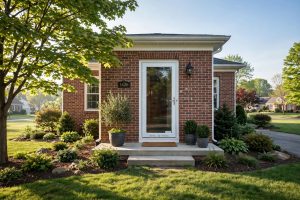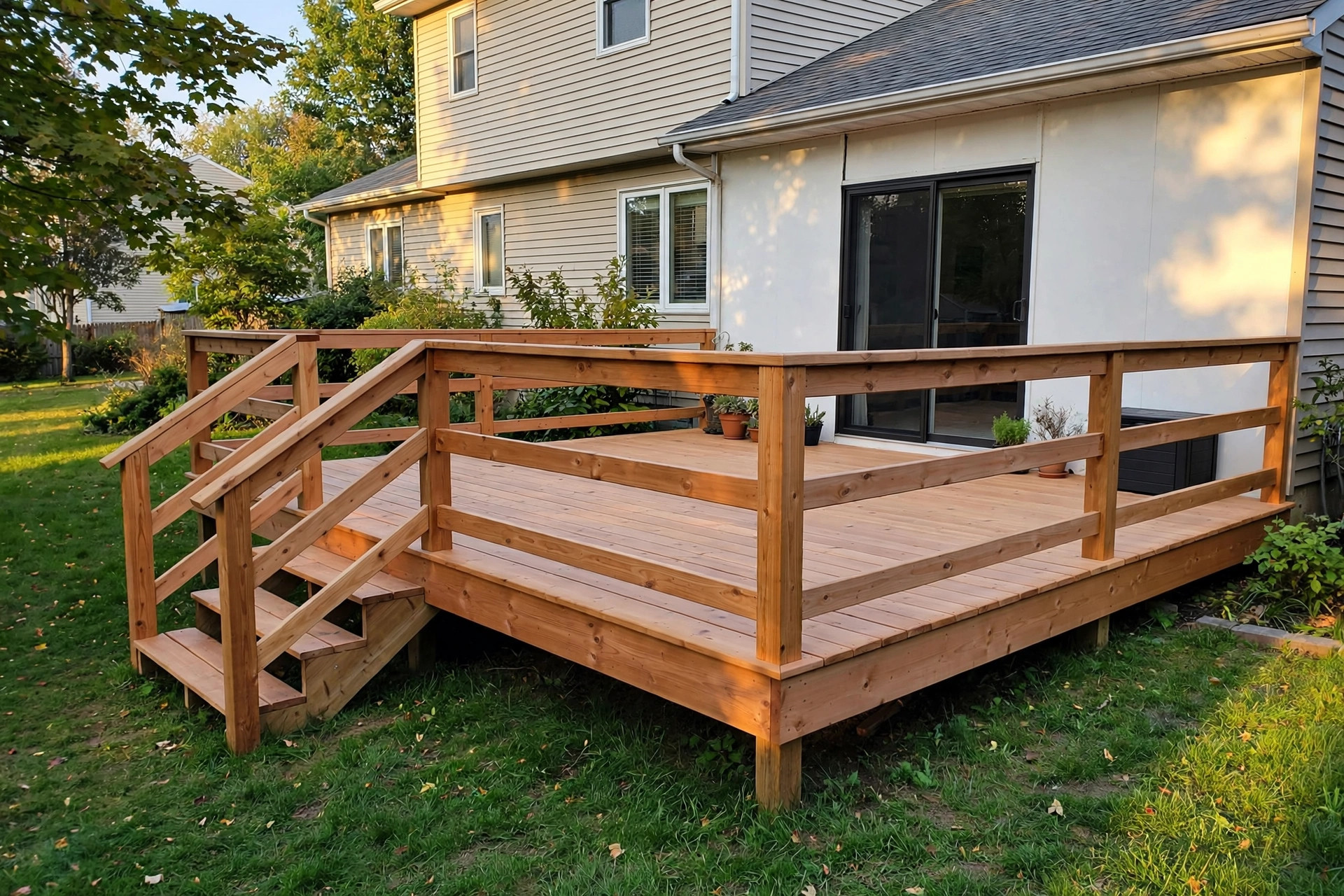

A good deck adds real living space to a home. It gives a place for meals, for quiet evenings, and for guests. When a homeowner types the words best deck building contractors near me into a search bar, the hope is simple: find a skilled builder close by who will do the job right. The problem is that a search result is only a list. It does not tell you who is careful, who is honest, and who will still answer the phone if a board warps a year later.
This article walks through the full process of choosing a deck builder. It covers why the choice matters, where to find candidates, how to check their past work, what materials to discuss, what a fair price looks like, how to handle permits and safety rules, and how to keep the deck in good shape for years. Follow these steps and the search for the best deck building contractors near me becomes a calm, planned decision instead of a gamble.
Why the Right Deck Contractor Matters
A deck is not a piece of furniture. It is a structure that must carry weight, stand against wind and snow, and stay safe for the people who use it. A deck that is built poorly can sag, pull away from the house, or fail without warning. Each year, news reports tell of decks that collapse during parties and injure guests. In most cases the cause is the same: bad design, weak fasteners, or no permit inspection.
A good contractor knows the local building code and builds to it or above it. A good contractor also knows the soil, the weather, and the common building faults in the area. Coastal homes need corrosion proof hardware. Northern homes need footings dug below the frost line. A builder from far away may not know these things, but the best deck building contractors near me usually do, because they have built many decks in the same county and learned its rules the hard way.
Money is another reason to choose well. A careful builder gives a clear written price and sticks to it. A careless builder gives a low price to win the job, then adds charges later or cuts corners on materials. The cheapest bid is rarely the best deal. A well built deck can raise resale value, while a badly built deck can turn into a legal problem at sale time.
Where to Find Deck Builders in Your Area: Best Deck Building Contractors near Me
The search should start with several sources, not just one. Each source shows a different side of a builder’s record.
Local Referrals
Word of mouth is still the strongest lead. Ask neighbors who have decks that look solid about timing, mess, and whether the final price matched the quote. People remember how a builder treated them long after the job ended. A name that comes up twice is worth calling.
Online Reviews and Ratings
Review sites carry recent reviews from other homeowners. Read the long, detailed ones and look for patterns. Several reviews that mention missed deadlines or poor cleanup point to a habit. Pay close attention to how the builder answers negative reviews. A calm, polite reply that offers to fix the problem is a good sign.
Trade Groups and Lumber Yards
Local lumber yards know the builders who buy good materials and pay their bills. Ask the yard staff who they would hire for their own deck.
Home Improvement Stores
The project desks at The Home Depot and Lowe’s keep lists of local contractors who buy deck materials and take the stores’ product training. This does not replace a full check of license and references, but it adds another name or two to your short list. Aim for five to eight names total. From that list, three or four strong candidates will earn a site visit.
What to Look For When You Compare Builders
Once you have names, the real work begins. A careful check at this stage saves money and trouble later.
License and Insurance
Ask each builder for proof of license where the state requires it. Then ask for a certificate of insurance. The builder should carry general liability insurance and workers compensation for the crew. Call the insurance company to confirm the policy is active. An uninsured builder can cost a homeowner dearly if a worker is hurt on the job.
Written Quotes and Contracts
Never accept a price spoken over the phone. A serious builder visits the site, takes measurements, asks about soil and slope, and then writes a full quote. The quote should list the work in detail: demolition of the old deck if any, footings, framing lumber size and type, decking material, railing style, stairs, fasteners, permits, and cleanup. If two quotes cover different things, they cannot be compared fairly. A fixed price contract with a payment schedule tied to finished stages is the safest deal.
References and Past Work
Ask for three references from the last two years and call each one. Good questions are simple: Did the crew show up on time? Was the site kept clean? Did the price hold? Would you hire them again? If a builder cannot give references, take it as a warning.
Look at photos of past work, but a drive by visit to a past job is worth more. Look at the joints, the railing posts, and how the stairs meet the ground. Ask each reference one more question: what went wrong? The answer tells you how the builder handles trouble.
Types of Decks and Material Choices
Before you ask for bids, it helps to know the main options. Builders will ask about materials early in the talk.
Wood Decking
Pressure treated pine is the most common decking material in the United States. It is strong, easy to work with, and low in price. A pressure treated lumber decking price comparison can help you see current rates. Cedar and redwood cost more but look better and resist insects on their own. Wood needs regular care: cleaning, and staining or sealing every two to three years. Without care, wood grays, cracks, and can rot. The step by step care guides on Family Handyman walk through cleaning and sealing in plain language.
Composite and PVC Decking
Composite boards mix wood fiber with plastic. PVC boards are all plastic. Both cost more than wood at the start but need almost no care. There is no staining and no sealing. They resist rot, insects, and fading far better than wood. Many brands now look close to real wood grain. Builders who work with composite often need special training from the manufacturer, so ask about that. The Spruce has photo heavy comparisons of deck styles that can help you picture the finished look.
Framing and Structure
The part of the deck you see is only half the job. The frame below carries the load. Ask what size joists the builder plans and how far apart they will sit. Ask about the ledger board that ties the deck to the house, and whether the builder uses through bolts or lag screws. Ask about flashing, the metal strip that keeps water out of the wall. Good flashing stops rot where the deck meets the house, which is the most common failure point.
Where the deck meets the house, the siding must be cut and sealed with care. James Hardie and CertainTeed both publish guides for working around fiber cement and vinyl siding when a ledger board goes in.
Railings, Stairs, and Extras
Railings can be wood, metal, cable, or glass panels. Stairs need solid stringers and firm landings. If you plan to add a shade structure later, talk about it now. A pergola installation kits price comparison gives a sense of what those kits cost, and the builder can make sure the deck frame will support one.
Permits and Inspections
Almost every town requires a building permit for a new deck. The permit sets off inspections at key stages: footing depth before concrete is poured, framing before decking goes on, and the final safety check. The best deck building contractors near me pull the permit themselves and handle the inspectors. Be wary of any builder who suggests skipping the permit. The savings are small and the risk is large.
This Old House explains the permit and inspection process for decks in plain terms. When you know what the inspector will check, you can ask smarter questions of every builder you meet.
Cost and Price: What to Expect
Deck prices move with lumber prices, labor rates, and local rules, so any numbers here are only rough guides. A small, simple wood deck may run in the low thousands. A mid size deck with composite boards and good railings often lands in the tens of thousands.
Get at least three written quotes with the same scope. Compare the line items, not just the total.
Bob Vila publishes current cost ranges for decks by size and material, which can serve as a reality check against the bids you receive. Use those ranges as a starting point only, since labor rates differ by town.
Payment terms matter too. A common pattern is a deposit of ten to twenty five percent, then payments as stages finish, with a final payment held back until the last inspection passes and you are satisfied. Never pay the full price before the work starts. Never pay in cash without a receipt.
Watch for these warning signs: a price given without a site visit, pressure to sign today for a special discount, vague lines like “miscellaneous” with large sums, and demands for more than half the price up front.
Care and Upkeep After the Build
A deck is an outdoor structure. Sun, rain, and snow wear it down year after year. A care plan keeps it safe and good looking.
For wood decks, sweep the boards often so leaves and dirt do not trap moisture. Wash the deck each spring with a deck cleaner and a soft brush or low pressure wash. Check the fasteners each year and tighten or replace loose screws. Restain or reseal every two to three years, or sooner if water stops beading on the surface.
For composite and PVC decks, care is simpler. Sweep and wash with soap and water. Check the railings and stairs the same way you would for wood. Keep soil and mulch away from the deck frame.
Homeowners who care for decks in other yards know the value of steady upkeep. Reading top rated retaining wall builders reviews shows the same pattern: the best outdoor contractors are the ones whose work still looks good five years later, and that comes from both good building and good care.
Safety Rules Every Deck Must Meet
Safety is where a good contractor earns the fee. The building code sets rules for railing height, baluster spacing, stair rise and run, and the load the deck must carry. The builder should know these rules by heart.
Key points to discuss with any builder: railing height is usually 36 inches for homes, balusters must be spaced so a four inch ball cannot pass through, stairs need handrails and even steps, the ledger board must be bolted and not just nailed to the house, and footings must sit below the frost line in cold states.
Grilling on a deck is common, but keep grills away from railings and siding, and never leave a lit grill alone. Fire pits on wood decks are a bad idea.
Frequently Asked Questions
How long does it take to build a deck?
A simple deck takes one to two weeks of work days. A large or complex deck can take three to six weeks. Weather, permit waiting time, and material delivery can stretch the schedule. Ask the builder for a written start and finish date.
Should I repair my old deck or build a new one?
If the frame and footings are solid, a re deck of new boards and railings can save money. If the frame shows rot or the deck was built without a permit, a full rebuild is usually safer and cheaper in the long run. Ask the builder to point out the soft spots and take photos of what they find under the deck.
Do I need a permit for a small deck?
In most towns, yes. Rules vary, but even low decks near the ground often need a permit. The only safe answer is to check with the town building office. Let the builder handle the permit process. That is part of what you pay for.
What is the best decking material for my climate?
In wet climates, composite or PVC holds up best. In hot dry climates, wood and composite both work well, though dark boards get very hot in sun. In cold states with freeze and thaw, make sure footings go deep and fasteners are rated for the cold. A local builder knows what lasts in your area.
What should the contract include?
The contract should state the total price, the payment schedule, the start and end dates, the exact materials to be used, who pulls the permit, who handles inspections, the warranty terms, and how changes are priced. Ask for the brand and model names of the decking boards, fasteners, and railing system in writing. This protects you from quiet swaps to cheaper parts.
A Short Final Word
Finding the best deck building contractors near me is not hard when the search is done in the right order. Start with referrals and reviews. Check license and insurance. Get written quotes with the same scope. Ask about materials, permits, and safety. Read the contract before you sign. The extra hours of care at the start buy a deck that is safe, sturdy, and good to look at for twenty years or more.
Keep this rule in mind: the builder you want is the one who slows down to explain. Fast talk, rush deadlines, and mystery pricing all point the other way.
References
Bob Vila. (n.d.). Home improvement advice. https://www.bobvila.com CertainTeed. (n.d.). Building materials and exterior products. https://www.certainteed.com Family Handyman. (n.d.). DIY home repair and maintenance. https://www.familyhandyman.com James Hardie. (n.d.). Fiber cement siding and exterior products. https://www.jameshardie.com Lowe’s. (n.d.). Home improvement products. https://www.lowes.com The Home Depot. (n.d.). Home improvement products. https://www.homedepot.com The Spruce. (n.d.). Home and garden advice. https://www.thespruce.com This Old House. (n.d.). Home renovation guidance. https://www.thisoldhouse.com Trex. (n.d.). Composite decking and outdoor living. https://www.trex.com
Was this guide helpful?

About James Carter
The My Garden US editorial team writes practical, in-depth home and garden guides for American homeowners — tested advice, no fluff.
You May Also Like

Where to Buy Mailbox Posts in Arizona: A Homeowner Guide
March 18, 2026 0 views
Top Rated Outdoor Wall Lanterns for Southern States
September 23, 2026 0 views
Asphalt Driveway Sealing Cost Guide USA: What You Will Pay and How to Save
February 8, 2026 0 views