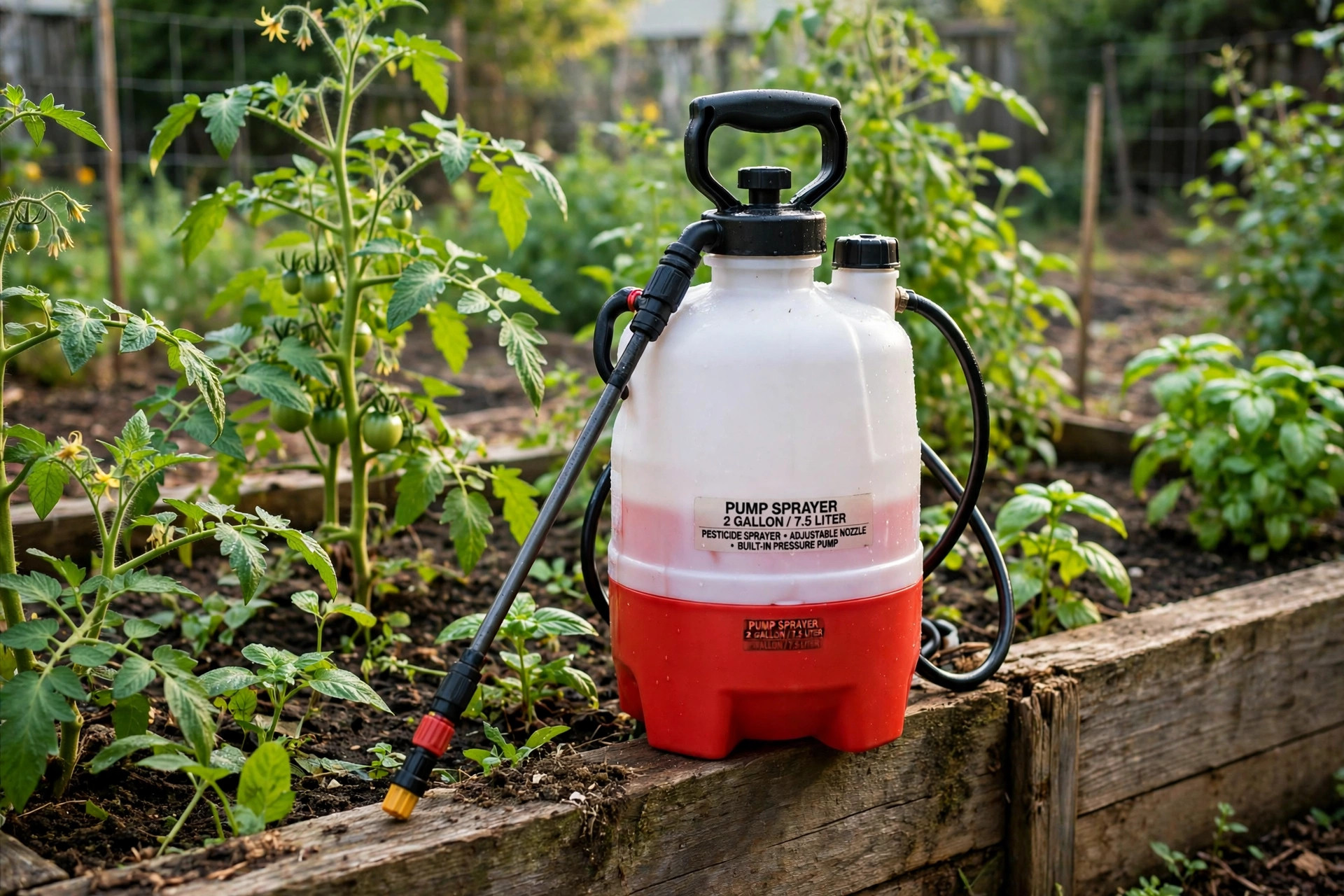
A garden sprayer is a simple tool with an important job. When pests attack your roses or your tomatoes, you need a sprayer that works well and holds up over time. These best garden sprayer for pesticides reviews will help you understand what matters most before you spend your money. We looked at the main types, the key features, and the common problems that gardeners report. This guide keeps things plain and practical.
Many gardeners buy the first sprayer they see at the store. Then they learn that it leaks, or the pump handle breaks after one season. A little reading can save you that trouble. The right sprayer will last for years and make your work much easier.
Why a Good Sprayer Matters
A pesticide only works when it lands where it should. A cheap sprayer often puts out an uneven mist. Some leaves get too much spray. Others get none at all. The result is poor control of pests and wasted product.
A good sprayer gives you even coverage. The nozzle spreads the liquid in a steady pattern. You can reach the tops and the undersides of leaves, which is where many insects hide. You also control the flow, so you do not soak one plant while you starve another.
There is also the matter of your own safety. Pesticides are chemicals. A sprayer that leaks at the hose or the trigger can drip product onto your hands or your shoes. The best-rated sprayers in reviews share one trait: they seal tightly and stay dry on the outside. That matters more than any extra feature.
Finally, a good sprayer saves time. A backpack model holds four gallons or more. You can treat a large yard without stopping to refill. A battery sprayer keeps the pressure steady without pumping. Less effort means you finish the job sooner and do it right.
How to Choose: What the Reviews Say to Look For: Best Garden Sprayer for Pesticides Reviews
Reviews from real gardeners point to the same features again and again. Here are the points that matter most.
Tank Size
Think about the size of your garden. A one-gallon sprayer is fine for a few flower beds. It is light and easy to carry. But if you own half an acre of vegetables, you will refill it many times. Most reviewers of larger yards choose a two- or four-gallon tank. Backpack sprayers carry the load on your shoulders, which is easier on your arms.
Pump Quality
For hand-pump models, the pump is the heart of the tool. Cheap pumps lose pressure fast. You stop every minute to pump again. Look for reviews that praise a pump that holds pressure through a full tank. A wide pump handle is easier on your hand than a thin one.
Nozzles and Wands
A sprayer should come with more than one nozzle. A fan nozzle covers wide areas. A cone nozzle targets single plants. A long wand keeps the spray away from your face and helps you reach deep into bushes. Many of the top-rated sprayers in these best garden sprayer for pesticides reviews include adjustable nozzles and wands that extend to two or three feet.
Seals and Gaskets
Leaks are the most common complaint in sprayer reviews. Good seals keep the chemicals inside the tank. Viton seals are a name that comes up often in positive reviews because they stand up to harsh chemicals. If you plan to spray oil-based products, seal quality matters even more.
Comfort
You may wear the sprayer for an hour or more. Padded shoulder straps make a real difference on a backpack model. A wide mouth opening makes filling and cleaning easy. A stable base keeps the sprayer from tipping over when you set it down.
If you are also working on pest control without sprays, you may want to read our guide on garden netting for pest control reviews. Netting keeps insects off your crops without any chemicals at all.
Types of Garden Sprayers
Hand Pump Sprayers
The hand pump sprayer is the classic choice. You pump the handle to build pressure, then pull the trigger. These models are cheap and simple. They need no batteries and no charging. A one- or two-gallon hand pump sprayer suits small gardens well.
The weak point is the pump itself. Your arm does the work. On a hot day, pumping gets tiring. Reviews also note that pressure drops as the tank empties, which changes the spray pattern. For small jobs, though, these sprayers are hard to beat for value.
Backpack Sprayers
A backpack sprayer sits on your back like a pack. It usually holds three to four gallons. A lever on the side lets you pump while you walk, so pressure stays steady. These are the favorites of serious gardeners in the reviews. They cover large areas fast.
The main trade-off is weight. Four gallons of water weighs over thirty pounds. Good straps and a padded back help, but this type is not for everyone. If you have back trouble, a smaller tank or a battery model may suit you better.
Battery Powered Sprayers
Battery sprayers are the newest popular type. A small pump runs on a rechargeable battery and keeps the pressure even all the time. No pumping at all. Reviews praise them for comfort and steady spray. They often include the same wands and nozzles as hand pump models.
The cost is higher. You also need to keep the battery charged. Most run for one to three hours on a charge, which is enough for a typical yard. For gardeners who spray often, the extra cost is worth it.
Cost and Price: What to Expect
Prices vary a lot across types. A basic one-gallon hand pump sprayer often costs between fifteen and thirty dollars. These are fine for light use. A two-gallon model with better seals may cost thirty to sixty dollars.
Backpack sprayers usually run from sixty to one hundred fifty dollars. Battery sprayers start around seventy dollars and can reach two hundred dollars for large, well-made models.
Do not judge a sprayer by price alone. Reviews show that mid-priced sprayers often beat expensive ones in real use. What matters is build quality: thick plastic, strong seals, and a pump that keeps its pressure. Read several reviews before you buy. Look for comments from people who have used the sprayer for a full season, not just a week.
Consumer testing groups such as Consumer Reports publish long-term ratings of outdoor power and garden tools, and their methods can help you judge any review you read. Retailers like Home Depot and Lowe’s also host thousands of owner reviews that are worth reading before you decide.
Care and Upkeep After Spraying
A sprayer lasts far longer when you clean it after each use. This step is quick, but many gardeners skip it. Then the seals dry out and the nozzle clogs.
Rinse the tank with clean water. Fill it partway, shake it well, and spray the water through the wand until the tank is empty. This clears the hose and the nozzle. If you used an oil-based product, wash the tank with a little dish soap and water first.
Store the sprayer out of direct sun. Heat and light break down the plastic and the seals. Keep it in a shed or a garage. Before you put it away for winter, drain it fully so no water freezes inside and cracks the tank. Our article on garden tool storage ideas for shed has more tips for keeping all your tools in good shape.
Check the seals once a year. If you see cracks or the sprayer starts to leak, replace the gasket kit. Many brands sell cheap seal kits. This small fix can add years to the life of your sprayer.
Garden tool care sites like Corona Tools and Fiskars publish useful cleaning guides, and the home project site Family Handyman has step-by-step upkeep articles that apply to most sprayer brands.
Safety Rules Every Gardener Should Follow
Pesticides demand respect. Even products marked as safe for home use can harm you if you use them wrong. Follow these rules every time you spray.
Wear protection. Long sleeves, long pants, gloves, and eye protection are the minimum. A simple dust mask is wise when you spray in still air. Wash your clothes and shower right after you finish.
Read the label of the pesticide before you mix it. The label tells you the right dose, the right time of day to spray, and how long to keep children and pets away. Never mix more than you need. Leftover mix is hard to store and easy to spill.
Spray on calm days. Wind carries spray onto plants you did not mean to treat, and onto your neighbor’s yard. Early morning is often the best time: the air is still, and bees are less active.
Keep children and pets away while you spray and until the label says it is safe to return. Store pesticides and the sprayer in a locked cabinet or a high shelf in the shed, far from food and animal feed.
Clean up spills at once. Keep a bag of cat litter or sand near your mixing area. It soaks up spills fast and you can sweep it into a bag for safe disposal. Never pour leftover pesticide down a drain or into a storm sewer.
The home and garden guides at The Spruce and Bob Vila both carry clear safety articles on pesticide handling, and the seed and garden supplier Burpee offers beginner-friendly pest control advice. The mail-order garden supplier Gardener’s Supply also publishes practical checklists for safe spraying.
If you are new to planting, it also helps to learn good garden habits from the start. Our guide on how to transplant seedlings outdoors safely walks through the basics step by step.
Frequently Asked Questions
What size garden sprayer do I need for pesticides?
For a small flower bed or a few tomato plants, a one-gallon sprayer is enough. For a medium garden of several beds, choose a two-gallon model. For a large yard or an orchard, a four-gallon backpack sprayer saves many refills. Match the tank to your yard so you are not stopping every ten minutes.
Are battery sprayers better than pump sprayers?
Battery sprayers give steady pressure with no pumping, which most reviewers prefer for comfort. They cost more and need charging. Hand pump sprayers are cheaper and simpler. For occasional use, a hand pump is fine. For frequent spraying, a battery model is worth the extra money.
Can I use one sprayer for pesticides and weed killer?
It is better to keep them separate. Weed killer left in a sprayer can harm your garden plants the next time you spray. If you must share one sprayer, clean it very well between uses with soap and water, and run clean water through the wand for a full minute. Many reviewers keep two sprayers and label them clearly.
How do I stop my sprayer from leaking?
Most leaks come from worn seals or loose fittings. Tighten all caps and hose clamps before each use. Replace cracked gaskets. Do not overfill the tank; leave room for air pressure. If the trigger drips, the seal inside it may need cleaning or replacement. A cheap gasket kit often fixes the problem.
How long should a good garden sprayer last?
With care, a well-made sprayer lasts five to ten years. Cheap sprayers may fail in one or two seasons. Cleaning after each use, storing out of the sun, and replacing seals when they wear out are the three habits that add years of life.
Is it safe to spray pesticides near vegetables?
Yes, if you follow the label. Choose products marked for use on vegetables. Respect the waiting period between the last spray and harvest. Wash all produce well. Spray in calm weather so the product stays on the target plants. When in doubt, use non-chemical methods first.
A Final Word
These best garden sprayer for pesticides reviews all point to the same lesson: buy for quality, not for extras. A sprayer with a strong pump, tight seals, and the right tank size will serve you well for years. Take care of it, use it safely, and your garden will thank you with healthy plants and fewer pests.
References
Bob Vila. (n.d.). Home improvement advice. https://www.bobvila.com Burpee. (n.d.). Seeds, plants, and gardening supplies. https://www.burpee.com Consumer Reports. (n.d.). Product reviews and ratings. https://www.consumerreports.org Corona Tools. (n.d.). Garden and landscape tools. https://www.corona-tools.com Family Handyman. (n.d.). DIY home repair and maintenance. https://www.familyhandyman.com Fiskars. (n.d.). Garden and cutting tools. https://www.fiskars.com Gardener’s Supply Company. (n.d.). Gardening tools and supplies. https://www.gardeners.com Lowe’s. (n.d.). Home improvement products. https://www.lowes.com The Home Depot. (n.d.). Home improvement products. https://www.homedepot.com The Spruce. (n.d.). Home and garden advice. https://www.thespruce.com
Was this guide helpful?

About David Wilson
The My Garden US editorial team writes practical, in-depth home and garden guides for American homeowners — tested advice, no fluff.