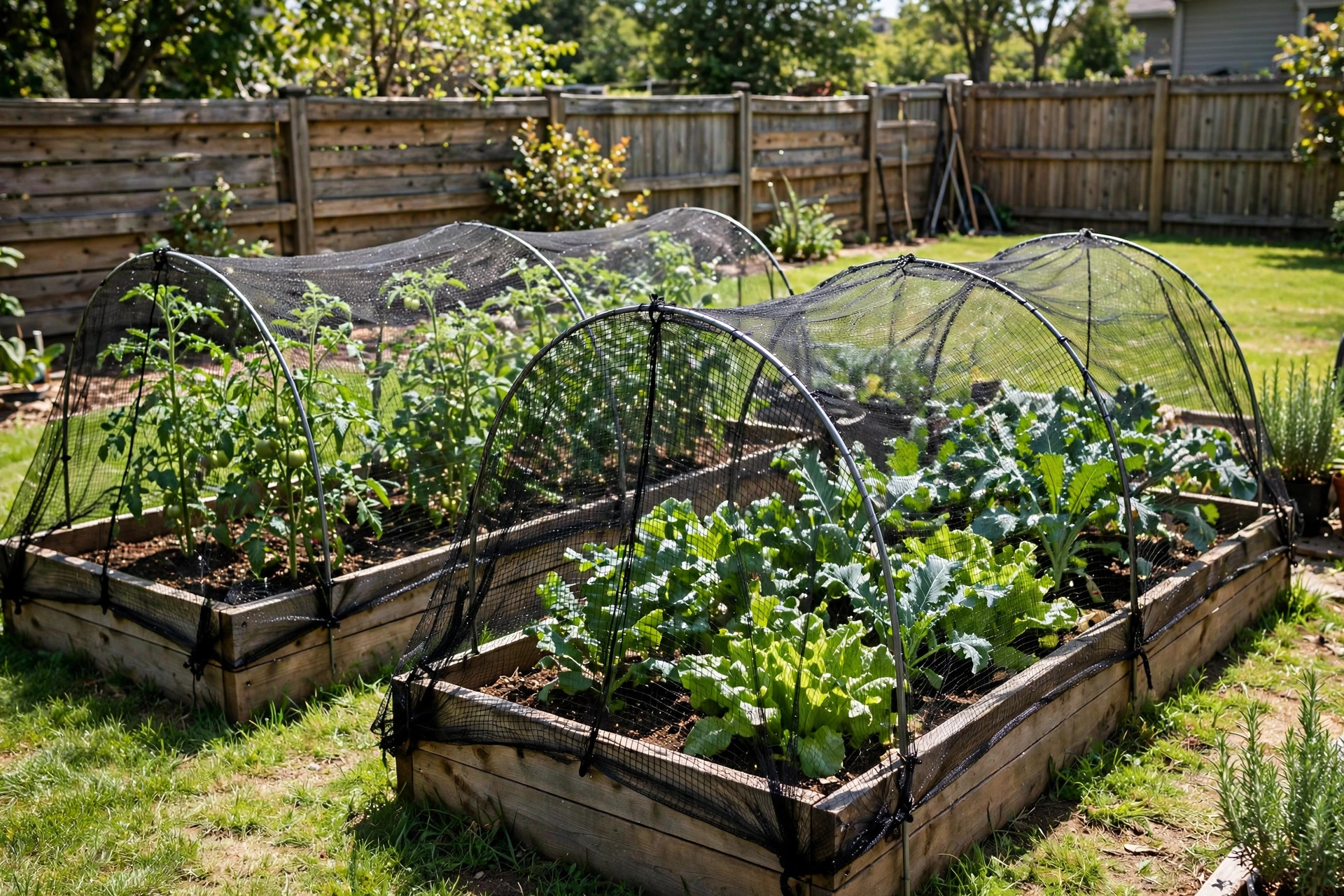
Gardeners lose crops every year to hungry birds, insects, and deer. The loss is felt most keenly by those who plant, water, and tend their rows all spring. This is why many home growers now read garden netting for pest control reviews before they spend a single dollar. A good review tells the reader what worked, what tore, and what let the pests in anyway.
Garden netting is a physical barrier. It covers plants with a mesh that keeps pests away but lets sun and rain reach the leaves. It is simple in design. When it is chosen well and hung with care, it can cut crop losses by a large share. When it is chosen poorly, it can trap birds, overheat plants, or fall apart after one season.
This guide draws on what experienced growers report. It walks through the reasons netting matters, the features to weigh, the main types on store shelves, the true cost, and the upkeep it needs. It also covers safety, answers common questions, and closes with plain advice.
Why Garden Netting Matters
A vegetable patch is a rich food source. Robins pull strawberries the day they ripen. Crows pull corn shoots out of the ground. Cabbage moths lay eggs that hatch into hungry worms. Deer eat almost anything green.
Gardeners once reached for sprays and powders. Many now prefer a barrier. The reasons are clear. Netting adds no chemicals to the soil. It leaves no residue on food. It does not harm bees and other helpful insects when the mesh size is right and the netting is set up with care.
There is also the matter of money and effort. A tomato plant takes weeks of care. A blueberry bush takes years to grow. Losing the harvest in one morning is a hard blow. Netting protects that work for a small cost.
Reading garden netting for pest control reviews helps set fair hopes. Reviews from real gardeners show that netting is not magic. It is a tool. It works when it fits the crop and the pest.
What to Look for When Choosing Netting: Garden Netting for Pest Control Reviews
Mesh Size
Mesh size is the most important feature. The mesh must be small enough to stop the target pest.
Bird netting has holes about three quarters of an inch wide. That size stops sparrows and robins but may let small insects pass. Fine insect mesh has holes as small as one sixteenth of an inch. It stops aphids, cabbage moths, and flea beetles. Deer netting is often a light plastic mesh with wider holes, made to drape over large shrubs.
The rule is simple. Name the pest first, then pick the mesh. Reviews often warn buyers who chose too wide a mesh for insects and then found holes eaten through their leaves.
Material
Most netting is made of one of three materials. Polyethylene is light, cheap, and common. It lasts one to three seasons. Nylon is stronger and holds up longer, but it costs more. Woven polypropylene or UV-treated polyester sits in the middle on both price and life span.
Check the package for UV treatment. Sun breaks down cheap plastic fast. UV-treated netting keeps its strength through many bright weeks.
Strength and Weight
Netting is sold in weights measured in grams per square meter. Heavier netting resists tearing by claws, beaks, and wind. Lighter netting drapes over plants without crushing them.
For berries and small fruit, a medium weight is usually best. For rows of young greens, light insect mesh laid on hoops works well. For deer, a heavier knotted mesh stands up to pushes and pulls.
Color
Black netting is the most common. It blends with the garden and lets more light through to the eye. White netting is easier to see at dusk and may be safer for birds since they notice it sooner. Green netting suits those who want it to fade into the landscape.
Size and Shape
Netting comes in rolls, precut panels, and bags that slip over bushes. Measure the area to cover before buying. Allow extra width for draping and extra length for tucking the edges into the soil or pinning them down. Gaps at the edges are the most common way pests get in.
Types of Garden Netting and Their Uses
Bird Netting
Bird netting is the type most buyers know. It covers berry bushes, fruit trees, and vegetable rows. Gardeners report good results with strawberries, blueberries, and cherries.
The best practice is to hold the netting off the plants with stakes or hoops. When netting rests flat on the bush, birds land on it and peck through the holes. A frame keeps a gap of several inches between mesh and fruit.
Insect Mesh and Row Cover
Fine mesh insect netting for garden rows keeps out small pests while still letting air, light, and most rain through. Some growers use it from the day of planting until harvest. It works well on carrots, cabbage, and leafy greens.
This type can raise the temperature under the cover. On hot days, lift the edges to let heat out or choose a lighter grade. Watch for pests that hatch inside the soil. If worms are already in the ground, covering the row will not remove them.
Deer Netting
Deer netting for home gardens is taller and tougher. It is often sold in rolls seven feet high. It goes on posts around the whole garden or around prized shrubs.
Deer push hard. Knotted mesh holds up better than extruded plastic, which can stretch and snap. Reviews often note that one season of strong deer can ruin a cheap roll.
Floating Row Cover
Floating row cover is a light fabric that lies right on the plants. It gives slight frost protection along with pest control. It is best for low crops and for cool weather. In summer heat it must come off or the plants will bake.
Shade Netting
Shade netting cuts sunlight by a set percent. It is less common for pest control, but some growers pair it with insect mesh in hot regions to keep both pests and heat off tender greens.
Buyers who want a full toolkit of bed protection often pair netting with raised bed corners for easy assembly to build a solid frame before they drape any mesh.
Cost and Price
Garden netting is one of the cheapest tools in the garden. Prices vary with size, material, and brand.
A small precut berry net, about seven by seven feet, often sells for five to fifteen dollars. A large roll, fourteen feet by forty five feet, may cost twenty to forty dollars. Fine insect mesh costs a bit more per square foot than plain bird netting. UV-treated and knotted types carry a higher price but last longer.
A buyer should think in terms of cost per season. A ten dollar roll that lasts one season costs ten dollars a season. A thirty dollar roll that lasts three seasons costs ten dollars a season and saves the time of yearly replacement.
Watch out for packs that seem cheap because they are very thin. Gardeners writing garden netting for pest control reviews often say the cheapest option tore in the wind within weeks.
For those starting out, a best garden tool set for kids or a good best garden shovel for digging reviews page shows the same pattern seen in netting reviews. The mid priced tool often gives the best value.
Setting Up Netting the Right Way
Good setup decides the result. Follow these steps.
First, clear the crop of weeds and check for pests already on the plants. Remove any nests or egg clusters you see.
Second, build a frame. Hoops of PVC pipe or wire work well for rows. Stakes with crossbars suit bushes. The frame should hold the mesh a few inches above the tallest growth.
Third, drape the netting over the frame. Let the edges hang past the soil line.
Fourth, seal the edges. Bury the extra mesh under a few inches of soil, or pin it down with landscape staples, stones, or boards. This is the step most people skip, and the step most pests exploit.
Fifth, check the cover each day during the first week. Look for sagging, gaps, and trapped wildlife.
Take the netting down at the end of the season. Leaving it up all winter exposes it to snow loads and sharp winds that shorten its life.
Care and Upkeep
Netting needs only light care. Shake off leaves and dirt before storage. Wash it with mild soap and water if it is sticky or dusty. Dry it fully to prevent mildew.
Store the netting folded or rolled in a dry shed or garage. Mice chew stored mesh, so hang it or seal it in a bin. Label the size on the bag so the right piece is easy to find next spring.
Check the mesh each spring before use. Small tears can be patched with twist ties or sewn with strong thread. Large rips mean the piece should be replaced. A torn cover is worse than no cover, since it lets pests in while looking safe.
Safety for Birds, Pets, and People
Netting must be safe for the wildlife it is not meant to catch. Birds, frogs, snakes, and small mammals can get tangled in loose mesh. The risk is highest with thin bird netting left loose near the ground.
The fix is taut netting. Stretch the mesh tight over a frame so there are no loose folds. Pull the bottom edge to the ground and seal it. White netting may help birds see the barrier and avoid it.
Check the netting every day. If a bird or other animal gets caught, free it at once with care. Cut the mesh if needed rather than pulling on the animal.
Some gardeners choose fine insect mesh instead of bird netting around bushes because the small holes are less likely to snare a foot or beak. The choice depends on the pest and the crop.
Keep stored netting away from children and pets. Long rolls can tangle, and loose mesh is a tripping hazard on the ground.
Sources like Family Handyman and Bob Vila publish clear setup guides that show how frames and tight mesh reduce wildlife harm. The Spruce also offers seasonal tips for safe garden cover.
How to Read Reviews Like a Smart Shopper
Not all reviews carry the same weight. A useful review names the crop, the pest, the mesh size, and the length of use. A review that says only “great product” gives little to work with.
Look for reviews from gardeners in a climate like yours. Netting that survives a mild winter may shred in a hot, sunny region. Check whether the reviewer sealed the edges. Many bad reviews describe pest damage that came through open edges, not through the mesh itself.
Pay attention to how many seasons the netting lasted. One strong season is worth less than two fair seasons. Consumer Reports tests products with a steady method that can help sort strong claims from weak ones.
Large retailers such as The Home Depot and Lowe’s carry many brands side by side, which makes it easy to compare mesh sizes and weights on the package. Specialty sellers like Gardener’s Supply Company often give detailed use notes. Tool makers such as Fiskars and Corona Tools publish care guides that apply to netting as well as to hand tools.
Frequently Asked Questions
Will garden netting block sunlight or rain?
No, not in a harmful way. Standard mesh lets through most light and rain. Fine insect mesh may hold a little more water on the surface, but plants under it still get plenty. If plants look pale or dry, check that the cover is not too thick for the crop.
Can netting harm pollinators?
It can if it covers flowering plants all day. Bees and butterflies cannot reach blooms through the mesh. The fix is timing. Remove or lift the cover during bloom so pollinators can work, then put it back once fruit has set. Many gardeners lift covers for a few hours each morning.
How long does garden netting last?
Cheap untreated netting may last one season. UV-treated netting often lasts two to four seasons. Knotted nylon can last five seasons or more with good storage. Sun, wind, and winter storage decide the real life span.
What mesh size keeps out cabbage moths?
Use fine insect mesh with holes no larger than one sixteenth of an inch. Bird netting with three quarter inch holes will not stop them. Seal the edges fully, since moths slip under loose edges with ease.
Is deer netting safe for dogs?
In general, yes. Deer netting is a passive barrier with no chemicals. The main risk is tangling if a dog runs into loose mesh. Keep the netting taut and the edges sealed, and fence the garden if dogs run free in the yard.
Should I leave netting up all winter?
No. Snow and ice loads stretch and tear most netting. Wind flaps it against sharp branches. Take it down in the fall, clean it, and store it dry. Put it back up when spring planting begins.
A Short Final Word
Garden netting is a small tool with a large payoff. It asks for one careful setup and a little daily attention. In return, it keeps birds off the berries, moths off the cabbage, and deer off the roses. Name what eats the crop. Pick the mesh size that stops it. Build a frame that holds the mesh off the plants. Seal the edges.
Buyers who read garden netting for pest control reviews with care will find the same advice repeated by gardeners across the country. The netting works when the setup is right. That is the whole secret.
References
Bob Vila. (n.d.). Home improvement advice. https://www.bobvila.com Consumer Reports. (n.d.). Product reviews and ratings. https://www.consumerreports.org Corona Tools. (n.d.). Garden and landscape tools. https://www.corona-tools.com Family Handyman. (n.d.). DIY home repair and maintenance. https://www.familyhandyman.com Fiskars. (n.d.). Garden and cutting tools. https://www.fiskars.com Gardener’s Supply Company. (n.d.). Gardening tools and supplies. https://www.gardeners.com Lowe’s. (n.d.). Home improvement products. https://www.lowes.com The Home Depot. (n.d.). Home improvement products. https://www.homedepot.com The Spruce. (n.d.). Home and garden advice. https://www.thespruce.com
Was this guide helpful?

About Emily Rodriguez
The My Garden US editorial team writes practical, in-depth home and garden guides for American homeowners — tested advice, no fluff.