
Introduction
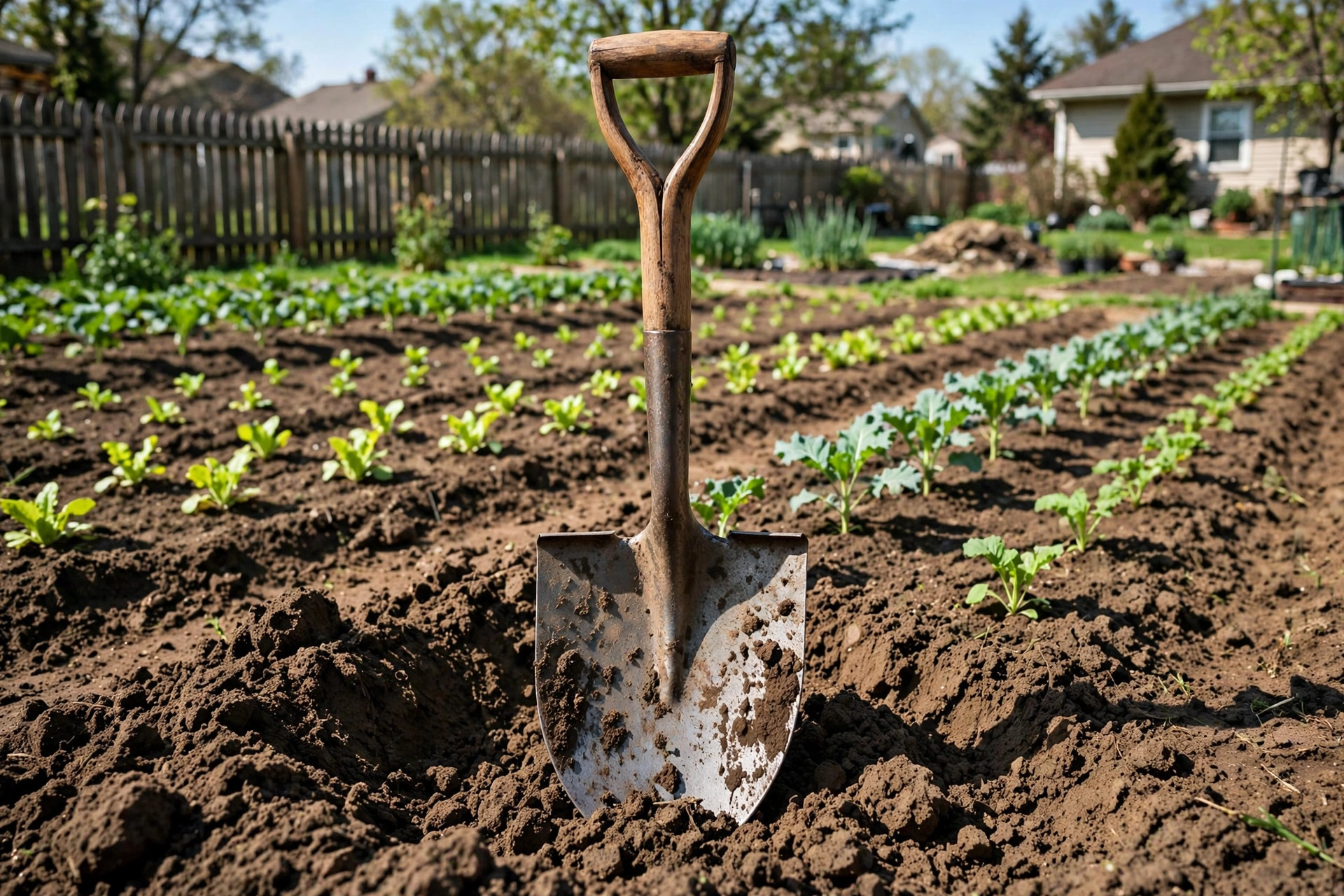
Shoppers who search for the best garden shovel for digging reviews want a simple thing. They want a shovel that cuts soil clean, holds up year after year, and does not hurt the hands or back. This guide gives plain answers. It explains what separates a good digging shovel from a poor one, which shapes suit which soil, what a fair price looks like, and how to keep the tool in good order.
A shovel is one of the oldest tools in the garden shed. New models arrive each year with new grips, new blade coatings, and new claims. Many reviews are short and vague, so this guide goes deeper. The sections below break the subject down the way a gardener would test a shovel in the yard: handle in hand, boot on blade, earth turning.
Whether you dig planting holes, turn a new bed, or edge a lawn, the same rules apply: a straight blade, a strong socket, and a handle that fits the worker matter more than brand names. Keep reading, and you will know exactly what to check before you buy.
Why the Right Shovel Matters: Best Garden Shovel for Digging Reviews
Digging is hard work. A weak shovel makes it harder. When the blade flexes or the handle bends, the worker does extra labor with every scoop. Over a long afternoon, poor tools cause sore wrists, tired backs, and blisters. A well-built shovel moves more soil with less effort because it transfers force straight into the ground.
There is also the question of soil health. Clean cuts matter. A sharp, firm blade slices through roots and leaves tidy edges on a bed. A dull or flimsy blade tears and smears. Wet soil worked with a poor blade compacts and loses its air spaces. The tool shapes the bed as much as the gardener does.
Finally, a good shovel saves money. Cheap shovels break at the socket, where the blade meets the handle. When that happens, the whole tool is scrap. A quality shovel costs more once and lasts for decades. Many gardeners pass down a good digging shovel the way carpenters pass down a hammer.
What to Look for in a Digging Shovel
The Blade
The blade does the cutting. For digging, the standard choice is the round-point blade. Its curved tip bites into hard ground and starts holes with ease. Blades come in carbon steel, stainless steel, and sometimes lighter alloys. Carbon steel is the workhorse. It holds an edge well and costs less than stainless. It will rust if left wet, so it asks for a wipe of oil now and then. Stainless steel resists rust and stays bright. It costs more and can be harder to sharpen, but for gardeners near the sea or in rainy country, it is worth the price.
Look at the thickness. A blade that is too thin will bow under a boot. A good blade gives only a little when pressed. Check the cutting edge too. Some blades arrive with a useful factory edge. Others arrive blunt and square. A blunt blade can be sharpened at home, as explained in our guide to how to sharpen garden tools properly, but a shovel that starts with an edge saves you the first chore.
Size matters less than shape. A standard digging blade is about nine inches wide and twelve inches long. That size moves a fair scoop without weighing too much. Narrower trenching blades cut deep holes for bulbs and posts. Wider blades move mulch and loose soil. For general digging, stay with the standard round-point size.
The Handle
Handles come in two main lengths. The long handle, about forty-eight inches, suits tall workers and open ground. It gives leverage and keeps the back straighter. The short D-handle, about twenty-eight inches, suits close work and small beds. It gives control and fits in a small shed. There is also the T-handle, which some workers find rough on the palm.
Wood handles are the classic choice. American ash or hickory has spring and feel, and a broken wood handle can be replaced at home. Look for straight grain with no knots near the socket. Fiberglass handles are strong, weather-proof, and nearly free of upkeep. They are heavier than wood but they do not rot or splinter. Steel handles are the toughest of all, though they transmit more shock to the hands.
Grip counts. A D-handle should fit the hand without pinching. Padded or cushioned grips help on long days. If you have gloves on, test the grip with them. Reviews on independent consumer testing sites often note grip comfort, and those notes are worth reading closely.
The Socket and Collar
The socket is the joint where blade and handle meet. It takes the worst stress in digging. Open sockets wrap partway around the handle and fasten with rivets. Closed sockets wrap fully and are stronger. The best shovels use a long, solid socket with two or three rivets, or a forged one-piece head and socket. The collar is the band just above the blade. A reinforced or welded collar holds its shape. Lift the shovel and look at the joint in good light. If you see thin metal, rough welds, or a wobbly fit, set it down. This single joint decides whether the tool lasts two years or twenty.
Types of Digging Shovels
Round-Point Shovel
The round-point shovel is the everyday digging tool. It digs planting holes, turns beds, and mixes soil. Its curved tip enters hard earth with less force than a flat blade. For most gardeners, this is the one shovel to own. Makers such as Fiskars and Corona Tools sell long-lived round-point models that appear often in the best garden shovel for digging reviews.
Square-Point Shovel
The square-point shovel has a flat cutting edge. It scoops mulch, lifts sod, and levels beds better than it breaks new ground. Many gardeners keep both a round point and a square point, since the square point does the cleanup work that the round point starts.
Trenching Shovel
The trenching shovel has a long, narrow blade. It digs deep, narrow holes for bulbs, fence posts, and irrigation lines. In clay soil, where every inch is a fight, a trenching blade concentrates force on a small area. If your ground is heavy clay, pair your reading here with our look at the best garden fork for clay soil, because a fork often loosens clay better than any shovel.
Border and Small Shovels
Border shovels are scaled-down round-point shovels for small beds and tight corners. They suit raised beds, where a full-size shovel is clumsy. For the smallest tasks, such as setting transplants, a hand trowel takes over. Our notes on the best garden trowel for planting reviews cover that smaller scale in detail.
Cost and Price
Prices for digging shovels span a wide range. A basic carbon-steel shovel with a wood handle can sell for fifteen to thirty dollars at large hardware chains such as The Home Depot or Lowe’s. These suit light gardens and small beds, though their sockets are often the weak point, so check the joint before you buy.
The middle range, thirty to sixty dollars, is where the best value sits. Shovels in this band usually have closed sockets, better steel, and comfortable grips. This is the range where most of the best garden shovel for digging reviews land. A middle-range shovel should last a decade of regular home use.
Premium shovels cost sixty dollars and up. Stainless steel blades, forged heads, and top-grade hickory handles live here. A premium shovel is a buy-once tool. Gardeners who dig often, or who work rocky or clay ground, feel the difference in the first hour. Specialty shops like Gardener’s Supply Company stock premium models with detailed specs.
Do not judge by price alone. A forty-dollar shovel with a solid socket beats a seventy-dollar shovel with a weak one. Read reviews for facts: blade thickness, socket type, handle wood, and warranty length. Star ratings tell you less than these four facts.
Care and Upkeep
A shovel asks little, but it asks every time. Clean the blade after each use. Knock off the soil with a stiff brush or a hose. Let it dry before it goes back in the shed. Wet blades rust, and rust pits steel. A quick wipe with an oily rag once a month keeps carbon steel bright. Linseed oil works well on wood handles. It feeds the grain and slows cracking.
Sharpen the edge once or twice a year. A file and five minutes of work restore the bite. Clamp the blade or step on it to hold it still, and push the file along the edge at a shallow angle. Work from the center outward. You want a firm edge, not a knife edge. A knife edge will fold over on the first rock. Guides at The Spruce show the technique step by step for gardeners who have never filed a tool.
Store the shovel head-down in a bucket of sand mixed with a little oil, or hang it on a wall hook. Do not leave it out in the rain or flat on wet ground. Check the handle bolts or rivets each spring and tighten what has loosened. Replace a cracked wood handle before it breaks in use. A handle is cheap; a fall from a snapping handle is not.
Safety
Digging looks simple, but it injures people every year. Warm up first. A few minutes of stretching for the back and shoulders makes the work safer. Wear gloves with good grip. They stop blisters and keep a wet handle from slipping. Wear boots with a firm sole and a heel edge. Thin shoes let the blade edge bruise the foot through the sole.
Lift with the legs, not the back. Keep the load small on each scoop. Heavy, wet soil is dense, and a full blade can weigh more than it looks. Twist at the hips, not the spine, when you throw soil to the side. Take breaks and drink water. On hot days, digging is heavy labor, and heat sickness creeps up on steady workers.
Call before you dig. Buried power lines, gas lines, and water pipes run under many yards. In the United States, dialing 811 connects you to the local marking service, which sends someone to mark buried lines before you dig. Home repair writers at Bob Vila stress this step in every digging guide, and they are right. It is free, and it prevents disasters.
Watch for rocks and roots. When the blade stops dead, do not force it with all your weight. Step back, move the blade, and dig around the obstacle. A jammed shovel that slips can throw a worker off balance. Keep children and pets clear of the work area. A shovel left standing can fall, and its edge can cut.
Frequently Asked Questions
What is the best garden shovel for digging in hard clay soil? Clay asks for a round-point shovel with a thick carbon-steel blade and a closed socket. The curved tip starts the cut, and the strong socket takes the prying force. Dig when clay is moist but not soaked; bone-dry clay is nearly stone. A garden fork is often a better partner for clay than a shovel alone.
Should I buy a long handle or a D-handle shovel? It depends on your height and your ground. Tall gardeners and open beds favor the long handle, which gives leverage and saves the back. Short workers and raised beds favor the D-handle, which gives control in tight space. If you can own only one, choose the one that fits your most common job. Many gardeners own both by the second year.
How often should I sharpen my shovel? Once or twice a year is enough for home gardens. Sharpen in spring before the digging season and again in mid-summer if you dig often. A file, a steady hold, and five minutes restore the edge. Dull blades force you to stomp harder, which tires the legs and risks the socket.
Is stainless steel worth the extra cost? For most gardeners, carbon steel is fine and costs less. Stainless pays off in wet climates, near the coast, or where tools often stay damp. It resists rust almost completely. Seed and garden supplier Burpee and other sellers note that stainless blades also slide through soil with less sticking, which some gardeners value.
Can one shovel do everything in the garden? One round-point digging shovel covers most tasks. It digs holes, turns beds, and moves soil. But it is not ideal for everything. A square-point shovel moves loose mulch better. A trowel plants seedlings better. A fork loosens clay better. Start with the round point, then add tools as your garden grows.
What warranty should a good shovel carry? Look for at least a ten-year warranty on the head and handle. Many quality makers offer lifetime warranties against defects in materials and workmanship. A long warranty signals that the maker trusts the socket joint, which is the part that fails. Keep the receipt in the shed drawer with the tool.
A Short Final Word
The best garden shovel for digging reviews all point to the same truth. Blade shape, socket strength, and handle fit matter more than brand names or bright colors. Choose a round-point blade of good steel, a socket you trust, and a handle that fits your body and your beds. Pay a fair price, clean the tool after use, and sharpen it each year. That shovel will serve you for decades, and every hole you dig will remind you that a little study before buying pays off for a long time.
References
Bob Vila. (n.d.). Home improvement advice. https://www.bobvila.com Burpee. (n.d.). Seeds, plants, and gardening supplies. https://www.burpee.com Consumer Reports. (n.d.). Product reviews and ratings. https://www.consumerreports.org Corona Tools. (n.d.). Garden and landscape tools. https://www.corona-tools.com Fiskars. (n.d.). Garden and cutting tools. https://www.fiskars.com Gardener’s Supply Company. (n.d.). Gardening tools and supplies. https://www.gardeners.com Lowe’s. (n.d.). Home improvement products. https://www.lowes.com The Home Depot. (n.d.). Home improvement products. https://www.homedepot.com The Spruce. (n.d.). Home and garden advice. https://www.thespruce.com
Was this guide helpful?

About Lisa Anderson
The My Garden US editorial team writes practical, in-depth home and garden guides for American homeowners — tested advice, no fluff.
You May Also Like

How to Install Raised Bed Irrigation: A Step-by-Step Guide
March 22, 2026 0 views
Best Potting Soil for Container Gardens: What to Know Before You Buy
February 1, 2026 0 views
Best Hand Cultivator for Weeding Reviews: What Real Gardeners Found
March 20, 2026 0 views