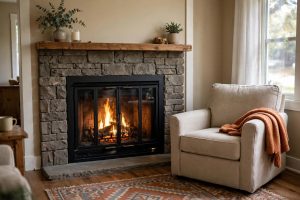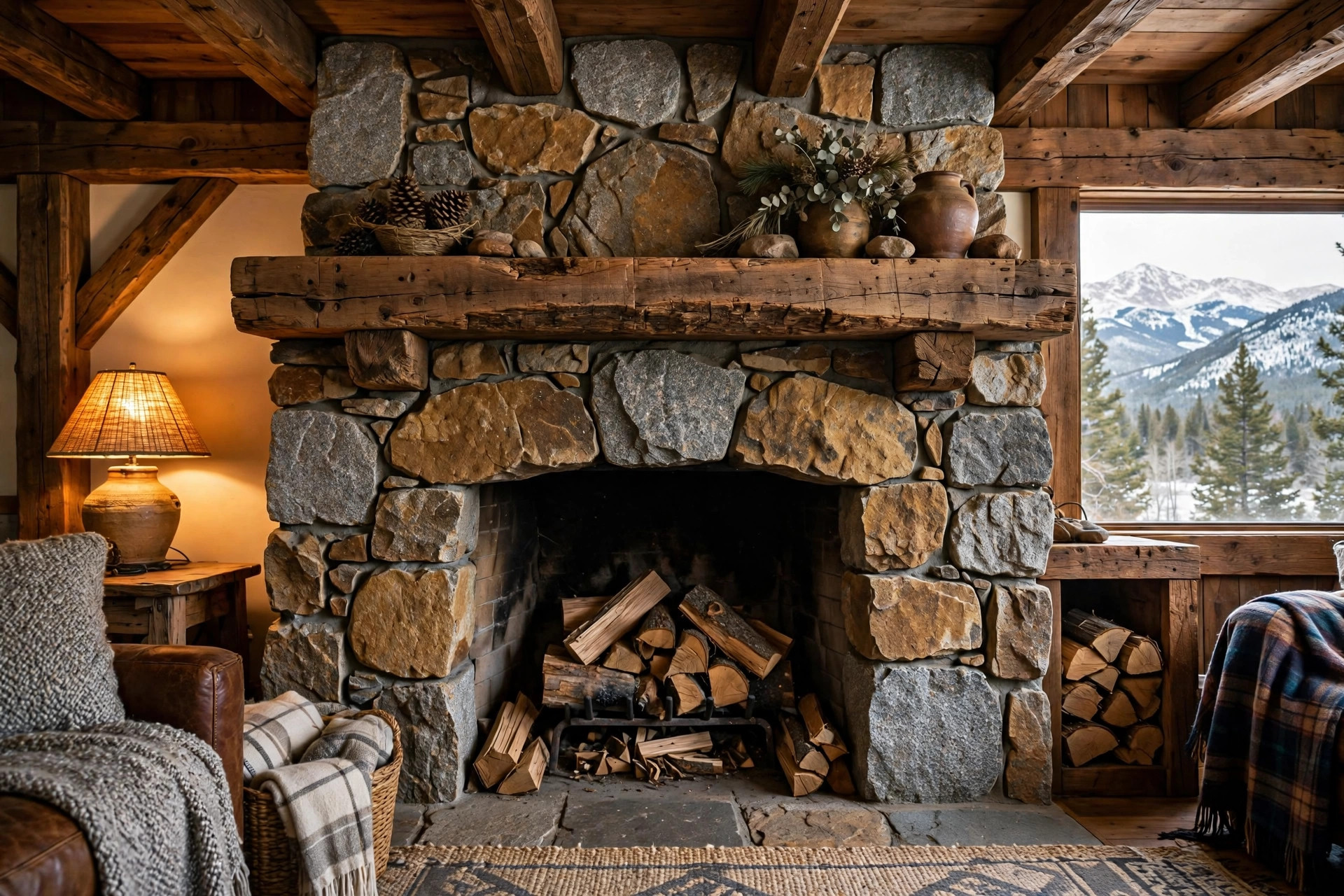

Colorado homeowners have long loved a stone fireplace. From Denver suburbs to cabins near Aspen, a stone surround gives a room warmth that paint and drywall never can. If you want to buy stone fireplace surrounds online in Colorado, the process is simpler than it was a few years ago. Online sellers now list full-size surrounds with clear measurements, ship them by freight to every part of the state, and offer styles that suit both mountain cabins and modern city homes.
This guide walks you through the choices. You will learn about stone types, sizing, cost, shipping to Colorado, care, and safety. By the end, you will know how to pick a surround that fits your fireplace, your home, and your budget.
Why a Stone Surround Matters
The surround is the face of the fireplace. It frames the firebox and sets the tone for the whole room. A good surround does more than look fine. It protects the wall around the fire from heat. It hides rough masonry edges. And it raises the value of the room in the eyes of future buyers.
Stone is a natural choice in Colorado. The state is rich in rock, and local building styles favor rough-hewn looks. A stone surround ties the inside of the house to the land outside. That link matters to many Colorado buyers.
When you buy stone fireplace surrounds online in Colorado, you gain access to far more styles than any single local yard can hold. Online shops carry dozens of profiles, from rustic stacked stone to smooth cut limestone. You can compare prices across sellers in minutes and have the piece delivered to your door, even if you live hours from the nearest stone yard.
Types of Stone Surrounds: Buy Stone Fireplace Surrounds Online in Colorado
Not all stone surrounds are the same. Three broad types cover most of what you will find online.
Natural Stone Surrounds
Natural stone is cut from real rock. Granite, marble, limestone, travertine, and slate are common. Each piece has its own color pattern. No two are alike. Natural stone holds heat well and lasts for generations. It is heavy, which matters for shipping and for the support your wall must give.
Granite is the toughest of the group. It resists stains and scratches. Marble is softer and shows more veining, which many buyers love. Limestone has a warm, even look and suits traditional rooms. Slate brings a dark, quiet tone that fits mountain homes.
Cast Stone Surrounds
Cast stone is man-made. Fine concrete and aggregates are poured into molds to copy the look of cut limestone or marble. Good cast stone is hard to tell from the real thing at arm’s length. It costs much less than natural stone. It is lighter, so shipping is cheaper and installation is easier.
The trade-off is strength. Cast stone can chip if struck hard. The finish may wear faster than real stone in a high-use fireplace. Still, for most family rooms, cast stone serves well. Many online sellers offer both natural and cast options, so you can compare side by side.
Stacked Stone Veneer Kits
Some buyers want the full stone wall look. Stacked stone veneer kits cover a wide face around the firebox with thin-cut stone. These kits ship in boxes with panels or loose pieces. They are lighter than full-thickness stone. They suit wood-burning and gas fireplaces alike.
Veneer is a good pick when you plan to change the whole wall, not just the mantel area. It needs a skilled hand to install, since the joints must line up. Retailers like Lowe’s and The Home Depot carry veneer kits for shoppers who want the full stone wall look.
How to Choose the Right Surround
Choosing well comes down to five points: size, stone type, style, fuel type, and budget.
Measure First
Measure your firebox opening, then measure the wall space around it. Write down the width of the opening, the height of the opening, and how much wall you have on each side and above. Most online listings give the surround as overall width, overall height, leg width, and shelf depth. Compare these numbers to your wall before you order.
Leave room for the mantel shelf if you want one. Many surrounds include the shelf. Others are sold as the legs and header only, with the shelf bought apart. Check the listing photo and the parts list.
Match Your Fuel Type
Wood-burning fireplaces run hotter than gas units. Natural stone stands up to that heat best. Gas fireplaces are gentler, so any stone type will do. Electric inserts give off little heat at the face, so choice is purely about looks.
If your fireplace is wood-burning, keep the stone at the distance the code calls for. The EPA publishes burn-wise guidance that covers safe clearances and good burning practice.
Pick a Style That Fits the Room
A rough granite surround fits a log cabin. A smooth limestone surround fits a colonial or a modern farmhouse. Dark slate fits a room with timber beams and leather chairs. White marble fits a bright, formal parlor.
Look at the fixed parts of your room. Flooring, trim, and ceiling beams set the palette. Pick a stone that speaks to those tones rather than fighting them. Online shops sort by style, so filter for rustic, traditional, or modern before you browse. Style galleries at The Spruce show how different stones sit in real rooms.
Set a Firm Budget
Prices run wide. A small cast stone surround may cost a few hundred dollars. A large natural granite surround can run into the thousands. Shipping adds more, since stone is heavy. Freight to Colorado mountain towns can cost more than freight to Denver.
Decide your top number before you shop. Include the surround, the shipping, the mortar or adhesive, and the labor if you hire an installer. A firm budget keeps you from falling for a piece that breaks the bank.
Cost and Price Guide
Most online stone surrounds fall into three price bands.
Under $1,000: Small cast stone surrounds and simple limestone pieces. Good for gas fireplaces and small rooms. Shipping is often under $200.
$1,000 to $3,000: Mid-size natural stone and high-end cast stone. Granite and travertine appear in this band. Freight shipping to Colorado usually runs $200 to $500.
Over $3,000: Large natural stone surrounds, marble pieces, and custom cuts. These are statement pieces for big rooms. Freight can run $500 or more, and a freight company may need a liftgate or a loading dock.
Prices shift with the stone market. Quarried stone costs more when demand is high. Buying in the off-season can save money. Some sellers run sales around holidays. Reviews and price histories at Family Handyman help you spot a fair deal.
If you compare natural stone to cast stone for the same size, expect the natural piece to cost two to four times more. The gap narrows for small pieces and widens for large ones.
Buying Online and Shipping to Colorado
Buying online has clear steps. Follow them and the piece will arrive in good shape.
1. Check the seller. Look for a seller with clear photos of the actual product, full measurements, and a stated return policy. Read reviews from buyers who had stone shipped by freight.
2. Ask about the crate. Stone ships in a wooden crate or on a pallet. Ask how the seller packs it. A good crate has foam between the stone and the wood. Ask what happens if a corner chips in transit.
3. Plan the delivery. Freight trucks need room to turn and a flat place to set the pallet. If your drive is steep or narrow, tell the freight company. Liftgate service is worth the fee when you have no loading dock.
4. Inspect on arrival. Open the crate before the driver leaves if you can. Note any damage on the delivery slip and take photos. Most good sellers replace or repair damaged pieces fast.
5. Mind Colorado weather. Stone left out in a Colorado winter can suffer. If the crate arrives early, store it in a garage or under a tarp.
Colorado adds one more wrinkle: altitude and dry air. Natural stone is fine with dry air, but mortar cures faster in low humidity. Keep fresh mortar damp while it sets, as the maker of the mortar directs.
Fireplace makers such as Napoleon and Heatilator publish clearance and framing guides for their units. Check your fireplace maker before you buy a surround, since the two must work as a set.
Installation Basics
Many homeowners hire a mason for the set. A surround is heavy, and a crooked set shows forever. Still, a skilled do-it-yourselfer can set a small cast stone surround.
Prepare the wall. The wall must be sound and able to carry the weight. Natural stone needs solid backing. Many installers add cement board over the framing first.
Dry fit the pieces. Set the legs and header in place without mortar. Check that the firebox opening lines up. Check that the shelf, if you have one, sits level.
Set with mortar or adhesive. Use the setting material the seller names. Natural stone takes mortar. Some cast stone takes a construction adhesive rated for stone. Follow the cure times.
Seal the stone. Most stone benefits from a sealer, applied after the mortar cures. A sealer slows stains from soot and smoke. Reapply every few years, or as the sealer maker directs.
If the job feels beyond your skill, hire a mason with fireplace experience. Ask for photos of past surrounds. Project guides at This Old House show how pros set stone and frame the opening, which helps you judge a bid. A good mason is worth the fee.
Care and Upkeep
Stone asks little of you, but it is not care-free.
Dust often. A dry cloth or a soft brush keeps dust from dulling the face. Do this monthly in the heating season.
Clean soot with care. Soot marks appear above the firebox on wood-burning units. Use a cleaner made for stone, and test it on a hidden spot first. Never use acid cleaners on marble or limestone, since acid eats the surface.
Watch the mortar joints. Joints can crack with heat cycles. Small cracks are easy to patch with fresh mortar. Big cracks may mean the wall moved, and a mason should look at it.
Reseal as needed. Water should bead on a sealed stone face. When it stops beading, it is time to reseal. In Colorado’s dry climate, sealer may last longer than in wet states, but check it each fall before the burning season.
Related hearth projects pair well with a new surround. If you are updating the whole fireplace, look at where to buy fireplace grates in Colorado and where to buy wood burning stoves in Colorado. For a lighter stone look, see buy tile fireplace surrounds online in Colorado.
Safety
A fireplace is a fire in your living room. Treat it with respect.
Keep clearances. Every fireplace maker states how far wood, stone, and trim must sit from the firebox. Follow those numbers exactly. Stone is not flammable, but the wood framing behind it is.
Use a screen or doors. A mesh screen or glass doors keeps sparks and embers off the rug and off small hands. It also keeps the stone face cleaner.
Burn right. Burn only dry, seasoned wood in a wood fireplace. Wet wood makes more smoke, more soot, and more creosote in the flue. Creosote can catch fire in the chimney.
Clean the chimney. Have the chimney swept each year before the burning season, or as your sweep advises. A clean flue draws better and runs safer.
Fit detectors. Smoke detectors and carbon monoxide detectors belong on every floor. Test them monthly and replace the batteries each fall.
The EPA Burn Wise program gives plain guidance on safe wood burning. It is worth a read before your first fire of the season.
Frequently Asked Questions
How much does it cost to buy stone fireplace surrounds online in Colorado?
Small cast stone surrounds start under $1,000 before shipping. Mid-size natural stone runs $1,000 to $3,000. Large or custom natural stone runs over $3,000. Freight to Colorado adds $200 to $500 or more, depending on weight and how far up the mountains the truck must go.
Can I install a stone surround myself?
A small cast stone surround is within reach of a skilled do-it-yourselfer with the right tools. Large natural stone pieces are best left to a mason. The weight, the need for a level set, and the mortar work all favor a pro.
What stone is best for a wood-burning fireplace?
Granite is the top pick for heat and toughness. Limestone and slate also serve well. Marble works but needs more care with soot. Cast stone is fine if you keep the maker’s clearances.
How long does freight shipping to Colorado take?
Most freight runs take five to ten business days from the East Coast or the South to Colorado. Mountain towns may add a day or two.
Do I need to seal a stone fireplace surround?
Most stone benefits from a sealer. It slows soot stains and makes cleaning easier. Apply it after the mortar cures, and reapply when water stops beading on the face.
Will a stone surround work with a gas fireplace?
Yes. Gas fireplaces run cooler than wood units, so any stone type works. Just match the surround size to the fireplace frame and keep the clearances the maker states.
A Final Word
To buy stone fireplace surrounds online in Colorado is to shop the whole country from your kitchen table. The choices are wide and freight reaches every corner of the state. Measure with care, pick a stone that suits your fire and your room, and buy from a seller with clear policies. Do that, and your new surround will warm your home for decades.
References
Family Handyman. (n.d.). DIY home repair and maintenance. https://www.familyhandyman.com Heatilator. (n.d.). Fireplaces and fireplace products. https://www.heatilator.com Lowe’s. (n.d.). Home improvement products. https://www.lowes.com Napoleon. (n.d.). Fireplaces, grills, and heating products. https://www.napoleon.com The Home Depot. (n.d.). Home improvement products. https://www.homedepot.com The Spruce. (n.d.). Home and garden advice. https://www.thespruce.com This Old House. (n.d.). Home renovation guidance. https://www.thisoldhouse.com U.S. Environmental Protection Agency. (n.d.). Protecting human health and the environment. https://www.epa.gov
Was this guide helpful?

About David Wilson
The My Garden US editorial team writes practical, in-depth home and garden guides for American homeowners — tested advice, no fluff.
You May Also Like
Ventless Stone Fireplace Surrounds Buying Guide
June 10, 2026 0 views
Energy Efficient Tile Fireplace Surrounds for Sale: A Buyer’s Guide
September 5, 2026 0 views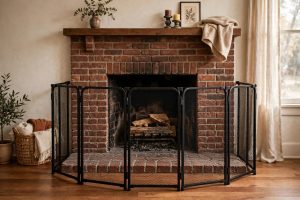
High Efficiency Fireplace Safety Gates for Sale: A Plain Buyer’s Guide
August 1, 2026 0 views