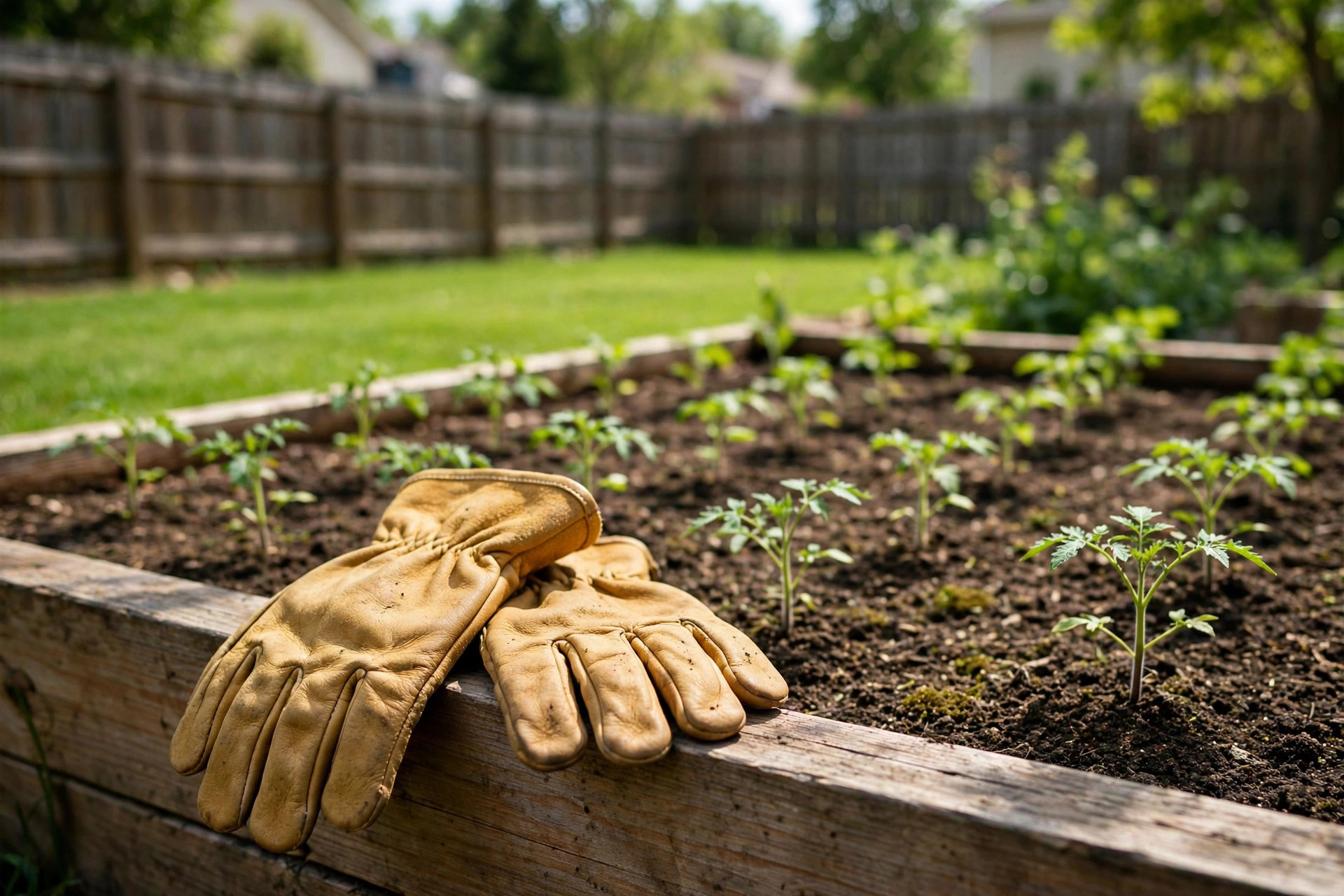

A man with large hands knows the trouble of a small glove. The fingers run short. The palm pulls tight. After an hour the seams dig in and the skin blisters. The search for the best garden gloves for men large begins with a simple wish: a pair that fits the hand and holds up to real work.
Gardening asks a great deal of the hands. Stones are sharp. Thorns are hidden. Soil dries the skin and cracks the knuckles. A good glove stands between the hand and all of it. This guide explains what makes a large garden glove worth the money, how the common types compare, and how to care for a pair so it serves for years.
Why Glove Size Matters in the Garden
A glove that is too small is worse than no glove at all. The tight fabric cuts off free movement. The hand tires faster. Seams burst at the thumb. A glove that is too large folds and slips, which makes tools hard to hold and thorns easy to miss.
Men with large hands often buy gloves marked “one size fits most.” These rarely fit. Hand width across the knuckles of four inches or more calls for a true large or extra large. When the glove matches the hand, the fingers reach the tips without strain. The palm lies flat. The wrist closes snug without pinching.
Fit also protects the skin. A loose glove lets dirt grind between the fabric and the hand. A tight glove rubs the web between thumb and finger. Both cause blisters. The right size avoids both faults.
What to Look for in Large Garden Gloves: Best Garden Gloves for Men Large
Several traits separate a fine pair from a poor one. The buyer should weigh each before spending.
Fit and Sizing
Measure the hand before buying. Wrap a tape around the knuckles, not the thumb. A measure of four to four and a half inches takes a large in most brands. Four and a half to five inches takes an extra large. Brands differ, so the buyer should check the size chart of each maker.
Long fingers need room. Some gloves run short in the fingers even when the palm fits. Reading user reviews helps. Buyers with large hands often note whether a glove suits long fingers.
A secure wrist matters. An elastic cuff keeps soil out and the glove on. A hook and loop strap lets the wearer adjust the fit. A long gauntlet cuff guards the forearm when pruning roses.
Materials
Leather remains the classic choice. Goatskin is soft and supple. It moves with the hand and resists water. Cowhide is thicker and tougher. It suits heavy digging and rough wood. Pigskin handles damp work well and stays soft after drying.
Synthetic fabrics have improved over the years. Nylon and spandex blends stretch and breathe. A nitrile or latex coating on the palm adds grip and blocks water. These gloves suit wet soil and long hours because they stay light.
Cotton canvas is cheap and easy to wash. It tears sooner than leather. It serves light weeding and planting. Rubber gloves keep hands dry but trap heat. They suit washing pots and handling chemicals.
Grip and Dexterity
A smooth palm drops tools. Textured coatings, padded patches, and silicone dots improve the grip. The best garden gloves for men large give a firm hold on a shovel handle and still allow the fingers to pick up small seeds.
Dexterity is the test. The wearer should be able to tie a knot, open a seed packet, and turn a small dial. Thick leather wins on protection and loses on fine work. A mid weight synthetic often strikes the best balance.
Types of Garden Gloves for Men
The market holds several kinds. Each suits a different job.
Leather Work Gloves
Leather gloves take the hardest jobs. They resist thorns, splinters, and rough handles. Goatskin pairs feel like a second skin after a few uses. Cowhide pairs last longer under abuse. Men who cut brush, haul stone, or handle timber often choose leather first.
Leather breathes less than cloth. In hot weather the hands sweat. Some makers add mesh backs to let air pass. Leather also stiffens when soaked and dried. A rub with conditioner keeps it supple.
Synthetic and Nitrile-Coated Gloves
These are the everyday choice of many gardeners. A thin knit shell with a coated palm gives grip, sheds water, and breathes. The hands stay cooler in summer. Touch screens work through some thin coatings, which is handy when checking a planting chart.
Coated gloves cost less than leather. They wear through faster at the fingertips. For light to medium work they offer strong value. Many men keep two or three pairs and rotate them.
Rubber and Waterproof Gloves
Rubber or PVC gloves seal out water and mud. They suit pond work, washing tools, and spreading mulch on wet days. Long cuffs guard the sleeves. The trade is sweat. Vented backs help but cannot match cloth for comfort in heat.
Thorn-Proof Gauntlets
Pruning roses and berries demands armor. Thorn-proof gauntlets run to the elbow. Thick leather or layered fabric stops canes that would pierce ordinary gloves. Anyone who works with blackberries or climbing roses should own a pair. Some men use them for garden gloves for thorn protection when the standard glove is not enough.
How to Choose the Best Pair for Your Work
Start with the jobs. Heavy digging calls for leather. Planting and weeding call for a coated knit. Wet work calls for rubber. One pair rarely covers all.
Next, weigh comfort against toughness. A thick glove protects more but tires the hand. Most men do best with a mid weight pair for daily work and a heavy pair for rough jobs.
Check the seams. Double stitching at the thumb and fingertips shows care. Flat seams rub less. Turn the glove inside out if the store allows it. Loose threads and raw edges warn of early failure.
Try before buying when possible. Flex the fingers. Grip a tool handle. Pick up a coin from a flat surface. The glove should follow the hand, not fight it.
Price guides but does not rule. A cheap pair that lasts one season costs more over time than a dear pair that lasts five. Still, an honest low cost glove has its place. Men who lose gloves often prefer to replace cheaply. Information on fit and materials from trusted sites such as Fiskars helps the buyer judge what a fair price buys.
Cost and Price: What to Expect
Prices run in clear bands. Basic cotton or knit gloves sell for a few dollars a pair. Coated synthetic gloves cost a little more. Leather gloves range from modest to dear, with goatskin near the top.
A sound pair of large leather gloves often falls in the ten to thirty dollar range. Thorn-proof gauntlets cost more because they use more material. Specialty gloves with reinforced palms sit at the higher end.
Sets of three or six pairs cut the per pair cost. They suit men who wear gloves hard and replace them often. Test reports from Consumer Reports sometimes compare durability across brands, which helps when choosing between a bargain pack and a single fine pair.
The wise buyer buys for the hand and the work, not the label. Fit matters more than brand. A well sized glove from a modest maker beats a poor fitting glove from a famous one.
Care and Upkeep: Making Gloves Last
Gloves last longer with simple care. Shake out soil after each use. Soil holds moisture, and moisture rots fabric and leather. A quick shake takes seconds.
Wash cloth and synthetic gloves in mild soap and cool water. Air dry them away from heat. A radiator or hot sun cracks coatings and shrinks fabric. Leather gloves need different care. Wipe them with a damp cloth. Work in a little leather conditioner when they feel dry. Never soak leather. Soaked leather stiffens and may tear.
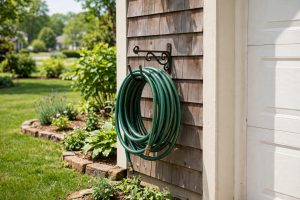
Store gloves dry and flat. A hook by the shed door beats a damp pile on the floor. Many gardeners keep gloves with their other shed tools, and a tidy garden tool storage habit protects every tool at once. Men who keep their tools clean find that guides on how to clean rusty garden tools save money on shovels and shears just as glove care saves money on gloves.
Rotate pairs. Two pairs used in turn dry fully between jobs and last far longer than one pair used daily. A spare pair in the truck or shed also covers the day a glove tears.
Patch small holes early. A dab of fabric glue on a worn fingertip adds weeks of life. When the palm wears through or the seams split, replace the pair. Worn gloves invite blisters and thorns.
Safety in the Garden
Gloves guard against more than blisters. Soil holds bacteria. A cut from a rusty nail can turn serious. Gloves keep the skin covered where tetanus and infection lurk.
Chemicals demand respect. Fertilizers and sprays irritate skin and eyes. The product label tells what protection it needs. Rubber gloves and long sleeves are the minimum when mixing or spraying. Wash the hands well after handling chemicals even when gloves were worn.
Thorns and stings are common. Thick gloves stop rose canes and bramble. They do not stop every sting. Shake gloves before putting them on. Spiders and insects shelter in dark folds overnight.
Sun and heat also matter. Long hours in summer bring heat stress. Drink water. Rest in shade. A ventilated glove keeps the hands cooler than a sealed one. Safety notes from Gardener’s Supply remind growers that steady habits matter more than any single purchase.
Children and pets share the garden. Keep sharp tools and chemical products out of reach. Store gloves where children cannot reach into them unseen.
Buying with Confidence
A little homework beats guesswork. Read several reviews before ordering. Look for comments from men with large hands. Note how the glove holds up after months of use, not just on day one.
Compare across sellers. Large home stores carry a wide range, and the Home Depot garden department lets the buyer handle many gloves side by side. Lowe’s offers similar choice. Plant specialists like Burpee sometimes stock garden gear alongside seed.
Online guides help too. The how to articles at The Spruce explain materials in plain terms. Tool reviews from Corona Tools cover the pruners and loppers that pair with good gloves.
Returns matter. Buy from a seller with a fair return policy. Try the gloves at home. If the fingers run short or the seams pinch, send them back. A good fit is worth the wait for a second pair.
Frequently Asked Questions
What size garden glove fits large hands? Measure around the knuckles. Four to four and a half inches takes a large in most brands. Four and a half to five inches takes an extra large. Always check the maker’s chart because sizes differ between brands.
Are leather or synthetic gloves better for large hands? Both serve well. Leather gives toughness and long wear. Synthetic knit with a coated palm gives comfort, grip, and a lower price. Many men keep one of each and choose by the job.
How long should a good pair last? A fine leather pair can last several seasons with care. Coated synthetic gloves often last one season of steady use. Washing, drying, and rotating pairs stretch the life of both.
Can garden gloves be washed? Yes. Wash cloth and synthetic gloves in mild soap and cool water, then air dry. Wipe leather gloves with a damp cloth and use conditioner when dry. Never machine dry leather.
Do large gloves exist for thorn protection? Yes. Thorn-proof gauntlets come in large and extra large sizes. They run to the elbow and use thick leather or layered fabric. They suit rose pruning and blackberry work.
Where should I buy them? Try garden centers and home stores first so you can test the fit. Online sellers offer more choice in large sizes. Either way, buy from a seller with easy returns.
A Final Word
The best garden gloves for men large are not the dearest pair on the shelf. They are the pair that fits the hand, suits the work, and survives the season. Measure the hand. Match the material to the job. Care for the pair after each use. Men who kneel in the beds for hours also value a good garden kneeler with handles, but it all starts with the hands. A sound glove makes the work pleasant and the harvest sweet.
References
Burpee. (n.d.). Seeds, plants, and gardening supplies. https://www.burpee.com Consumer Reports. (n.d.). Product reviews and ratings. https://www.consumerreports.org Corona Tools. (n.d.). Garden and landscape tools. https://www.corona-tools.com Family Handyman. (n.d.). DIY home repair and maintenance. https://www.familyhandyman.com Fiskars. (n.d.). Garden and cutting tools. https://www.fiskars.com Gardener’s Supply Company. (n.d.). Gardening tools and supplies. https://www.gardeners.com Lowe’s. (n.d.). Home improvement products. https://www.lowes.com The Home Depot. (n.d.). Home improvement products. https://www.homedepot.com The Spruce. (n.d.). Home and garden advice. https://www.thespruce.com
Was this guide helpful?

About Sarah Mitchell
The My Garden US editorial team writes practical, in-depth home and garden guides for American homeowners — tested advice, no fluff.
You May Also Like
Best Garden Tool Sharpener for Pruners: A Plain Guide
February 22, 2026 0 views
How to Prune Blueberry Bushes in Fall: A Simple Step-by-Step Guide
July 31, 2026 0 views
Seedling Heat Mat for Germination Reviews: What Works and What Does Not
April 4, 2026 0 views