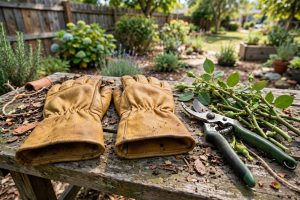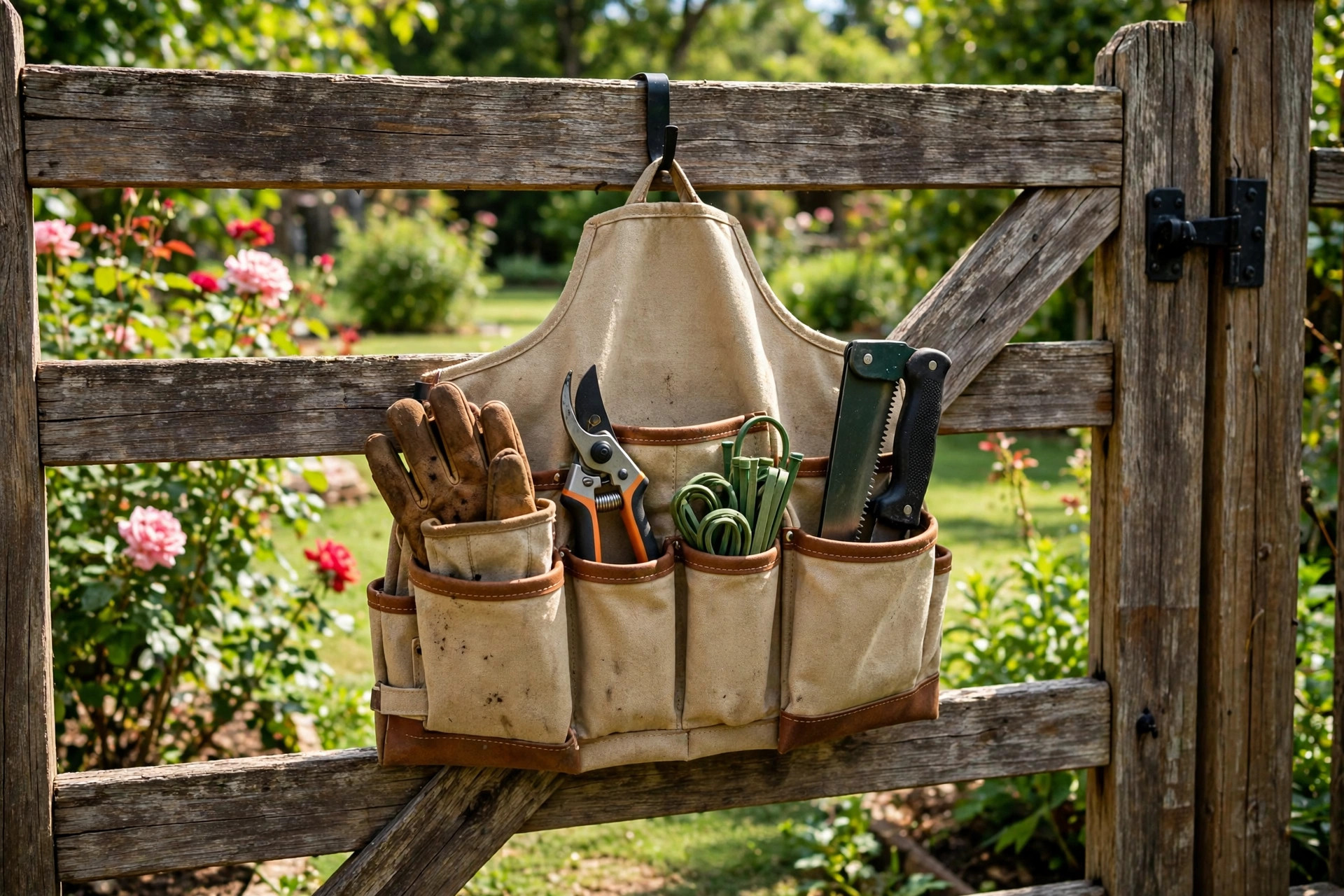

Pruning a rose bush or a fruit tree takes patience. It also takes the right tools close at hand. The best garden tool belt for pruning holds your shears, your saw, your twine, and your gloves. It keeps them on your waist. It saves trips back to the shed. It keeps small tools from getting lost in the mulch. This guide walks through what matters. It covers fit, materials, pockets, cost, care, and safety. It answers the questions most gardeners ask before they buy.
Why a Tool Belt Matters for Pruning
Pruning is stop-and-start work. You cut. You step back. You look at the shape of the branch. You cut again. Each step needs a tool in your hand and a free hand to hold the limb. When your pruners are on your belt, you reach down and take them. When the saw is in a holster at your hip, you pull it out in one motion. This rhythm keeps the work moving.
A belt also keeps tools clean and dry. Shears laid on wet grass rust. A trowel left in a flower bed disappears under leaves. A belt pocket holds each tool upright. Air moves around the blades. The tools stay sharp longer.
There is a safety side as well. Loose tools on the ground are easy to step on. A sharp pair of shears underfoot can cut a shoe. A belt keeps blades off the ground and away from children and pets. Most belts include a holster that covers the blade of a pruning saw. This small detail matters on a busy day in the yard.
For gardeners with bad backs or stiff knees, the belt earns its keep. Bending down to pick up tools strains the back. With a belt, the tools travel with you. You bend less. You finish the job with less ache.
What to Look For When You Buy: Best Garden Tool Belt for Pruning
Start with the waistband. It should fit snug but not tight. Most belts adjust from small to large with a buckle or a hook-and-loop strap. Try it over the clothes you garden in. A belt that fits over a thin shirt may pinch over a winter jacket. Leather belts stretch a little with use. Nylon webbing holds its size.
Look at the pockets next. A good pruning belt has three to six pockets. You need one deep pocket or holster for hand pruners. You need a loop for a folding saw. Smaller pockets hold plant ties, labels, and a pencil. A cell phone pocket is a nice extra. Some belts add a loop for a water bottle. Count the tools you carry on a normal day. Buy a belt with one more pocket than you think you need.
Check the material. The two common choices are canvas or nylon, and leather. Canvas and nylon are light. They wash well. They cost less. Leather is strong and lasts for years. It costs more and needs oiling now and then. For heavy pruning with a big saw, leather or a thick nylon webbing holds weight best.
Stitching tells you about quality. Look for double stitching at the pocket seams. Pull gently on the pocket edges. Loose threads at the store mean loose threads in the garden. Metal rivets at stress points are a good sign. Cheap belts skip them.
Weight matters more than people think. An empty belt should feel light in your hand. Once you load it with steel tools, it gets heavy fast. A wide waistband spreads the weight. Padded belts cost a bit more but feel much better on long pruning days.
Types and Options
Waist Belts
The classic waist belt wraps around your hips. It carries the most weight. It suits gardeners who prune for hours. It suits anyone who carries a full set of tools. Most models use a quick-release buckle. You can take the belt off fast when you come inside.
Apron-Style Belts
An apron belt ties at the waist and covers the front of your clothes. It has many small pockets. It suits light pruning and flower work. It keeps your clothes clean. It carries less weight than a full waist belt. Many gardeners use an apron for deadheading and a waist belt for tree work.
Shoulder Strap and Harness Styles
Some tool belts come with a shoulder strap or a full harness. The strap takes weight off the hips. It suits gardeners with back trouble. It suits anyone who carries heavy tools like a large pruning saw. The harness adds cost and takes longer to put on. For short jobs, it is more than you need.
Pouches You Clip On
If you own a sturdy work belt, you can buy clip-on pouches instead. A pruner holster clips to any belt. A small tool pouch clips beside it. This is the cheapest way to start. It is also easy to change the setup for different jobs. The pouches can shift on a smooth belt, so look for a belt loop or a clip that locks.
Cost and Price
Most garden tool belts cost between ten and forty dollars. A simple canvas belt with four pockets sits near the low end. A leather belt with brass fittings sits near the high end. Shoulder harness models cost more, often forty to sixty dollars.
Price tracks with material and stitching. A ten-dollar belt may last two seasons. A thirty-dollar belt with rivets and thick webbing may last ten years. Think about how often you prune. If you prune every week in a big yard, buy the better belt. If you trim a few bushes in spring, the basic belt is fine.
Watch for hidden costs. Some belts sell the holster and the pouches apart. Read the listing. A belt that looks cheap may need three add-on pouches. A kit that includes the holster and two pouches often costs less than buying each piece alone.
Sales come in late winter. Stores clear garden stock in February and March. That is the best time to buy. Online shops run spring sales as well. The big home improvement stores compare well on price, and you can check their garden departments for current deals at Home Depot. Gardening supply sites such as Gardener’s Supply often bundle belts with pruners at a lower price than buying each item alone.
Care and Upkeep
A clean belt lasts longer. Shake out dirt after each use. Brush off sap with a stiff brush. Canvas and nylon belts can go in the wash on a gentle cycle. Air dry them. Do not put them in the dryer. Heat weakens nylon webbing.
Leather belts need oil. Rub in a little linseed oil or leather conditioner twice a year. This keeps the leather soft. It stops cracks. Keep leather out of long rain. If it gets wet, let it dry slowly at room temperature.
Check the stitching each spring. Restitch loose seams before they open. A small repair takes five minutes with a heavy needle and thread. A torn pocket in the middle of pruning season is harder to fix.
Store the belt in a dry place. Hang it on a hook in the shed. Do not leave it on the ground where dampness creeps in. Keep your pruners sharp and clean before they go back in the holster. A sharp tool is safer than a dull one. A light coat of oil on the blades stops rust. You can read more about edge care in our guide on how to sharpen garden tools properly. Tool makers like Corona and Fiskars publish simple care sheets for their pruners, and those steps work for any brand.
Safety
Pruning tools are sharp. Treat the belt as part of your safety gear. Put shears back in the holster after every cut. Do not carry open blades in your hand while you climb a ladder. Never reach across your body with a saw.
Wear gloves when you prune thorny plants. Roses and barberry tear skin. A belt pocket should hold a spare pair. Wear eye protection when you cut overhead. A falling branch can strike your face. Safety glasses cost little and save a lot.
Keep children away from the work area. A belt keeps tools on your body, but a curious child can still reach a holster. Tell children to stay back while you prune. Put tools away when you take a break. Never leave a loaded belt on the ground where a child can find it.
Check ladder safety too. Pruning high branches from a ladder is risky. Keep three points of contact. Do not lean out to reach. A belt helps because both hands stay free to hold the ladder while you climb. Move the ladder instead of stretching.
FAQ
How many pockets do I need?
Three to six pockets cover most pruning jobs. You need a holster for pruners, a loop or deep pocket for a saw, and two small pockets for ties and labels. More pockets add weight. Fewer pockets force you to carry tools in your hands.
Can I use a carpenter’s tool belt for pruning?
You can, but it is not ideal. Carpenter belts are heavy. They are made for hammers and nails. Their pockets are too deep for short pruners. A garden belt is lighter and shaped for pruning tools. If you already own a carpenter belt, try clip-on garden pouches on it first.
What is the best material for a pruning tool belt?
For most gardeners, heavy canvas or nylon webbing is the best pick. It is light, cheap, and easy to wash. Leather is best for heavy daily use. It costs more but lasts longer. Avoid thin plastic belts. They crack in the sun.
Should the belt be worn over or under a jacket?
Wear it over your outer layer. The belt must sit where you can reach it. Under a jacket, the pockets hide. In cold weather, adjust the waistband to fit over the jacket. This is why an adjustable strap matters.
How do I stop the belt from slipping down?
Tighten the waistband so it sits on your hips, not your waist. A wide band grips better than a narrow one. Some gardeners add suspenders. A shoulder strap model solves the problem for good. Keep the heaviest tools at the front, where they pull less.
Do I need a special belt for left-handed pruning?
Most belts work for both hands. Holsters often fit either side. Check the listing before you buy. A few models are made for the right side only. If you are left-handed, look for a belt with a reversible holster or buy a separate left-side pouch.
A Final Word
The best garden tool belt for pruning is the one you wear every time you prune. It should fit well. It should hold your tools. It should cost what your budget allows. Start simple if you are new to pruning. A basic canvas belt teaches you what pockets you use and which you skip. Upgrade later when you know your habits.
Good pruning is quiet work. A sharp shear, a steady hand, and a tool belt that keeps everything in reach. That is all you need. The trees and roses will show the result. For broader advice on garden gear and yard care, the guides at The Spruce cover tools and techniques in plain language, and Bob Vila offers long-tested home and garden how-tos. Seed and plant specialists such as Burpee also share useful seasonal care notes. When you want to compare models side by side, Consumer Reports rates garden tools on durability and value, and Family Handyman has practical shop-tested reviews.
Related guides on this site include best garden hose for large yards.
References
Bob Vila. (n.d.). Home improvement advice. https://www.bobvila.com Burpee. (n.d.). Seeds, plants, and gardening supplies. https://www.burpee.com Consumer Reports. (n.d.). Product reviews and ratings. https://www.consumerreports.org Corona Tools. (n.d.). Garden and landscape tools. https://www.corona-tools.com Family Handyman. (n.d.). DIY home repair and maintenance. https://www.familyhandyman.com Fiskars. (n.d.). Garden and cutting tools. https://www.fiskars.com Gardener’s Supply Company. (n.d.). Gardening tools and supplies. https://www.gardeners.com The Home Depot. (n.d.). Home improvement products. https://www.homedepot.com The Spruce. (n.d.). Home and garden advice. https://www.thespruce.com
Was this guide helpful?

About Sarah Mitchell
The My Garden US editorial team writes practical, in-depth home and garden guides for American homeowners — tested advice, no fluff.
You May Also Like
Best Grow Bags for Potatoes Reviews: What to Know Before You Buy
March 20, 2026 0 views
Drip Emitter Spacing for Vegetable Gardens: A Complete Guide
February 26, 2026 0 views
Best Garden Fork for Turning Compost: How to Pick the Right One
January 14, 2026 0 views