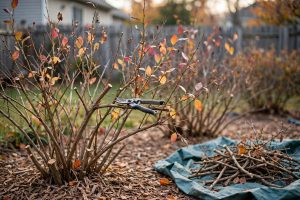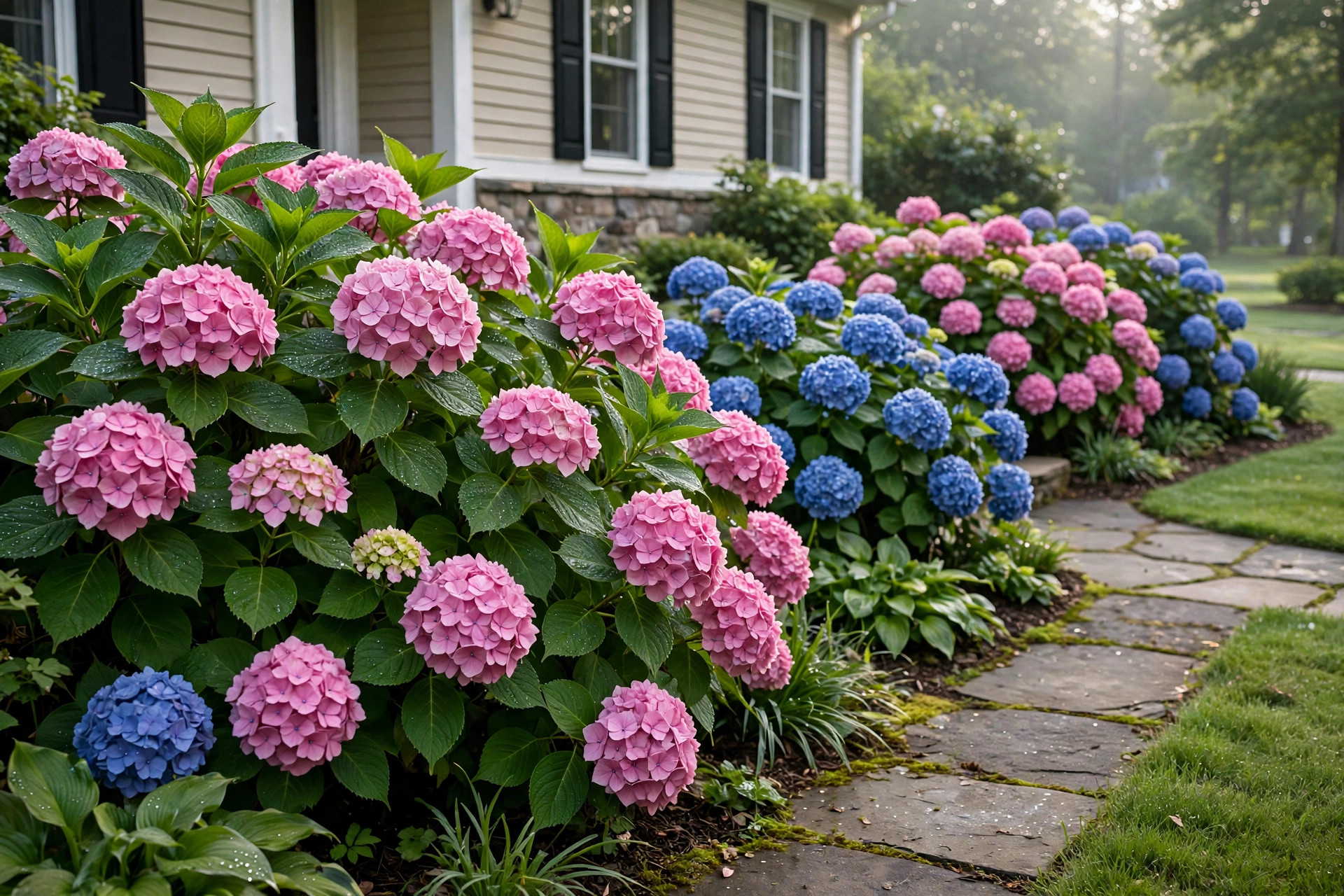

Many home gardeners grow hydrangeas. The large flower heads are hard to match. But a bush that blooms well one year may bloom poorly the next. The cause is often bad pruning. When you learn how to prune hydrangeas by type, you make the right cuts at the right time. Each type of hydrangea sets its flower buds on different wood. Some types bloom on old wood. Other types bloom on new wood. This one fact changes everything about pruning. In this guide you will learn how to tell the types apart, when to prune each type, and which tools to use. The steps are plain and simple. They work in any home garden.
Why It Matters
Pruning shapes the plant and controls its size. A hydrangea left alone for years grows tall and tangled. The inner stems get no light. Flowers form only at the top. Good pruning opens the center. Light reaches the inner stems. Air moves through the plant. The bush grows stronger and blooms more.
Pruning also removes dead and weak wood. Dead stems invite disease. Cut them out and the plant stays healthy.
Timing is the heart of the matter. Prune at the wrong time and you cut off next year’s flowers. Many gardeners learn this the hard way. They cut a bigleaf hydrangea to the ground in fall. The next summer brings leaves but no blooms. The buds were already set on the old stems. The gardener cut them away. This mistake is easy to avoid. You only need to know your hydrangea type and prune in the right season.
The Common Hydrangea Types: How to Prune Hydrangeas By Type
There are six types that most American gardeners grow. Each one prunes differently. Learn to name your type first. Then the rules become clear.
Bigleaf Hydrangea
The bigleaf hydrangea is the most common type. It has large round flower heads. The flowers may be pink or blue. Color depends on soil. Some bigleaf types have flat lacecap flowers instead of round mopheads. Both forms prune the same way.
Bigleaf hydrangeas bloom on old wood. The buds form in late summer and fall. They sit on the stems through winter. In spring they open into flowers. Never cut these stems in fall, winter, or early spring. The safe time to prune is right after the flowers fade in summer. Cut back spent blooms. Remove dead stems at the same time. Keep shaping light.
Panicle Hydrangea
Panicle hydrangeas grow cone-shaped flower heads. The blooms are white at first. Many turn pink in fall. These shrubs can grow quite tall.
Panicle hydrangeas bloom on new wood. New stems grow in spring. Buds form on that fresh growth. Flowers open in summer. This makes pruning simple. Prune in late winter or early spring. The buds have not formed yet. You can cut stems back hard. Many gardeners cut them back by one third each year. This keeps the plant full and strong.
Smooth Hydrangea
The smooth hydrangea is a native American shrub. It grows round white flower heads in summer.
Like the panicle type, it blooms on new wood. Prune it in late winter or early spring. You can cut all stems back to the ground if you wish. The plant will send up fresh stems. Those stems will bloom the same summer. Many gardeners cut smooth hydrangeas back each year. This keeps them neat and full of flowers.
Oakleaf Hydrangea
The oakleaf hydrangea has leaves shaped like oak leaves. The flower heads are long white cones.
Oakleaf hydrangeas bloom on old wood. The buds form the year before. Prune them the same way as bigleaf types. Cut only after the flowers fade in summer. Remove dead wood first. Then shape lightly. These shrubs need little pruning. They look best with a natural shape.
Climbing Hydrangea
The climbing hydrangea grows up walls and trees. It clings with small roots along its stems. It blooms with flat white flower heads in early summer.
It blooms on old wood. Prune it in summer right after flowering. Cut back side shoots to shape the plant. You do not need to prune much. Remove only dead stems and stray shoots.
Mountain Hydrangea
The mountain hydrangea looks much like the bigleaf type. Its flowers are often lacecap. It is hardy in cold zones.
It blooms on old wood, like bigleaf. Prune it in summer after the flowers fade. Keep cuts light. Remove spent blooms and dead stems.
If you are not sure which type you own, watch the blooms for one full year. Note when buds form and when flowers open. The garden guides at The Spruce can help you match your plant to photos. You can also ask at a local nursery. Bring a photo of the leaves and flowers.
What to Look for in Pruning Tools
Good tools make clean cuts. Clean cuts heal fast. Ragged cuts invite disease. Three tools cover nearly all hydrangea work.
Bypass pruners are the main tool. They work like scissors. Two curved blades pass each other. They cut living stems up to three quarters of an inch thick. Choose a pair that fits your hand. Makers such as Fiskars and Corona Tools sell pruners in many sizes. If you also grow roses, read our guide to the best pruning shears for rose bushes before you buy.
Loppers handle thicker stems. They have long handles for extra force. They cut stems up to two inches thick. You need them for old panicle hydrangeas with thick base stems.
A small pruning saw cuts the thickest old stems. It also removes dead wood at the base. Keep the blade sharp. A dull saw tears the bark.
Clean your tools before you start. Wipe the blades with rubbing alcohol. Clean them again between plants. This stops disease from spreading. Sharpen the blades once or twice a year. A sharp blade cuts with less force.
When to Prune Each Type
Timing is the main skill in learning when to prune hydrangeas. The rule is simple. Old wood bloomers get pruned in summer. New wood bloomers get pruned in late winter.
Old wood bloomers include bigleaf, oakleaf, climbing, and mountain types. Prune them in the weeks after the flowers fade. In most zones this means July or August. Do not prune later. New buds form in late summer. Late cuts remove them.
New wood bloomers include panicle and smooth types. Prune them in late winter or early spring. The plant is still asleep. No buds have formed. You can cut with confidence. Many gardeners prune when the forsythia blooms. Burpee offers fine seasonal garden guides that list pruning times by zone.
Dead wood is the one exception. You can cut dead stems at any time of year. Dead stems are brown and dry inside. They snap when you bend them. Living stems bend and show green under the bark. When in doubt, wait.
In cold zones, winter can kill stem tips. Wait until spring to cut the damage. The plant will show you what died. Cut back to healthy green wood. This spring cleanup is safe for all types.
How to Prune, Step by Step
Follow these steps for any hydrangea type. Adjust the timing to your type, as the last section explains.
First, gather your tools. Bring bypass pruners, loppers, and a small saw. Bring a bucket for the cut stems. Wipe all blades with rubbing alcohol.
Second, remove dead wood. Cut each dead stem back to its base, or back to a living side stem. Dead stems have no leaves. The bark is dull and gray.
Third, remove weak and crossing stems. Stems that rub against each other let disease in. Keep the stronger stem. Cut the weaker one at its base.
Fourth, shape the plant. Step back and look at the whole bush. Cut stems that stick out too far. Make each cut just above an outward-facing bud. Never remove more than one third of the plant in one year.
Fifth, cut spent blooms if you wish. This step is called deadheading. On bigleaf types, cut the flower head back to the first strong pair of leaves. Do not cut deeper in late summer. You may cut into next year’s buds.
Sixth, clean up. Rake the cut stems from under the bush. Add healthy stems to your compost pile. Bag any stems that show spots or mold.
For a full photo guide to these steps, the Gardener’s Supply Company site shows each cut in clear pictures. The crew at Family Handyman also posts fine step-by-step garden projects for home owners.
Cost and Price
Pruning hydrangeas costs little. The tools are the main cost. A good pair of bypass pruners costs between twenty and sixty dollars. Loppers cost between thirty and eighty dollars. A small pruning saw costs between fifteen and forty dollars. These tools last for many years with care. The Home Depot and Lowe’s both stock wide ranges at fair prices. Consumer Reports tests garden tools and rates them for value.
Rubbing alcohol and a sharpening stone cost only a few dollars. Gloves cost ten to twenty dollars. A sturdy pair is worth the price.
Some home owners hire the work out. A garden service may charge fifty to one hundred dollars per hour. Pruning a few hydrangea bushes takes about one hour. Most home owners can do this job themselves. The skill is easy to learn. The tools pay for themselves in one season.
Care and Upkeep After Pruning
Water the plant well after pruning. Fresh cuts lose some moisture. A deep watering helps the plant recover. Give the bush one inch of water per week in dry spells. Water the soil, not the leaves. Wet leaves invite leaf spot disease.
Spread mulch around the base. Use two to three inches of bark or wood chips. Keep the mulch a few inches away from the stems. Mulch holds soil moisture and keeps roots cool in summer.
Feed the plant in spring. Use a balanced slow-release fertilizer. Follow the rate on the bag. Do not overfeed. Too much food grows leaves at the cost of flowers.
Watch for pests in the weeks after pruning. Aphids like fresh new growth. A strong spray of water knocks them off.
If you grow other flowering shrubs, the same care habits apply. Our guide on how to prune roses in spring covers feeding and cleanup for rose beds. And if you grow herbs, see how to prune lavender for beginners for timing tips on a different kind of shrub.
Safety
Pruning is safe work, but a few rules keep it that way. Wear gloves every time. Hydrangea stems can scratch. Old dead wood can splinter.
Wear eye protection when cutting overhead. A falling stem can strike your eye. Cheap safety glasses work fine. Wear long sleeves when reaching into the center of a large bush.
Keep blades sharp and clean. A sharp blade needs less force. Less force means less chance of a slip. Cut away from your body.
Use a stable ladder for tall panicle hydrangeas. Do not stand on the top step. Better yet, use loppers with long handles from the ground.
Clean up all cut stems when you finish. Wet stems on a path are a slip risk. Store tools out of the reach of small children. Wipe blades dry before you store them. A light coat of oil stops rust. Bob Vila offers plain home safety checklists that cover tool storage and ladder use.
Frequently Asked Questions
Why did my hydrangea not bloom this year? The most common cause is pruning at the wrong time. If you cut an old wood bloomer in fall or spring, you removed the buds. Cold damage is the next most common cause. A late frost can kill buds on the stem tips. Too much shade also cuts blooms.
Can I cut my hydrangea back to the ground? It depends on the type. Panicle and smooth types bloom on new wood. You can cut them to the ground in late winter. They will regrow and bloom the same year. Never do this to bigleaf, oakleaf, climbing, or mountain types. They bloom on old wood. You will get leaves but no flowers.
When should I prune hydrangeas in cold climates? Wait until spring. Winter cold may kill some stem tips. Let the plant leaf out first. Then cut the dead tips back to healthy wood. This spring cleanup is safe for every type. Do your main pruning after that, in the right season.
How much can I cut off at one time? Never remove more than one third of the plant in a single year. This rule holds for all types. The plant needs its leaves to make food. Heavy cutting weakens the shrub. If a bush is badly overgrown, spread the work over two or three years.
Do I need to deadhead spent blooms? No, it is not required. The plant will bloom again next year either way. Deadheading keeps the bush tidy. Cut each spent head back to the first strong leaves. Stop deadheading by late summer so new buds can set.
A Short Final Word
Pruning hydrangeas is a simple skill. The whole secret is knowing your type. Old wood bloomers get light summer cuts. New wood bloomers get harder late winter cuts. Use sharp clean tools. Never take more than one third. Water and mulch when the work is done. Follow these rules and big blooms will return every summer, year after year.
References
Bob Vila. (n.d.). Home improvement advice. https://www.bobvila.com Burpee. (n.d.). Seeds, plants, and gardening supplies. https://www.burpee.com Consumer Reports. (n.d.). Product reviews and ratings. https://www.consumerreports.org Corona Tools. (n.d.). Garden and landscape tools. https://www.corona-tools.com Family Handyman. (n.d.). DIY home repair and maintenance. https://www.familyhandyman.com Fiskars. (n.d.). Garden and cutting tools. https://www.fiskars.com Gardener’s Supply Company. (n.d.). Gardening tools and supplies. https://www.gardeners.com Lowe’s. (n.d.). Home improvement products. https://www.lowes.com The Home Depot. (n.d.). Home improvement products. https://www.homedepot.com The Spruce. (n.d.). Home and garden advice. https://www.thespruce.com
Was this guide helpful?

About Michael Thompson
The My Garden US editorial team writes practical, in-depth home and garden guides for American homeowners — tested advice, no fluff.
You May Also Like
Best Garden Rake for Gravel Reviews: What to Know Before You Buy
June 1, 2026 0 views
Best Garden Cart for Seniors Reviews: How to Pick the Right Cart
August 28, 2026 0 views
How to Build a Keyhole Garden Bed in Your Own Yard
July 16, 2026 0 views