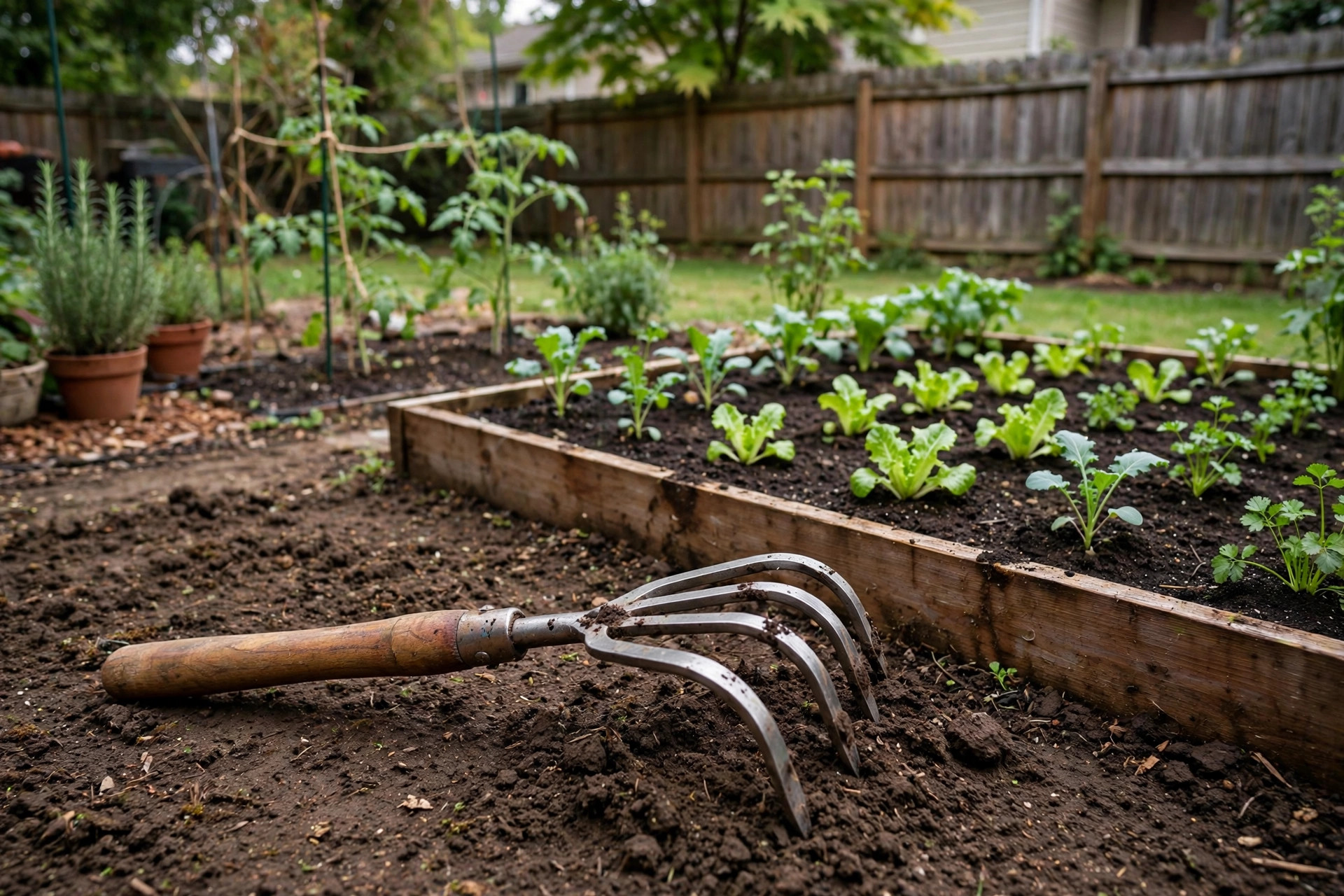

Weeds arrive early in the season and stay late. A full bed can turn into a green mat of crabgrass, dandelion, and chickweed in a matter of weeks. Large tools cannot reach into tight rows or around small plants. This is where a hand cultivator earns its keep. The best hand cultivator for weeding reviews point to a simple truth: a small, well made tool does more work than it should, and gardeners who own one reach for it every single day of the growing season.
A hand cultivator is a short handled tool with three or four curved steel tines at one end. You grip it in one hand, drag the tines through the soil, and lift small weeds out by the roots. It also loosens the top layer of earth, which helps water and air reach plant roots. The tool is light, cheap, and easy to store. Most reviews agree that no vegetable bed or flower border is complete without one.
Why a Hand Cultivator Matters
Weeds compete with your plants for water, light, and food in the soil. A young tomato plant that shares its bed with a crowd of weeds grows slower and yields less. Hand weeding without tools tears the top off the weed and leaves the roots behind. The roots then send up new shoots within days.
A cultivator breaks this cycle. Its tines sink into the soil and cut under the roots, pulling the whole weed out in one motion. The disturbed soil then dries in the sun, and any tiny seedlings left behind die before they can take hold. Gardeners in reviews report that ten minutes of cultivating every few days keeps a bed nearly weed free.
The tool also protects nearby plants. A long handled hoe can swing wide and clip the stems of seedlings. A hand cultivator works in a small area with fine control. You can weed between rows of lettuce that sit only four inches apart, or circle a fragile flower without harm. For container gardens and raised beds, the hand cultivator is often the only tool that fits.
What to Look for in a Weeding Hand Cultivator: Best Hand Cultivator for Weeding Reviews
Reviewers across many sites test dozens of models. The same features come up again and again. When you shop, weigh these points in order.
Tine Design and Steel Quality
The tines do the work. Three tines suit most jobs, giving a balance of coverage and precision. Four tines cover more ground but can snag in dense weeds. Curved tines cut deeper than straight ones, while pointed tips enter hard soil with less force.
Steel quality matters most. Heat treated carbon steel holds its shape and resists bending. Cheap soft metal bends on the first root. The best reviewed models use forged steel or strong cast aluminum. Many reviewers test a cultivator by dragging it hard through packed soil. A tool that keeps its tines straight earns praise. Rust resistance is a bonus. Coated or stainless tines last longer in wet climates.
Handle Comfort and Grip
You will use this tool in a bent or kneeling position for long stretches. The handle must feel right. Wood handles look classic and absorb shock, but they can crack if left out in the rain. Cushioned plastic handles stay soft on the hands and survive weather well.
Reviewers with hand pain look for ergonomic shapes. A handle that fills the palm reduces strain on the wrist. Some models add a soft rubber coating or a wide grip that spreads the pressure. A few designs use a pistol grip that keeps the wrist straight. If you garden for an hour at a time, grip comfort can matter more than tine shape.
Shaft Length and Weight
Most hand cultivators measure between eleven and thirteen inches long. A longer shaft gives more reach but less control. A short shaft fits tight spaces between plants. Weight ranges from a few ounces to nearly a pound. A heavy forged tool powers through hard soil, while a light one keeps your arm fresh during long weeding sessions. Most reviewers prefer the middle ground: a tool near ten ounces with a solid feel.
One Piece vs Assembled Construction
One piece forged tools rank highest for strength. There is no joint that can loosen or snap. Two piece tools with a plastic handle fixed to a metal head work well when the joint is tight. Reviewers often mention how the handle is joined. A loose head is the most common complaint in negative reviews. Avoid tools where the head wobbles in the box.
Types of Hand Cultivators Compared
Hand cultivators come in several shapes. Each suits a different job.
The Three Tine Claw
This is the classic. Three curved tines form a small claw. It breaks crust on the soil surface, lifts young weeds, and mixes in mulch. Reviews call it the most useful general weeding hand tool. It works well in soft to medium soil.
The Four Tine Cultivator
Four tines cover a wider path. It suits larger beds and open rows where speed matters. The trade off is precision. In tight plantings the outer tines can catch stems. Gardeners with big vegetable plots favor this shape.
The Japanese Weeding Kama
The kama has a flat angled blade instead of tines. You push or pull it just under the soil surface to slice weed roots. It cuts faster than a claw on young weeds in soft soil. It does less to loosen deep crust. Many reviewers keep both a claw cultivator and a kama in the tool basket.
The Ergonomic Cultivator
Ergonomic models use shaped handles and angled heads. They cost more, but reviewers with arthritis or weak wrists often call them the best hand cultivator for weeding they have tried. The design trades a little raw power for all day comfort.
Top Picks from the Reviews
Reviewers and testing teams praise a short list of qualities rather than one perfect brand. The top rated hand cultivators share these traits: forged steel tines, a secure one piece or tight two piece head, and a comfortable weather proof handle.
Heavy duty forged models earn the highest marks for strength. Testers at major review sites drag them through clay and packed earth, and the tines stay straight. Mid priced cushioned grip models win on comfort. They suit gardeners who weed for long sessions. Budget claw cultivators with solid steel heads and wooden handles still get strong reviews when the join is tight. The low price makes them easy to replace, and many gardeners keep two or three around the beds.
When you compare hand cultivator for weeding options, read recent reviews on trusted retailer and magazine sites. Look at the one and two star comments. They reveal real weak points, like handles that snap at the neck or coatings that peel. A tool with hundreds of reviews and a high average is usually a safe buy. Sites that test tools in real soil, such as the garden guides published by major home improvement retailers, add useful detail beyond star ratings.
Cost and Price
Hand cultivators are one of the cheapest tools in the shed. Most cost between five and twenty dollars. Budget models under ten dollars work fine in soft soil. They suit new gardeners and small beds.
Mid range tools from twelve to twenty dollars use better steel and more comfortable handles. They are the sweet spot for most people. Premium ergonomic or forged tools can reach twenty five to thirty five dollars. They pay off if you garden daily or deal with hard soil.
Price alone does not tell the whole story. A seven dollar tool with forged steel can outlast a twenty dollar tool with weak construction. Read the reviews, then buy once. Replacing a broken cultivator every season costs more than buying a good one at the start.
For tight budgets, pair the cultivator with a basic weeding hand tool set. Many gardeners add a garden hoe for weeding reviews for rows and beds, or a garden trowel for planting reviews for transplant work. Each tool has its job, and together they cover a small garden well.
Care and Upkeep
A hand cultivator lasts for years with simple care. Clean it after each use. Knock off loose soil, then wipe the tines with a rag. Soil left on steel draws moisture and starts rust.
Oil the metal a few times each season. A thin wipe of vegetable oil or machine oil on the tines keeps rust away. Store the tool under cover. Rain and sun wear out handles and rust steel. Hang it on a hook in the shed so the head does not sit in damp earth.
Sharpen the tines once a year if they dull. A metal file restores the point in a few strokes. Check wooden handles for cracks and sand any rough spots. Replace the tool when tines bend beyond repair or the head loosens. A wobbly head can fly off during a hard pull and hurt a hand.
Safety Tips
Hand cultivators are safe tools, but a few rules keep them that way. Wear gloves. Tines scratch skin, and soil can carry germs into small cuts. Keep the tool low to the ground and pull away from your body. Never store a cultivator head up in a basket where a reaching hand can find the points.
Work in daylight so you can see roots and avoid plant stems. Keep children away from sharp garden tools, and put tools away after the job. Do not leave a cultivator lying in the bed where it can hide under leaves and prick bare feet. For heavy weeding in hard packed ground, consider a garden fork for clay soil to loosen the earth before you follow up with the cultivator.
Frequently Asked Questions
What is a hand cultivator used for?
A hand cultivator loosens soil and pulls small weeds. You drag its curved tines through the top inch or two of earth. It breaks crust, lifts weed seedlings by the roots, and mixes in mulch or fertilizer. It is made for close work around plants where big tools do not fit.
How deep should a hand cultivator dig?
Work the top one to two inches of soil. That depth kills most weed seedlings without harming the shallow roots of your plants. Going deeper can cut feeder roots of vegetables and flowers. For deep weeds with taproots, lift the soil around them first, then pull by hand.
Is a hand cultivator better than a hoe for weeding?
Each has its place. A hand cultivator suits tight spaces, raised beds, and small weeds. A hoe covers open rows faster and handles taller weeds. Many gardeners own both. Use the cultivator for fine work and the hoe for the wide open stretches.
Can a hand cultivator remove deep rooted weeds?
It helps, but it is not the best tool for deep roots. Dandelions and thistles send roots far down. A cultivator loosens the soil around them so you can grip and pull the full root. For a clean pull, water the bed first to soften the soil, then dig under the weed with the tines and lift slowly.
How do I clean rust off a hand cultivator?
Scrub the rust with steel wool or a wire brush. Wipe the metal dry, then coat it lightly with oil. For heavy rust, soak the head in white vinegar for a few hours before scrubbing. After cleaning, store the tool in a dry place to keep rust from returning.
What is the best hand cultivator for weeding in clay soil?
Choose a forged steel model with strong pointed tines. Clay resists soft tools. Water the ground first so the soil gives way, then work the cultivator in short pulls. Avoid forcing the tines. For the hardest spots, loosen the bed with a fork first, then finish with the cultivator.
A Short Final Word
The best hand cultivator for weeding reviews all end in the same place. Buy a solid tool, keep it sharp and dry, and use it often. Weeds grow a little each day, and a cultivator turns a big Saturday chore into a few easy minutes. The tool costs less than a bag of fertilizer and works for years. For the small effort it asks, it gives back clean beds, healthy plants, and more time to enjoy the garden.
For more background, see Lowe’s, Corona Tools, and Burpee. For more background, see The Spruce, Bob Vila, and Family Handyman. See Consumer Reports for more detail.
References
Bob Vila. (n.d.). Home improvement advice. https://www.bobvila.com Burpee. (n.d.). Seeds, plants, and gardening supplies. https://www.burpee.com Consumer Reports. (n.d.). Product reviews and ratings. https://www.consumerreports.org Corona Tools. (n.d.). Garden and landscape tools. https://www.corona-tools.com Family Handyman. (n.d.). DIY home repair and maintenance. https://www.familyhandyman.com Gardener’s Supply Company. (n.d.). Gardening tools and supplies. https://www.gardeners.com Lowe’s. (n.d.). Home improvement products. https://www.lowes.com The Spruce. (n.d.). Home and garden advice. https://www.thespruce.com
Was this guide helpful?

About Robert Taylor
The My Garden US editorial team writes practical, in-depth home and garden guides for American homeowners — tested advice, no fluff.
You May Also Like

Greenhouse for Backyard Beginners Guide
April 9, 2026 0 views
Best Garden Shears for Hedges Reviews: What Homeowners Should Know
February 22, 2026 0 views
The Best Garden Hand Tools for Seniors: Comfort and Control in the Yard
February 23, 2026 0 views