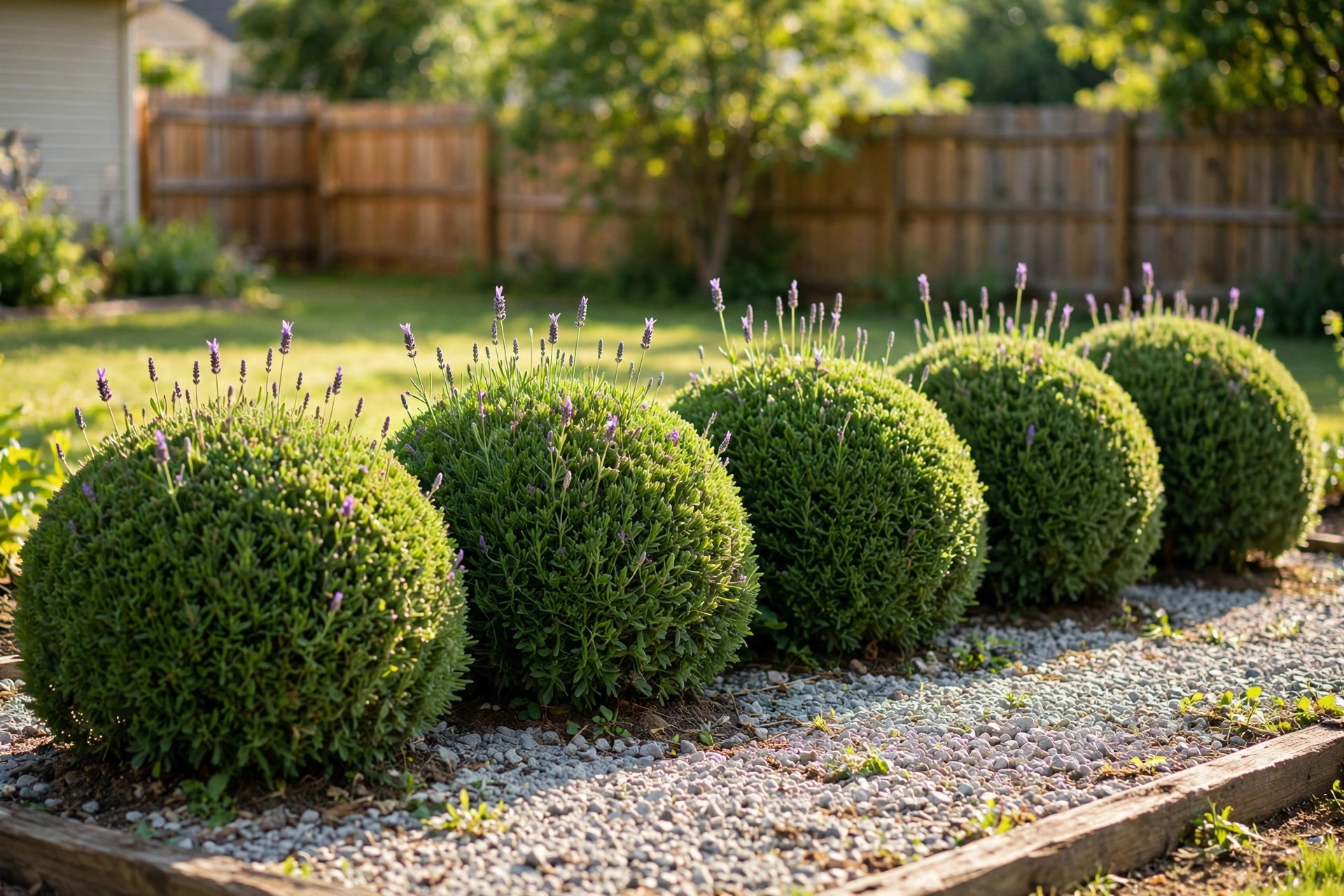

Learning how to prune lavender for beginners is one of the most useful skills a new gardener can pick up. Lavender is a lovely plant. It gives color, scent, and flowers that bees love. But without regular cutting it turns woody and thin. The stems grow long and bare at the base. The blooms get fewer each year. Pruning keeps the plant round, full, and full of flowers. It is not hard work. A pair of sharp shears and a few simple rules are all you need.
Many new gardeners feel nervous before the first cut. They fear they will harm the plant. In truth, lavender is tougher than it looks. A proper cut in the right season makes it stronger, not weaker. This guide walks through each step in plain words.
Why Pruning Lavender Matters
Lavender is a woody herb. Each year it puts out soft new green growth on top of older, harder stems. The flowers appear on the new growth. If you never cut it back, the green growth moves higher each season. The base turns into thick brown wood that can never grow leaves again. The plant starts to look open and messy. In time the center splits apart and the plant dies.
Pruning stops this from happening. Each cut tells the plant to push out fresh side shoots low down. Those side shoots keep the base full and green. The plant stays in a neat mound shape that holds its form through wind and rain. Blooming improves as well. A well pruned plant carries far more flower stems than one left alone. The scent grows stronger too, since most of the fragrant oil sits in the new growth.
Regular pruning also helps the plant live longer. A lavender bush that is cut each year can stay healthy for ten years or more. One that is ignored may last only four or five. A few minutes of work each summer adds years to the life of the plant.
The Tools You Need: How to Prune Lavender for Beginners
Lavender does not ask for fancy gear. Three basic tools cover almost every job.
Bypass pruning shears. This is the main tool. Bypass shears work like scissors, with two curved blades that slide past each other. They make clean cuts that heal fast. Anvil shears, which crush the stem against a flat plate, are a poor choice for lavender. They bruise the soft stems. For clean work, start with a guide to the best pruning shears for rose bushes — many of the same qualities matter for lavender: sharp bypass blades, a comfortable grip, and a size that fits your hand.
Garden scissors or herb snips. Small straight-bladed scissors are handy for deadheading, which means snipping off spent flower heads. They are also good for cutting a few sprigs for the kitchen. If you plan to harvest lavender for cooking or crafts, a look at the best garden scissors for harvesting herbs will help you pick a pair that cuts stems without crushing them.
Keep every blade sharp. A dull edge tears stems instead of cutting them. Torn stems invite disease. Wipe the blades with a cloth and a little rubbing alcohol between plants. This keeps disease from spreading. Oil the pivot now and then so the tool opens and closes smoothly. Quality hand pruners from makers such as Fiskars and Corona Tools are built to be sharpened and kept for many seasons.
You may also want a small hand rake and a bucket. Rake the cut stems away from the base so air can move through the plant. A bucket holds the stems you take off. The cut flowers can be tied in bundles and dried. They keep their scent for months in a dry room. All of these basics are easy to find at big garden centers such as The Home Depot and Lowe’s.
When to Prune Lavender
Timing matters more than technique. Cut at the wrong time and you may lose flowers or weaken the plant before winter.
Main pruning: just after the first bloom fades. In most regions this falls in mid to late summer. Wait until the bees have worked the flowers and the color starts to fade. Then cut the whole plant back. This is the one pruning session you must not skip.
Light tidy: early spring. Once new green growth starts at the base in spring, trim off any winter damage. Do not cut hard in spring.
Deadheading: through the bloom season. Snip off flower stems as they fade, cutting down to the first set of leaves. This often brings a second, smaller flush of blooms.
Never prune late in fall. New growth made after a fall cut has no time to harden before frost. Stop all pruning at least six weeks before the first expected frost. Gardeners in cold zones should check hardiness advice from sources like Burpee and Gardener’s Supply.
Know Your Lavender Type
Not all lavender behaves the same way. Three types are common in home gardens.
English lavender (Lavandula angustifolia) is the most popular. It is hardy, sweetly scented, and good for cooking. It takes pruning well and responds with dense, round growth.
French and Spanish lavender (Lavandula stoechas and related types) have showy flower heads with petal-like tops. They bloom earlier and often rebloom. They need lighter, more frequent cuts and are less cold hardy.
Lavandin (Lavandula x intermedia) is a hybrid with long stems and strong scent. It grows large fast and is often used for oils and dried bundles. It can take a firm annual cut but should never be cut into old wood.
If you do not know your type, look at the flower head. English types have slim, plain flower spikes. French types wear frilly tops that look like little flags.
How to Prune Lavender, Step by Step
Stand back and look at the plant before you cut. Note its shape. Your goal is a soft dome, like a half ball, with the center slightly higher than the edges.
Step 1: Gather the stems
For a tidy cut, bunch a section of stems together in one hand. This gives you control and keeps the cut even. Work around the plant in sections rather than snipping here and there.
Step 2: Find the green line
Look down each stem. You will see soft green growth at the top and gray-brown wood below. The green line is where last year’s wood ends and this year’s green growth begins. You must cut above this line. Never cut into the brown wood. Old wood has no buds that can grow. A cut made below the green leaves will leave a dead stub.
Step 3: Cut back by one third to one half
Trim the green growth back by about one third in a normal year. If the plant is healthy and vigorous, you can take up to one half. Angle your cuts slightly so the dome shape stays even all around. Step back often to check the shape. It is easy to cut too much on one side.
Step 4: Deadhead through the season
When a flower stem fades, cut it off down to the first pair of leaves below the flower head. Do this through the bloom months. A light pair of garden snips for deadheading flowers makes this quick work. Each snip costs only a second. The reward is more blooms and a plant that never looks scruffy.
Step 5: Pruning a young plant
In the first year after planting, prune lightly. Trim the flower stems after they fade, and take just an inch or two of green growth with them. The goal in year one is roots, not shape. A young plant that is cut too hard will sulk and grow slowly. Let it build strength.
Step 6: Dealing with an old, woody plant
An old plant that has never been pruned may be mostly bare wood at the base. Be honest with yourself: you cannot make old wood grow leaves again. Cut back to the lowest green growth and hope the plant pushes new shoots. Sometimes it works. Often the plant is too far gone. Many gardeners choose to replace a very woody plant with a fresh one. With yearly pruning from the start, the new plant will stay beautiful for a decade.
What Good Pruning Looks Like
After a proper summer cut, the plant should look like a neat green cushion. No flower stems stick up. The surface is even. Within a few weeks, fresh green shoots appear. By fall the mound fills out again, a little larger than before.
A bad cut is easy to spot. Stems cut into brown wood show dry, dead ends that never regrow. A plant cut too late in fall shows blackened tips after the first frost. A plant that was never cut shows a hollow center with stems flopping outward.
Cost and Price
Lavender pruning is a cheap task. A decent pair of bypass pruners costs between fifteen and forty dollars. Herb scissors cost under fifteen. If you already own basic garden tools, the job costs you nothing but time.
Plants themselves are affordable. A one-gallon lavender plant from a garden center usually costs between eight and twenty dollars. For a beginner, small nursery plants are the safer buy. Price guides and seasonal sales appear regularly on retailer sites and review pages such as Consumer Reports.
If you hire the work out, a garden service may charge a small fee per plant or an hourly rate. For a few bushes this is rarely worth it. The whole job takes about ten minutes per plant once you know the steps.
Care and Upkeep Through the Year
Pruning is only part of lavender care. A few other habits keep plants strong.
Sun. Lavender needs full sun, at least six hours a day. Shade makes stems leggy and weak.
Soil. The soil must drain well. Lavender hates wet feet. Sandy or gravelly soil is ideal. If your soil is heavy clay, plant on a slight mound or in a raised bed. Mulch with gravel or coarse sand, not bark, which holds moisture against the stems.
Water. New plants need regular water for the first season. After that, lavender is quite drought tolerant. Water deeply but rarely. Let the soil dry out between waterings. More lavender plants die from too much water than from too little.
Feeding. Lavender needs little food. A light sprinkle of balanced fertilizer in spring is enough. Too much nitrogen makes soft, floppy growth that needs extra pruning.
Winter care. In cold regions, avoid piling heavy mulch over the crown. Good air flow matters more than warmth. Practical winter tips appear on how-to sites like The Spruce, Bob Vila, and Family Handyman.
Safety
Lavender pruning is safe work, but a few simple habits protect you.
Wear gloves. Some people get a skin rash from handling lavender stems for a long time. Gloves also guard against blisters when you squeeze pruner handles for many cuts.
Wear eye protection when cutting dry, brittle stems. A snapped stem can flick upward toward your face. Simple safety glasses are enough.
Keep blades closed or sheathed when you walk between plants. Wash your hands after handling cut stems, especially before eating. If you harvest sprigs for tea or cooking, rinse them well and make sure no garden chemicals were used on the plants.
Store tools out of reach of children.
Frequently Asked Questions
Can I prune lavender in its first year? Yes, but prune lightly. Cut off the faded flower stems and take only an inch or two of green growth. The young plant needs its leaves to build strong roots. Heavy cutting in year one slows the plant down.
What happens if I cut into the old wood? The stem will not grow back from that spot. Old brown wood has no living buds. The stub stays bare and dry. If you cut only one or two stems by mistake, the plant will usually fill around them. If you cut the whole plant into old wood, it may die.
Should I prune lavender in the fall? No. Fall pruning pushes out tender new growth that frost will kill. Do your main pruning in summer right after bloom. In fall, leave the plant alone except for picking a few dried stems for crafts.
How do I dry the stems I cut off? Tie the stems in small bundles with string. Hang them upside down in a dark, dry room with good air flow. In two to three weeks they will be dry. The buds keep their scent for months if stored away from light in a closed jar.
My lavender looks gray and thin in the middle. Can pruning fix it? It can help if there is still green growth low on the stems. Cut back to the lowest green shoots after bloom and give the plant sun, good drainage, and time. If the center is all bare wood with no green at all, the plant is past saving. Replace it and prune the new plant each year from the start.
A Final Word
Pruning lavender is a skill you learn by doing. The first cut feels bold. The second feels natural. By the third year you will shape a plant in minutes without thinking twice. Remember the main rules: cut after bloom, stay above the green line, never cut into old wood, and stop before fall. Keep your tools sharp and clean. Give the plant sun and dry soil. Do these simple things and your lavender will reward you with years of color and scent.
References
Bob Vila. (n.d.). Home improvement advice. https://www.bobvila.com Burpee. (n.d.). Seeds, plants, and gardening supplies. https://www.burpee.com Consumer Reports. (n.d.). Product reviews and ratings. https://www.consumerreports.org Corona Tools. (n.d.). Garden and landscape tools. https://www.corona-tools.com Family Handyman. (n.d.). DIY home repair and maintenance. https://www.familyhandyman.com Fiskars. (n.d.). Garden and cutting tools. https://www.fiskars.com Gardener’s Supply Company. (n.d.). Gardening tools and supplies. https://www.gardeners.com Lowe’s. (n.d.). Home improvement products. https://www.lowes.com The Home Depot. (n.d.). Home improvement products. https://www.homedepot.com The Spruce. (n.d.). Home and garden advice. https://www.thespruce.com
Was this guide helpful?

About Lisa Anderson
The My Garden US editorial team writes practical, in-depth home and garden guides for American homeowners — tested advice, no fluff.
You May Also Like
Seed Packet Organizer for Gardeners: A Simple Way to Keep Every Packet in Order
May 26, 2026 0 views
Best Garden Gloves for Pruning Thorns
September 4, 2026 0 views
How to Grow Potatoes in Containers: A Plain and Practical Guide
July 18, 2026 0 views