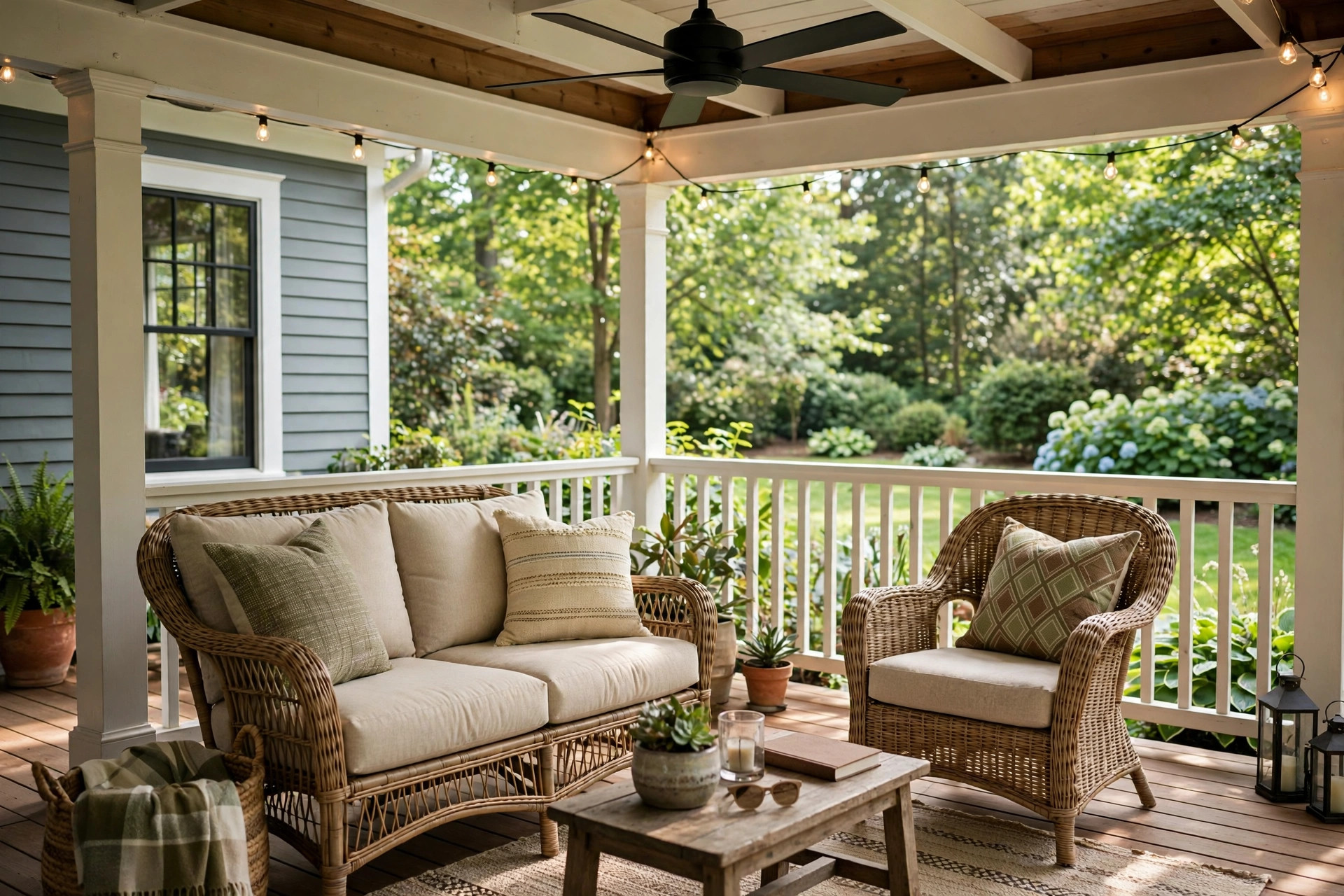

Wicker furniture adds warmth to a porch, patio, or deck. The woven strands look fine in almost any setting. They also carry a weakness. Most wicker does not stand up well to long spells of sun and rain. The strands can dry out, crack, or grow mildew if they stay damp. That is why every owner should learn how to protect wicker furniture outdoors before the damage begins. A little planning in spring will save a large repair bill in fall.
The good news is that protection does not need to be hard or costly. Covers, sealers, and smart placement will do most of the work. The key is to know which kind of wicker you own and what each kind can endure. Natural wicker asks for more care than resin wicker. Both kinds last far longer when they are shielded from the worst weather.
Why Protection Matters
Sunlight is the first enemy. Ultraviolet rays dry the fibers of natural wicker. The strands turn brittle and begin to snap. Paint and stain fade as well. A chair that looked new in May can look ten years old by August if it sits in full sun every day.
Rain is the second enemy. Water soaks into natural cane and reed. If the piece cannot dry out between storms, mold and mildew settle in. The weave can swell and pull loose from its frame. Over time the structure weakens at the joints.
Wind brings a third risk. Strong gusts can blow a light chair across a patio. A toppled piece may crack a leg or chip a frame. Dust and grit carried by wind also grind into the weave and wear it down.
Temperature swings add stress of their own. Wood frames under the wicker expand and contract as days heat up and nights cool down. Glue joints can work loose after several seasons of this movement.
Protection is simple when it is done on a schedule. A cover pulled on before a storm, a yearly coat of sealer, and a shaded spot on the patio will add years to the life of a wicker set. Guides at The Spruce note that outdoor wicker kept under cover can last a decade or more, while pieces left fully exposed may fail in two or three seasons.
Know Your Wicker: Natural or Resin: How to Protect Wicker Furniture Outdoors
Not all wicker is the same. The word wicker describes the weaving method, not the material. Two chairs can both be called wicker and need very different care.
Natural wicker is woven from plant fibers such as rattan, cane, reed, or willow. It is light and strong. It also absorbs water and dries out in sun. This type belongs under a porch roof or in a covered sunroom. It can sit on an open patio for a day or two, but it should not live there.
Resin wicker, often called all-weather wicker, is woven from polyethylene or PVC strips around an aluminum or steel frame. It looks much like natural wicker. It resists water and sun far better. Most patio sets sold today at stores like Lowe’s and The Home Depot are made of resin wicker. This type can stay outdoors all season, though it still gains years of life from shade and covers.
To tell them apart, look at a cut end or the underside of the weave. Plant fibers show a grain, like wood. Resin strands look smooth and even. You can also check the sales tag or the maker’s site. Makers such as Polywood publish care notes for their weather-ready lines that state the frame material plainly.
What to Look for in Protection Products
Before you buy anything, decide what threat you are fighting. Sun, rain, and ground damp each call for a different answer. Many owners need two or three of these at once.
Furniture covers are the single best defense. Look for covers made of heavy polyester or vinyl with sealed seams. The cover should fit snugly but not tight. A loose cover flaps in wind and rubs the weave. Vents or mesh panels let damp air escape so mildew does not form underneath. Tie straps or drawcords keep the cover in place during storms. Retailers like Wayfair and IKEA carry covers in common chair, loveseat, and dining shapes.
Sealers and protectants add a second layer for natural wicker. Spar urethane, marine varnish, or a clear outdoor sealer made for wood will block water from soaking into plant fibers. Choose a product rated for exterior use. Oil-based versions last longer, while water-based versions dry faster and clean up with soap. Tung oil and boiled linseed oil are older choices that still work on bare wicker. For resin wicker, a UV protectant spray made for plastic outdoor furniture helps slow fading.
UV treatments matter most in hot, bright states. The sun fades resin wicker over time and makes the strands brittle. A spray-on UV guard, reapplied each spring, keeps the color deeper for longer.
Mold and mildew treatments help in humid regions. A wash with diluted white vinegar or a store-bought outdoor cleaner kills spores before they spread. Never use harsh bleach on natural wicker, since it can weaken the fibers and bleach the color.
Location aids such as deck boxes and storage benches give wicker pieces a dry home during long rainy spells. If you plan to level patio furniture on grass or set pieces on damp ground, raise the feet on plastic glides or pavers so the legs do not sit in wet soil.
Nine Steps That Really Work
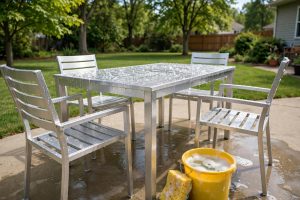
Start with a clean piece. Dust comes out of the weave with a soft brush or a vacuum with an upholstery nozzle. Then wash the whole piece with a bucket of warm water and a few drops of dish soap. Rinse with a garden hose on a gentle spray. Let it dry in shade for a full day before you apply any sealer or cover.
Next, seal natural wicker. Brush on two thin coats of exterior sealer, letting the first coat dry fully. Thin coats soak in better than one thick coat. Work the brush into the weave so no bare spot remains. Let the piece cure for two or three days in a dry spot before you put it back outside.
Add a UV spray for resin wicker. Wipe the piece down, spray evenly, and let it dry. Repeat each spring. This small step slows the chalky fading that strong sun causes.
Choose a shaded spot. Place wicker under a pergola, a large umbrella, or an eave if you can. Even partial shade cuts UV damage in half. If shade is not possible, rotate the pieces once a month so no one side takes all the sun.
Use covers every night and before storms. A good cover takes thirty seconds to pull on. Make it a habit, like locking a door. During a long wet spell, take covers off on dry days so air can reach the weave and dry any trapped damp.
Lift the legs off damp ground. Small plastic furniture feet or short pavers under each leg stop the frame from soaking up ground water. This matters most on grass or bare soil. It also helps when you need to level patio furniture on grass without letting wood sit in mud.
Bring cushions inside. Cushions are not wicker, but wet cushions press damp against the weave. Learn how to store patio cushions in winter so the frames stay dry through the cold months.
Store the set for winter in cold states. Natural wicker should never sit out in snow or ice. Move it to a garage, shed, or basement. Resin wicker can stay out if it is covered, but a garage adds years to its life.
Check the piece each spring. Look for loose strands, wobbly joints, and worn spots on the sealer. Tighten screws, touch up worn sealer, and re-glue small breaks before they grow. A half hour of spring repair is worth more than a new chair.
Cost and Price
Protection costs far less than replacement. A good chair cover sells for twenty to forty dollars. A full dining set cover may run sixty to one hundred twenty dollars. Budget covers of thin polyester cost less but tear after one season. It pays to buy a midweight cover with vents and straps.
A quart of exterior spar urethane costs about fifteen to twenty five dollars and covers two or three chairs. UV protectant spray for resin wicker runs ten to eighteen dollars a bottle. One bottle treats a five-piece set for one season.
Furniture glides or leg caps cost only a few dollars a pack. A deck box for winter storage runs eighty to two hundred dollars depending on size. Compared to a new wicker loveseat, which can cost three hundred to eight hundred dollars at retailers like Article and Frontgate, these small sums are a bargain. Editors at HGTV often rank covers and sealers among the cheapest ways to extend the life of outdoor furniture.
Care and Upkeep Through the Year
Spring is the season for deep work. Wash the whole set, inspect every joint, and reapply sealer or UV spray. Replace any worn cover straps. Check that glides are still under the legs.
Summer asks for light weekly care. Brush dust from the weave. Wipe spills at once, since sugary drinks attract ants and stain fibers. Pull covers on before storms. If a heat wave brings weeks of full sun, shift the pieces into the deepest shade you have.
Fall is the time to prepare for storage. Give the set one more wash. Let it dry fully, for two full days if the air is damp. Apply a fresh coat of sealer to natural wicker before the cold comes. Bag small hardware, like spare screws, so it does not get lost.
Winter storage should be dry and cold but not freezing if you can manage it. A garage is ideal. Do not stack heavy items on top of wicker chairs, since pressure can crack the weave. Leave covers on to keep dust off, but loosen them a little so air can move.
Once a month in any season, look under the covers. Mildew can start in a week in warm damp air. Catch it early and it washes off with soap and water. Let it sit and it stains the fibers for good.
Safety
Water and electricity mix badly around outdoor furniture. Keep string lights and electric heaters away from wet wicker. Check outdoor cords for cracks each season.
Sealers and sprays give off fumes. Apply them outside or in a well-aired garage. Keep the piece away from open flame until the product cures fully. Read the label for drying times before you bring a sealed chair near a patio table with fire pit.
Mold is more than a stain. Breathing mold spores can trouble people with asthma or allergies. Wear a dust mask when you scrub a mildewed piece. If the weave is soft or crumbly from rot, the frame may be unsafe to sit on. Retire it or have it re-woven by a repair shop.
Keep covers tight in wind. A loose cover on a light chair can act like a sail and tip the piece over. Strap every cover down, and move the lightest pieces against a wall before a big storm.
Frequently Asked Questions
Can wicker furniture stay outside all year? Resin wicker can stay out in mild climates if it is covered during storms. Natural wicker should come under a roof before the rainy season and must come inside before snow or hard frost. When in doubt, bring it in.
How often should I reseal natural wicker? Once a year is enough in most places. In strong sun or heavy rain regions, check the finish each spring and fall, and recoat when water no longer beads on the surface.
Will a cover cause mildew? A cheap cover with no vents can trap damp air and grow mildew. Buy a cover with mesh vents, and take it off on dry days so the weave can breathe. Check under the cover once a month.
Is resin wicker truly maintenance free? No. It needs far less work than natural wicker, but sun still fades it and dirt still grinds into the weave. Wash it each season and apply UV spray yearly for the best life.
What should I do if my wicker already has mildew? Move the piece into sun and let it dry. Scrub the weave with warm soapy water and a soft brush, or wipe it with diluted white vinegar. Rinse well and dry fully before covering. Repeat if spots remain.
Can I paint wicker to protect it? Yes. A coat of exterior primer plus exterior paint seals natural wicker against water. Spray paint made for outdoor use gets into the weave best. Repaint every few years as the finish wears.
A Final Word
Wicker asks for steady, small care rather than big repairs. A cover, a shaded spot, and a yearly round of cleaning and sealer will keep a set handsome for a decade or more. Learn how to protect wicker furniture outdoors once, and the habit will pay you back every summer. Start this spring, and your chairs will still be welcoming guests long after uncovered sets have faded and cracked.
References
Article. (n.d.). Modern furniture. https://www.article.com Frontgate. (n.d.). Outdoor furniture and decor. https://www.frontgate.com HGTV. (n.d.). Home and garden ideas. https://www.hgtv.com IKEA. (n.d.). Home furnishings. https://www.ikea.com Lowe’s. (n.d.). Home improvement products. https://www.lowes.com Polywood. (n.d.). Outdoor furniture. https://www.polywood.com The Home Depot. (n.d.). Home improvement products. https://www.homedepot.com The Spruce. (n.d.). Home and garden advice. https://www.thespruce.com Wayfair. (n.d.). Furniture and home goods. https://www.wayfair.com
Was this guide helpful?

About Robert Taylor
The My Garden US editorial team writes practical, in-depth home and garden guides for American homeowners — tested advice, no fluff.
You May Also Like
How to Winterize Outdoor Furniture Cushions: A Complete Guide
June 21, 2026 0 views
Metal Patio Furniture Rust Prevention Tips
March 7, 2026 0 views
Outdoor Bar Stools for Patio Counter Height: A Practical Buying Guide
June 22, 2026 0 views