A Quiet Morning Made Easier
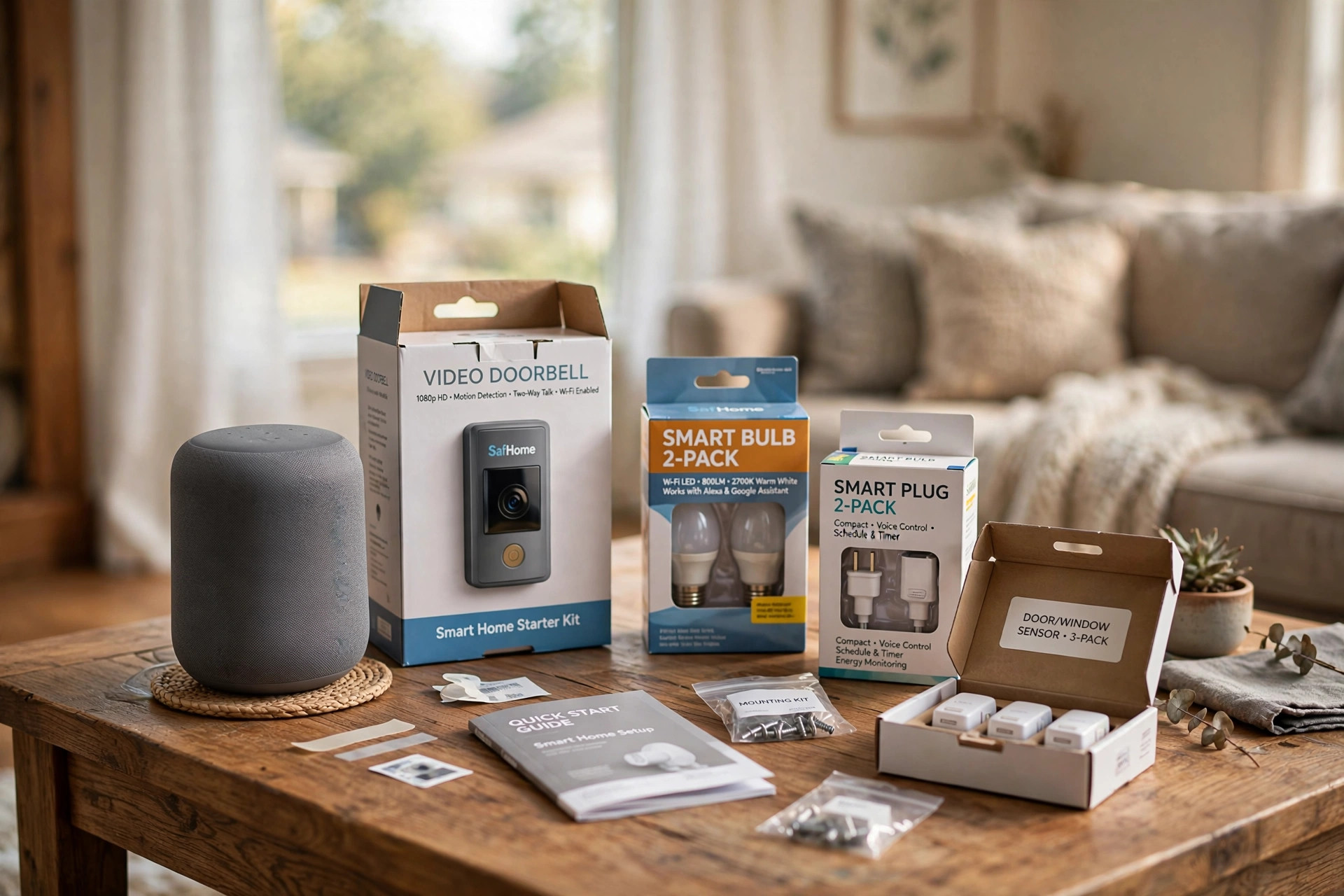
The best smart home starter kit under 500 usa is a bundle of small connected devices that work together to run simple tasks around the house. A typical kit brings a smart speaker or hub, two or three smart bulbs, a smart plug, and one sensor, such as a motion sensor or a door sensor. For less than five hundred dollars, an average American family can give its home a modest brain. The lights can turn on before dusk. The front door can lock itself at night. A phone app can check that the porch light is off after everyone has gone to bed.
This is not the stuff of science fiction. The price of radios, chips, and sensors has fallen steadily for a decade. What once cost thousands now fits inside a single box from a store shelf. The best smart home starter kit under 500 usa does not promise to run a mansion. It promises to make a small apartment, a rented house, or a first family home a little safer, a little brighter, and a little more orderly.
The market is full of choices, and the boxes all look alike. Some kits favor one brand’s ecosystem. Some ask for a monthly fee. Some need strong home Wi-Fi. This guide walks through the matter in plain terms, so a buyer can spend wisely and set the system up with confidence.
Why a Starter Kit Matters: Best Smart Home Starter Kit under 500 Usa
A smart home kit matters because it solves real problems that people face every day. Consider the parent who leaves for work at dawn and wonders whether the garage door stayed open. Consider the older couple who would like the hallway lit at night without walking to a switch. Consider the renter who wants a camera at the front door but cannot drill holes in the wall. A starter kit answers these small needs with small devices.
There is also the matter of energy. Lights left burning in empty rooms waste money every month. Smart bulbs and plugs can run on schedules, so power is used only when it is wanted. Studies from Energy Star note that careful control of lighting and appliances trims household use. A starter kit is a cheap way to begin.
Security is a third reason. A motion sensor that texts a phone when someone enters the back yard is a simple alarm. A smart lock keeps a record of who opened the door and when. Reviews of such gear at Consumer Reports show that even basic systems give owners peace of mind. For many families, peace of mind is the whole point of the purchase.
What to Look for in a Starter Kit
One Platform, Not Many
The first rule is to pick one voice platform and stay with it. Most kits in the United States work with Amazon Alexa, Google Home, or Apple Home. A buyer should check which phones the family owns, then pick the platform that matches. Mixing brands is possible, but it adds trouble. One platform means one app, one set of commands, and fewer headaches.
Hub or No Hub
Some kits include a hub, a small box that links devices together. Others rely on Wi-Fi alone. A hub makes the system faster and steadier, and it keeps working during a short internet outage. Wi-Fi kits are simpler to set up and often cheaper. For a first kit, Wi-Fi is usually enough.
Local Control Versus the Cloud
Many devices need the internet to think. If the internet drops, they grow dull. A few brands let devices talk to each other locally, without the cloud. Buyers who live where service is spotty should favor local control. Buyers in cities with steady service may not care.
Subscription Fees
Some kits charge a monthly fee for video storage or advanced alerts. A video doorbell that needs a paid plan to save recordings can cost more over two years than the kit itself. Before buying, read the box and the website. Favor kits with no required fee. Readers comparing doorbell options can see our guide to the best video doorbell without subscription usa.
Matter and Thread Support
Matter is a new open standard that lets devices from different brands work together. Thread is a radio technology that links them quickly. A kit that supports Matter and Thread will age better than one locked to a single company. Look for the Matter logo on the box.
Types of Starter Kits Under Five Hundred Dollars
The Security-First Kit
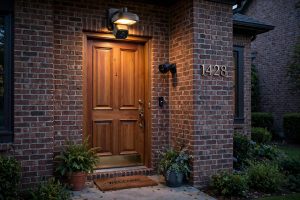
This is the most popular type. It centers on a door and window sensor set, a motion sensor, an indoor camera, and a smart lock or doorbell. The goal is plain: know who comes and goes. A family that starts here often adds a best smart lock for front door reviews usa later, once the basics are working.
The Comfort Kit
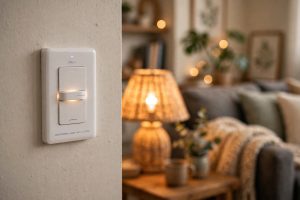
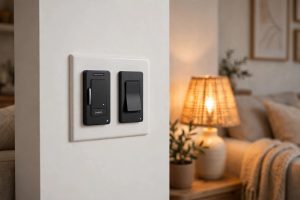
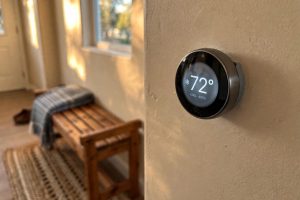
The comfort kit centers on a thermostat, smart bulbs, and smart plugs. It learns the family’s schedule and keeps the house at the right temperature. Energy savings pay back part of the cost within a year or two. Hands-on tests at CNET and PCMag suggest that smart thermostats are among the most reliable smart home buys.
The Voice-Control Kit
This kit centers on a smart speaker with a screen, plus bulbs, plugs, and a plug-in chime. It is the simplest path for beginners. Voice commands run the house, and the speaker answers questions, plays the news, and sets timers. Products from Google Store and Ring anchor many such kits.
The DIY Monitoring Kit
For homes without a paid alarm company, a do-it-yourself kit with sensors, a siren, and a keypad offers basic protection. Brands such as SimpliSafe and ADT sell self-installed packages under the five-hundred-dollar mark. The Verge’s smart home coverage at The Verge tracks how these systems compare.
Cost and Price: What Five Hundred Dollars Buys
Five hundred dollars is a generous budget for a starter kit. Most complete kits sell between one hundred and three hundred dollars. A buyer can assemble a strong system piece by piece and still stay under the limit.
A rough breakdown looks like this. A smart speaker or display costs forty to one hundred dollars. Two or three smart bulbs cost thirty to sixty dollars. Two smart plugs cost twenty to forty dollars. A door and window sensor two-pack costs forty to sixty dollars. A motion sensor costs twenty-five to forty dollars. A smart lock costs one hundred to two hundred dollars. A video doorbell costs one hundred to two hundred dollars. Add these in any mix and the total lands well under five hundred.
Watch for hidden costs. A paid subscription can add three to ten dollars a month. Extra sensors add up. Professional installation, which some doorbells and thermostats need, can cost one hundred dollars or more. The smart buyer sets aside fifty dollars of the budget for small surprises, such as a stronger router or a mounting bracket.
Sales matter. Major American retailers cut smart home prices sharply around holidays. Patience can save a quarter of the cost. Buying last year’s model of a sensor or speaker is another quiet way to stretch the budget.
Setting Up the Kit
Setup is simpler than most people fear. Unbox one device at a time. Plug it in or mount it. Open the brand’s app on the phone. Follow the steps on the screen. Most devices join the home Wi-Fi in under five minutes.
Place the hub or speaker in a central room so its signal reaches every corner. Keep smart plugs away from metal boxes that block radio waves. Put motion sensors in corners where they can see the whole room. Test each device from the app before mounting it with screws or tape.
Name devices clearly. “Living room lamp” is better than “plug one.” Clear names make voice commands work the first time. Group devices by room in the app so a single command can run them all at once.
Routines are where the magic sits. A morning routine can raise the thermostat, turn on the kitchen light, and read the weather. A night routine can lock the door, dim the lights, and arm the sensors. Most apps walk the user through building a routine in a few taps.
Renters need special care. Use adhesive mounts instead of screws. Battery-powered sensors avoid wiring. A lease-friendly setup can move to the next apartment with no damage to the walls. Our notes on the smart water leak detector reviews 2026 usa cover one sensor that renters find especially useful.
Care and Upkeep
A smart home kit asks for little care, but it asks for some. Update the firmware when the app prompts. Updates fix bugs and close security holes. A device left unpatched for years is an open door.
Change batteries in sensors once or twice a year. Most sensors warn the owner when power runs low. Keep spare batteries in a drawer so a dead sensor does not sit idle for weeks.
Clean cameras and motion sensors with a soft dry cloth. Dust on a lens blurs the picture. Dust on a sensor can cause false alarms. A quick wipe every few months is enough.
Review the device list once a year. Remove devices that are no longer used. Check that old devices still receive updates. A tidy system is a safe system.
Back up settings if the app allows it. Some platforms store routines in the cloud automatically. Others need a manual export. A backup saves an hour of work if a phone is lost or replaced.
Safety First
Safety rules for smart homes are simple but firm. Use a strong, unique password for the smart home account. Turn on two-step verification. A weak password on a camera account can let strangers watch the living room.
Keep the home Wi-Fi secure. Use the WPA2 or WPA3 setting on the router. Give smart devices their own guest network if the router allows it. This keeps a hacked bulb from reaching the family computer.
Buy devices from known brands with a record of updates. Cheap no-name cameras may send video to unknown servers. Guidance from the U.S. Consumer Product Safety Commission reminds buyers to check for recalls on connected products.
Teach the family the basics. Children should know not to share the door code with friends. Guests should know how the lock works. A system is only as safe as the people who use it.
Watch for overheating plugs and chargers. Unplug any device that smells hot or looks swollen. Smart plugs that carry heavy loads, such as space heaters, should be rated for the job.
Frequently Asked Questions
Do I need a monthly subscription for a smart home starter kit?
No. Most starter kits work fully without a fee. Subscriptions usually add video storage or professional monitoring. A buyer can skip them and still get sensors, lights, locks, and voice control. Read the box before buying, since a few cameras limit features without a plan.
Will a starter kit work in an apartment?
Yes. Most kits suit renters well. Battery sensors, adhesive mounts, and plug-in devices need no drilling and no wiring. A renter should pick Wi-Fi devices over wired ones and avoid devices that replace the thermostat unless the landlord agrees.
How strong must my internet be?
A basic broadband connection is enough. Smart devices use little data. What matters more is Wi-Fi coverage. A router that reaches every room keeps devices online. Homes with dead spots may need a second access point or a mesh router.
Can different brands work together?
Often, yes. The Matter standard lets many brands share one home. Older devices may need the same brand’s app. Before mixing brands, check that each device lists support for the chosen platform, such as Alexa, Google Home, or Apple Home.
What happens when the power goes out?
Most devices stop working until power returns. Battery sensors and locks keep working on their own power. A small uninterruptible power supply can keep the router and hub alive through short outages. Routines resume on their own once power is back.
Is a five-hundred-dollar budget enough for a whole house?
It is enough for a strong start. A small home can be well covered. A large home may need extra sensors bought later. Start with the front door, the living room, and one bedroom. Add rooms over time as the budget allows.
A Short Final Word
The best smart home starter kit under 500 usa is not the one with the most gadgets. It is the one that fits the home, the family, and the budget. Pick one platform. Skip the subscription. Start small and add pieces as needs grow. With care in setup and upkeep, a modest kit can serve a household for years, making each day a little smoother and each night a little safer.
References
ADT. (n.d.). Home security and automation. https://www.adt.com CNET. (n.d.). Technology news and reviews. https://www.cnet.com Consumer Reports. (n.d.). Product reviews and ratings. https://www.consumerreports.org ENERGY STAR. (n.d.). Energy efficient products. https://www.energystar.gov Google Store. (n.d.). Smart home devices. https://store.google.com PCMag. (n.d.). Technology product reviews. https://www.pcmag.com Ring. (n.d.). Smart home security devices. https://www.ring.com SimpliSafe. (n.d.). Home security systems. https://www.simplisafe.com The Verge. (n.d.). Technology news and reviews. https://www.theverge.com U.S. Consumer Product Safety Commission. (n.d.). Product safety information. https://www.cpsc.gov
Was this guide helpful?

About Sarah Mitchell
The My Garden US editorial team writes practical, in-depth home and garden guides for American homeowners — tested advice, no fluff.