Katuk is the tastiest hedge you will ever plant. This tropical shrub from Southeast Asia grows sweet, pea-flavored shoot tips that you snip like herbs and eat like vegetables. It roots from cuttings in days, tolerates shade where other greens fail, and can be sheared into a tidy edible hedge along a path. Gardeners who learn how to grow katuk get landscaping they can harvest.
Table of Contents
Table of Contents
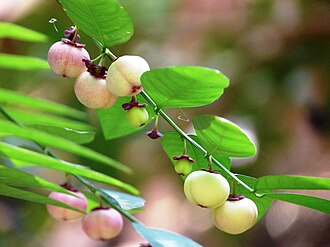
The flavor is the surprise. The tender shoot tips taste remarkably like fresh peas, sweet and green, with none of the bitterness that turns people off leafy vegetables. Children who refuse spinach will eat katuk tips out of hand. It is a vegetable that sells itself at the first taste.

Photo: Wikimedia Commons
Quick facts: Sun: part shade. Soil: rich, moist. Water: consistent moisture. Space plants 24 inches apart. Days to first harvest: 90 to 120. Perennial in zones 9 to 11; overwinter cuttings indoors in colder zones.
Choosing a Variety and Getting Started
When it comes to how to grow katuk, getting the details right makes all the difference.

Many homeowners find that how to grow katuk is easier than they expected once they know the basics.
Katuk is grown from cuttings, which root so readily that the plant practically propagates itself. Push 6-inch stem pieces into moist soil, and most of them take. Specialty nurseries in warm states sell potted katuk, and one plant gives you endless cuttings within a season. There are no named varieties that matter to home gardeners; healthy green cuttings are all you need.
Site katuk where you would plant a hedge, because that is how it grows best: a row of plants 2 to 3 feet apart that fills into a leafy, waist-high screen. A shady path edge, the north side of a fence, or a spot under light tree canopy all work. Katuk is one of the few vegetables that genuinely prefers part shade, which makes it gold for gardeners whose sunny beds are already full. Before planting, check your USDA zone planting dates on the planting calendar to plan your season.
If you have grown spinach or Swiss chard for steady leaf harvests, katuk fills the same kitchen role with a sweeter flavor and a shrubbier habit. Kale growers will recognize the cut-and-come-again rhythm.
When and How to Plant
Many homeowners find that how to grow katuk is easier than they expected once they know the basics.
The key to how to grow katuk is choosing the right approach for your space and budget.
In zones 9 to 11, plant katuk any time the weather is warm. In colder zones, start cuttings indoors about six weeks before your last spring frost and set the rooted plants out about three weeks after the last frost, once nights stay warm. Katuk is a true tropical; it sulks in cool soil and frost kills it back to the ground.
To propagate, snip 6-inch pieces of stem, strip the lower leaves, and push them into moist potting soil or directly into a prepared bed. Keep them damp and shaded for the first week. Roots form fast, often within days. You can also root cuttings in a glass of water on a windowsill, then pot them up. Either method works, which is why katuk spreads so quickly among gardeners who grow it.
Plant the rooted cuttings 2 to 3 feet apart in a row for a hedge, or as specimens among ornamentals. Water them in well and mulch. The Old Farmer's Almanac has general notes on planting edible shrubs that apply to a hedge planting like this one.
Soil and Sun
The key to how to grow katuk is choosing the right approach for your space and budget.
With a little planning, how to grow katuk can fit even a busy schedule.
Katuk wants part shade and rich, moist soil. Morning sun with afternoon shade is ideal. Full sun in a hot climate stresses the plants and toughens the leaves; deep shade slows growth. The dappled light under a tree or on the shaded side of a building is often perfect.
Work plenty of compost into the bed before planting. Katuk is a hungry grower when it is pushing new shoots, and rich soil gives you the lush, tender growth you are harvesting for. The soil should hold moisture without staying soggy. A thick mulch of leaves or straw keeps the root zone cool and damp, which katuk loves. Practical soil-building advice from the Clemson Home & Garden Information Center fits this plant well.
Gardeners in Florida and the Gulf Coast will find katuk right at home, and UF IFAS Gardening Solutions offers regional guidance for tropical edibles. Its botanical background under Sauropus androgynus is listed in the USDA PLANTS Database.
Watering and Feeding
With a little planning, how to grow katuk can fit even a busy schedule.
Before you start, it helps to understand how how to grow katuk works in real homes.
Water generously. Katuk loves moisture and grows best when the soil stays evenly damp. In hot weather, container plants might need daily watering. In the ground, a deep watering a couple of times a week plus mulch usually suffices. Wilting in afternoon heat is a sign to water more, not a sign of disease.
Feed lightly with compost a few times through the growing season. A ring of compost around each plant in spring and again in midsummer keeps the new shoots coming tender and sweet. Avoid heavy synthetic fertilizer, which can push rank growth. If the shoot tips are sweet and the leaves deep green, your feeding is right. The University of Minnesota Extension covers the same compost-first feeding approach for leafy vegetables.
Care Through the Season
Before you start, it helps to understand how how to grow katuk works in real homes.
A good plan for how to grow katuk saves time, money, and frustration.
Shear regularly. This is the whole management program, and the harvest does it for you. Pinch or snip the shoot tips every week or two, and the plant responds by branching, which makes more shoot tips. Neglected katuk gets leggy and open; regularly picked katuk stays dense, bushy, and productive. Think of it the way you think of trimming a hedge, except you eat the trimmings.
Few pests bother katuk. Its vigor outruns most problems. In very wet weather, watch for fungal leaf spots, and improve air circulation by thinning the interior if the hedge gets too dense. That is about as bad as it gets.
Where winters are cold, take cuttings in fall before frost and root them indoors on a bright windowsill. They grow slowly through winter and give you a head start in spring. In zones 9 to 11, mulch the crowns; frost might kill the tops, but established plants resprout from the base.
Harvest
A good plan for how to grow katuk saves time, money, and frustration.
For most people, how to grow katuk comes down to a few smart choices.
Harvest the sweet shoot tips and young leaves, snipping the top few inches of each stem. The tips are the prize: tender, sweet, and pea-flavored. Eat them raw in small amounts in salads, or cook them lightly. Steamed, stir-fried, or simmered in soup, they stay sweet and tender.
A word of sense about quantity: enjoy katuk as a normal vegetable in normal food amounts, cooked. Like many greens, it is best as part of a varied diet, not as a juice fast or a bulk staple. Regular picking keeps the plants productive and compact, so harvest freely but sensibly.
The more you pick, the more you get. A well-kept katuk hedge along a shady path can supply a household with greens for months. Snip a handful every time you walk by, and the hedge barely notices.
Cooking with Katuk
For most people, how to grow katuk comes down to a few smart choices.
If you are new to how to grow katuk, start with the simplest option and build from there.
The shoot tips are the part you want. Snip the top few inches of each stem, where the growth is tender and bright green. The flavor is the surprise that converts everyone: sweet and fresh, remarkably like green peas, with none of the bitterness of most leafy vegetables. It is the rare green that children eat willingly.
Use the tips raw in small amounts. Scatter a handful over a salad for sweet crunch, or tuck them into sandwiches. Raw katuk is pleasant, but keep raw portions modest and enjoy it mostly cooked, as part of a varied diet. Light cooking is all it needs: steaming for a minute or two, a quick stir-fry with garlic, or a brief simmer in soup. Overcooking dulls both the color and the sweetness, so keep the heat short.
Katuk pairs well with flavors that suit peas: butter, garlic, lemon, and light cream sauces. Stir the just-cooked tips into pasta, fold them into omelets, or float them on a bowl of soup at the last minute. The young leaves cook down like spinach but stay sweeter. Because a hedge produces steadily, you can harvest exactly what you need for each meal, which is the freshest possible way to eat greens.
Troubleshooting
If you are new to how to grow katuk, start with the simplest option and build from there.
When it comes to how to grow katuk, getting the details right makes all the difference.
Plants get leggy with few leaves. You are not picking enough. Pinch the tips hard to force branching, and the plant will fill out.
Leaves taste bitter or tough. The shoots are too old, the plant is too dry, or it is getting too much sun. Pick younger tips, water more, and consider a shade cloth in extreme heat.
Cuttings wilt after planting. They dried out. Keep new cuttings consistently moist and shaded for the first week until roots form.
Frost kills the plant. In zones 9 to 11, mulch the crown and wait for spring resprouting. Elsewhere, the indoor-cutting routine is the reliable way to carry katuk through winter.
Katuk is the edible hedge for gardeners with shade and a taste for sweet greens. Plant the cuttings, shear them like a hedge, and eat the trimmings. For a sunny-bed leafy green to pair with it, Swiss chard is a natural companion. More background on tropical food plants is available through the USDA National Agricultural Library, and Clemson Cooperative Extension covers edible landscaping ideas.
References
When it comes to how to grow katuk, getting the details right makes all the difference.
Many homeowners find that how to grow katuk is easier than they expected once they know the basics.
UF IFAS Gardening Solutions. (n.d.). Tropical vegetables for Florida gardens. https://gardeningsolutions.ifas.ufl.edu/
Old Farmer's Almanac. (n.d.). Growing vegetables in home gardens. https://www.almanac.com/
Clemson Cooperative Extension. (n.d.). Home & Garden Information Center. https://hgic.clemson.edu/
Missouri Botanical Garden. (n.d.). Plant finder. https://www.missouribotanicalgarden.org/
Was this guide helpful?

About My Garden US
The My Garden US editorial team writes practical, in-depth home and garden guides for American homeowners — tested advice, no fluff.
You May Also Like

Snake Plants Indoor Texas Homes USA: A Plain Guide to Growing a Tough Houseplant
May 8, 2026 23 views
How to Grow Ornamental Alliums: Garden Globes
November 18, 2026 8 views
How to Grow Chives: A Perennial Herb Guide
October 7, 2026 22 views