---
Table of Contents
Table of Contents
- Hard Water Stains Shower Doors: What Hard Water Stains Really Are
- Method 1: Vinegar and Dish Soap Spray
- Method 2: Baking Soda Paste
- Method 3: Store-Bought Hard Water Removers
- Method 4: The Squeegee Habit
- Clean the Tracks and Frames Too
- Preventing Stains From Coming Back
- When the Whole Bathroom Has Hard Water Damage
- Mistakes to Avoid
- Frequently Asked Questions
- References
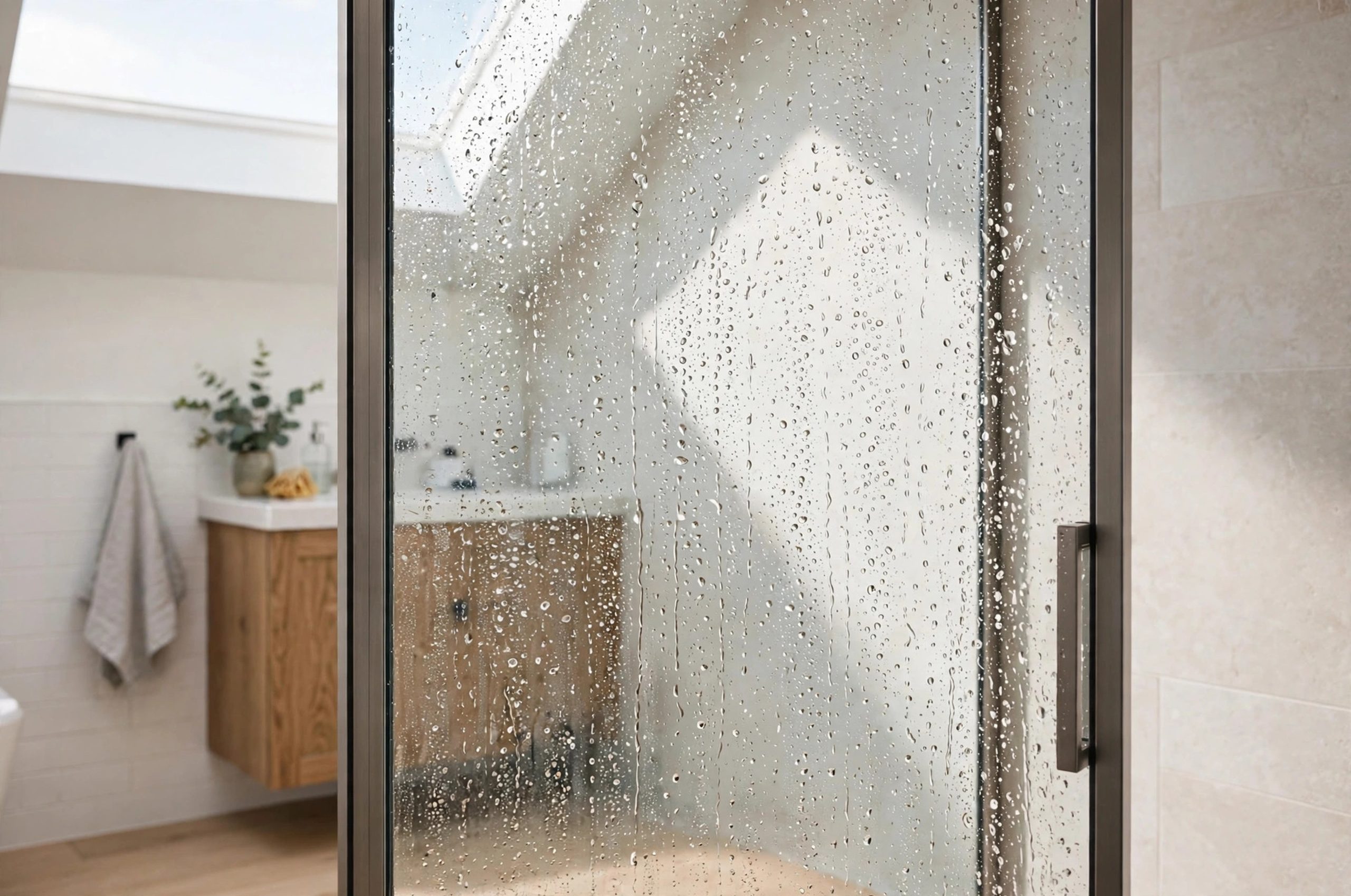
Those cloudy white spots on your glass shower doors are hard water stains. They come from minerals in your water, mostly calcium and magnesium. Every shower leaves a thin film of water on the glass. The water dries, and the minerals stay behind. Layer after layer builds into a chalky haze that regular glass cleaner cannot touch. If you are new to hard water stains shower doors, start with the basics below.
The good news is that you can remove hard water stains from shower doors with simple methods. Most of what you need is already in your kitchen. This guide covers the methods that work, the mistakes to avoid, and how to keep the stains from coming back.
Hard Water Stains Shower Doors: What Hard Water Stains Really Are
When it comes to hard water stains shower doors, getting the details right makes all the difference.
When it comes to hard water stains shower doors, getting the details right makes all the difference.
Many homeowners find that hard water stains shower doors is easier than they expected once they know the basics.
Hard water is water with a high mineral content. The U.S. Geological Survey tracks water hardness across the country, and large parts of the Midwest, Southwest, and Florida have very hard water. When hard water dries on glass, it leaves mineral deposits. At first they look like faint spots. Over time they bond to the glass and form a rough, cloudy layer.
There is an important difference between mineral deposits and etched glass. Deposits sit on top of the glass and can be removed. Etching means the glass surface itself is damaged, usually from years of neglect or harsh cleaners. If you run your fingernail over the spot and feel roughness, it is likely deposits. If the glass feels smooth but still looks cloudy, it may be etched, and no cleaner will fix it. Etched doors need professional polishing or replacement.
Method 1: Vinegar and Dish Soap Spray
Many homeowners find that hard water stains shower doors is easier than they expected once they know the basics.
Many homeowners find that hard water stains shower doors is easier than they expected once they know the basics.
The key to hard water stains shower doors is choosing the right approach for your space and budget.
This is the first method to try. It is cheap, safe, and works on mild to moderate buildup.
Mix equal parts white distilled vinegar and warm water in a spray bottle. Add one or two drops of dish soap and swirl gently. Do not shake hard or you will get a bottle of foam.
Spray the solution over the entire door. Make sure the glass is well coated. Let it sit for fifteen to thirty minutes. The acid in the vinegar dissolves the mineral deposits. For heavy buildup, lay damp paper towels soaked in vinegar over the worst spots to keep them wet longer.
After the wait, scrub with a non-scratch sponge. Use the soft side only. Scrub in circles, then rinse the door well with warm water. Dry it at once with a microfiber cloth or a squeegee. Drying matters. If you let it air dry, you will get new spots from the rinse water.
Southern Living's cleaning guide recommends this same vinegar approach and notes that warming the vinegar first helps it cut through buildup faster (https://www.southernliving.com/how-to-clean-glass-shower-doors-12169296).
One warning: do not use vinegar on natural stone tile or marble frames. The acid etches stone. If your shower has stone, use a cleaner made for stone instead.
Method 2: Baking Soda Paste
The key to hard water stains shower doors is choosing the right approach for your space and budget.
With a little planning, hard water stains shower doors can fit even a busy schedule.
For spots that survive the vinegar spray, make a paste. Mix half a cup of baking soda with just enough water to form a thick paste, about the texture of toothpaste.
Spread the paste over the stained areas with your hand or a soft sponge. Let it sit for fifteen minutes. Then spray vinegar over the paste. It will fizz. That fizzing action helps lift the deposits. Scrub gently with a non-scratch sponge, rinse well, and dry with a microfiber cloth.
This method works well because the baking soda gives you mild scrubbing power without scratching the glass. Bob Vila's shower door cleaning guide describes this paste method as one of the most effective DIY approaches (https://www.bobvila.com/articles/clean-shower-doors/).
Never use the green scouring side of a kitchen sponge on glass doors. It scratches. Once glass is scratched, it holds onto minerals even faster.
Method 3: Store-Bought Hard Water Removers
With a little planning, hard water stains shower doors can fit even a busy schedule.
Before you start, it helps to understand how hard water stains shower doors works in real homes.
When DIY methods are not enough, a cleaner made for hard water can finish the job. Look for products that list limescale, calcium, or mineral deposits on the label. Bob Vila's tested reviews of shower cleaners rate several options for glass doors and note which ones handle heavy buildup best (https://www.bobvila.com/reviews/best-shower-cleaners/).
Their reviews of glass-specific cleaners highlight abrasive cream formulas that scrub away deposits without scratching when used with a soft pad (https://www.bobvila.com/articles/best-cleaner-for-glass-shower-doors/).
Follow the directions on the bottle. Most of these cleaners need a few minutes of dwell time to work. Wear gloves, open the bathroom fan, and rinse very well. Do not mix these products with bleach or vinegar. Mixing cleaners can create dangerous fumes.
Method 4: The Squeegee Habit
Before you start, it helps to understand how hard water stains shower doors works in real homes.
A good plan for hard water stains shower doors saves time, money, and frustration.
The best cleaner is the one you never need. A squeegee costs a few dollars and takes twenty seconds after each shower. Wipe the doors top to bottom after you shower, and the water never gets a chance to dry into spots.
Hang the squeegee on a hook inside the shower where you will see it. If it is out of sight, you will not use it. This one habit prevents more buildup than any cleaner.
With the basics clear, hard water stains shower doors becomes straightforward.
Clean the Tracks and Frames Too
A good plan for hard water stains shower doors saves time, money, and frustration.
For most people, hard water stains shower doors comes down to a few smart choices.
Sliding doors have tracks that collect soap scum, hair, and mineral crust. Plug the drain holes in the track with bits of paper towel. Fill the track with white vinegar and let it sit overnight. In the morning, scrub with an old toothbrush and rinse.
Wipe metal frames with a damp cloth and dry them at once. Hard water spots etch into some metal finishes if left sitting. If your frames are already spotted, the vinegar spray works on most finishes, but test a hidden spot first.
Preventing Stains From Coming Back
For most people, hard water stains shower doors comes down to a few smart choices.
Cleaning is only half the battle. Here is how to slow the buildup:
- Squeegee after every shower. This is the single most effective step.
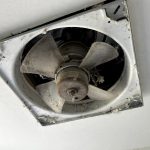
- Run the exhaust fan during and after showers. Less moisture in the air means fewer spots.
- Apply a water repellent. Products made for car windshields or glass shower doors make water bead and run off instead of drying in place. Reapply every few weeks.
- Soften your water. If your whole house has hard water, a softener reduces spots on every fixture, not just the shower doors. Compare options in our guides to salt-free water softeners and water softeners for very hard water.
- Use a shower filter. A filter will not fix very hard water, but it can reduce some minerals and chlorine. See our shower filter buying guide.
When the Whole Bathroom Has Hard Water Damage
If you are new to hard water stains shower doors, start with the simplest option and build from there.
Shower doors are usually the first place you notice hard water, but the same minerals attack faucets, tile, and grout. If your fixtures are spotted too, read our guide to hard water stains on fixtures and our tile cleaner recommendations for hard water.
If you are thinking about replacing old doors instead of fighting the stains, our frameless shower door buying guide and our guide to shower door deals can help. For small apartments, we also cover professional-grade shower door descalers.
Mistakes to Avoid
When it comes to hard water stains shower doors, getting the details right makes all the difference.
- Do not use steel wool or razor blades on glass doors. Tempered glass can scratch, and scratches are permanent.
- Do not mix vinegar with bleach. The fumes are dangerous.
- Do not use vinegar on stone or marble. It etches the surface.
- Do not let cleaners dry on the glass. Dried cleaner leaves its own film.
- Do not ignore etched glass. If deposits will not come off after two tries, the glass may be etched. Polishing or replacement is the honest fix.
Frequently Asked Questions
Many homeowners find that hard water stains shower doors is easier than they expected once they know the basics.
How do I know if my shower glass is etched or just stained?
Run your fingernail across a cloudy spot. If you feel roughness or a raised crust, those are mineral deposits, and they can be removed. If the glass feels smooth but still looks hazy, the surface is likely etched. Etching happens when minerals sit for years or harsh cleaners damage the glass. Etched glass cannot be cleaned clear. It needs professional polishing or replacement.
Can I use vinegar on all shower doors?
Vinegar is safe for plain glass doors with metal or plastic frames. Do not use it on natural stone surrounds, marble thresholds, or travertine tile. The acid etches stone. If your shower mixes glass with stone, apply the vinegar only to the glass with a cloth, and rinse stone areas at once if any drips land there.
How often should I deep clean my shower doors?
In hard water areas, a full cleaning every two to four weeks keeps buildup from bonding. In soft water areas, once a month is plenty. The daily squeegee habit matters more than the deep clean schedule. Thirty seconds after each shower prevents most of the buildup that makes deep cleaning necessary.
Are commercial hard water removers better than vinegar?
For light to moderate buildup, vinegar works just as well and costs less. For thick, old crust that has been building for years, a commercial limescale remover with stronger acids works faster. Follow the label directions, wear gloves, ventilate the bathroom, and never mix products. One cleaner at a time.
Will a water softener stop the spots completely?
A softener removes the calcium and magnesium that cause most spots, so it comes close. You will still get some spotting from soap residue and other minerals, but far less. If a whole-house softener is too much, a showerhead filter reduces some minerals and is cheap to try first. A little care goes a long way with hard water stains shower doors.
References
Southern Living. (n.d.). How to clean glass shower doors. https://www.southernliving.com/how-to-clean-glass-shower-doors-12169296
Bob Vila. (n.d.). How to clean shower doors (homeowner's guide). https://www.bobvila.com/articles/clean-shower-doors/
Bob Vila. (n.d.). The best shower cleaners for soap scum, mold, and more, tested. https://www.bobvila.com/reviews/best-shower-cleaners/
Bob Vila. (n.d.). The best cleaners for sparkling glass shower doors, tested. https://www.bobvila.com/articles/best-cleaner-for-glass-shower-doors/
Family Handyman. (n.d.). How to clean a bathroom fan (DIY). https://www.familyhandyman.com/project/how-to-clean-a-bathroom-exhaust-fan/
ENERGY STAR. (n.d.). Indoor air quality features. https://energystar.gov/newhomes/features-benefits/indoor-air-quality-features
This Old House. (n.d.). Big help for small bathrooms: Maximizing space and style. https://www.thisoldhouse.com/bathrooms/big-help-for-small-bathrooms
Apartment Therapy. (n.d.). How to choose the right grout for tile jobs. https://www.apartmenttherapy.com/how-to-choose-the-right-grout-for-tile-jobs-231145
Was this guide helpful?

About My Garden US
The My Garden US editorial team writes practical, in-depth home and garden guides for American homeowners — tested advice, no fluff.
You May Also Like

Quiet Exhaust Fans Buying Guide USA
January 15, 2026 19 views
Mirrored Medicine Cabinets in Texas Homes: A Plain Buyer's Guide
February 25, 2026 18 views
Bathroom Sink Vanities for Texas Homes USA: A Practical Buying Guide
September 23, 2026 19 views