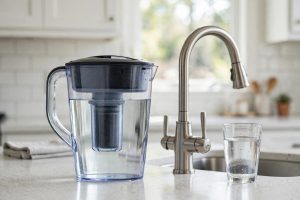

Arizona has some of the hardest water in the United States. In cities like Phoenix and Tucson, the water often measures 15 to 25 grains per gallon of hardness. Some wells in rural areas measure even more. Hard water is not a health danger. It is still a daily problem. It leaves white crust on faucets. It shortens the life of water heaters. It makes soap and shampoo hard to rinse. It can clog pipes over the years. If you own a home in Arizona, the best water softener for arizona hard water can save you money and trouble.
This guide explains what to buy and why. It covers how water softeners work. It covers the main types sold in the United States. It covers sizes, costs, and upkeep. It also answers the questions most Arizona homeowners ask before they buy.
Why Hard Water Is an Arizona Problem
Arizona sits on rock that is rich in calcium and magnesium. Rain is rare. The little water that exists flows over and through limestone and other minerals. Municipal water plants treat the water for safety. They do not remove the minerals. The federal rules for drinking water, set by agencies such as the EPA, do not treat hardness as a hazard. It is safe to drink. But the minerals cause real damage to a house.
Hard water forms scale inside pipes. Scale is a white or chalky crust. In a water heater, scale builds up on the heating parts. The heater must work harder. It uses more gas or power. It wears out years sooner. Dishwashers and washing machines suffer too. Valves and seals wear faster. Glass shower doors turn cloudy. Faucets and shower heads lose pressure. None of this happens in a week. It happens over months and years. By the time you notice, the damage is done.
Soft water fixes most of this. A softener removes calcium and magnesium before they reach your taps. The result is easier cleaning, longer life for appliances, and fewer repair bills. For many Arizona families, a softener pays for itself.
How a Water Softener Works: Best Water Softener for Arizona Hard Water
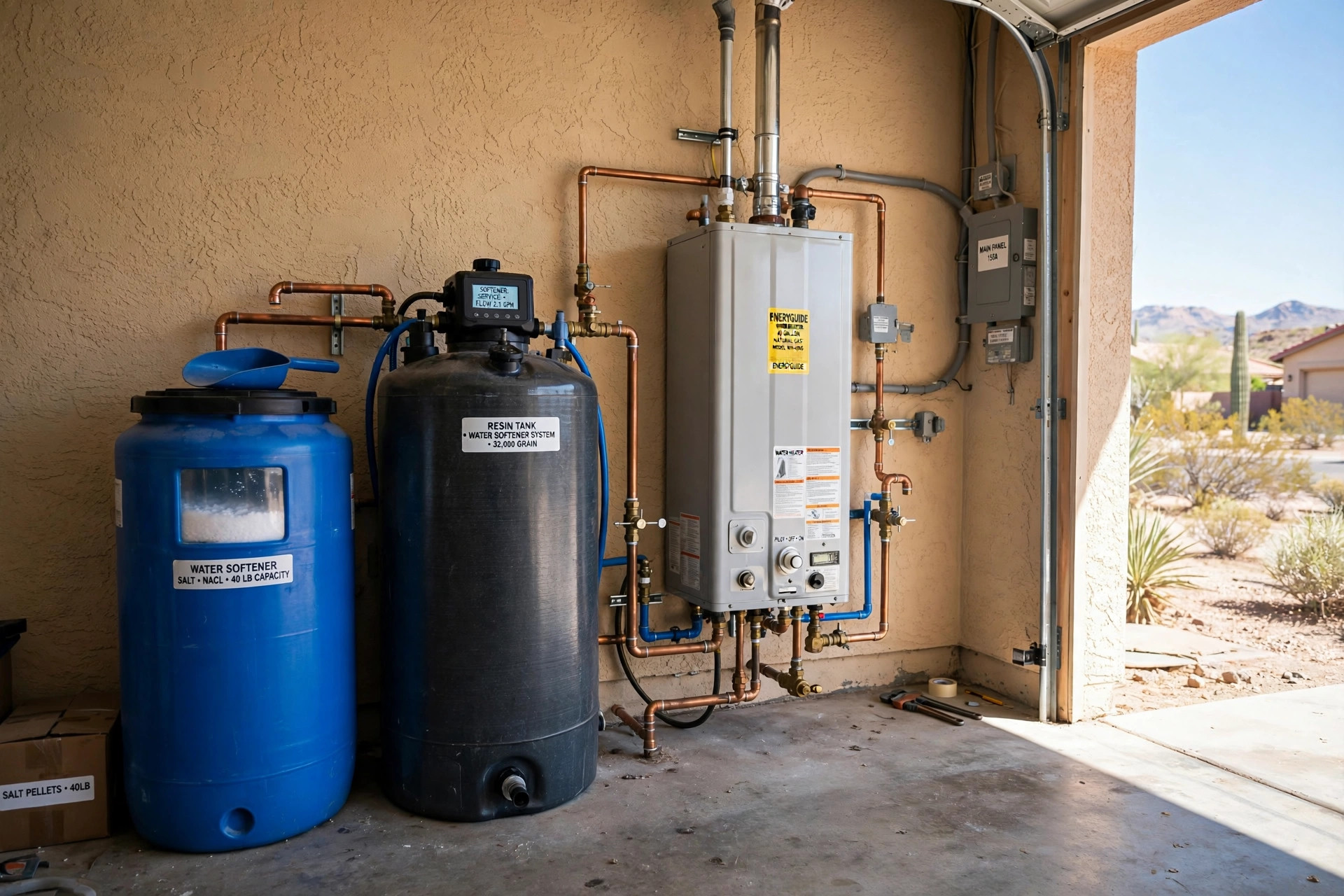
Most water softeners use a process called ion exchange. The unit holds a tank of small resin beads. Water from your main line flows through the beads. The beads carry sodium ions. They trade the sodium for the calcium and magnesium in the water. The hard minerals stick to the beads. The soft water flows on into your home.
Over time, the beads fill up with hard minerals. Then the unit must clean itself. This step is called regeneration. The softener flushes the beads with a salty brine. The salt washes the calcium and magnesium away. The beads are charged with fresh sodium. The cycle starts again. Regeneration usually happens at night. It takes one to two hours. During that time, the unit may bypass the softening step for a short while.
A typical unit has two tanks. One holds the resin beads. The other is the brine tank that holds the salt. In smaller units, both parts sit in one cabinet. Larger whole-house units have two separate tanks. Installers often place them in the garage in Arizona. The garage stays above freezing. It keeps the unit out of the desert sun.
What to Look for When You Choose
Grain Capacity
Grain capacity is the most important number. It tells you how much hardness one regeneration cycle can remove. For Arizona, bigger is usually better. A family of four in Phoenix may use about 250 to 350 gallons of water per day. With water at 20 grains per gallon, that is 5,000 to 7,000 grains per day. A 48,000-grain unit would regenerate about once a week. That is a comfortable pace. Units sold as 40,000 to 64,000 grains suit most Arizona homes.
Regeneration Type
Old softeners regenerate on a timer. They clean the beads every few days no matter what. Modern softeners regenerate on demand. A meter tracks how much water you used. The unit regenerates only when the beads are full. Demand units use less salt and less water. They are the better choice in a desert state where water is precious.
Valve Quality
The control valve is the brain of the unit. It directs water flow. It starts and ends regeneration. Good valves last many years. They have clear displays. They let you set hardness levels and time. Cheap valves stick or leak. When you compare units at a home improvement retailer, ask who makes the valve. Well-known valve brands are easier to service.
Flow Rate
Flow rate is measured in gallons per minute. A small unit may handle 7 gallons per minute. A large home with several showers needs 12 or more. If the flow is too small, pressure drops when two people shower at once. Size the flow rate to your home. A plumber can check your main line size and help.
Certification
Look for third-party certification. NSF International tests softeners for claims and safety. A unit with NSF certification has passed honest tests. It does what the box says it does. Retailers such as Lowes often list the certification in the product details. It is worth checking before you buy.
Types and Options
Salt-Based Ion Exchange Softeners
This is the standard type. It truly removes hardness. It is the only type that gives you zero-grain water. If your Arizona water measures above 15 grains per gallon, this is almost always the best choice. These units need salt. You refill the brine tank every few weeks or months. You can use plain salt pellets, solar salt, or potassium chloride. Potassium costs more. It adds less sodium to the water and to the drain.
Many homeowners also read about salt free water softener reviews for hard water. Keep this fact in mind. Salt-free units do not remove hardness. They condition the water. They change how minerals behave so that less scale sticks to pipes. They help with light to moderate hardness. In Arizona, with very hard water, they often fall short. They work best as a partner to a real softener or as a light treatment for city water under 10 grains per gallon.
Dual-Tank Softeners
A dual-tank unit has two resin tanks. One tank works while the other regenerates. You never lose soft water during regeneration. This is handy for large families or homes with high water use. Dual-tank units cost more. They also need more space. For most homes, a single-tank demand unit is enough. A comparison of softener and conditioner types can help you weigh these choices.
Magnetic and Electronic Descalers
These devices clip onto your pipes. They claim to change the mineral structure with magnets or electric fields. Independent tests have found weak or mixed results. They do not remove any hardness. They are cheap and easy to install. Do not count on them as your only defense in Arizona. Some people use them with a real softener. Alone, they are not the best water softener for arizona hard water.
Reverse Osmosis as a Partner
Reverse osmosis units clean drinking water at one tap. They sit under the sink. They remove almost everything, including sodium added by the softener. A whole-house softener plus a kitchen reverse osmosis unit is a common Arizona setup. The softener protects the house. The reverse osmosis unit gives you clean drinking water. Guides at Aquasana explain how these systems pair together.
Cost and Price
Equipment Price
A good salt-based softener for an Arizona home costs between 500 and 2,500 dollars. Basic units at big retailers sit at the low end. High-efficiency demand units with smart valves sit at the high end. Dual-tank systems can pass 3,000 dollars. Prices vary by size and features. Watch for sales at places like Lowes and Home Depot during spring and fall.
Installation Cost
Professional installation usually costs 300 to 800 dollars. The price depends on where the main line enters the house. A garage with easy access costs less. A tight crawl space costs more. You may need a drain line for regeneration waste. You may need an outlet for the control valve. Some cities require a permit. Your water softener installation cost near me search will show local plumbers and their rates. Get three quotes before you decide.
Running Costs
Salt is the main running cost. A typical family spends 100 to 200 dollars per year on salt. High-efficiency units use less. Water for regeneration is a smaller cost. A demand unit may use 30 to 50 gallons per regeneration. Timer units use more. Power use is tiny. The valve runs on a small adapter.
Over ten years, the math often favors the softener. A water heater that lasts five extra years saves 1,000 dollars or more. Fewer plumbing repairs add up. Less soap and detergent use saves a little each month. Many Arizona homeowners see a full payback in three to five years.
Care and Upkeep
Upkeep is simple. Check the salt level once a month. Keep the brine tank about half full. Do not let it run dry. If the salt forms a hard crust, break it up with a broom handle. This crust is called bridging. It stops the salt from making brine. The unit will stop softening well until you fix it.
Clean the brine tank once a year. Scoop out old salt. Rinse the tank. Refill with fresh salt. Check the resin beads every few years. Good resin lasts 10 to 15 years. If your water turns hard again soon after regeneration, the resin may be worn out. A plumber can replace the resin. This costs less than a new unit.
Test your water once or twice a year. Cheap test strips show hardness in grains per gallon. If the number rises, check the salt level first. Then check the valve settings. Set the hardness number on the valve to match your water. City water reports tell you the average hardness. Well water can change with the seasons, so test it more often.
Sanitize the system once a year. A small amount of household bleach in the brine tank during regeneration kills bacteria. Follow the manual for the right amount. Too much bleach can harm the resin. Maintenance guides from This Old House and the Family Handyman walk through these steps with clear photos.
Safety
Water softeners are safe when installed well. Two points deserve care. First, the drain line. Regeneration sends salty water to the drain. The drain line must have an air gap. An air gap is a small space between the drain hose and the drain pipe. It stops dirty water from flowing back into your clean water. Your installer should set this up.
Second, sodium in the water. Ion exchange adds a small amount of sodium. For most people, this is not a concern. The amount is far less than the sodium in food. People on strict low-sodium diets should talk to a doctor. They can drink reverse osmosis water instead. They can also use potassium chloride in the softener. Product pages from brands like Kohler, Moen, and Delta Faucet explain how softeners fit into a whole plumbing system. Local rules matter too. Some Arizona cities limit how much salt can go into the sewer. Check your city code before you buy.
Frequently Asked Questions
Do I need a water softener if I am on city water in Phoenix?
Probably yes. Phoenix city water is very hard. It often measures 15 to 20 grains per gallon. A softener will protect your water heater and pipes. It will make cleaning easier. Many Phoenix homeowners say it is one of their best home upgrades.
How long does a water softener last in Arizona?
A good unit lasts 15 to 20 years with care. The resin beads may need replacement after 10 to 15 years. Hard water is rough on valves and seals. Annual upkeep keeps the unit healthy. The dry desert air is kind to the tanks themselves.
Will a softener remove the white spots on my dishes?
Yes. White spots come from calcium and magnesium. A salt-based softener removes these minerals. Your dishes and glasses will come out clear. You will also use less dish soap. If spots remain, check that the unit is regenerating on schedule.
Is softened water safe to drink?
Yes. The added sodium is small. The EPA does not list softened water as a risk. If you worry about sodium, add a small reverse osmosis unit at the kitchen sink. Many families in Arizona use this pair. The softener treats the whole house. The reverse osmosis unit treats drinking water.
Can I install a water softener myself?
A handy homeowner can do it. The job needs basic plumbing skills. You cut into the main water line. You add fittings. You connect the drain. You set the valve. Many people still hire a plumber. A pro finishes in half a day. The warranty often stays valid with professional installation. Installation advice on This Old House can help you judge the difficulty.
How much salt does a softener use each month?
A family of four in Arizona uses about 40 to 80 pounds per month. High-efficiency units use less. Timer units use more. Buying salt in 40-pound bags at a home store keeps the cost low. Store the bags in a dry place.
A Short Final Word
Hard water is a fact of life in Arizona. It wears out appliances. It dulls your fixtures. It adds to your bills. The best water softener for arizona hard water is a salt-based ion exchange unit, sized to your home, with a demand meter and a good valve. Buy from a trusted seller. Install it right. Keep salt in the tank. Do these simple things, and your plumbing will thank you for years.
References
Aquasana. (n.d.). Water filtration systems. https://www.aquasana.com Delta Faucet. (n.d.). Kitchen and bathroom faucets. https://www.deltafaucet.com Family Handyman. (n.d.). DIY home repair and maintenance. https://www.familyhandyman.com Kohler. (n.d.). Bathroom and kitchen fixtures. https://www.kohler.com Lowe’s. (n.d.). Home improvement products. https://www.lowes.com Moen. (n.d.). Faucets and plumbing fixtures. https://www.moen.com The Home Depot. (n.d.). Home improvement products. https://www.homedepot.com This Old House. (n.d.). Home renovation guidance. https://www.thisoldhouse.com U.S. Environmental Protection Agency. (n.d.). Protecting human health and the environment. https://www.epa.gov
Was this guide helpful?

About Jennifer Lee
The My Garden US editorial team writes practical, in-depth home and garden guides for American homeowners — tested advice, no fluff.
You May Also Like
Water Softener Installation Cost Near Me: What Homeowners Pay
September 24, 2026 0 views
How to Unclog Garbage Disposal Safely: A USA Homeowner Guide
June 28, 2026 0 views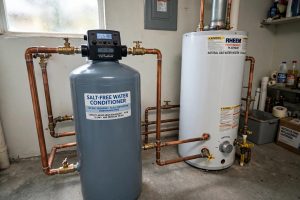
Salt Free Water Softener Reviews for Hard Water
May 16, 2026 0 views