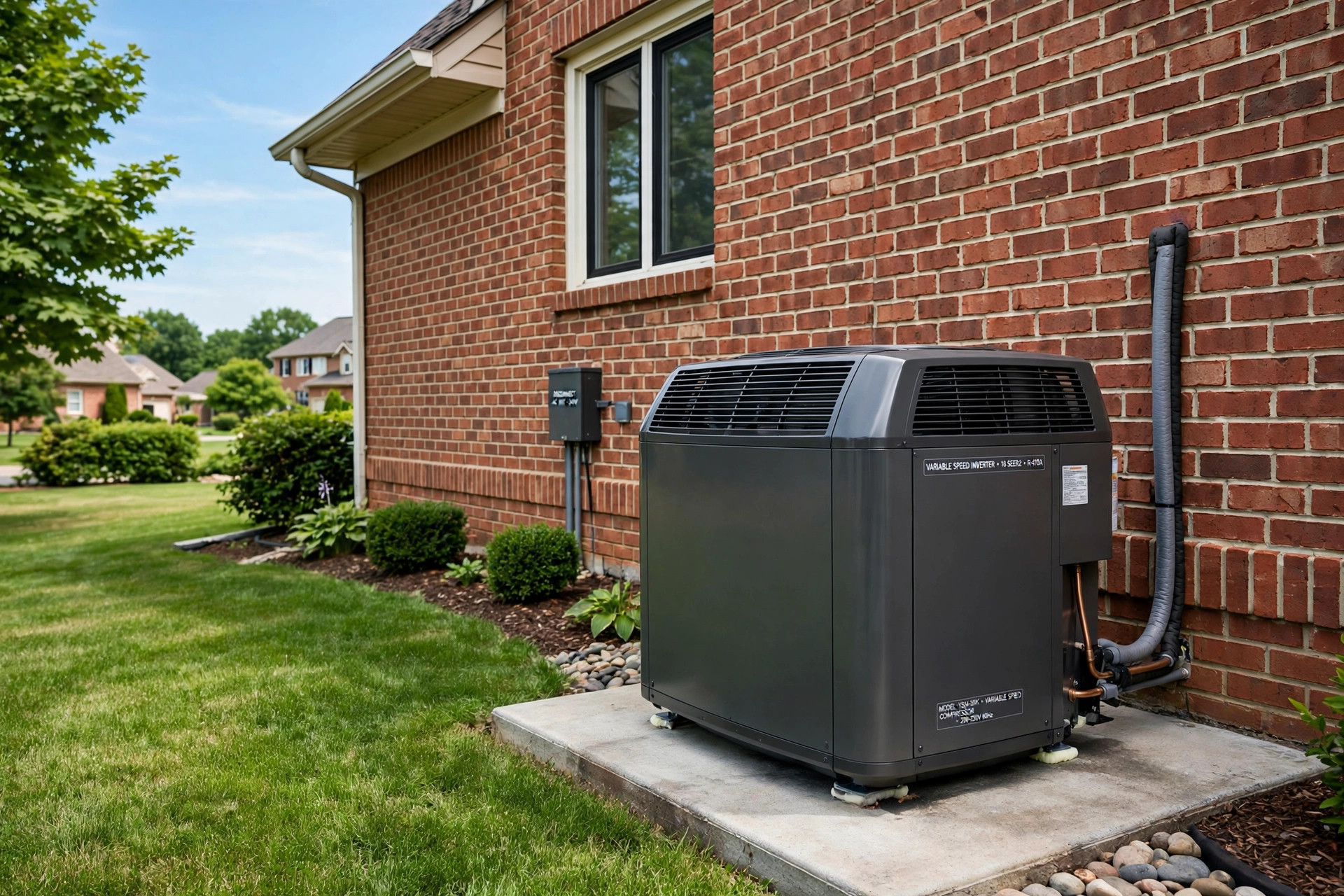

Many homeowners across the United States hear about variable speed AC pros and cons reviews USA shoppers are reading, and they wonder if this style of air conditioner is worth the money. A variable speed air conditioner runs its compressor at many speeds instead of one fixed speed. It can cool at low power most of the day and rise to full power only on the hottest hours. This article gives a fair look at the good points and the bad points. It explains how these units work, what they cost, and how to keep them running well.
Why It Matters
Summer cooling bills are a real burden for many families. In hot states like Texas, Florida, and Arizona, the air conditioner is often the largest user of electricity in the home. A system that cools the same rooms but uses less power can save real money each month. That is why variable speed models get so much attention in stores and in online reviews.
Comfort is the other reason. Many homes have rooms that are too warm while others are too cold. A single speed unit blasts cold air at full force, then shuts off. This on-off pattern creates swings in temperature. A variable speed unit runs longer at gentle power. It holds the temperature steady and pulls more moisture out of the air. The home feels cooler at the same thermostat setting because the air is drier.
If you are buying a new system, this choice will stay with you for 15 to 20 years. A careful review of the pros and cons now can save thousands of dollars later. The facts below are drawn from maker guides and federal energy offices, not from sales talk.
How a Variable Speed Air Conditioner Works: Variable Speed Ac Pros and Cons Reviews Usa
A standard single speed compressor has two settings: full on or full off. When the room warms, it starts at full blast. When the set point is reached, it stops. It repeats this all day. Each start draws a surge of current and wears the parts.
A variable speed compressor can run at many levels, often from 25 percent to 100 percent of full power. A small computer in the unit reads the indoor and outdoor temperatures many times a minute. It picks the lowest speed that can hold the set point. On a mild day the unit may run for hours at 40 percent power. On a very hot day it climbs to full power, just like a normal unit.
This steady running is called modulation. It keeps air moving through the ducts at all times. Filters catch more dust because air passes through them longer. Rooms get even cooling because there is no long wait between blasts of cold air.
Most variable speed units pair with a matching indoor air handler or furnace that also has a variable speed blower. The two parts talk to each other. Together they fine tune the air flow room by room. Maker resources from Carrier explain this pairing in plain terms and show how the indoor and outdoor parts work as one system.
What to Look For When You Choose One
Not every variable speed model is built the same. Price, brand, and rating all differ. Here are the main points to check before you sign a contract.
SEER2 and EER2 Ratings
The federal rating for cooling power use is called SEER2. It is the seasonal energy efficiency ratio under the new test method. A higher SEER2 number means lower power use. Single speed units often rate from 14 to 16 SEER2. Variable speed units often rate from 17 to 22 SEER2 or higher. The Energy Star office lists which models earn its label and why.
The rating alone does not set your bill. Duct size, home insulation, and local rates matter as well. A 20 SEER2 unit on leaky ducts may cost more to run than a 16 SEER2 unit on tight ducts. Ask the contractor to check the ducts before he quotes the unit.
Compressor and Blower Types
True variable speed uses an inverter-driven compressor. It can hold dozens of speeds. Some makers sell “two stage” units and market them as nearly variable speed. A two stage unit has only two speeds: low and high. It is better than a single speed unit, but it is not the same as a true variable speed unit. Readers who want the full side by side can read our two stage versus single stage AC comparison.
The indoor blower matters too. A variable speed blower moves air in small steps. It can slow down on damp days to pull more water from the air. A fixed speed blower cannot do this. Make sure the indoor unit on the quote is also variable speed, or much of the gain is lost.
Controls and Thermostat
These systems need a matching thermostat or control made by the same maker. The control must speak the same digital language as the unit. A plain old thermostat may not unlock the full range of speeds. Ask if the quote includes the matching control and its cost.
Types and Options
Variable speed cooling comes in several forms. The right form depends on the home.
Split system central air. This is the common type in the United States. An outdoor condenser pairs with an indoor coil or furnace. It feeds cool air through ducts. Most major brands now sell variable speed split systems. Guides from Trane describe how their split lines step through speed ranges.
Heat pump with variable speed. A heat pump cools in summer and heats in winter using the same outdoor unit. Variable speed heat pumps are popular in mild states and are growing in cold states. The compressor logic is the same. Reviews of heat pump brands from Lennox and Rheem show many variable speed models.
Ductless mini split. Many mini splits have used inverter-driven variable speed compressors for years. They suit homes with no ducts, room additions, and garages. Each indoor head runs on its own. If you need only one or two rooms cooled, a mini split may cost less than a full central change.
Packaged unit. In some regions the whole system sits in one box outside or on the roof. A few makers sell variable speed packaged units. They fit homes with no indoor space for an air handler.
Before you pick a brand, it helps to study the market. Our page on the best central air conditioner brands for 2026 lists leading makers and their lines.
Cost and Price
The main drawback of variable speed AC is the price. A single speed system of the same size may cost 3,000 to 5,000 dollars less to install. A full variable speed job often lands between 8,000 and 14,000 dollars in much of the country. Very large homes or hard installs can run higher. Brand pages such as Goodman give rough price ranges, but local labor rates drive the final number.
What does the buyer get for the extra money? Studies by the federal energy office at Energy.gov note that high efficiency cooling can cut power use by 20 to 40 percent over a basic unit. In a hot state with high rates, that can mean 300 to 600 dollars saved each year. The payback time often falls between 7 and 12 years. In a cool state with low rates, payback can stretch past 15 years.
Repair costs are also higher. The inverter board and the compressor are costly parts. A board can cost 500 to 1,200 dollars to replace after the warranty ends. A single speed unit has simpler parts that any shop can fix. Longer warranties matter more with these units. Look for a 10 year parts warranty at least, and ask about labor coverage.
Tax credits and rebates can soften the price. Federal credits for high efficiency heat pumps and some AC systems have changed over the years. Utility firms in many states also pay rebates for high SEER2 models. Check current programs before you buy. A 2,000 dollar rebate changes the math a great deal.
To weigh efficiency against price in real numbers, see our look at the 16 versus 18 SEER cost difference. It shows how small rating steps move the yearly bill.
Care and Upkeep
A variable speed unit needs the same basic care as any air conditioner, but its electronics deserve care.
Change the filter on time. A dirty filter starves the blower and forces the system to work harder. Check the filter each month in summer. Homes with pets may need a new filter every 30 days. Tip sheets from the Family Handyman show how a quick filter change takes only minutes.
Keep the outdoor coil clean. Leaves, grass, and cottonwood fluff block air flow through the outdoor coil. Rinse it gently with a garden hose once or twice each cooling season. Cut back bushes so two feet of clear space stand on all sides. Never blast the coil with a pressure washer. It bends the thin fins.
Book a yearly check. A trained tech should visit each spring. He will check refrigerant levels, test the capacitors, clean the drain line, and look at the inverter board for signs of heat damage. Old home guides from This Old House explain what a good tune-up should cover.
Watch the condensate drain. Because these units run long hours at low speed, they pull much water from the air. That water must drain out. A clogged drain can spill water into the attic or closet. Pour a cup of plain white vinegar into the drain line each spring to slow algae growth.
Protect the electronics. The inverter board is sensitive to power spikes. A whole home surge protector or a unit level surge device is a wise add in storm country. It costs far less than a new board.
Safety
Air conditioners use strong current and hold refrigerant under pressure. Homeowners should never open the sealed refrigerant lines. Only a licensed tech may add or remove refrigerant. Federal rules require capture of old refrigerant so it does not escape into the air.
Keep the disconnect box by the outdoor unit clear and easy to reach. If a storm floods the unit, turn off the breaker and call a tech before you restart it. Water and fine electronics do not mix.
Drain lines and drip pans can grow mold if left wet. Wear gloves and a dust mask when you clean a slimy pan. Keep small children away from the outdoor unit while it runs. The fan and the coil edges can harm small fingers.
If you smell burning from the indoor unit or see water pooling where it should not be, shut the system off at the thermostat and the breaker. Then call for service. Do not try to fix a board or a motor yourself.
FAQ
Do variable speed AC units really save money? Yes, in most homes they do, but the size of the saving depends on climate and rates. A home in Texas with long hot summers and high rates can see strong savings. A home in Maine with a short cooling season may save only a little. Ask your contractor for a written estimate of yearly power use for each option.
Are they quieter than single speed units? Most of the time, yes. At low speed the outdoor fan and the compressor make little noise. Many owners say they cannot hear the unit from inside. At full speed on a very hot day it sounds much like a normal unit.
How long do variable speed AC units last? With steady care, 15 to 20 years is a fair range. The compressor may last longer because it starts gently instead of with a hard surge. The weak point is often the inverter board. A power surge or a lightning strike can end its life early. Surge protection helps.
Do I need new ducts for a variable speed system? Not always, but the ducts must be in fair shape. Leaky or undersized ducts waste the gain. A good contractor will test the ducts for leaks and size before he quotes. Fixing ducts can add to the job cost but it pays back in lower bills.
Can any contractor install one? No. These units need proper setup of the digital controls and the refrigerant charge. A poor charge or a wrong setting can cut power use savings by half. Choose a firm that installs the brand often and that can show factory training. Check reviews and ask for local references.
Is repair harder to get? It can be. The inverter board and the matched controls are brand specific. A small shop may not stock the parts. Stick with a common brand sold by many firms in your area, so parts and trained techs are near at hand.
A Final Word
Variable speed AC pros and cons reviews USA buyers read all point to the same trade. You pay more now for better comfort, steadier temperatures, drier air, and lower power bills. You take on higher repair risk and a need for skilled service. For homes in hot states with long cooling seasons, the trade often pays. For homes in mild states, a simpler unit may be the smarter buy. Get three written quotes, check the duct work, and read the warranty line by line. A careful choice made once will serve your home for many summers.
References
Carrier. (n.d.). Heating and cooling systems. https://www.carrier.com ENERGY STAR. (n.d.). Energy efficient products. https://www.energystar.gov Family Handyman. (n.d.). DIY home repair and maintenance. https://www.familyhandyman.com Goodman. (n.d.). Heating and cooling equipment. https://www.goodmanmfg.com Lennox. (n.d.). Heating and cooling systems. https://www.lennox.com Rheem. (n.d.). Heating, cooling, and water heating. https://www.rheem.com This Old House. (n.d.). Home renovation guidance. https://www.thisoldhouse.com Trane. (n.d.). Heating and air conditioning. https://www.trane.com U.S. Department of Energy. (n.d.). Energy efficiency and renewable energy. https://www.energy.gov
Was this guide helpful?

About Michael Thompson
The My Garden US editorial team writes practical, in-depth home and garden guides for American homeowners — tested advice, no fluff.
You May Also Like
Best Air Filter for Allergies Reviews USA: A Plain Guide to Cleaner Air
June 22, 2026 0 views
Under Cabinet Range Hood Reviews 2026 USA: A Practical Buying Guide
July 26, 2026 0 views
What Does Attic Fan Installation Cost Near Me?
January 13, 2026 0 views