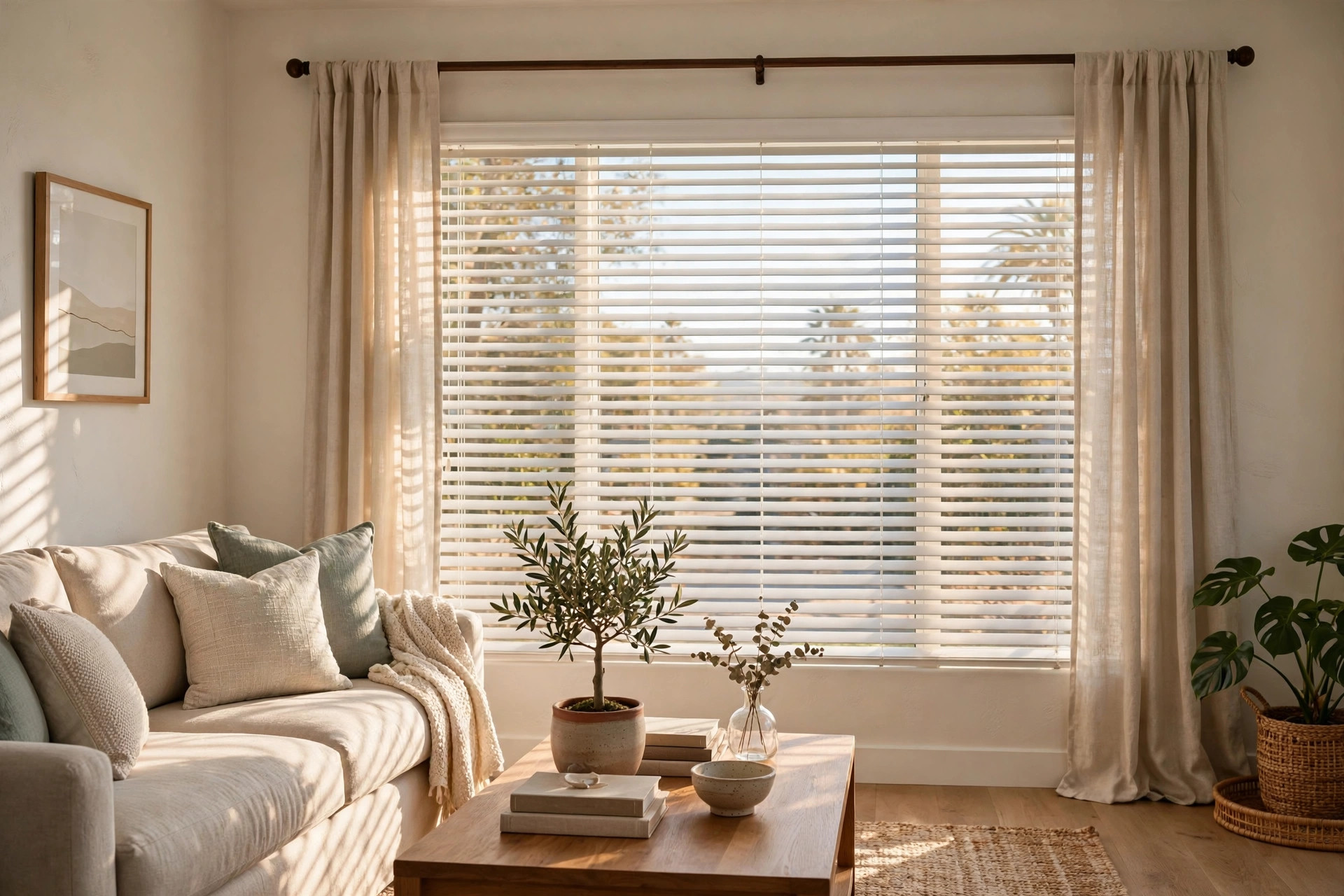

Window coverings change a room. They soften light, guard privacy, and cut heat from the sun. In California, where bright sun lasts most of the year, finding reliable window treatment installation services in california is a smart step for any home owner. Good coverings keep rooms cool in summer and warm in winter. They also add a finished look that plain glass can never give.
Many people buy blinds or curtains and plan to hang them on their own. The boxes look simple. The brackets look small. But the work is harder than it seems. Windows are not always square. Walls can be weak. Measurements must be exact. A mistake of half an inch can ruin the fit. A pro installer avoids these traps. He measures each window, picks the right mount, and sets each piece level. The result lasts for years.
This guide explains why pro fitting matters, what to look for in an installer, which coverings suit California homes, what the work costs, and how to keep the result in good shape. It ends with answers to common questions.
Why It Matters
California homes face strong sun. South and west windows take full heat for hours each day. That heat fades floors and furniture. It raises cooling bills. A well-fitted blind or shade blocks much of it. Gaps at the edges let heat and light leak in. A pro installer closes those gaps. He fits the unit tight to the frame.
Privacy matters too. Homes in cities like Los Angeles and San Diego sit close to the street. Neighbors can see in at night when lamps are on. A level, full-cover shade fixes this. A crooked shade leaves a thin line where eyes can slip through.
Safety counts as well. Cords on old blinds have hurt small children and pets. The U.S. Consumer Product Safety Commission warns about cord hazards and urges cordless designs in homes with young children (https://www.cpsc.gov). A trained installer knows which cords to avoid and can fit cordless lifts.
There is also the matter of time. An average house has fifteen to twenty windows. A first-timer may spend a full weekend and still finish with two crooked rods. A pro crew often finishes in a few hours. For people with busy weeks, that speed is worth much.
A good install also guards the product warranty. Many makers void the warranty if the unit is mounted wrong. Homeowners who pay for premium custom drapery services near me expect the work to be covered. A licensed fitter keeps the papers in order.
What to Look for When You Hire: Reliable Window Treatment Installation Services in California
Not every installer is equal. Some are one-man shops. Some work for large stores. Both can be good. The key is to check a few points before you sign.
License and Insurance
California asks most home contractors to hold a license for jobs above a set price. Ask for the license number. Check that insurance covers damage to your home. A real pro shows these papers without fuss.
Experience With Your Product
Shutters mount very differently from roller shades. Drapes need a strong rod and solid anchors. Ask how many jobs of your type the installer has done. A fitter who has hung hundreds of plantation shutters knows the small tricks of the trade.
Measuring
Many reliable window treatment installation services in california offer free in-home measuring. Take it. A store visit can help you see fabrics and colors. Guides at places like The Home Depot and Lowe’s show samples, but the final measure must happen at your own window. Steel tape beats guesswork.
Reviews and References
Read reviews from local buyers. Look for notes on timing, clean work, and follow-up fixes. Ask the company for two or three past clients you can call. Short calls tell you more than star ratings.
Clear Written Quote
The quote should list each window, each product, and the labor charge. It should state the start date and the finish date. It should say who fixes mistakes. Vague quotes lead to fights. Get it in writing.
Warranty on Labor
Good firms stand behind the mounting for at least a year. Some give two or three. Ask what happens if a bracket pulls loose in month six. The answer should be a free return visit.
Types of Window Treatments for California Homes
California houses vary. A beach flat in Santa Monica needs different coverings than a mountain cabin near Tahoe. The main types each have strengths.
Blinds
Blinds use slats that tilt to let in or block light. Wood and faux wood blinds suit living rooms and studies. Faux wood holds up better in humid baths and kitchens. For buyers who want value, top rated faux wood blinds for usa homes offer a warm look at a fair price. Installers must set each headrail level so the slats hang straight. Stores such as Blinds.com and Wayfair sell wide lines, and many offer measure and install plans.
Shades
Shades roll or fold. Roller shades give a clean modern face. Cellular shades trap air in small pockets and add insulation, which helps with hot valley summers. Light-filtering fabrics glow soft in the morning. Blackout fabrics suit bedrooms. Shades need true mounts so the roll stays even. Home design sites like HGTV show many shade styles in real rooms.
Shutters
Plantation shutters are fixed frames with wide louvers. They suit Spanish and ranch homes common in California. They last for decades and raise resale value. They are also the hardest to fit. Frames must be square to the opening. Many buyers shop best plantation shutters for sale and then hire a specialist for the fit.
Drapes and Curtains
Fabric panels soften a room like nothing else. Linen sheers let in light while cutting glare. Heavy drapes darken a media room. Rods must be anchored into studs or strong wall anchors, or the whole set can fall. IKEA sells low-cost rods and panels that a pro can hang in minutes.
Woven Woods
Woven wood shades bring a natural, beach-house feel. They suit patios, sunrooms, and casual living spaces. Readers often check woven wood shades reviews and buying guide before they buy. These shades weigh more than fabric, so the mount must be firm.
Cost and Price
Prices move with product, window size, and region. Coastal cities tend to cost more than inland towns. Use these ranges as a guide.
Labor for a simple blind or shade mount often runs twenty-five to seventy-five dollars per window. Shutters cost more, often one hundred to two hundred fifty dollars per window, because the fit is slow and exact. Drapes fall in the middle, around fifty to one hundred twenty-five dollars per opening, depending on rod work.
Product cost adds on top. Ready-made blinds from a big store can cost thirty to eighty dollars each. Custom shades run one hundred fifty to four hundred dollars per window. Real wood shutters can reach three hundred to seven hundred dollars per window. Whole-house jobs add up fast, so get three quotes and compare line by line.
A few factors raise the price. Tall windows need ladders or scaffolds. Arched tops need custom frames. Old plaster walls crack and need care. Smart motorized shades cost more for both the unit and the wiring. Test groups such as Consumer Reports publish price and quality studies that help buyers judge value.
Watch for hidden fees. Some firms charge extra for haul-away of old coverings. Some charge a trip fee for far suburbs. Ask for the full total before work starts. A fair firm puts the total in the quote and holds to it.
Financing exists. Large retailers offer payment plans for whole-house orders. Some installers take a deposit of one third and the rest on completion. Never pay the full sum up front.
Care and Upkeep
Good coverings last long with simple care. Dust blinds once a week with a soft cloth or a vacuum brush. Turn slats fully closed first, then wipe each side. Fabric shades gather dust too. A light pass with a lint roller keeps them fresh.
Wash curtains as the label says. Many sheers go in a gentle machine cycle. Heavy drapes may need dry cleaning. Take drapes down once a year and shake them out in open air.
Check mounts twice a year. Open and close each unit and listen for strain. Tighten loose screws with a screwdriver. If a bracket wobbles in drywall, call the installer back. Small fixes early stop big falls later.
Sun is the main enemy in California. South-facing fabrics fade. Rotate which rooms get the harshest light by closing shades in midday. Some films and liners add UV guard. How-to guides at This Old House and Bob Vila give step-by-step care tips for blinds and shades.
Keep cords and chains out of reach. Tie-ups should sit high. Better yet, switch to cordless when you replace old units.
Safety
Safety starts with the cord. Loop cords have caused deaths of small children. The safest choice is a cordless lift or a motorized unit. If you keep cords, use the cleats that come in the box and wrap cords high on the wall.
Anchors matter. A heavy drape rod can weigh twenty pounds or more with fabric. Drywall alone will not hold it. Pros use studs or toggle bolts rated for the load. Renters should ask the landlord before drilling.
Fire safety counts too. Keep fabric clear of heaters and candles. Choose fabrics marked for low flame spread near kitchens.
For homes with toddlers, walk each room after install. Look at the window from a child’s eye level. Anything within reach needs a guard or a new design. The federal safety agency keeps current rules on its site (https://www.cpsc.gov), and a good installer follows them without being asked.
Frequently Asked Questions
How long does installation take? Most homes take two to four hours for a crew of two. Shutters take longer, sometimes a full day. Drapes with new rods add time for anchoring.
Can I install window treatments myself? Simple tension rods and light curtains are fine for most do-it-yourself fans. But wide blinds, shutters, and motorized shades repay pro help. One wrong hole in plaster is costly to fix.
Do I need to be home during the install? Yes, for at least the start. Walk the crew through each room. Mark which covering goes on which window. Then you can leave them to work and return for a final check.
What if my windows are not square? Old homes settle and frames skew. Pros shim and trim to fit. This is one of the best reasons to hire: a store-bought blind assumes a square opening, and your house may not have one.
Are motorized shades worth it? For tall windows and hard-to-reach spots, yes. For a small flat, the cost may not pay off. Note that motors add a service point later.
How do I find reliable window treatment installation services in california near me? Ask friends for names. Read local reviews. Check licenses. Get three written quotes. Firms that measure in your home and warrant the labor tend to be the safest pick.
A Short Final Word
Window treatments shape how a home feels every day. They tune the light, guard the furniture, and give each room a finished face. In a sunny state like California, the fit matters as much as the fabric. A careful installer turns a good product into a great result.
Take time to choose. Compare three firms. Read the quotes. Ask about license, measure visits, and labor warranty. Then enjoy the quiet change that comes when every shade sits level and every drape hangs true. Your rooms will feel cooler, calmer, and more your own.
References
Blinds.com. (n.d.). Window blinds, shades, and shutters. https://www.blinds.com Bob Vila. (n.d.). Home improvement advice. https://www.bobvila.com Consumer Reports. (n.d.). Product reviews and ratings. https://www.consumerreports.org HGTV. (n.d.). Home and garden ideas. https://www.hgtv.com IKEA. (n.d.). Home furnishings. https://www.ikea.com Lowe’s. (n.d.). Home improvement products. https://www.lowes.com The Home Depot. (n.d.). Home improvement products. https://www.homedepot.com This Old House. (n.d.). Home renovation guidance. https://www.thisoldhouse.com Wayfair. (n.d.). Furniture and home goods. https://www.wayfair.com
Was this guide helpful?

About Michael Thompson
The My Garden US editorial team writes practical, in-depth home and garden guides for American homeowners — tested advice, no fluff.
You May Also Like

Best Arched Window Shades for Florida Homes
August 21, 2026 0 views
Best Pinch Pleat Drapes With Free Shipping
September 15, 2026 0 views
Custom Sliding Panel Track Blinds with Free Shipping: A Complete Buying Guide
May 15, 2026 0 views