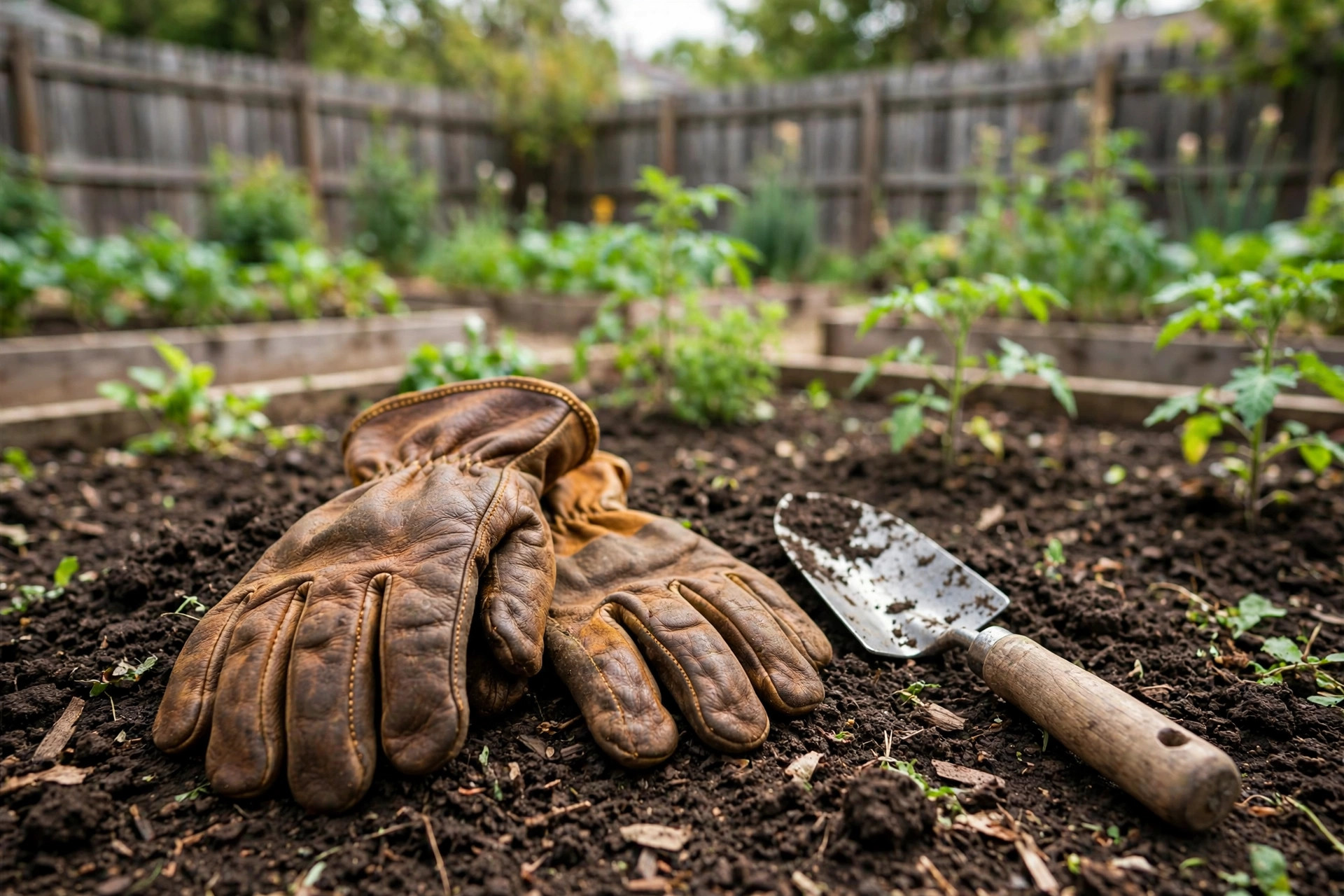

Digging is the hardest work a garden glove ever does. Turning soil, breaking up clay, pulling rocks, and wrestling with roots all test the palm, the fingers, and the seams of a glove in a single afternoon. Reading the best garden gloves for digging reviews before you buy can save you money and spare your hands a week of blisters. This guide walks you through why digging gloves matter, what to look for, the main types on the market, what they cost, how to care for them, and how to stay safe in the garden.
Why Digging Gloves Matter
Hands are a gardener’s most valuable tool. Digging puts them in direct contact with soil that may hide sharp stones, broken glass, wire, and thorns. Soil also harbors bacteria and fungi that can enter through even a small cut. A good glove forms a barrier between your skin and these hazards while still letting you grip a shovel handle and feel the soil.
Cheap thin gloves often fail at the first sign of real digging. The fabric wears through at the fingertips. Seams split along the palm. Cheap elastic loses its shape after two washings. Reviews from experienced gardeners tend to agree on one point: a digging glove should be judged by how it holds up after a full season, not by how it looks out of the package.
Digging gloves also reduce hand fatigue. A padded palm absorbs some of the shock each time the shovel strikes hard ground. A snug wrist keeps soil and grit from working their way inside, which prevents the rubbing that causes blisters. Over a long weekend of bed preparation, these small comforts add up to real protection.
What to Look for in Digging Gloves: Best Garden Gloves for Digging Reviews
When you read through the best garden gloves for digging reviews, the same features come up again and again. Fit comes first. A glove that is too loose will bunch at the fingertips and make gripping a handle awkward. A glove that is too tight will cut off circulation and tire your hands quickly. Try gloves on in person when you can, and check the sizing charts carefully when you order online. Resources from trusted garden retailers such as Gardener’s Supply Company explain how to measure your hand for a proper glove fit.
Fit and Comfort
Look for an ergonomic design with pre-curved fingers. Straight-cut work gloves force your hand to fight the glove with every grip. Pre-curved fingers follow the natural shape of the hand and cut down on fatigue. A soft lining adds comfort in cool weather, though it can make the glove too warm in summer. Some gardeners keep two pairs: a lined pair for spring and an unlined pair for the heat of July.
Materials and Build Quality
The palm material decides how long a glove lasts. Full-grain leather palms wear well and mold to the hand over time. Split leather is cheaper but wears faster. Synthetic leather, usually made from polyurethane, resists water and dries quickly, which suits damp climates. Coated knit gloves, with rubber or latex over a stretchy knit back, give excellent grip but less puncture resistance than leather.
Double stitching at the stress points matters. Check the seams along the palm and between the thumb and forefinger. This is where digging gloves fail first. Reinforced fingertips are a bonus for anyone who digs in rocky soil. As Fiskars notes in its garden tool guides, matching the tool to the soil type is half the battle, and gloves are no different.
Grip and Dexterity
A digging glove should grip a wet wooden handle without slipping. Textured palms help. So do silicone grip dots or a tacky rubber coating. But too much coating kills dexterity, and you still need to pick up small seeds, tie plant labels, and handle a trowel with precision. The best digging gloves strike a balance: tough on the palm, flexible at the fingers.
Types of Garden Gloves for Digging
Leather Digging Gloves
Leather remains the classic choice for digging. Goatskin is soft, strong, and naturally water resistant. Cowhide is heavier and tougher but takes longer to break in. Pigskin stands up to moisture better than most leathers and is a favorite in humid regions. Leather gloves cost more up front but often outlast two or three pairs of cheap cotton gloves. For heavier protection needs, you may also want to look into gloves made for thorn protection, which share many of the same leather construction features.
Synthetic and Coated Gloves
Nitrile and latex-coated knit gloves are light, flexible, and inexpensive. They grip well in wet soil and can be tossed in the washing machine. Their weakness is durability. Coated gloves wear through faster than leather when used for hard digging in stony ground. They work well as a second pair for lighter tasks such as planting seedlings and weeding, where the heavy leather pair would be overkill.
Padded and Reinforced Gloves
Some digging gloves add padded palms, knuckle guards, and extra-long gauntlet cuffs. Padded palms help when you swing a mattock or pound a stake. Knuckle guards protect against scrapes when you reach into dense shrubbery. Gauntlet cuffs keep soil and mulch from falling inside the glove while you work. These features add bulk, so they suit heavy digging days rather than delicate transplanting work. Advice columns at The Spruce regularly compare padded models against plain leather styles for exactly this kind of heavy garden labor.
Waterproof Digging Gloves
For digging in wet soil, in spring rain, or around ponds, waterproof gloves keep hands dry and warm. Most use a waterproof membrane between the outer shell and the lining. They run warmer than unlined gloves, which is an advantage in March and a drawback in August. A good waterproof glove dries out overnight if you turn it inside out and let air circulate.
Cost and Price Ranges
Digging glove prices fall into three broad bands. Budget gloves, often basic cotton or coated knit pairs, cost three to eight dollars. They suit light, occasional digging but rarely survive a full season of hard use. Mid-range gloves, with synthetic leather palms or light goatskin, run eight to twenty dollars. This is where most gardeners find the best value. Premium gloves, made from full-grain leather with reinforced stitching and padding, cost twenty to forty-five dollars. Consumer Reports testing has repeatedly shown that mid-range and premium gloves outlast budget pairs by a wide margin when used for digging.
Reviews agree that price alone does not guarantee quality. Some expensive gloves use fashion stitching that looks fine but fails under load. Some inexpensive gloves punch above their weight. Reading multiple reviews, checking for comments about seam strength and long-term wear, and buying from established garden suppliers all reduce the risk of a bad purchase. Seasonal sales at large home retailers like Lowe’s can make premium gloves affordable if you shop in late fall.
Care and Upkeep
Good gloves last longer with simple care. After each use, shake out loose soil and let the gloves air dry. Never leave damp gloves balled up in a bucket, where mildew will attack leather and fabric alike. Leather gloves benefit from an occasional treatment with a leather conditioner, which keeps the hide supple and water resistant. A practical storage corner near your kneeler, hand trowel, and seed trays keeps gloves, tools, and accessories together and easy to reach.
Machine washing works for most synthetic and coated gloves. Turn them inside out, use a gentle cycle with mild soap, and air dry them away from direct heat. Leather gloves should be washed by hand with a damp cloth and mild soap, then dried slowly at room temperature. Heat from a radiator or dryer will shrink and crack leather. Inspect seams every few weeks during the digging season. A loose thread caught early can be re-stitched before it becomes a split palm.
Store gloves in a dry place between seasons. A cloth bag breathes better than a plastic sack. Some gardeners sprinkle a little baking soda inside the gloves before storage to absorb moisture and odor over the winter. Come spring, your gloves will be ready for the first bed of the year.
Safety
Gloves reduce risk but do not remove it. Always check the ground before digging where old construction debris might be buried. Wear gloves when handling compost, manure, and bagged soil amendments, which can carry tetanus bacteria and fungal spores. Family Handyman reminds readers in its garden safety coverage that a tetanus booster is worth keeping current for anyone who digs regularly.
Watch for allergic reactions. Latex coatings can trigger skin allergies in sensitive people. Nitrile coatings are the usual alternative. If your hands sweat heavily, choose breathable backs and change gloves when they get soaked inside. Wet skin blisters faster than dry skin.
Heat is a real hazard. In hot weather, take glove breaks and let your hands air out. Dark gloves left in the sun become hot enough to burn. And never wear loose, floppy gloves near powered equipment such as rototillers or augers, where fabric can catch.
Frequently Asked Questions
What is the best material for digging gloves?
For hard digging in rough soil, full-grain or goatskin leather wins on durability and puncture resistance. For wet conditions, synthetic leather or nitrile-coated knit dries faster. Many gardeners own one leather pair for digging and one coated pair for lighter work.
Should digging gloves be tight or loose?
Snug but not tight. You should be able to pinch the fingertip of the glove without excess fabric, and you should be able to make a full fist without the glove resisting. If soil pours in over the cuff, the wrist is too loose.
How long should a good pair of digging gloves last?
A quality leather pair used for regular digging typically lasts one to three seasons. Coated knit gloves used for the same work may last a single season. Washing, conditioning, and proper drying extend the life of any glove.
Can I use work gloves from the hardware store for digging?
Yes, many general work gloves dig perfectly well. The difference is fit and dexterity. Garden-specific gloves tend to fit closer and flex better at the fingers, which helps with planting and weeding between digging sessions. Review sites such as Bob Vila often test garden gloves alongside general work gloves so you can compare the two.
How do I clean leather garden gloves?
Wipe them with a damp cloth and a little mild soap. Rinse the cloth and wipe again. Let the gloves dry slowly at room temperature, shaping them with your hands as they dry. Once dry, work in a small amount of leather conditioner. Never put leather gloves in the dryer.
Are expensive digging gloves worth the money?
For gardeners who dig weekly, yes. Premium gloves last several seasons and protect better against blisters and punctures. For occasional light digging, a mid-range pair gives the best balance of cost and durability. Budget gloves make sense only for very light, infrequent use.
A Short Final Word
The best garden gloves for digging reviews point to the same conclusion: buy for fit, build quality, and honest long-term reports rather than for brand name or looks alone. A well-chosen pair of digging gloves protects your hands, cuts fatigue, and lasts for seasons. Whether you prefer classic leather, modern coated knits, or padded heavy-duty styles, the right gloves make the hardest garden work safer and more pleasant. Trusted growing resources like Burpee and tool makers like Corona Tools both stress the same practical rule: take care of your hands and they will take care of your garden.
References
Bob Vila. (n.d.). Home improvement advice. https://www.bobvila.com Burpee. (n.d.). Seeds, plants, and gardening supplies. https://www.burpee.com Consumer Reports. (n.d.). Product reviews and ratings. https://www.consumerreports.org Corona Tools. (n.d.). Garden and landscape tools. https://www.corona-tools.com Family Handyman. (n.d.). DIY home repair and maintenance. https://www.familyhandyman.com Fiskars. (n.d.). Garden and cutting tools. https://www.fiskars.com Gardener’s Supply Company. (n.d.). Gardening tools and supplies. https://www.gardeners.com Lowe’s. (n.d.). Home improvement products. https://www.lowes.com The Spruce. (n.d.). Home and garden advice. https://www.thespruce.com
Was this guide helpful?

About Sarah Mitchell
The My Garden US editorial team writes practical, in-depth home and garden guides for American homeowners — tested advice, no fluff.
You May Also Like

Garden Netting for Pest Control Reviews: What Buyers Should Know
January 13, 2026 0 views
Best Garden Apron for Harvesting Reviews
April 7, 2026 0 views
Drip Irrigation Kit for Raised Beds: How to Choose, Install, and Care for One
August 29, 2026 0 views