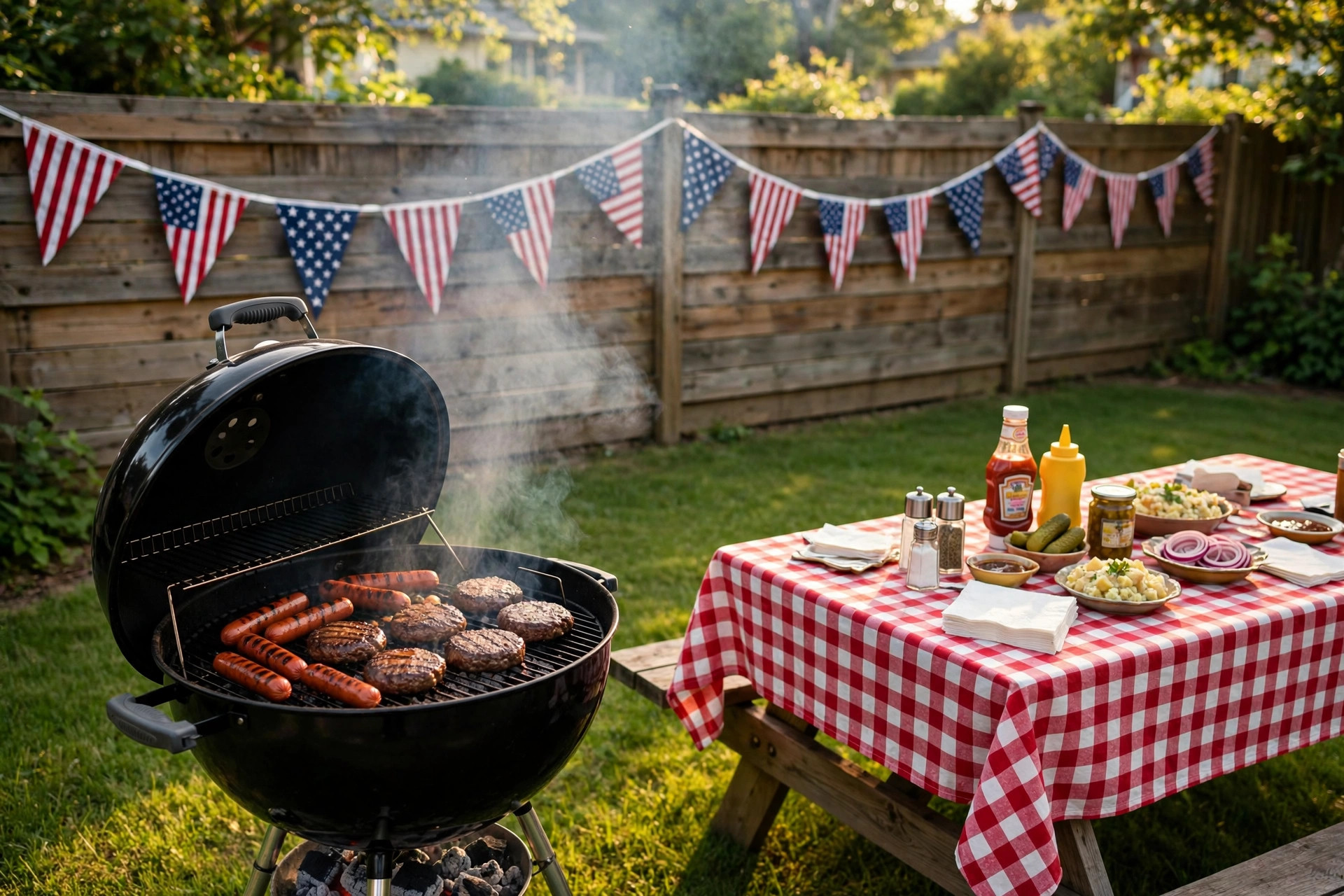

The Fourth of July is the busiest grilling day of the year in America. Backyards fill with smoke. Tables fill with burgers, hot dogs, ribs, and corn. Many home cooks search for the best bbq for fourth of july party plans once June arrives. They want a grill that can feed a crowd.
A holiday cookout is not like a quiet weeknight dinner. The grill must run for hours. It must hold food for twenty or thirty guests. It must recover heat fast after the lid opens and closes a dozen times. The wrong grill turns a party into a long wait. The right grill turns it into a smooth and happy afternoon.
This guide walks through the choice step by step. It covers gas, charcoal, and pellet grills. It covers size, cost, care, and safety. It also gives a simple plan for feeding a large group without stress.
Why the Right Grill Matters on the Fourth
Food is the center of a Fourth of July party. Guests come for the company, but they judge the day by the plate. Dry burgers and cold hot dogs can sink the mood. Juicy, hot food served on time lifts it.
The grill is the engine of the day. A small grill forces the cook to work in batches. Each batch takes ten or fifteen minutes. With three batches, the first guests eat while the last guests wait. A grill with enough space cooks for everyone at once.
Consistency matters too. A grill that holds steady heat cooks food evenly. A grill with hot and cold spots burns some pieces and leaves others raw. On a busy day, the cook has little time to move food around and watch every corner. A forgiving grill does half the work.
Reliability is the third point. A grill that fails on the holiday creates a crisis, and stores are closed. A solid grill, checked before the party, removes that risk.
How to Choose the Best BBQ for a Holiday Crowd: Best Bbq for Fourth of July Party
Gas, Charcoal, or Pellet
Gas grills are the most common choice for parties. They light with the push of a button. They heat up in ten minutes and the heat adjusts in seconds. For a host who must also greet guests and set tables, that control is gold. Char-Broil and other established makers sell sturdy gas models built for long cookouts.
Charcoal grills give food a smoky flavor that many people love. A kettle grill is simple and cheap. It takes longer to light, about twenty to thirty minutes, and the heat needs more watching. But for ribs and chicken, the taste is hard to beat. Our guide to the best charcoal grill for backyard bbq compares the top kettle and barrel models for holiday cooking.
Pellet grills burn small wood pellets and feed them by machine. They hold a set temperature for hours with little effort. They are excellent for ribs, brisket, and pulled pork that cook low and slow. They cost more than gas or charcoal, and they need an outlet for the feeder. Traeger helped make this style popular with home cooks.
Size and Cooking Space
Size is the most important number for a party grill. Count the guests, then work backward. A good rule is 100 to 130 square inches of cooking space for every six to eight guests. For twenty guests, look for at least 500 square inches. For thirty guests, aim for 700 or more.
Think in burgers. A standard burger needs about 16 square inches, so twenty burgers need 320 square inches plus room for the rest. A grill that looks large in the store can feel small when it is full.
Warming racks add useful space. They sit above the main grate and hold finished food at serving temperature. Side burners help too. A side burner heats beans or boils corn while the main grate handles meat.
Heat Control and Ease of Use
A party cook needs steady, adjustable heat. On gas grills, look for at least three burners. Three burners allow two-zone cooking: hot on one side, cooler on the other. Food that finishes early moves to the cool side. Nothing burns while the cook talks to guests.
On charcoal grills, look for adjustable vents and a hinged grate. Vents control air flow, and air flow controls heat. A hinged grate lets the cook add coals without lifting the food. These details separate a good kettle from a frustrating one.
For beginners, a simple gas grill is the easiest path. Our roundup of the best gas grill under 500 for beginners lists models that light fast, hold heat well, and clean up in minutes.
Types of Grills for a Holiday Cookout
Gas grills remain the workhorse of the American backyard. They suit large crowds because they start fast and cook evenly. Three and four burner models from makers such as Weber have fed Fourth of July parties for decades.
Charcoal kettle grills are the classic choice for flavor. They cost little and last for years with basic care. Kamado-style cookers such as those from Big Green Egg hold heat for hours and can grill, smoke, and roast in one unit. They are heavy and costly, but fans swear by the results.
Pellet grills fit the host who wants slow-cooked meat without tending a fire. Load the hopper, set the temperature, and let the machine work. They shine with ribs, pork shoulder, and turkey. The smoke flavor is milder than charcoal but still real.
Flat top griddles have grown popular for parties. The wide steel surface cooks dozens of burgers, hot dogs, and vegetables at once. Smash burgers, a party favorite, need a flat surface. Our guide to the best flat top grill for outdoor kitchen covers full-size models built for crowds.
For small patios, a portable can also serve as the main grill.
What to Look for Before You Buy
Start with build quality. Heavy steel and cast aluminum last longer than thin sheet metal. A heavy lid seals heat in. Check the cart and wheels, since a party grill gets rolled across lawns and patios.
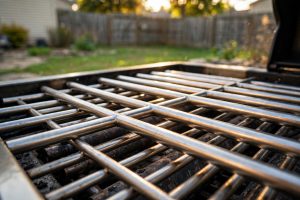
Grates matter more than most buyers think. Cast iron grates hold heat and make strong sear marks. Porcelain-coated steel grates resist rust and clean with less effort. Stainless steel rod grates last the longest. Avoid thin wire grates on cheap models. They warp and rust within a season.
On gas grills, study the burners. Stainless steel or cast iron burners outlast cheap aluminized steel. Look for even flame tents or heat plates that spread heat across the grate. Makers such as Broil King and Napoleon publish burner materials in their specs, so compare before you buy.
Check the ignition. A grill that lights on the first click saves real trouble on party day. Read the warranty too. A ten-year warranty on burners and a five-year warranty on the firebox signal a maker that stands behind the product. Short warranties on the parts that fail first are a warning.
Finally, buy the cover at the same time. A fitted cover doubles the life of a grill. The Home Depot and other large stores stock covers for most major models.
Cost and Price
Grill prices span a wide range. A basic charcoal kettle costs 50 to 200 dollars. It can feed a party well, but the cook works harder. Entry gas grills run 200 to 400 dollars. Mid-range gas grills with three or four burners cost 400 to 800 dollars. These are the sweet spot for most Fourth of July hosts.
Pellet grills start near 400 dollars and climb past 1,000 for large models. Kamado cookers run 600 to 1,500 dollars. Flat top griddles cost 200 to 600 dollars depending on size. Portable grills range from 50 to 300 dollars.
Fuel is the hidden cost. A 20-pound propane tank costs about 20 dollars to refill and runs a three-burner grill for 15 to 20 hours. A bag of charcoal costs 10 to 20 dollars and covers two or three cookouts. Wood pellets cost about 1 dollar per pound, and a long smoke can burn 10 pounds.
Accessories add up. Plan for a thermometer, long tongs, a stiff brush, and a cover. A wireless thermometer lets the cook watch temperatures from the cooler instead of hovering over the grill.
Feeding a Party: A Simple Plan
Start with the head count. Ask for firm numbers a week before the party. Then plan one-third pound of meat per adult and one-quarter pound per child. For twenty adults, that is about seven pounds of burger meat and five pounds of hot dogs. Add extra. Running out of food is worse than having leftovers.
Build the menu around food that cooks fast and holds well. Burgers, hot dogs, chicken thighs, and corn on the cob are party classics. They cook in ten to twenty minutes. Slow items like ribs need a second plan. Start them early or finish them in the oven.
Write a cooking schedule. Light the grill one hour before guests arrive. Sear burgers first and move them to the warm side. Start hot dogs next. Grill corn while the meat rests. This order keeps hot food moving to the table in waves.
Set up a serving station away from the grill so guests serve themselves and the cook stays put. Recipe sites such as The Spruce Eats offer tested fourth of july bbq menu ideas that pair well with grilled mains.
Keep cold food cold and hot food hot. Salads and slaws sit on ice. Cooked meat rests under foil for five minutes, then goes to the table. Never leave cooked food out for more than two hours in summer heat.
Care and Upkeep
A clean grill cooks better and lasts longer. After each cookout, brush the grates while they are still hot. Burned food lifts off easily at high heat. Once cool, empty the grease tray. Built-up grease causes flare-ups and can start a fire.
Once a season, give the grill a deep clean. Remove the grates and heat plates and scrub them with a brush and warm soapy water. Check gas burners for clogs, since insects nest in burner tubes during winter.
Cover the grill between uses. Store propane tanks upright in a shaded spot, never indoors. Keep charcoal and pellets dry, since wet pellets swell and jam the feeder.
At season end, clean the grill well and cover it. Disconnect the propane tank and store it outside. These small steps add years to the life of the grill and keep it ready for next July.
Safety at the Holiday Cookout
Grill safety starts with placement. Set the grill at least ten feet from the house, deck rails, and overhanging branches. Keep it on a flat, stable surface. Never grill in a garage or under a tent, even with the sides open. Carbon monoxide has no smell and can kill.
Keep a fire extinguisher or a bucket of sand nearby. Never use water on a grease fire. Turn off the burners and close the lid to starve the flames, and keep children and pets at least three feet from the grill.
Food safety matters as much as fire safety. Use a thermometer, not color, to judge doneness. Burgers must reach 160 degrees inside. Chicken must reach 165 degrees. Hot dogs should steam all the way through. Sites like AmazingRibs.com explain the science behind safe temperatures in plain terms.
Wash hands before and after handling raw meat, and use separate plates and tongs for raw and cooked food. Set cold salads on ice and throw out anything left in the sun for two hours.
Frequently Asked Questions
How far ahead should I buy a grill for the Fourth of July? Buy at least two to three weeks before the holiday. Stores sell out of popular models in late June. It also gives you time to assemble the grill and run a test cook before guests arrive.
Gas or charcoal: which is better for a large party? Gas is better for most large parties. It lights fast, holds steady heat, and lets the cook adjust on the fly. Charcoal gives better smoke flavor but needs more attention. Many hosts use gas for the main cook and a small charcoal kettle for a few special items.
How many burgers can a standard three-burner gas grill cook at once? A three-burner grill with about 450 square inches of space holds 20 to 24 burgers at once. Larger four-burner models hold 28 to 32. Count your guest list, then match the grill to the number.
Can I cook for a party on a pellet grill? Yes. Pellet grills hold temperature for hours with little effort, which suits slow items like ribs and pork shoulder. For fast items like burgers, they work but sear less well than gas or charcoal. Many pellet owners add a sear station or finish burgers on high heat.
What is the safest way to check if meat is done? Use an instant-read thermometer. Insert it into the thickest part, away from bone. Burgers should read 160 degrees. Chicken should read 165 degrees. Color and juice are not reliable guides.
A Short Final Word
The best bbq for fourth of july party cooking is the grill that fits your crowd, your skill, and your budget. A mid-size gas grill suits most hosts. A charcoal kettle suits flavor lovers. A pellet grill suits slow-cooked feasts. Pick the size first, check the build second, and test it before the big day. Then relax. Good food, good company, and a steady fire are all a holiday needs.
References
AmazingRibs.com. (n.d.). Barbecue and grilling science. https://www.amazingribs.com Big Green Egg. (n.d.). Kamado grills and outdoor cooking. https://www.biggreenegg.com Broil King. (n.d.). Gas and charcoal grills. https://www.broilkingbbq.com Char-Broil. (n.d.). Gas and charcoal grills. https://www.charbroil.com Napoleon. (n.d.). Fireplaces, grills, and heating products. https://www.napoleon.com The Home Depot. (n.d.). Home improvement products. https://www.homedepot.com The Spruce Eats. (n.d.). Recipes and cooking guides. https://www.thespruceeats.com Traeger. (n.d.). Wood pellet grills. https://www.traeger.com Weber. (n.d.). Grills and outdoor cooking. https://www.weber.com
Was this guide helpful?

About Lisa Anderson
The My Garden US editorial team writes practical, in-depth home and garden guides for American homeowners — tested advice, no fluff.
You May Also Like
Best Gas Grill for Windy Conditions
July 20, 2026 0 views
The Best BBQ Injector for Brisket Reviews: What Real Cooks Look For
February 18, 2026 0 views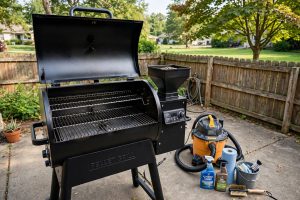
How to Clean a Pellet Grill After Use: A Simple Step-by-Step Guide
March 23, 2026 0 views