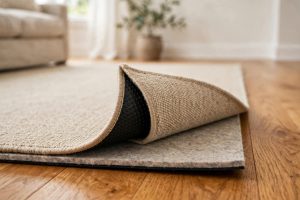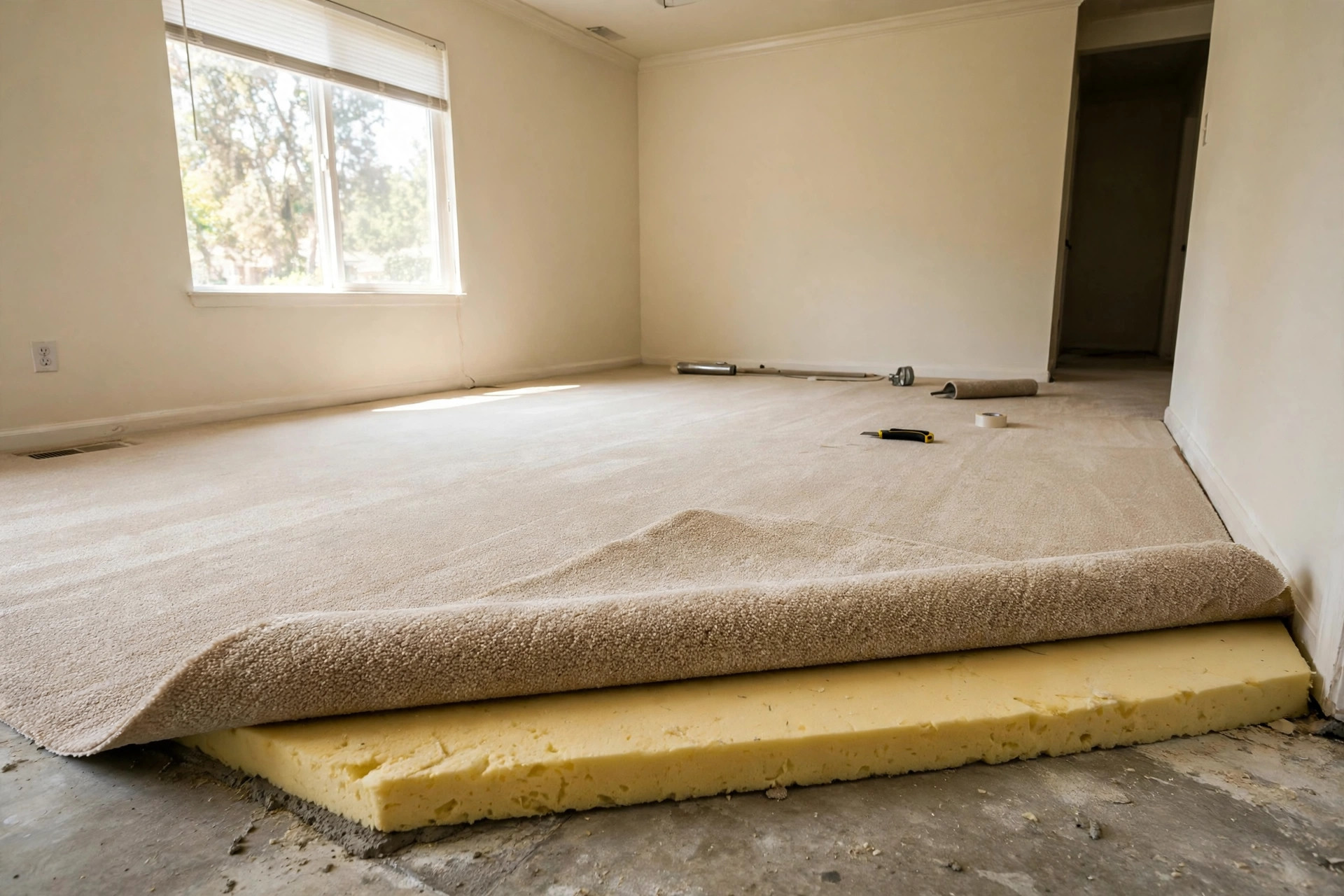

Carpet laid on a concrete slab feels very different from carpet laid on wood. The best carpet pad for concrete slab usa homes solves that problem. It adds warmth underfoot. It blocks damp air. It keeps the carpet lasting longer. Without the right pad, carpet on concrete can feel cold and hard. It can also trap moisture. That leads to mold and odor.
This guide explains what to buy and why. It covers the types of pads. It covers thickness, density, and price. It covers moisture barriers. The words are plain. The advice fits any American home with a concrete floor.
Why Carpet Pad Matters More on Concrete
Concrete is cold. It pulls heat away from the floor. A room with carpet on a bare slab can feel chilly even when the heat runs. A good pad acts as insulation. It slows heat loss through the floor. The room stays warmer. Your heating bill may drop.
Concrete also breathes moisture. Vapor rises through the slab from the soil below. This happens even in dry rooms. It happens most in basements and ground-floor rooms. Carpet padding that traps this moisture will grow mold. The right pad allows air flow or includes a moisture barrier. That keeps the carpet dry.
A pad also protects the carpet itself. Foot traffic grinds carpet fibers against the backing. On hard concrete, this wear is faster. A quality pad cushions each step. It can double the life of the carpet above it. This makes the pad a smart place to spend money.
Many homeowners in the United States live in homes built on slabs. Ranch houses in Texas and Florida often sit on concrete. Basements in the Midwest are concrete boxes. The guide at This Old House shows how common slab floors are in American homes. The best carpet pad for concrete slab usa shoppers is not a luxury. It is a practical need.
What to Look for When You Choose: Best Carpet Pad for Concrete Slab Usa
Four numbers and one feature matter most. Learn them before you shop.
Thickness. Most carpet pads run from one quarter inch to one half inch thick. For concrete, one half inch is the sweet spot. Thinner pads feel hard on slab. Thicker pads can make the carpet feel unstable. Carpet makers often void their warranty if the pad is thicker than one half inch.
Density. Density is measured in pounds per cubic foot. A higher number means a firmer, longer-lasting pad. For concrete, look for at least six pounds. Eight pounds is better. Low-density pads crush flat in a year or two. High-density pads hold their shape for a decade.
Moisture barrier. Some pads have a film or membrane on one side. This blocks vapor from rising out of the concrete. A barrier is very useful on slabs. It is almost required in basements. Without it, you may need a separate vapor barrier sheet under the pad.
R-value. This measures insulation. A higher R-value means less heat loss. Concrete floors benefit from pads with an R-value of two or more. Memory foam and rubber pads score well here.
Compatibility. Check that the pad suits your carpet type. Berber and low-pile carpet need a firmer pad. Plush carpet can take a softer one. The manufacturer of your carpet will list approved pad types.
When you compare brands, the buying guides at The Spruce and Consumer Reports list real test results. Retailers like Lowe’s and The Home Depot stock the full range of pads for slab floors.
Types of Carpet Pad for Concrete Slabs
Rebond Foam Pad
Rebond pad is made from recycled foam scraps. The scraps are bonded together under heat. It is the most common pad in American homes. It is also the cheapest. Rebond works well on concrete when the density is high. Choose eight-pound rebond with a half-inch thickness. Avoid cheap low-density rebond. It breaks down fast.
Rebond absorbs water. On a damp slab, that is a risk. Pair it with a moisture barrier or pick a barrier-backed version. Many builders use rebond for slab homes because the price is low. With the right density, it performs fine.
Frothed Foam Pad
Frothed foam is also called prime urethane foam. It is made in one piece, not from scraps. It is light and soft. It feels good underfoot. It resists crushing better than cheap rebond. It costs more than rebond but less than rubber.
Frothed foam breathes well. That is good for dry rooms. In a basement with damp concrete, choose a version with a built-in vapor barrier. Otherwise, lay a six-mil plastic sheet under the pad first.
Memory Foam Pad
Memory foam pads are thick and soft. They mold to your feet. They give excellent insulation. They rate high on comfort. The best carpet pad for concrete slab usa bedrooms is often memory foam. It makes cold floors feel warm.
Memory foam costs more. It can also hold moisture. Buy only memory foam pads with a moisture barrier for concrete. Sealed backing keeps vapor out of the foam. Expect to pay two to three times the price of rebond.
Waffle Rubber Pad
Waffle rubber is a classic. It has a raised waffle pattern on one side. This pattern lets air move under the carpet. Air flow helps moisture escape. That makes waffle rubber a strong choice for concrete slabs. It does not soak up water like foam can.
Rubber pads are heavy and firm. They last a long time. Some have a distinct smell when new. The smell fades in a few days. Waffle rubber costs more than rebond. For damp basements, it is worth the price.
Fiber Pad
Fiber pads are made from felted fibers. They are very firm and flat. They work best under low-pile and Berber carpet. They offer little cushion. On concrete, they feel thin. Most experts do not recommend fiber pads for slab floors. They also absorb moisture. Skip them for basements.
Moisture Barrier Pads
Any pad can come with a built-in barrier. The barrier is a thin plastic film on the bottom or top of the pad. It stops vapor from passing through. On a concrete slab, this is the single most useful feature. Barrier-backed pads cost a little more. They save you from buying a separate sheet.
Flooring makers like Mohawk and Shaw sell pads with built-in moisture protection. The Carpet and Rug Institute also publishes guidance on pads for concrete subfloors.
Thickness and Density: The Right Numbers
For a concrete slab, the standard advice is simple. Pick a pad that is one half inch thick. Pick a density of eight pounds or more. This combination feels soft. It insulates well. It lasts.
A quarter-inch pad saves a little money. It also saves little else. On concrete it feels almost as hard as the slab. Do not buy it for living areas. A five-eighths pad feels plush. But it may void your carpet warranty. Most carpet makers cap pad thickness at one half inch. Check your warranty before you buy thicker.
Density matters more than thickness. A dense half-inch pad outlasts a soft thick one. In a busy family room, density is king. In a spare bedroom, you can save money with a mid-range pad.
Moisture: The Concrete Problem
Concrete wicks water from the ground. Even a slab that looks dry can pass vapor. The test is simple. Tape a two-foot square of plastic to the slab. Wait two days. If drops form under the plastic, the slab passes moisture. You must handle this before laying carpet.
The fix has three parts. First, seal the concrete with a masonry sealer if the dampness is mild. Second, use a pad with a built-in moisture barrier. Third, keep the room aired. A dehumidifier helps in basements. Together, these steps keep mold away.
Never glue carpet directly to damp concrete. Never use a pad that soaks and holds water in a damp room. Mold under carpet is hard to find and costly to fix. The best carpet pad for concrete slab usa basements always includes vapor control.
Cost and Price in the USA
Carpet pad prices vary by type and density. These are typical 2026 retail prices per square yard in the United States.
– Rebond, six-pound, half inch: about 3 to 4 dollars. – Rebond, eight-pound, half inch: about 4 to 6 dollars. – Frothed foam, half inch: about 5 to 7 dollars. – Memory foam with barrier, half inch: about 8 to 12 dollars. – Waffle rubber, half inch: about 7 to 10 dollars.
A 300-square-foot room is about 33 square yards. At five dollars a yard, the pad costs 165 dollars. That is a small share of a carpet job. The labor to install it adds more. Many stores roll the pad into the total price. Ask for the pad type and density in writing. Do not accept a vague “standard pad” on a slab floor.
Shoppers comparing prices can browse the flooring departments at LL Flooring and Daltile for brand names and current pricing. Price alone is not the guide. A cheap pad replaced in three years costs more than a good pad kept for ten.
Installation Tips
Concrete needs a clean, level surface. Sweep the slab. Fill low spots with patching compound. Let it cure. Then test for moisture as described above.
Lay the pad in the same direction as the carpet. Cut it to fit wall to wall. Tape the seams with pad tape. Do not overlap the edges. Overlaps create bumps under the carpet.
Staples do not work in concrete. Use a concrete-safe adhesive or double-sided carpet tape to hold the pad. Some installers use a tack strip nailed into the slab with masonry nails. A pro installer knows the method. For a do-it-yourself job, tape is the simplest path.
Install in dry weather if you can. Keep the room ventilated. Let the pad air out for a day before the carpet goes on. New pads can smell. The odor fades.
Care and Upkeep
A good pad needs little care. Vacuum the carpet often. Dirt that works through the carpet wears the pad from above. Clean spills fast. Liquid that soaks into the pad can stay there.
Watch for signs of trouble. A musty smell means moisture. A spongy or uneven feel means the pad is breaking down. Dark stains on the carpet surface can signal mold below. If you see these signs, pull up a corner of the carpet and look. Early action saves the carpet.
Basement carpet needs extra care. Run a dehumidifier in summer. Keep the humidity under 60 percent. Check the pad after any flood or leak. Wet foam pads rarely dry out clean. Replace them. Rubber pads dry faster and can often be saved. Homeowners still deciding on a basement surface can also compare waterproof flooring for basements before they commit to carpet.
With normal care, an eight-pound pad on a dry slab lasts ten to fifteen years. That matches the life of most mid-range carpet. When you replace the carpet, replace the pad too. Old pads are not worth keeping.
Safety Notes
New pads can give off fumes. These are called volatile organic compounds. Air the room well for two days after install. People with asthma should stay out during that time. Look for pads with low-emission labels.
Concrete dust is a hazard during prep. Wear a dust mask when you grind or patch the slab. Wear knee pads. Concrete is hard on knees during install.
Keep the work area clear of trip hazards. Rolled carpet is heavy. Get help moving it. A standard room roll can weigh over 100 pounds.
FAQ
What is the best carpet pad for concrete slab basements?
The best carpet pad for concrete slab basements is a waffle rubber pad or an eight-pound rebond pad with a built-in moisture barrier. Both resist water. Both insulate the cold floor. Avoid plain foam pads without a barrier in any basement.
How thick should carpet pad be on concrete?
One half inch is the standard. It gives comfort and warmth. It keeps the carpet warranty valid. Thinner pads feel hard on a slab. Thicker pads can cause the carpet to wrinkle.
Do I need a moisture barrier under carpet pad on concrete?
Yes, in most cases. Concrete passes water vapor from the soil. A barrier keeps that vapor out of the pad and carpet. Use a barrier-backed pad or a separate six-mil plastic sheet. The tape test shows if your slab needs one.
Can I use memory foam carpet pad on a concrete slab?
You can, but choose one with a sealed moisture barrier. Memory foam holds water if vapor reaches it. With a barrier, it is warm and soft. It works best in dry above-grade rooms, not damp basements.
How much does carpet pad cost per square foot on a slab?
Expect about 35 cents to 1.35 dollars per square foot for the pad alone. Rebond is cheapest. Memory foam and rubber cost more. Add labor if a pro installs it. Always confirm the density and thickness before you pay.
Does carpet pad really make a concrete floor warmer?
Yes. A half-inch pad with a good R-value cuts heat loss through the slab. The floor feels warmer to bare feet. The room may need less heat. Foam and rubber pads insulate better than thin fiber pads.
A Short Final Word
The best carpet pad for concrete slab usa homes is not the cheapest roll on the shelf. It is an eight-pound pad, one half inch thick, with a moisture barrier. Rebond with a barrier fits most budgets. Waffle rubber fits damp basements. Memory foam fits bedrooms where comfort matters most.
Match the pad to the room. Test the slab for moisture first. Spend a little more on density. The pad hides under the carpet, but you feel it every day. Choose well, and the floor stays warm, dry, and quiet for years. If carpet is not the right call for a room, it helps to weigh other options, from engineered hardwood flooring cost per square foot to flooring for kitchens with dogs, before you buy.
References
Carpet and Rug Institute. (n.d.). Carpet information and standards. https://www.carpet-rug.org Consumer Reports. (n.d.). Product reviews and ratings. https://www.consumerreports.org Daltile. (n.d.). Ceramic and porcelain tile. https://www.daltile.com LL Flooring. (n.d.). Hardwood, vinyl, and tile flooring. https://www.llflooring.com Lowe’s. (n.d.). Home improvement products. https://www.lowes.com Mohawk Flooring. (n.d.). Flooring products. https://www.mohawkflooring.com Shaw Floors. (n.d.). Flooring products. https://www.shawfloors.com The Home Depot. (n.d.). Home improvement products. https://www.homedepot.com The Spruce. (n.d.). Home and garden advice. https://www.thespruce.com This Old House. (n.d.). Home renovation guidance. https://www.thisoldhouse.com
Was this guide helpful?

About Emily Rodriguez
The My Garden US editorial team writes practical, in-depth home and garden guides for American homeowners — tested advice, no fluff.
You May Also Like

Wool Carpet Pros and Cons for Bedrooms: An Honest Guide
July 3, 2026 0 views
Replacing Single Cracked Floor Tile Guide: A Step-by-Step Plan for One Tile Only
February 25, 2026 0 views
Hardwood Floor Scratch Repair Kit Reviews: A Plain Guide for Homeowners
April 6, 2026 0 views