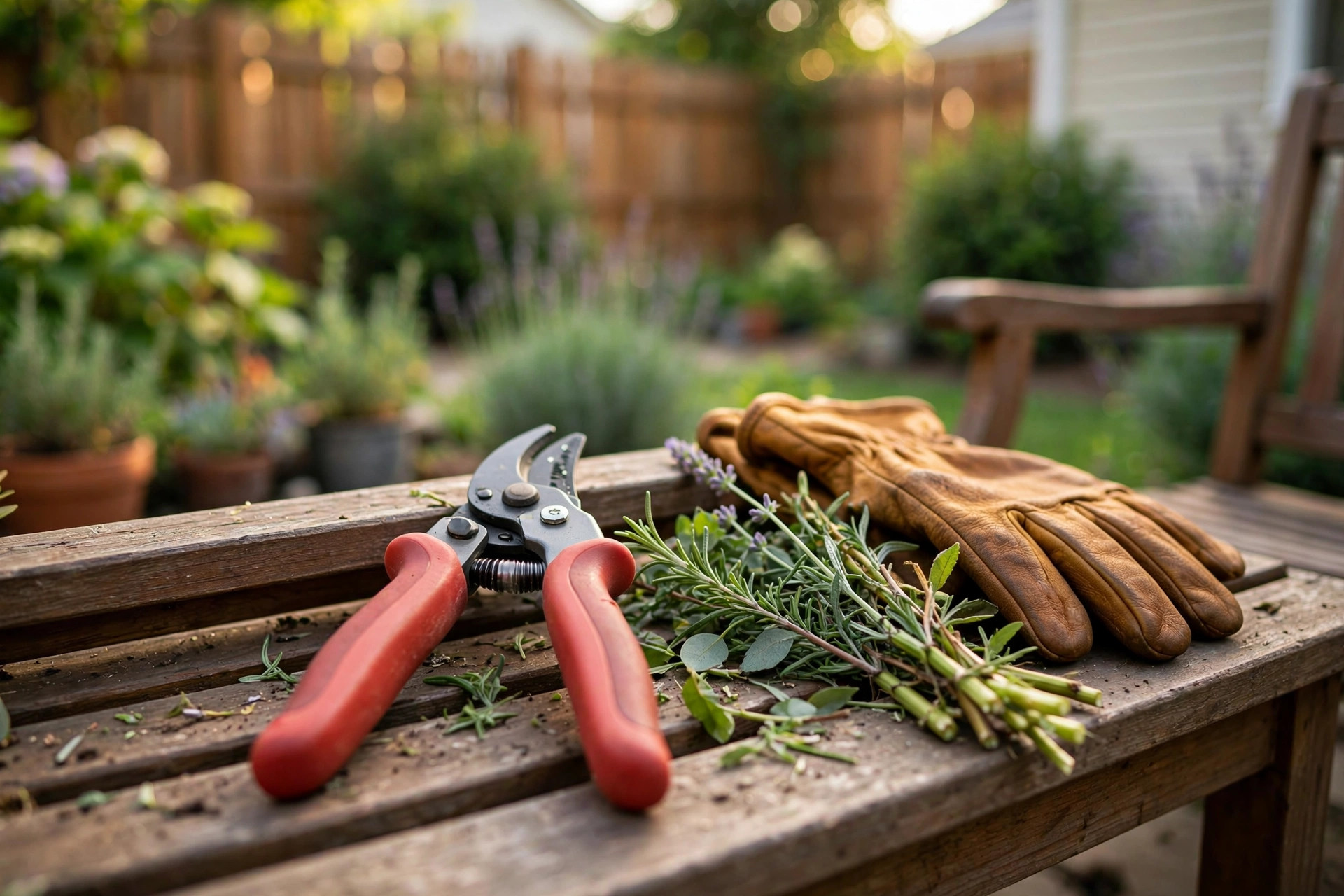
Pruning keeps a garden healthy. It opens the branches to light. It removes dead wood. It shapes young trees and shrubs. For gardeners with sore hands, this simple work can be painful. Stiff joints resist the squeeze of a pruner handle. Weak fingers grow tired after a few cuts. That is why choosing the best garden pruners for arthritis hands matters so much. The right pair turns a hard chore into pleasant work. It lets a gardener cut with less force. It protects the joints from strain. And it brings back the joy of tending the garden without dread.
Many people give up pruning when their hands begin to ache. That is a loss. A garden kept up each season looks better and lives longer. Roses bloom more freely. Fruit trees bear more fruit. The good news is that tool makers now design pruners for comfort. Ratchet models cut in small stages. Bypass models slice with a clean pass. Soft grips cushion the palm. Light springs do part of the work for you. This guide explains what to look for, which types suit stiff hands best, what they cost, and how to keep them in good order.
Why It Matters
Arthritis affects millions of gardeners across the country. The hands carry the first signs. Knuckles swell. Fingers stiffen in the morning. A strong grip fades over time. Standard pruners ask for a hard, repeated squeeze. That motion presses directly on the sore joints. Pain follows. Many gardeners stop pruning altogether.
A good pair changes the equation. Tools built for comfort need less hand strength. They spread pressure across the whole palm. They cut stems in stages instead of one hard crush. Gardeners who switch to such tools often find they can work twice as long with faster recovery.
There is a health benefit too. Pruning done on time keeps plants strong. Cut away the dead branches in spring. Thin the crowded growth in summer. The whole garden breathes better. A gardener who can prune without pain keeps the garden on schedule year after year. That steady care is worth more than any single big cleanup day.
Independent product reviewers have long noted the difference comfort features make. Buying guides at Consumer Reports regularly rate garden tools on ease of use, which helps shoppers compare designs before they spend.
What to Look for in Arthritis-Friendly Pruners: Best Garden Pruners for Arthritis Hands
Not every pruner suits a tender hand. Some small details make a large difference. Here are the features that matter most.
Soft, Wide Grips
The handle is where the hand meets the tool. Cheap pruners use hard plastic. It presses into the palm and the fingers. Better models wrap the handles in soft rubber or foam. The grip feels wide and rounded. It spreads the force of the squeeze across more of the hand. Look for handles that fill the palm without forcing the fingers to stretch.
Light, Responsive Springs
The spring pushes the blades open after each cut. A stiff spring fights the hand on every stroke. A light spring opens the jaws with little effort. Many comfort models use a coiled wire spring or a thin band spring. Both kinds are easier on the fingers than heavy steel springs. The blades should open fully on their own when you release pressure. If you must pry them open with your thumb, the spring is too strong for sore hands.
Ratchet Action
A ratchet pruner is a friend to weak hands. It does not cut the stem in one squeeze. Instead, each squeeze moves the blade forward a notch. The tool holds the progress while you open your hand. Squeeze again, and the blade moves further. Three or four gentle squeezes finish a cut that one hard squeeze would struggle to make. This staged cutting is ideal for stems up to about an inch thick. The hand never needs full strength at once. Many gardeners with arthritis say the ratchet action is the single best feature they can buy.
Rotating or Padded Lower Handle
Some premium pruners add a rotating lower handle. As you squeeze, the handle turns slightly with the fingers. This reduces the drag and the twisting force on the knuckles. Other models add a padded bumper where the handles meet. This stops the hard knock at the end of each cut. Either feature lowers the shock that reaches sore joints.
Easy Latch
The latch keeps the blades closed for storage. On cheap pruners the latch is small and stiff. It takes thumb strength to open and close. For a gardener with arthritis, a stiff latch is a daily annoyance. Look for a large, easy latch that slides or twists with light pressure. Some models place the latch where the whole hand can work it, not just the thumb.
Blade Quality
Sharp blades need less force. High-carbon steel holds an edge well. It cuts clean and stays sharp through a season. A sharp blade also heals the plant faster. Keep the blades clean and sharp, and the tool will ask less of your hands with every cut. Guides at The Spruce offer useful advice on blade types and daily tool care for home gardeners.
Types of Pruners and Which Suit Sore Hands
Gardeners choose between three main designs. Each has strengths. For stiff hands, the differences matter.
Bypass Pruners
Bypass pruners work like scissors. One curved blade slides past a flat hook. They make a clean, close cut on live wood. This is the type most gardeners reach for first. They suit stems up to about three quarters of an inch thick. For hands with arthritis, pick a bypass model with soft grips and a light spring. Avoid heavy professional models built for tree crews. If you prune roses or shrubs often, a comfort bypass pair is a sound choice. Readers comparing models may also like our guide to the best pruning shears for rose bushes, which covers bypass designs in more detail.
Anvil Pruners
Anvil pruners have one straight blade that closes onto a flat plate, the anvil. They crush the stem as they cut. They work best on dead wood, where a clean edge matters less. The crush action can damage live stems, so many gardeners avoid them for roses and fruit trees. For arthritis, the anvil design has a trade off. The cut needs steady pressure through the whole stroke. There is no clean slicing motion. Most people with sore hands prefer bypass or ratchet tools instead.
Ratchet Pruners
Ratchet pruners deserve their own praise. As noted above, they cut in stages. Each squeeze advances the blade a step. The tool locks between squeezes. This means the hand rests between efforts. For thick stems, up to an inch or more, no other hand tool is so kind to weak hands. The trade is speed. Ratchet pruners cut slower than bypass models. Each stem takes several squeezes. But for a gardener with arthritis, the slower pace is a fair price for comfort. Many owners keep both kinds: a bypass pair for quick snips, and a ratchet pair for the thick cuts.
How to Choose the Right Pair
Start with your hands. Measure what hurts. If the thumb joint is the problem, choose a tool with a light spring and wide grips. The thumb does most of the spring work. If the fingers ache, a ratchet model shares the load across many small squeezes. If the whole hand tires fast, keep the tool light. Every extra ounce counts after fifty cuts.
Next, think about your garden. A rose bed needs bypass pruners for clean cuts on live canes. An orchard with old apple trees needs a ratchet pair for thick, tough branches. A mixed border with shrubs and perennials suits a medium bypass pair. Most home gardens do well with one good bypass pair plus one ratchet pair.
Set a budget. Comfort pruners range from about twelve dollars to over sixty. The cheapest tools often have the hardest springs and the poorest grips. Spending a little more buys real comfort and blades that stay sharp longer. Check the warranty too. Good makers stand behind their tools for years.
Cost and Price
Garden pruners for arthritis hands fall into three price bands.
Basic comfort models cost twelve to twenty dollars. These have rubberized grips and lighter springs. They suit light duty work: deadheading flowers, trimming herbs, snipping soft stems. The blades may dull faster, but they are fine for a small garden.
Mid-range models cost twenty to forty dollars. This is the sweet spot for most buyers. You get better steel, smoother ratchet action, and well shaped grips. The latch is easier to work. The spring opens the blades fully. These tools handle daily garden work for years with basic care.
Premium models cost forty dollars and up. They use the finest steel and the most refined designs. Rotating handles appear in this band. So do titanium-coated blades that resist sap and rust. A premium pair is a long-term investment. With sharpening and oiling, it can last a decade or more.
Remember the hidden costs. A cheap dull tool costs time and hand pain. A sharp quality tool pays for itself in comfort. Also plan for a small sharpening stone or file, a bottle of light oil, and a rag. These keep any pruner working well. If you are unsure where to begin, our guide on how to sharpen garden tools properly walks through the steps in plain language.
Care and Upkeep
A well kept pruner cuts with less force. That matters more when hands are sore. Follow these habits through the season.
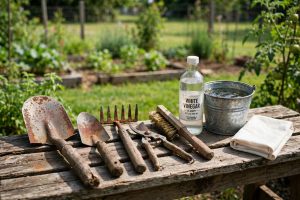
Wipe the blades after each use. Sap builds up fast, especially on pine and fruit trees. A rag dampened with a little oil removes it. Clean blades move smoothly and resist rust.
Oil the pivot point each month during the season. One drop of light machine oil is enough. Open and close the blades a few times to spread it. The action should feel smooth, not gritty.
Sharpen the blade when cuts start to tear instead of slice. A small diamond file works well. Follow the angle of the factory edge. A few light strokes restore the edge. Do not grind hard. You only need to refresh the sharpness, not reshape the blade.
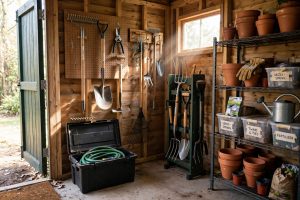
Store the pruners closed and dry. The latch keeps the blades shut. Hang them in a shed or garage, off the damp floor. A dry tool rusts less and lasts longer. Never leave pruners out in the rain overnight.
Check the spring each spring. If it feels weak or the blades no longer open fully, replace it. Many makers sell spare springs for a few dollars. A fresh spring restores the easy action you bought the tool for.
Safety
Sharp tools demand respect. A few simple habits keep pruning safe.
Wear gloves when you prune. Leather or thick canvas gloves protect against thorns and slips. They also add a layer of cushion for sore hands. Make sure the gloves fit well. Loose gloves make the tool harder to hold.
Cut away from your body. Never pull the blade toward your hand. Hold the stem with one hand well clear of the blades. Let the tool do the cutting.
Keep the latch closed when you carry the pruners. Open blades in a pocket or tool belt can cause a deep cut. Close them before you walk.
Do not cut branches thicker than the tool is made for. Forcing a thick branch strains the blades and your hands. It can also snap the tool. Use loppers for thick limbs. If a branch needs a saw, use a saw.
Take breaks. Arthritis rewards a steady pace. Prune for twenty or thirty minutes, then rest the hands. The garden will wait. A tired hand makes mistakes.
Keep tools away from children. Pruners are sharp enough to cut skin with ease. Store them high or locked away.
Seasoned how-to writers at Family Handyman publish clear safety checklists for hand tools that every home gardener should read.
Frequently Asked Questions
What is the best type of pruner for arthritic hands?
For most gardeners, a ratchet pruner is the kindest choice. It cuts in small stages, so no single squeeze needs full strength. For quick, clean cuts on live stems, a comfort bypass pruner with soft grips and a light spring is excellent. Many gardeners keep both.
Are electric pruners a good option for arthritis?
Battery powered pruners do the squeezing for you. You press a trigger and the motor cuts. They are a strong choice for severe arthritis. They cost more than hand pruners, and they need charging. But for gardeners who cannot squeeze at all, they keep pruning possible.
How do I stop my pruners from hurting my thumb?
Thumb pain often comes from a stiff spring or a narrow handle. Switch to a model with a light spring and wide, padded grips. A rotating lower handle also helps, because it lets the fingers roll instead of pressing hard. Wearing a padded glove adds one more layer of relief.
What size pruner should I buy?
Match the tool to your hand. Small hands need a compact pair with narrow handles. Large hands need full-size models so the fingers are not cramped. Some makers offer left-handed models. If you are left-handed, seek one out. Using a right-handed tool in the left hand twists the wrist.
Can I use the same pruners for roses and fruit trees?
Yes, within limits. A good bypass pair handles roses, shrubs, and small fruit tree branches up to about three quarters of an inch. For thicker orchard limbs, step up to a ratchet pruner or loppers. Clean cuts matter on live wood, so keep the blades sharp whatever you prune.
How often should I replace my pruners?
A quality pair lasts many years with care. Replace them when the blades are worn thin, the pivot is loose, or the handles are cracked. A new spring can extend life. But if the tool no longer cuts cleanly after sharpening, it is time for a new pair.
A Short Final Word
Arthritis does not have to end a gardening life. The best garden pruners for arthritis hands are built to work with the body, not against it. Soft grips cushion the palm. Light springs spare the thumb. Ratchet action turns one hard squeeze into several easy ones. These small comforts add up to real freedom in the garden.
Choose the tool that fits your hands and your garden. Care for it through the season. Rest when the joints ask for it. Ergonomic designs from makers like Fiskars show how comfort and cutting power can go together. The roses will bloom on schedule. The shrubs will keep their shape. And the gardener, with the right tool in hand, will enjoy every cut.
Other comfort tools can help too. A kneeler with handles takes the strain off the knees when you work low beds. See our review of the best garden kneeler with handles for options that pair well with easy-grip pruners.
Shoppers comparing features across many brands will find wide selections at Home Depot, Lowe’s, and Corona Tools. Gardening advice and product guides are also plentiful at Bob Vila, Gardener’s Supply Company, and Burpee, where planting calendars and tool tips sit side by side.
References
Bob Vila. (n.d.). Home improvement advice. https://www.bobvila.com Burpee. (n.d.). Seeds, plants, and gardening supplies. https://www.burpee.com Consumer Reports. (n.d.). Product reviews and ratings. https://www.consumerreports.org Corona Tools. (n.d.). Garden and landscape tools. https://www.corona-tools.com Family Handyman. (n.d.). DIY home repair and maintenance. https://www.familyhandyman.com Fiskars. (n.d.). Garden and cutting tools. https://www.fiskars.com Gardener’s Supply Company. (n.d.). Gardening tools and supplies. https://www.gardeners.com Lowe’s. (n.d.). Home improvement products. https://www.lowes.com The Home Depot. (n.d.). Home improvement products. https://www.homedepot.com The Spruce. (n.d.). Home and garden advice. https://www.thespruce.com
Was this guide helpful?

About Michael Thompson
The My Garden US editorial team writes practical, in-depth home and garden guides for American homeowners — tested advice, no fluff.