
Introduction
The kitchen sink is the hardest working spot in the house. Every meal ends there. Every pot gets washed there. Every bit of food waste passes through it. A garbage disposal makes this daily work much easier. It grinds food scraps into small pieces and sends them safely down the drain.
There are two main types of disposals. A batch feed disposal only runs when you place a stopper in the drain. A continuous feed disposal runs as long as the switch is on. You can add food scraps while it runs. This guide will help you find the best continuous feed garbage disposal usa homeowners can buy with confidence.
Continuous feed models are the most common type in American homes. They are simple to use. They handle steady amounts of food waste. They fit most standard kitchen sinks. If you cook at home most nights, this type is likely the right choice for you.
Why a Continuous Feed Disposal Matters: Best Continuous Feed Garbage Disposal Usa
Food waste is a daily fact of life. Without a disposal, scraps go in the trash. They smell. They attract pests. They fill garbage bags fast. A disposal solves these problems in seconds.
A continuous feed disposal works while you feed it. You turn on the cold water. You flip the wall switch. You push scraps into the drain. The machine grinds them as they fall. You can keep adding scraps the whole time. There is no stop and start cycle.
This matters most during big cooking sessions. Holiday meals make a lot of scraps. Dinner parties make a lot of peels. A batch feed unit forces you to wait between loads. A continuous feed unit keeps pace with you.
The right disposal also protects your plumbing. Ground waste flows through pipes with ease. Whole chunks do not. When food goes down in small ground pieces, clogs happen far less often. Your drain stays clear.
What to Look For When You Choose
Shopping for a disposal is simpler than it looks. Four main features set the good units apart from the weak ones. Learn these four, and you will shop with confidence.
Motor Power
Motor power is measured in horsepower. Most home units run from one third horsepower to one full horsepower. A one third horsepower unit suits a single person or a couple with light cooking habits. It handles soft scraps well. It struggles with tough waste.
A half horsepower unit is the most popular choice. It suits a family of three or four. It grinds most daily scraps with ease. It costs less than the bigger models. For most homes, this is the sweet spot.
A three quarter horsepower unit suits larger families and heavy cooks. It grinds chicken bones and tough vegetable peels. It jams less often. A one horsepower unit is the top of the home range. It suits homes that cook big meals every day. It rarely jams. It runs smoother and often quieter.
The debate between a half horsepower and three quarter horsepower model is common. If your budget allows, choose the stronger motor. A stronger motor lasts longer. It works less hard on each load. Less strain means fewer repairs over the years.
Grind Chamber Size
The grind chamber is the space where food gets ground. Bigger chambers hold more waste. They also allow bigger motors. Small chambers pair with small motors. Large chambers pair with large motors.
A small household can do well with a standard chamber. A big household should look for an extra large chamber. A bigger chamber means fewer jams during heavy use. It also means the unit can take more at once.
Noise Level
Old disposals were loud. The whole kitchen could hear them. Modern units are much quieter. Makers now add sound insulation around the motor. Some add special mounts that cut vibration.
Quiet operation is worth paying for. A quiet unit will not wake a sleeping child. It will not drown out talk at the dinner table. Look for words like quiet, insulated, or sound shield in the product name. These units cost more, but most buyers say the peace is worth it.
Septic System Compatibility
Many American homes use septic systems instead of city sewers. Not every disposal works well with a septic tank. Standard models add ground waste that can upset the tank balance.
If your home has a septic system, look for a septic safe model. These units add enzyme treatments to the grind chamber. The enzymes help break down waste in the tank. They cost a bit more. They protect a system that costs thousands to replace.
Types and Options
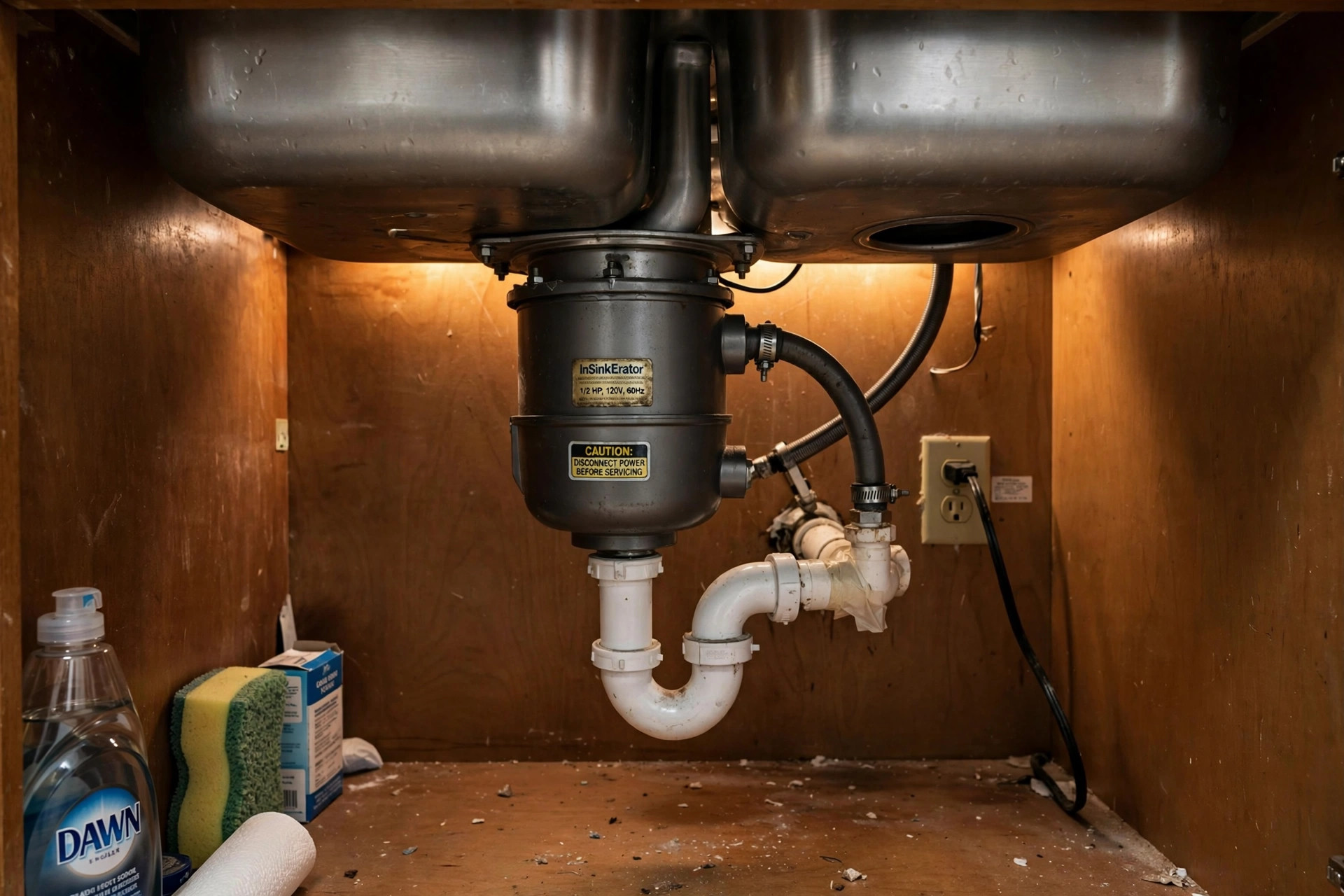
All continuous feed disposals share the same basic design. A motor spins a plate. The plate throws food against a grind ring. The ring breaks food into tiny bits. Water washes the bits down the drain. But makers offer different features on top of this base design.
The basic model is the entry point. It has a small motor and a small chamber. It has little or no sound insulation. It is fine for light use. It is the cheapest option on the shelf.
The mid range model is the best value for most buyers. It has a half or three quarter horsepower motor. It has a larger chamber. It has some sound insulation. It often comes with a longer warranty.
The premium model is built for heavy use. It has a large motor and a large chamber. It has full sound insulation. It often includes stainless steel grind parts. Stainless steel resists rust and lasts longer than galvanized steel.
Cost and Price
A continuous feed garbage disposal costs between about 80 and 350 dollars at major American retailers. Basic models sit near the low end. Premium quiet models sit near the high end. Most buyers spend between 120 and 220 dollars for a solid mid range unit.
Installation adds to the total. If you replace an old unit yourself, the cost is only the new machine. A do it yourself swap takes about an hour with basic tools. If you hire a plumber, labor adds 100 to 250 dollars in most areas.
An electrician may be needed too. If your sink has no outlet or switch wired for a disposal, wiring work adds 150 to 300 dollars. Many kitchens built in the last forty years already have the wiring in place. Check under your sink before you budget.
Long term cost is low. A disposal uses little electricity. It runs for seconds at a time. Water use is small too. You run cold water while it grinds. The main cost is the machine itself and the one time install.
Big home stores carry a wide range of models at every price point. You can compare power ratings and warranties side by side on the shelf. The Home Depot and Lowe’s both stock major brands and offer clear specification sheets to help you compare.
When you plan an under sink project, think about the whole space. Some homeowners pair a new disposal with other under sink upgrades. If you are also looking at water treatment, our guide to the best whole house water filter system usa covers the main options. For a look at what a full setup costs, see our piece on whole house water filtration cost installed. And if the filter will live under the sink next to the disposal, read our reverse osmosis system under sink reviews usa first.
Care and Upkeep
A garbage disposal is a simple machine. It needs little care. A few good habits will keep it running for ten years or more.
Always run cold water while the unit grinds. Cold water keeps fats solid so the machine can break them up. Hot water melts fats. Melted fats coat pipes and harden later. That causes clogs.
Keep the water running for about fifteen seconds after the grinding stops. This flushes all the ground bits down the drain. Bits left in the chamber can rot and smell.
Feed scraps in small amounts. Push a handful at a time. Let the machine clear each load before you add more. Forcing too much food at once is the top cause of jams.
Know what not to grind. Never put grease or cooking oil down the disposal. Never grind coffee grounds in large amounts. They pack into a sludge that blocks pipes. Avoid fibrous foods like celery stalks, corn husks, and onion skins in big loads. The fibers wrap around the moving parts. Avoid hard items like large bones, fruit pits, and shells.
Clean the unit once a month. Fill an ice cube tray with vinegar and freeze it. Grind the vinegar ice cubes with cold water running. The ice scours the chamber walls. The vinegar cuts odor. You can also grind a few lemon peels. They leave a fresh smell.
The rubber splash guard gets dirty too. Lift its flaps and scrub under them with an old toothbrush and dish soap. This is where most disposal odor starts.
If the unit stops, check the reset button first. It is a small red or black button on the bottom of the machine. Press it firmly. If the motor hums but does not spin, something is jammed. Turn the power off at the breaker. Then use an Allen wrench in the bottom socket to turn the plate by hand. This frees most jams. Never put your hand inside the drain opening.
Good guidance on these simple repairs is easy to find. This Old House and Family Handyman both publish clear step by step guides for common disposal fixes.
Safety
A garbage disposal has sharp grind parts and a strong motor. It deserves respect. Most accidents happen when people treat it like a normal drain.
Never put your hand or fingers into the drain opening. Not even when the switch is off. Someone else may flip the switch without knowing your hand is there. Use tongs or pliers to pull out a stuck object.
Always turn off the power at the breaker before you work under the sink. The wall switch is not enough. A child or guest could flip it by accident.
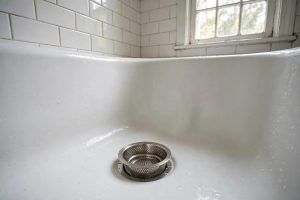
Keep the drain covered when the unit is not in use. A simple sink strainer stops spoons and bottle caps from falling in. A spoon in a running disposal can damage the machine and send metal flying.
Teach children that the disposal is not a toy. Show older children how to use it safely. Keep small children away from the switch. An air switch mounted high on the counter adds a layer of safety.
Match the unit to your sink and plumbing. A disposal made for a deep single bowl sink may not fit a shallow double bowl. Check the height under your sink before you buy. Brands like Moen, Kohler, and Delta Faucet publish full dimension charts for their kitchen products, which helps you plan the fit.
If you pair the disposal with an under sink water filter, leave room for both. A crowded cabinet makes future repairs hard. Aquasana shows compact filter layouts that share space well with a disposal unit.
Frequently Asked Questions
How long does a garbage disposal last?
Most home disposals last eight to twelve years. Stronger motors and stainless steel parts last longer. Hard use and poor care shorten the life. A unit that jams often or leaks from the bottom is near its end.
Can I install a disposal myself?
Yes, in most cases. Replacing an old unit with a new one of the same size is a simple job. You need a screwdriver, pliers, and plumber putty. The job takes about an hour. If there is no wiring or outlet under the sink, hire an electrician for that part.
What is the difference between continuous feed and batch feed?
A continuous feed disposal runs while the switch is on. You add food as it grinds. A batch feed disposal needs a stopper placed in the drain before it will run. It grinds one load at a time. Continuous feed is faster for big jobs. Batch feed is seen as safer because it cannot run with the drain open.
Why does my disposal smell bad?
Odor comes from food bits trapped in the chamber or under the splash guard. Grind vinegar ice cubes to clean the chamber. Scrub under the splash guard with a brush and soap. Run cold water longer after each use. If the smell stays, the rubber guard may need replacing.
Do I need a special disposal for a septic tank?
Yes. Choose a model made for septic systems. These units add enzymes that help the tank digest ground waste. A standard disposal can upset the balance in a septic tank. Septic safe models cost a little more and are clearly marked on the box.
A Final Word
The best continuous feed garbage disposal usa buyers can choose is the one that fits their kitchen, their cooking habits, and their budget. A half horsepower unit serves most families well. Heavy cooks should step up to three quarter horsepower. Homes on septic systems need a septic safe model.
Buy from a brand with a strong warranty. Install it with care. Feed it wisely. Run cold water every time. Do these simple things, and your disposal will serve you well for a decade or more. The kitchen will stay cleaner. The trash will stay lighter. And dinner cleanup will take a little less time each night.
References
Aquasana. (n.d.). Water filtration systems. https://www.aquasana.com Delta Faucet. (n.d.). Kitchen and bathroom faucets. https://www.deltafaucet.com Family Handyman. (n.d.). DIY home repair and maintenance. https://www.familyhandyman.com Kohler. (n.d.). Bathroom and kitchen fixtures. https://www.kohler.com Lowe’s. (n.d.). Home improvement products. https://www.lowes.com Moen. (n.d.). Faucets and plumbing fixtures. https://www.moen.com The Home Depot. (n.d.). Home improvement products. https://www.homedepot.com This Old House. (n.d.). Home renovation guidance. https://www.thisoldhouse.com
Was this guide helpful?

About Jennifer Lee
The My Garden US editorial team writes practical, in-depth home and garden guides for American homeowners — tested advice, no fluff.
You May Also Like
Best Filter for Lead Removal Reviews USA: A Plain Guide for Homeowners
June 24, 2026 0 views
Best Tankless Reverse Osmosis System USA: A Simple Guide for Homeowners
May 12, 2026 0 views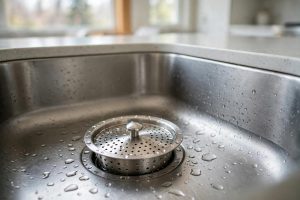
Kitchen Sink Basket Strainer Reviews USA: A Plain Buyer Guide
February 22, 2026 0 views