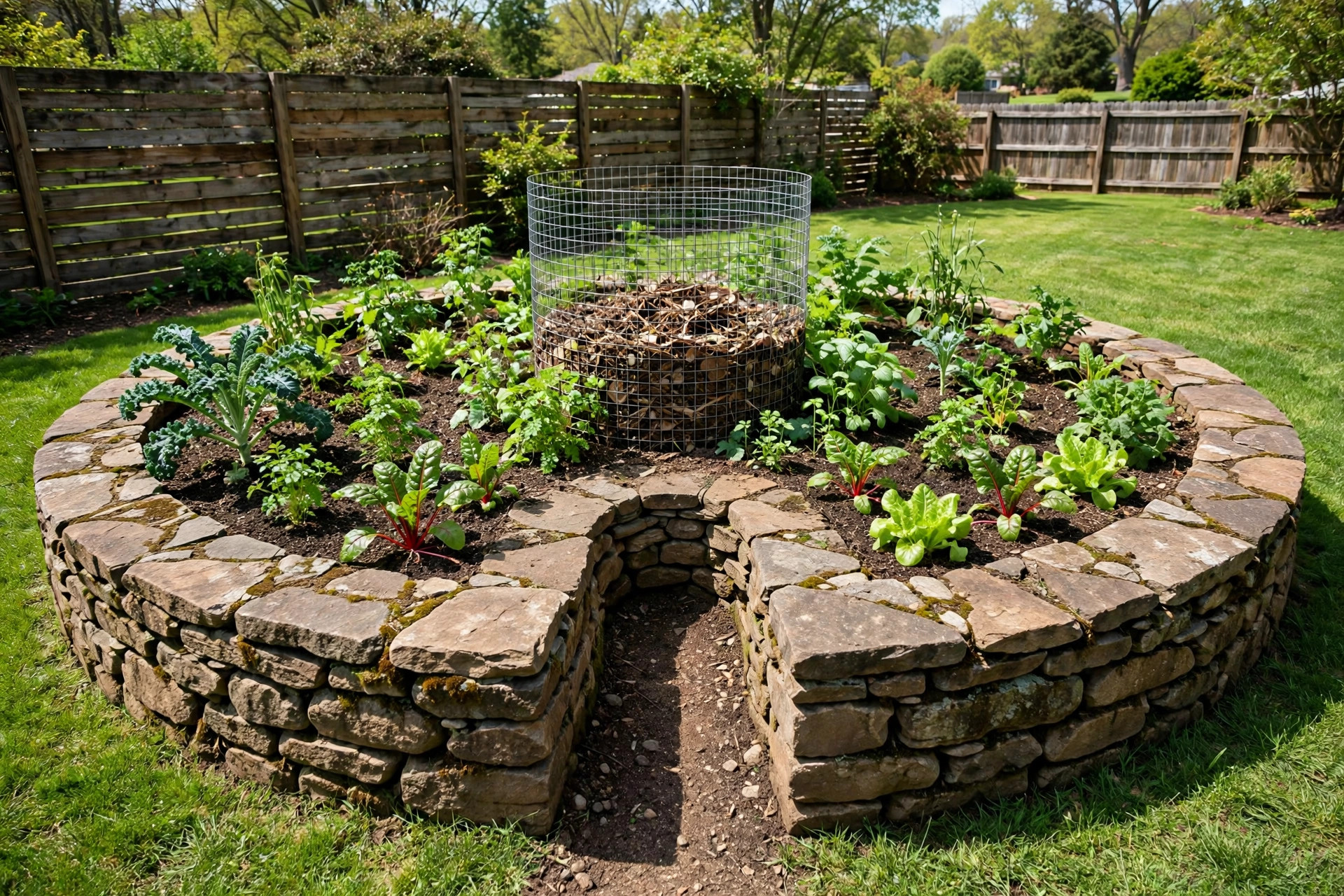
If you want to learn how to build keyhole garden bed designs at home, this guide will walk you through every step. A keyhole garden bed is a round raised bed with a small cut-in path shaped like a keyhole. In the center sits a basket or tube where you place food scraps and yard waste. The design feeds the soil from the middle and gives you easy reach to every plant. It is a fine choice for small yards, dry climates, and any gardener who wants more food from less space.
Why a Keyhole Garden Bed Matters
A keyhole garden bed does two jobs at once. It grows vegetables, herbs, and flowers. It also composts kitchen scraps right where the plants can use them. Water poured into the center basket soaks outward into the bed. Plant roots grow toward that rich, moist center.
Gardeners in dry parts of the country prize this design. The round shape and tall walls hold water better than a flat row. The center compost keeps the soil fed for many months. The narrow keyhole path lets you reach the middle without stepping on the soil. You can plant, water, and harvest without ever compressing the growing area.
This method first grew popular in parts of Africa with poor soil and little rain. Today many American gardeners use it for the same reasons. It saves water. It cuts down on fertilizer. It turns kitchen waste into plant food. And it looks handsome in the yard.
What You Need Before You Start: How to Build Keyhole Garden Bed
Choosing the Right Spot
Pick a level spot that gets six to eight hours of sun each day. Most vegetables need full sun. Morning sun is best, since it dries dew from leaves and lowers disease.
Make sure a hose or watering can reach the bed. You will water the center basket often in the first weeks. Keep the bed away from large tree roots. Trees will steal water and nutrients.
Tools for the Job
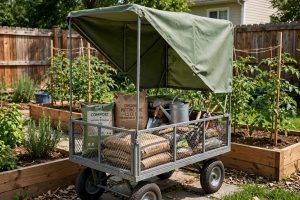
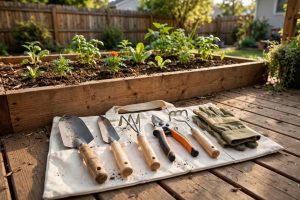
You do not need fancy tools. A shovel and a wheelbarrow move soil and gravel. A hand saw or bow saw cuts landscape timbers or boards. A level helps keep the walls even. Gloves protect your hands. A sturdy garden fork breaks up hard ground. Good garden trowels make planting small starts much easier.
Materials: What to Look For
Wall Materials
The round wall holds the soil in place. Many choices work well.
– Stone or brick: Sturdy and long lived. Free if you have stone on your land. Heavy to move. – Cinder blocks: Cheap and easy to stack. Holes in the blocks can hold herbs. – Landscape timbers or logs: Rustic look. Easy to cut. Will rot in five to eight years. – Corrugated metal edging or garden steel: Clean modern lines. Very long lived.
Avoid old railroad ties or treated wood with creosote. Old treated lumber can leach chemicals into food soil. New pressure treated lumber marked safe for garden use is widely sold at stores like Lowe’s and Home Depot.
The Center Compost Basket
The center basket is the heart of the bed. Use hardware cloth, wire mesh, or chicken wire formed into a tube about one foot wide and as tall as the bed. Wooden slats with gaps also work. The gaps let water and nutrients pass out into the soil. Many gardeners build the basket from scrap wire and a few stakes.
Fill Materials
A keyhole bed is built in layers, like a big lasagna. From bottom to top you will need:
1. Drainage layer: Four to six inches of coarse material such as gravel, broken brick, or sticks and brush. This keeps the bottom open so water drains. 2. Brown layer: Eight to ten inches of dry leaves, straw, cardboard, or newspaper. These break down slowly. 3. Green layer: Six to eight inches of fresh grass clippings, kitchen scraps, or coffee grounds. These add nitrogen. 4. Soil layer: Eight to ten inches of good garden soil on top. This is where you plant.
Wet each layer as you build. The layers settle over time and feed the plants as they break down.
Step by Step: How to Build Keyhole Garden Bed Walls and Layers
Step 1: Mark the Circle
Drive a stake into the center of your chosen spot. Tie a string three feet long to the stake. Hold a stick at the end of the string and walk around. The stick draws a six-foot circle on the ground. A six-foot bed is the common size. Taller gardeners may go up to seven feet.
Step 2: Mark the Keyhole Path
From the edge of the circle, mark a path about two feet wide that reaches the center. This is the notch of the keyhole. Leave this area open when you build the wall. You will stand here to tend the basket.
Step 3: Prepare the Ground
Remove sod and weeds inside the circle. Lay cardboard over the bare ground to block regrowth. This sheet breaks down in time. Break up the top few inches of hard soil with a fork so roots can go deep.
Step 4: Build the Wall
Stack your wall material to a height of two and a half to three feet. Stone and block can go higher. Wood walls often stop at two feet. Keep the keyhole path open. Check with a level as you go. A leaning wall will push outward when the bed fills.
Step 5: Set the Center Basket
Place the wire tube in the center of the circle. It should reach from the bottom of the bed to a few inches above the final soil line. Stake it so it stands straight. The basket opening must sit where you can reach it from the keyhole path.
Step 6: Add the Drainage Layer
Pour four to six inches of gravel or coarse brush into the bottom of the bed, around the basket. Step on it to settle it. Good drainage keeps roots healthy in wet weather.
Step 7: Layer Browns and Greens
Add your brown and green layers in turns. Wet each one with the hose. Fill to about eight inches below the top of the wall. The center basket gets its own fill: start it with coarse sticks, then add kitchen scraps as you go.
Step 8: Top With Soil
Spread eight to ten inches of quality garden soil over the layers. A good raised garden bed soil mix recipe gives young plants a strong start. Many gardeners mix equal parts topsoil, compost, and a light material like perlite or coarse sand. This mix holds water yet drains well.
Step 9: Plant and Water
Plant your vegetables, herbs, or flowers in the top soil. Water the whole bed well. Then pour a full watering can into the center basket. The basket water seeps out and feeds the roots. Keep the basket moist but not flooded.
Types and Design Options
Classic Round Bed
The standard six-foot round bed suits most yards. It holds about one cubic yard of soil. It fits ten to twelve vegetable plants with room to spare.
Small Patio Version
A four-foot round bed works on a large patio or deck. Use a waterproof liner under it to protect the surface. Fill the basket with scraps the same way. Herbs and salad greens thrive in the small size.
Block Herb Spiral Hybrid
Some gardeners build a square keyhole bed from cinder blocks. They plant herbs in the block holes. The center basket still feeds the whole bed. This is a fine way to grow a kitchen garden in very little space.
Rain Barrel Fed Bed
If you collect rain water, place the bed near your barrel. Pour barrel water into the center basket. This closes the loop: rain feeds the compost, and the compost feeds the plants. A sturdy rain barrel can be found through many garden supply catalogs.
Cost and Price Guide
Building a keyhole garden bed can cost very little or a fair amount. It depends on your wall material.
– Recycled stone or logs: Free to 50 dollars, plus your labor. – Cinder blocks: About 2 to 3 dollars per block. A six-foot bed needs roughly 60 blocks, so 120 to 180 dollars. – New lumber or landscape timbers: 150 to 300 dollars. – Soil and compost: 50 to 100 dollars per cubic yard delivered. – Wire mesh for the basket: 15 to 30 dollars. – Tools you may need to buy: A decent pair of pruning shears and a garden fork run 40 to 80 dollars together.
A typical bed built with blocks and bagged soil costs 250 to 400 dollars. A bed built with found stone and home compost can cost under 75 dollars. Either way, the bed lasts many years. Guides at Family Handyman and Bob Vila show cost-saving tricks for raised bed projects.
Care and Upkeep Through the Seasons
Feeding the Basket
Add kitchen scraps to the center basket every few days. Fruit and vegetable peels, coffee grounds, tea bags, and eggshells all work. Skip meat, dairy, and oily foods. They draw pests. Cover fresh scraps with a handful of dry leaves or shredded paper. This cuts odor and keeps flies away.
Watering
Water the basket, not just the soil. A slow pour of one to two gallons into the basket feeds the whole bed. In hot weeks, water daily. In cool weeks, two or three times is enough. Mulch the top soil with straw to slow drying.
Topping Up the Soil
The layers settle as they rot. Each spring, add two to three inches of fresh compost to the top. This keeps the soil level high and feeds the new season. If you want to build a compost bin cheap, a simple pallet bin makes all the compost a keyhole bed needs.
End of Season Care
Pull spent plants in fall. Leave the roots to rot in place. Add a thick layer of leaves over the top. The bed rests and improves all winter. In spring it is ready to plant again.
Safety Notes
Wear gloves when you handle wire mesh, rough stone, or compost. Wash hands after working with manure or food scraps. Keep the bed away from septic lines and buried utilities. Call your local utility marking service before you dig deep. Do not use pressure treated wood of unknown age near food crops. New garden-safe lumber is the better choice.
If you use a rain barrel to water the bed, keep the barrel covered. Open water draws mosquitoes. Place the bed where it will not block walkways or sight lines for drivers. A bed three feet tall can hide a small child from view near a driveway. Think about sight lines when you place it.
Frequently Asked Questions
How big should a keyhole garden bed be?
Six feet across is the standard size. Most adults can reach the center from the keyhole path at this size. If you are shorter, build five feet across. If you are tall and want more room, seven feet works. Keep the wall no higher than three feet so you can reach over it.
What can I put in the center compost basket?
Put fruit and vegetable scraps, coffee grounds, tea leaves, eggshells, and shredded paper in the basket. Add dry leaves on top of wet scraps. Do not put meat, bones, dairy, or fats in it. Those smell and draw rats. When the basket fills with finished compost, scoop some out and spread it on the bed.
Does a keyhole garden bed need a bottom?
No. An open bottom is best. It lets worms enter and lets extra water drain. Lay cardboard on the ground first to smother weeds. The cardboard rots away in a few months.
How long does the soil stay fertile?
The center basket feeds the bed for years. Top up the basket with scraps and the top with compost each spring. Many gardeners report strong crops for five years or more with no bought fertilizer. After many years, the lower layers turn fully to rich soil. You can then mix and rebuild the bed if you wish.
Can I build one in a cold climate?
Yes. The composting center gives off a little heat. This warms the soil in early spring. Build the walls from stone or block for extra warmth. Stone holds the heat of the day and gives it back at night. Cover the bed with a cold frame or row cover to start seeds weeks early.
What is the best soil for the top layer?
Use a loose, rich mix. Good soil for raised vegetable beds is dark, crumbly, and smells earthy. A mix of one part topsoil, one part compost, and one part light aerating material works well. Bagged raised bed mixes from garden centers also work. Test kits from Burpee and advice at The Spruce can help you read your soil.
A Short Final Word
Learning how to build keyhole garden bed projects is a skill that pays back every season. The work takes one or two weekends. The reward is years of fresh food grown with less water and less waste. Start small if you must. Build one bed, feed the basket, and watch what happens. Most gardeners who try it build a second one the next year. Reviews of bed-building tools at Consumer Reports can help you pick gear that lasts.
References
Bob Vila. (n.d.). Home improvement advice. https://www.bobvila.com Burpee. (n.d.). Seeds, plants, and gardening supplies. https://www.burpee.com Consumer Reports. (n.d.). Product reviews and ratings. https://www.consumerreports.org Corona Tools. (n.d.). Garden and landscape tools. https://www.corona-tools.com Family Handyman. (n.d.). DIY home repair and maintenance. https://www.familyhandyman.com Fiskars. (n.d.). Garden and cutting tools. https://www.fiskars.com Gardener’s Supply Company. (n.d.). Gardening tools and supplies. https://www.gardeners.com Lowe’s. (n.d.). Home improvement products. https://www.lowes.com The Home Depot. (n.d.). Home improvement products. https://www.homedepot.com The Spruce. (n.d.). Home and garden advice. https://www.thespruce.com
Was this guide helpful?

About David Wilson
The My Garden US editorial team writes practical, in-depth home and garden guides for American homeowners — tested advice, no fluff.