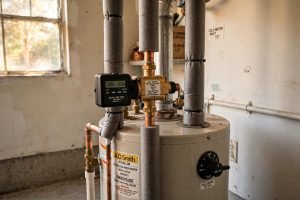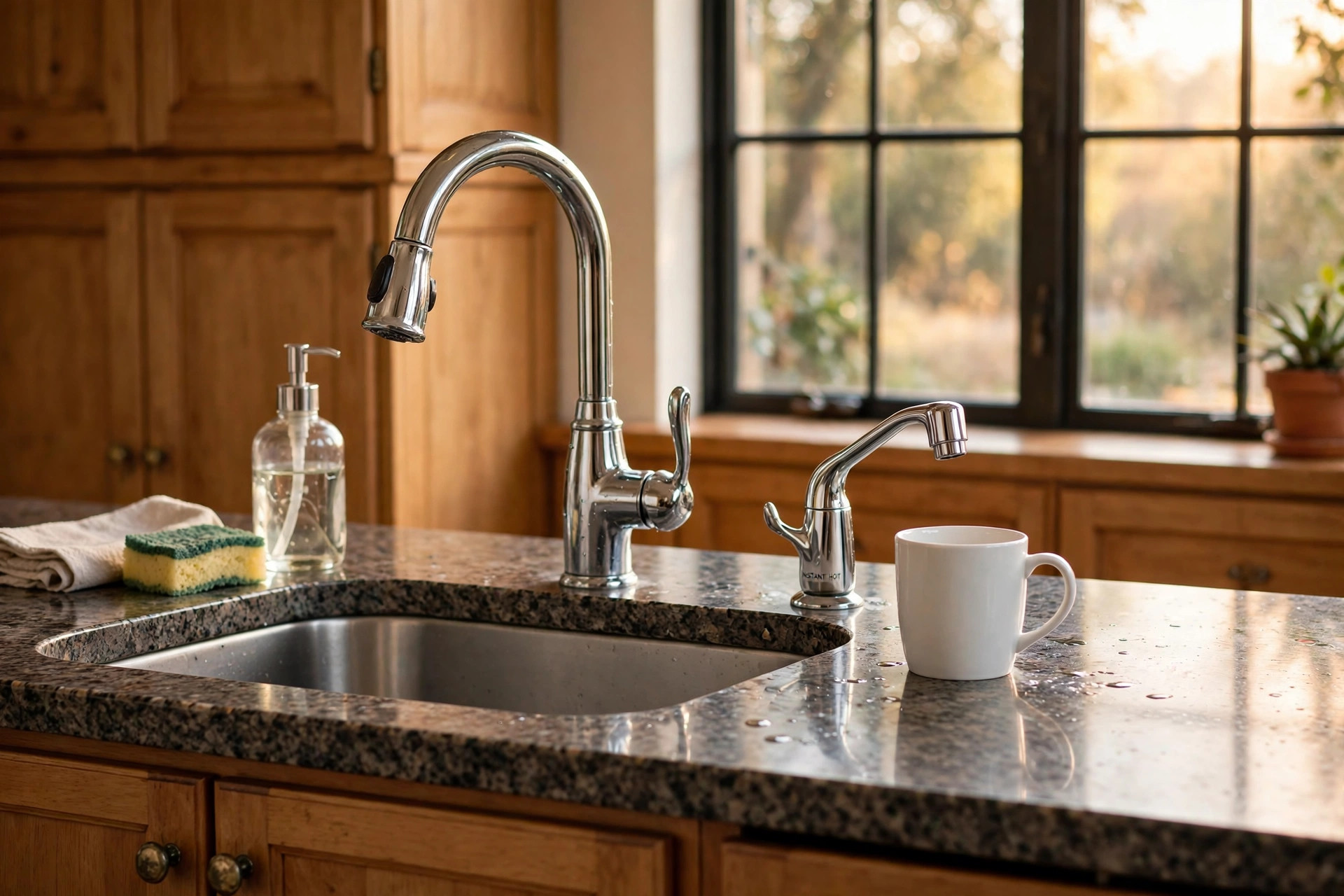

Many American homes now keep a small tank under the kitchen sink. That tank holds water at near boiling heat. A tap on the countertop gives hot water in seconds. This is the subject of the best instant hot water dispenser reviews USA home buyers read before they shop. The idea is simple. No kettle. No waiting for the stove. Hot water is ready at all hours for tea, cocoa, oatmeal, or soup. It is a small luxury that earns its place fast.
Reviews of these machines matter because models differ in real ways. Tank size, heat level, child safety, and filter life all change from brand to brand. A short study of the best instant hot water dispenser reviews USA readers trust can save a buyer from a poor match. This article walks through the whole topic in plain terms. It covers why the units are popular, what to look for, the main types, cost, care, and safety. It ends with answers to common questions.
Why an Instant Hot Water Dispenser Matters
Kettles and stovetops still work. But they take time. A full kettle can take five minutes or more to boil. A dispenser holds water ready at about 190 degrees. One push gives a full cup. For a busy morning, that saved time adds up. Parents of young children find the units helpful. So do people who drink tea through the day. Tea lovers know that water near 200 degrees draws out flavor better than lukewarm tap water. A dispenser holds that range all day.
Energy use is another reason buyers look at these units. A kettle heats a full pot even when one cup is needed. A dispenser tank heats a small store and holds it with insulation. Modern tanks are well wrapped. They cycle on and off in short bursts. Over a year, the cost is often lower than daily kettle use. Reviews that track energy draw confirm this pattern. For homes that boil water many times a day, the savings grow.
Convenience is the largest selling point. Instant soup, gelatin, rice mixes, and baby formula all need hot water. A dispenser puts it at the sink. There is no heavy pot to lift and pour. Older adults and people with weak grip find this a real help. The risk of a spill from a full kettle drops to zero. That is why many buyers over sixty choose these units.
How to Choose the Best Instant Hot Water Dispenser: Best Instant Hot Water Dispenser Reviews Usa
Reviews of the best instant hot water dispenser reviews USA shoppers use tend to grade the same few traits. A buyer who learns these traits can read any review with a clear eye.
Tank Size
Most home tanks hold from one half gallon to just over one gallon. A half gallon gives about eight cups before the heater must catch up. A one gallon tank gives about sixteen. A small family that drinks two or three pots of tea a day does well with the smaller size. A large family, or a home office with many drinkers, needs the larger size. Tank recovery time matters too. Good models reheat a full draw in ten to fifteen minutes. Cheaper models can take twice as long.
Temperature Control
Plain models hold one fixed heat, often near 190 degrees. Better models let the user set the heat from about 140 to 210 degrees. This matters for drinks. Green tea wants about 175 degrees. Black tea wants near boiling. Coffee drinkers often pick 200 degrees. A dial or digital control on the tank or the tap makes these changes easy. Reviews praise models with clear markings so the setting is easy to see.
Filtration
Many buyers pair a hot water dispenser with a filter. Hard water leaves scale in the tank. Scale shortens heater life and can change taste. Some units come with a built in filter head. Others accept add on filters from brands like Aquasana, whose filtration products are widely sold in the USA. Reviews often test how easy the filter is to change. A twist off head that takes ten seconds earns high marks. A head that needs tools earns low marks. Buyers who want cleaner drinking water for other uses may also read reverse osmosis systems reviewed for under sink use, since those systems often sit in the same cabinet.
Tap Design and Finish
The tap sits on the sink deck or the counter. It comes in chrome, brushed nickel, bronze, and other finishes. Reviews check two things: drip and child safety. A good tap stops the flow at once when released. A poor tap drips for seconds. Child safety locks matter in homes with small children. The best locks need a press and a twist. A child cannot open them by chance. The finish should match the main faucet. Brands such as Moen and Delta Faucet sell dispensers in finishes that match their faucet lines, which keeps the sink looking neat.
Types of Instant Hot Water Dispensers
The market holds three main types. Each suits a different home.
Tank and tap sets. This is the classic form. A stainless steel tank mounts under the sink. A small tap mounts on the counter. A tube links the two. These sets cost the least and fit most sinks. They suit renters less, since the tap needs a hole in the sink or counter. Many sinks have a spare hole for a soap dispenser or a sprayer. That hole works for the dispenser tap.
Countertop electric dispensers. These sit on the counter like a coffee maker. They need no plumbing. The user fills a reservoir by hand. They heat fast and cost less than under sink sets. The trade off is size. They take counter space. They also need refilling. They suit apartments and offices where drilling a hole is not allowed.
Point of use water heaters with hot taps. These are larger units that serve the whole sink. They mount under the sink and feed a special faucet. They give hot water at high flow for washing as well as drinks. They cost more and may need a dedicated electric line. Reviews treat these as a step up for serious users.
A fourth option is the hot and cold dispenser. It gives filtered cold water and near boiling water from one tap. These suit homes that want both. They cost more and need a larger tank. Reviews of the best instant hot water dispenser reviews USA buyers read often place these in a separate class.
Cost and Price
Prices in the USA fall into clear bands. Countertop models run from about 60 to 150 dollars. Basic tank and tap sets run from about 150 to 300 dollars. Mid range sets with temperature control and filters run from 300 to 500 dollars. High end sets and hot and cold units run from 500 to 900 dollars. These are store prices. Big retailers such as The Home Depot and Lowe’s carry the full range, and their sites let buyers compare finishes side by side.
Install cost adds to the total. A plumber or handyman can fit a tank and tap set in one to two hours. Rates vary by town. Most buyers pay 100 to 250 dollars for labor. A handy owner can do the job with basic tools. The work needs a cold water line tap, a power outlet under the sink, and a hole for the tap. Guides from This Old House walk through under sink plumbing work step by step and help a buyer judge whether to hire out.
Running cost is small. A well insulated tank draws about 500 to 750 watts in short bursts. Most homes spend a few dollars a month on the power. Filter cartridges, where fitted, cost 20 to 60 dollars and last six to twelve months. Scale is the hidden cost. In hard water towns, an unfiltered tank may need descaling each year. A simple vinegar flush takes an hour and costs almost nothing.
Care and Upkeep
A dispenser needs little care, but it needs some. The tank should be flushed once a year. This clears scale from the heater. The steps are plain. Turn off the power. Let the tank cool for several hours. Drain it through the tap or the drain valve. Fill it with a mix of white vinegar and water. Let it sit for an hour. Drain and refill with clean water. Run the tap until the vinegar smell is gone. The unit is then ready.
The tap aerator or screen needs a wipe now and then. Lime can crust on the spout. A cloth with vinegar clears it. The filter, if fitted, needs a change on schedule. Old filters slow the flow and can add taste. Buyers who pair the dispenser with a dedicated under sink water filter should change both on the same date so neither is missed.
Leaks are rare but worth a check. Once a month, look under the sink with a light. Feel the tube joints for damp. Smell for a musty sign. A small drip caught early is a five minute fix. A drip ignored for a year can rot the cabinet floor. Reviews that track long term owners list the cabinet check as the single best habit.
Safety
Near boiling water needs respect. Every good unit ships with a child safety lock on the tap. Use it. Teach children that the small tap is not a toy. Keep the lock engaged at all times in homes with children under ten. The tap spout should sit back from the counter edge. A cup knocked off the edge with hot water in it is a burn risk. Place cups close under the spout before pressing the lever.
The tank itself runs hot. It mounts under the sink, out of reach. Still, keep stored items a few inches clear so heat can escape. Never cover the tank with a blanket or box. The power cord should plug into a grounded outlet. Do not run it through an extension cord as a long term fix. If the unit trips a breaker, have an electrician check the line before resetting it again.
Water safety matters too. The EPA sets the rules for safe drinking water in the USA, and its site explains the limits for lead, copper, and other metals. Old homes with lead pipes need care. Hot water can pull more lead from old plumbing than cold water. Buyers in older homes should read up on filters reviewed for lead removal and may want a filter on the dispenser feed line. A water test kit from a hardware store gives a fast first check. Independent reviews at Consumer Reports test dispenser models for heat accuracy and build quality, which helps a buyer sort claims from facts. Home project guidance from The Spruce also covers sink and faucet installs in plain language for first time owners.
Frequently Asked Questions
How hot does an instant hot water dispenser get? Most tanks hold water between 185 and 200 degrees. High end models reach 210 degrees. That is hot enough for tea, coffee, and instant food. It is below a rolling boil, which is 212 degrees at sea level. The adjustable models let the owner pick a lower heat for delicate teas.
Does a hot water dispenser use a lot of electricity? No. The tank is small and well insulated. It heats in short bursts and then rests. Most homes add only a few dollars a month to the power bill. Homes that boil a kettle five or six times a day often spend less after the switch.
Can I install it myself? Many owners can. The job needs a cold water connection, a power outlet, and a hole for the tap. Basic plumbing skill and a free afternoon are enough. A buyer who is unsure should hire a plumber. One to two hours of labor is the norm.
Do I need a water filter with it? It is not required, but it is wise in hard water areas. Scale builds up on the heater and shortens its life. A filter also improves taste. Some models include a filter head. Others need an add on unit in the feed line.
Is the water safe for baby formula? Near boiling water from a clean unit is fine for mixing formula, but let it cool to the right heat before feeding. Follow the formula maker’s directions. Keep the tank flushed and the filter fresh so the water stays clean.
How long does a unit last? A good tank and tap set lasts eight to twelve years with basic care. The heater element is the part that wears out. Descaling once a year adds years. Cheap countertop models last three to five years on average.
A Final Word
The best instant hot water dispenser reviews USA buyers rely on all point to the same lesson. Match the unit to the home. A small tank suits a quiet kitchen. A large tank with temperature control suits a busy one. Read reviews for drip, recovery time, and lock design, not just for price. Buy from a store with a fair return policy in case the tap finish or the tank size proves wrong. With a sound choice and a little yearly care, a dispenser gives a decade of hot water in seconds. That is a small change in the kitchen that is felt every single day.
References
Aquasana. (n.d.). Water filtration systems. https://www.aquasana.com Consumer Reports. (n.d.). Product reviews and ratings. https://www.consumerreports.org Delta Faucet. (n.d.). Kitchen and bathroom faucets. https://www.deltafaucet.com Lowe’s. (n.d.). Home improvement products. https://www.lowes.com Moen. (n.d.). Faucets and plumbing fixtures. https://www.moen.com The Home Depot. (n.d.). Home improvement products. https://www.homedepot.com The Spruce. (n.d.). Home and garden advice. https://www.thespruce.com This Old House. (n.d.). Home renovation guidance. https://www.thisoldhouse.com U.S. Environmental Protection Agency. (n.d.). Protecting human health and the environment. https://www.epa.gov
Was this guide helpful?

About Lisa Anderson
The My Garden US editorial team writes practical, in-depth home and garden guides for American homeowners — tested advice, no fluff.
You May Also Like
How to Thaw Frozen Pipes Safely: A USA Guide
February 1, 2026 0 views
Best Under Sink Filter for Apartments USA: A Complete Buyer Guide
June 13, 2026 0 views
What Does Exterior Basement Waterproofing Cost in the USA?
August 3, 2026 0 views