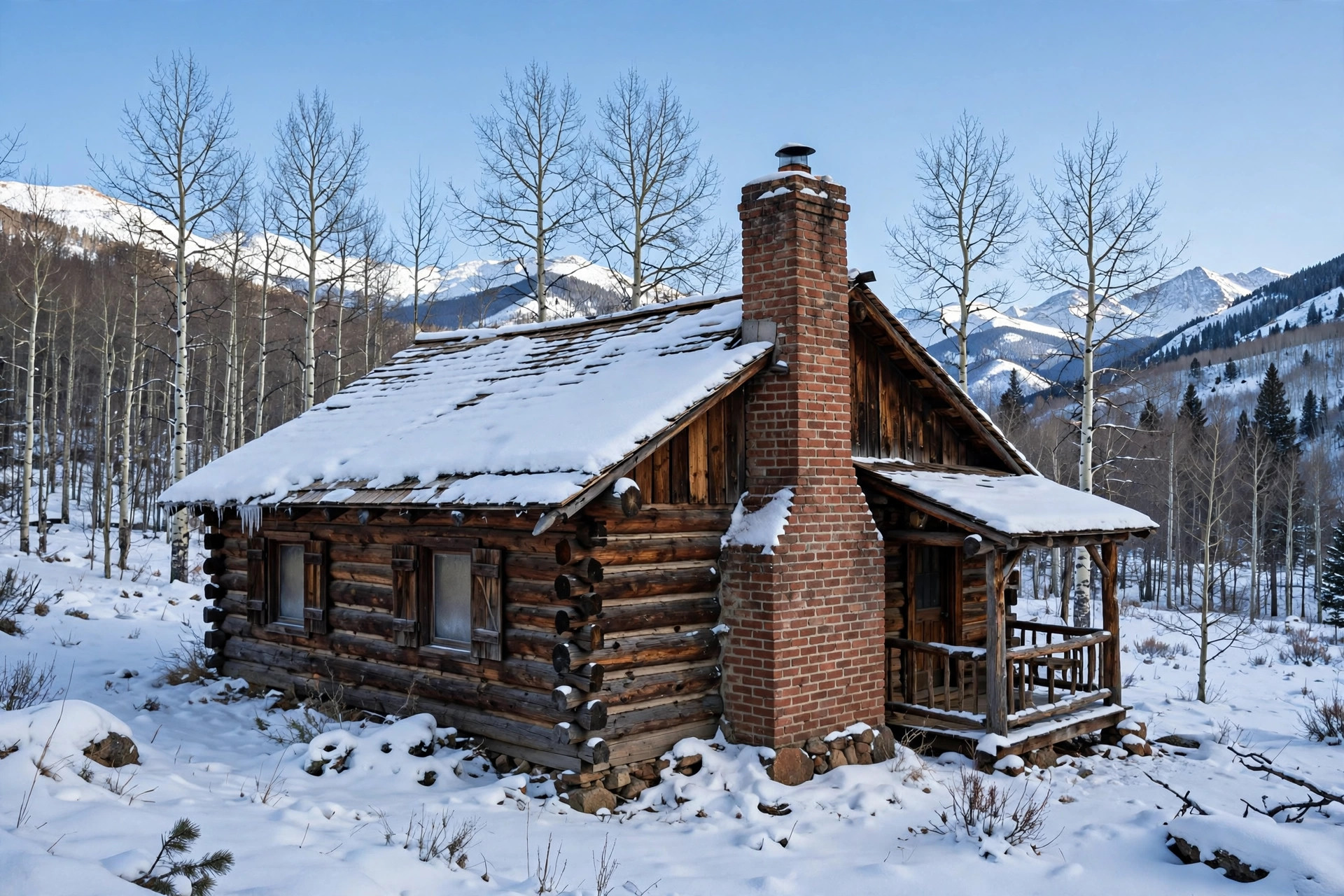

A wood fire on a cold night is one of the great pleasures of life in the mountains. But behind every safe fire there is work that most owners never see. Soot builds up inside the flue each time wood burns. Birds and squirrels build nests in the spring. Cracks open in the masonry as years pass. That is why so many Colorado families turn to reliable chimney sweep services in colorado. A professional sweep removes the danger that hides inside the chimney and lets the fireplace do its job.
This guide explains what a sweep does, how to choose a good one, what it costs, and how to care for your chimney between visits. The advice is plain and practical. It is written for the ordinary homeowner who wants heat without worry.
Why a Clean Chimney Matters in Colorado
Colorado winters are long and hard. Homes in Denver, Colorado Springs, Fort Collins, and the high country often burn wood from October into April. That is six or seven months of fires. Each fire leaves behind creosote, a black tar-like substance that coats the inside of the flue. Creosote is the fuel for chimney fires. When it catches, the fire inside the chimney can reach temperatures high enough to crack tiles, spread to the roof framing, and set a house ablaze.
Cold air makes the problem worse. When the flue is cold, smoke rises slowly and leaves more creosote behind. Homes at high altitude burn more wood to stay warm, so the buildup comes faster. Strong gusts along the Front Range can drive downdrafts that push smoke back into the room. A sweep checks that the cap and damper handle these conditions as they should.
Many families in the state also use pellet stoves and gas inserts. These burn cleaner, but they are not free of upkeep. Pellet stoves have ash traps and vents that clog over time. Gas fireplaces have burners and pilots that need a look once a year. A good chimney company can service all of these. When a sweep arrives, ask whether the company handles your type of appliance before booking. Not all of them do.
What a Professional Sweep Does: Reliable Chimney Sweep Services in Colorado
A proper chimney sweep visit has several parts. It is more than a brush pushed up a pipe. Here is what a reliable worker should do on a standard visit.
First comes the inspection. The sweep looks at the outside of the chimney for loose bricks, bad mortar joints, and a damaged crown. Then the firebox is checked for cracked bricks and worn mortar. The damper gets tested to see that it opens and closes fully. The smoke chamber above the damper is examined for rough spots where creosote collects.
Next comes the cleaning itself. The technician lays drop cloths to protect the floor and sets up a vacuum with a fine dust filter to keep soot out of the room. Special brushes scrub the flue walls from top to bottom. Stiff rods reach around bends and elbows. The smoke shelf and firebox are brushed and vacuumed. In most homes this takes one to two hours.
After cleaning, the sweep should give a written report. The report lists what was found and what work is suggested. Some findings are urgent, such as a cracked flue liner or heavy glazed creosote. Others can wait, like a cap that needs paint. A written report is a sign of an honest business.
How to Choose a Reliable Service
Finding the right company takes a little care. Colorado has many sweep businesses, from one-truck operators to large firms. Price alone is a poor way to judge them. Use the checks below instead.
Credentials Worth Asking About
Ask whether the technicians hold certification from the Chimney Safety Institute of America, a national body that trains and tests sweeps. Certification is not required by law in Colorado, but it shows the worker has studied the trade. Membership in the National Chimney Sweep Guild is another good sign. Both groups publish lists of members that the public can check. The National Fire Protection Association sets the main safety standard for chimneys, and the code rules for fireplace and chimney safety are worth a glance before the visit.
Also ask about insurance. A real company carries liability insurance and workers compensation for its crew. If a ladder slips or a roof is damaged, you do not want to be the one who pays. Ask for proof before work begins. A company that refuses to show insurance papers is best avoided.
Warning Signs of a Poor Operator
Be careful with door-to-door salesmen who offer a cheap sweep on the spot. Common scams in the trade include showing the customer a bag of debris that did not come from the chimney, or finding cracks in the flue that do not exist. Get a second opinion before you agree to any repair over a few hundred dollars.
Watch for prices that seem too good to be true. A proper cleaning with an inspection takes real time and real equipment. A price far below the local average often means the job will be rushed or used as a trick to sell unneeded repairs. Read recent reviews for the company on trusted consumer sites like Consumer Reports or local review pages, and look for how the firm answers complaints.
Finally, be wary of cash-only payment and missing paperwork. A solid business gives a written estimate, a clear receipt, and a contact number that works year round. Keep your own records of every visit with the date and the name of the technician.
Types of Services You Can Expect
Chimney companies in Colorado generally offer a set of standard services. Knowing what each one covers helps you book the right job.
Standard sweep and inspection. This is the yearly visit most owners need. The flue is cleaned and the whole system gets a visual check. It suits wood-burning fireplaces and stoves that are used in a normal way.
Level 2 inspection. This is a deeper look used when a home is sold, when a new appliance is installed, or after a chimney fire. It uses cameras to see inside the flue and checks hidden areas such as attics and crawl spaces near the chimney. Real estate buyers in Colorado often order this one.
Creosote removal. When creosote has glazed over and hardened, plain brushes may not move it. Technicians use special chemical treatments or rotary tools to break it down. This service costs more than a standard sweep.
Masonry repair and repointing. Colorado freeze and thaw cycles crack mortar joints over time. Tuck pointing replaces the bad mortar. For larger damage, the sweep may rebuild the crown or replace the flue liner.
Cap and damper installation. A rain cap keeps water, birds, and debris out of the flue. Top-sealing dampers close the chimney at the top and save heat. Both are common add-ons.
Dryer vent and fireplace ash vacuum service. Some chimney firms also clean dryer vents, which lowers fire risk and helps the dryer run better. Many homeowners pair this with other seasonal upkeep such as a thorough home refresh, and some even schedule it alongside reliable move out cleaning services in colorado when a property changes hands. For day-to-day ash handling between professional visits, a good reliable fireplace ash vacuum with free shipping makes weekly cleanup simple and dust-free.
Cost and Price Guide
Chimney sweep prices in Colorado vary by city and by the type of home. The figures below are typical ranges for 2026. Use them as a guide, not a promise.
A standard sweep with a basic inspection usually costs between 150 and 300 dollars. Homes with two flues or very tall chimneys cost more. A Level 2 camera inspection adds 150 to 300 dollars to the bill. Creosote treatment can run 200 to 500 dollars depending on how bad the buildup is.
Repairs cost far more. Repointing mortar joints often runs 500 to 2,500 dollars. Replacing a flue liner can cost 2,500 to 7,000 dollars depending on the chimney height and liner type. Installing a new cap is modest, often 200 to 400 dollars.
Get at least two written estimates for any job over 500 dollars. Ask what each price includes and what might add to the total. Most honest companies charge a set fee for the sweep and list repairs separately. Fall is the busiest season, so prices may be higher and booking may take longer. Late spring and early summer often bring lower prices and faster appointments.
Care and Upkeep Between Visits
A sweep visit once a year is the backbone of chimney care. What you do between visits matters too. These habits keep the system safer and cut repair bills.
Burn only dry, seasoned hardwood. Green or wet wood burns cool and smoky, and that is what lays down heavy creosote. Good firewood has been split and stacked under cover for six months to a year. It feels light in the hand and makes a sharp crack when two pieces are knocked together.
Keep the fireplace area clear. Move rugs, papers, and kindling baskets at least three feet from the opening. Use a sturdy metal screen or glass doors to stop sparks. Never burn wrapping paper, boxes, or treated lumber.
Empty the ash box when it reaches about an inch deep. A thin layer of ash helps the fire burn, but a deep bed chokes the air flow. Let ashes cool in a metal container with a tight lid for at least three days before throwing them out. Ashes can hold hidden heat for a long time. For whole-home systems that support clean indoor living, some owners also review their whole house water filters reviews and buying guide when planning other household improvements.
Watch for warning signs during the season. Smoke that rolls into the room, a strong sour smell on damp days, or black flakes falling into the firebox all point to trouble. Soot marks on the outside of the chimney are another red flag. Do not wait for the yearly visit if you see these. Call a sweep right away.
Safety Around the Fireplace
A fireplace is a controlled fire inside the house. Respect it. The safety rules are simple and they save lives.
Install smoke alarms and carbon monoxide alarms on every level of the home, and test them monthly. Carbon monoxide is a colorless, odorless gas that a blocked or backdrafting chimney can push into the living space. The Environmental Protection Agency offers clear guidance on indoor air and combustion safety for homeowners.
Keep a fire extinguisher within reach of the fireplace and learn how to use it. Teach children that the fireplace tools and the fire itself are not toys. Let the fire burn down fully before going to bed. Never leave a fire burning when you leave the house.
Schedule the yearly sweep before the burning season starts. In Colorado, late August or September is a good time. This leaves room to fix any problems before the first cold snap. Practical seasonal checklists from Family Handyman and project ideas from This Old House can help you plan the rest of your fall home care.
Frequently Asked Questions
How often should I have my chimney swept in Colorado? Once a year is the standard advice for a fireplace that is used regularly. If you burn wood as your main heat source, or if you burn more than three cords of wood a year, ask your sweep whether twice a year is smarter. Gas fireplaces and pellet stoves should be inspected yearly even if they do not need a full sweep.
What is the difference between a sweep and an inspection? A sweep is the physical cleaning of the flue, firebox, and smoke chamber. An inspection is the check of the whole system for damage and danger. Most service calls include both. A Level 2 inspection adds camera work inside the flue for a deeper look.
Do I really need a sweep if I have a gas fireplace? Yes, though the visit looks different. Gas fireplaces do not build up creosote, but the burners, pilots, and venting still need a yearly check. A blocked vent on a gas unit can push carbon monoxide into the room. Many chimney companies service gas units as part of their normal work.
How long does a chimney sweep visit take? A standard cleaning and inspection takes one to two hours in most homes. Homes with heavy creosote, tall chimneys, or hard-to-reach flues can take longer. Repairs such as repointing or liner work take separate visits.
Can I clean my own chimney to save money? Brush kits are sold at home stores such as Home Depot, and a careful owner can remove loose soot. But a do-it-yourself cleaning cannot replace a professional visit. Only a trained sweep can spot a cracked liner, a hidden blockage, or failing mortar. Most owners who try it themselves miss the very problems that make a chimney dangerous.
What should I do before the sweep arrives? Clear the area around the fireplace. Move furniture a few feet back and take down anything hanging over the mantel. Do not light a fire for at least 24 hours before the visit so the system is cool. The crew will handle the rest with drop cloths and vacuums.
A Final Word
A fireplace gives a Colorado home its heart in winter. It deserves care in return. Find a sweep you trust, book the visit every year, burn good wood, and keep an eye out for warning signs. Homeowners who want step-by-step fireplace projects can find solid advice at Bob Vila, general cleaning know-how at Good Housekeeping, and deep guides on home systems at The Spruce. With steady upkeep, your chimney will carry heat safely for many winters to come.
References
Bob Vila. (n.d.). Home improvement advice. https://www.bobvila.com Consumer Reports. (n.d.). Product reviews and ratings. https://www.consumerreports.org Family Handyman. (n.d.). DIY home repair and maintenance. https://www.familyhandyman.com Good Housekeeping. (n.d.). Product reviews and home advice. https://www.goodhousekeeping.com National Fire Protection Association. (n.d.). Fire safety information and codes. https://www.nfpa.org The Home Depot. (n.d.). Home improvement products. https://www.homedepot.com The Spruce. (n.d.). Home and garden advice. https://www.thespruce.com This Old House. (n.d.). Home renovation guidance. https://www.thisoldhouse.com U.S. Environmental Protection Agency. (n.d.). Protecting human health and the environment. https://www.epa.gov
Was this guide helpful?

About Emily Rodriguez
The My Garden US editorial team writes practical, in-depth home and garden guides for American homeowners — tested advice, no fluff.
You May Also Like
Best Carpet Stain Remover Kits for Humid Climates
June 26, 2026 0 views
Dryer Vent Cleaning Services Cost Guide USA
February 1, 2026 0 views
Reliable Roof Moss Removal Services in Texas: A Homeowner’s Guide
September 24, 2026 0 views