Table of Contents
Table of Contents
Photo: Wikimedia Commons
Introduction
When it comes to how to grow water spinach, getting the details right makes all the difference.
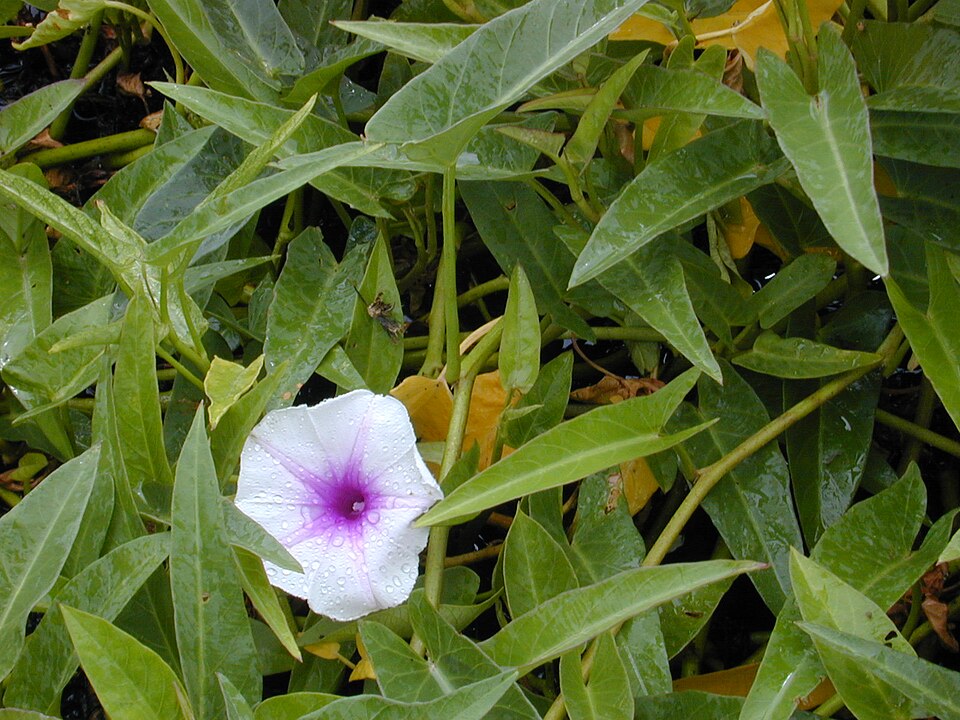

Many homeowners find that how to grow water spinach is easier than they expected once they know the basics.
Water spinach, or kangkong, is the beloved green of Southeast Asian stir-fries - hollow, crunchy stems and tender leaves that cook in minutes with garlic. It is one of the fastest-growing greens in hot weather, as long as its feet stay wet. This guide covers how to grow water spinach from seed to harvest, with timing based on your frost dates and USDA zones 8 to 11, so you can plan with confidence.
Water Spinach (Ipomoea aquatica) is a tropical annual (check local regulations) for USDA zones 8 to 11. Plant it in full sun, give it rich, constantly moist soil, space it 8 inches apart, and allow about 60 to 90 days to mature. Get those basics right and the rest is easy. It drinks heavily, so plan on regular watering.
Below you will find everything the home gardener needs: which types to buy, when and how to plant, what soil and water it likes, how to tend it through the season, when to harvest, and what to do when trouble shows up. It is worth the small effort for fast, tender greens for stir-fries all summer.
One honest note before you start: this plant rewards steady, ordinary care more than fancy products. Good timing, decent soil, and regular water will take you further than any bottle on the garden-center shelf. Keep it simple and water spinach will do the rest.
Choosing a Variety
Many homeowners find that how to grow water spinach is easier than they expected once they know the basics.
The key to how to grow water spinach is choosing the right approach for your space and budget.
Seed is usually sold simply as water spinach or kangkong, Ipomoea aquatica. Before you buy, check your local rules: it is regulated or banned in some states because it can escape into warm waterways. Where it is legal, grow it in containers to keep it contained.
Most gardeners start this one indoors - it rewards the extra care with stronger, earlier plants.
When you shop, match the days to maturity on the packet to your frost-free season. A variety that needs a longer season than you have will disappoint, no matter how good it sounds. Disease resistance is the next thing worth paying for, since it saves more crops than any spray. For variety details and photos, browse IFAS Gardening Solutions.
When and How to Plant
The key to how to grow water spinach is choosing the right approach for your space and budget.
With a little planning, how to grow water spinach can fit even a busy schedule.
Start seeds indoors four weeks after your last spring frost; transplant seedlings outdoors two weeks after your last spring frost. Your county office can confirm local frost dates - ask the cooperative extension service - and our planting calendar turns them into a sowing schedule.
Water spinach grows best in wet soil or shallow standing water, so plant it in a low boggy bed, a container set in a water tray, or a pond margin. Sow seeds half an inch deep in rich, wet soil and keep it saturated; it loves heat and grows fastest in hot, humid weather. Check local rules first, since it is regulated or prohibited in some regions as an invasive plant.
Starting Seeds Indoors
Use small pots or cell trays filled with damp seed-starting mix. Sow, cover lightly, and keep the mix moist but not soggy. A warm spot speeds germination; a sunny windowsill or a simple shop light works fine. Harden seedlings off for a week before they move outside.
1. Time it by frost. Work out your last spring frost date first, then count back or forward the weeks given above. Sowing into cold soil is the most common beginner mistake.
2. Prepare the bed. Clear weeds, loosen the soil, and work in compost. Rake it level so water does not pool.
3. Sow or plant. Place seed half an inch deep, spacing plants about 8 inches apart. Firm the soil gently so seed meets soil.
4. Water in well. Soak the bed after planting, then keep it evenly moist until seedlings are up and growing.
5. Thin or space. If seedlings crowd, thin to the final spacing. Crowded plants compete and stay small.
6. Label and mulch. Mark the row so you do not hoe it by accident, and mulch once plants are a few inches tall.
Get the timing and spacing right and the plants largely take care of themselves from here. Most failures trace back to sowing too early or too deep, so honor the frost dates and the depth. Compare notes with the Farmer's Almanac gardening guides if you want a second opinion.
Soil and Sun
With a little planning, how to grow water spinach can fit even a busy schedule.
Before you start, it helps to understand how how to grow water spinach works in real homes.
Site it for full sun. Morning sun with a break from the harshest afternoon heat suits it well in warm regions, while cooler climates can give it the brightest spot available. If a bed stays shady past mid-morning, pick another one.
Aim for rich, constantly moist soil. Work the bed a spade deep, pull out stones and roots, and blend in compost until the soil feels soft and crumbly. Raised beds are a fine answer where native soil is heavy or thin.
Mulch after planting to hold moisture and keep soil temperatures steady. Two to three inches of straw, shredded leaves, or bark does the job. Keep mulch a finger's width away from stems so air can move. For the botanical details on this species, the USDA PLANTS database lists its native range and needs, and the USDA National Agricultural Library carries plain-language soil guidance.
Watering and Feeding
Before you start, it helps to understand how how to grow water spinach works in real homes.
A good plan for how to grow water spinach saves time, money, and frustration.
Give it keep soil wet; thrives in standing water. The finger test never lies: push a finger into the soil, and water when the top inch feels dry. Morning watering is best, since leaves dry fast and diseases get less chance to start.
Fertilize with restraint. Rich soil and heavy feeding make many herbs and vegetables lush but weak, with washed-out flavor. Compost is the safest food; add a modest organic fertilizer only if growth clearly stalls. Watering and feeding checklists from Minnesota Extension's gardening pages are worth bookmarking.
Care Through the Season
A good plan for how to grow water spinach saves time, money, and frustration.
For most people, how to grow water spinach comes down to a few smart choices.
Never let the bed dry out; water daily in heat and refresh standing water regularly to prevent mosquitoes. Aphids and leafhoppers may appear on lush growth; rinse them off with water. Cut stems back regularly to keep plants compact and productive.
> Grower's tip: Pinch shoot tips often to keep plants bushy and productive. It loves heat and wet feet, and is killed by any frost.
Watch the bed more than the calendar. Plants tell you what they need: wilting at midday means water, pale leaves mean food, and crowded stems mean it is time to thin or divide. A five-minute look each evening catches small problems before they grow.
Gardeners who grow water spinach often grow Malabar Spinach, New Zealand Spinach, Water Chestnut in the same bed or nearby - they share similar needs and the harvests complement each other.
Keep notes. Jot down sowing dates, what worked, and what failed. Next season that notebook is worth more than any gardening book. For pest ID photos and seasonal task lists, see the plant guides at Gardenia.net.
Harvest
For most people, how to grow water spinach comes down to a few smart choices.
If you are new to how to grow water spinach, start with the simplest option and build from there.
Harvest by snipping the top 6 inches of stem tips, which regrow quickly for cut-and-come-again picking. Stir-fry the tender tips with garlic for the classic preparation. Pro tip: harvest frequently and never let plants flower and set seed outdoors where the plant could escape cultivation.
Harvest in the cool of the morning when flavors and textures are at their peak. Handle the crop gently - bruises shorten storage life fast. Taste as you go; the garden is the best teacher of when something is truly ready.
Store the harvest properly and it pays you for weeks. Cool, dark, and airy suits most crops; the exact setup depends on what you grew. Storage and curing charts at Clemson Cooperative Extension are worth printing out.
Common Mistakes to Avoid
If you are new to how to grow water spinach, start with the simplest option and build from there.
When it comes to how to grow water spinach, getting the details right makes all the difference.
Here are the mistakes that trip up beginners with this crop. None of them is hard to avoid once you know what to watch for.
- Planting at the wrong time. Frost dates are not suggestions. Seed sown into cold soil rots or sits, and seedlings set out too early stall for weeks. Count your weeks from the last spring frost and trust the math.
- Sowing too deep. Small seed buried too far never emerges. Sow half an inch deep - barely covering tiny seed is usually right - and press it into firm contact with moist soil.
- Crowding the plants. It is tempting to squeeze in extra, but 8-inch spacing exists for a reason. Crowded plants compete for light and water, stay small, and catch disease faster.
- Watering wrong. Both extremes hurt: soggy soil rots roots and invites disease, while drought stress at the wrong moment ruins the harvest. keep soil wet; thrives in standing water is the target - learn what that feels like in your soil.
- Giving up too soon. Slow germination is normal for this plant. Keep the bed moist and give it the full expected time before you declare the sowing a failure and start over.
Troubleshooting
When it comes to how to grow water spinach, getting the details right makes all the difference.
Many homeowners find that how to grow water spinach is easier than they expected once they know the basics.
First, an honest limit: Tropical aquatic vegetable; check local regulations, as it is listed invasive where warm waterways exist and dies in frost elsewhere. Knowing where a plant will not thrive saves more disappointment than any trick.
Common Pests
The pest list here is short: aphids on tender tips, slugs in wet weather, and the odd caterpillar. Inspect leaf undersides weekly. Row covers exclude most chewing pests without a drop of spray, and removing infested leaves early keeps small problems small.
Common Problems
Poor germination almost always traces to old seed, cold soil, or sowing too deep. Leggy seedlings mean too little light. If growth stalls mid-season, side-dress with compost and check that mulch has not piled against the stems. Rotate crops so the same family does not follow itself in the same bed.
When in doubt, take a sample to your local cooperative extension office or browse the diagnostic photos at the Missouri Botanical Garden's plant profiles - a correct ID beats a guess every time.
References
Many homeowners find that how to grow water spinach is easier than they expected once they know the basics.
The key to how to grow water spinach is choosing the right approach for your space and budget.
University of Florida IFAS. (n.d.). Gardening solutions. https://gardeningsolutions.ifas.ufl.edu/
Old Farmer's Almanac. (n.d.). Planting calendar. https://www.almanac.com/planting-calendar
Clemson University Cooperative Extension. (n.d.). Home and garden information. https://clemson.edu/extension/
Old Farmer's Almanac. (n.d.). Gardening advice and planting guides. https://www.almanac.com/
U.S. Department of Agriculture. (n.d.). PLANTS database. https://plants.usda.gov/home
Was this guide helpful?

About My Garden US
The My Garden US editorial team writes practical, in-depth home and garden guides for American homeowners — tested advice, no fluff.