
Introduction
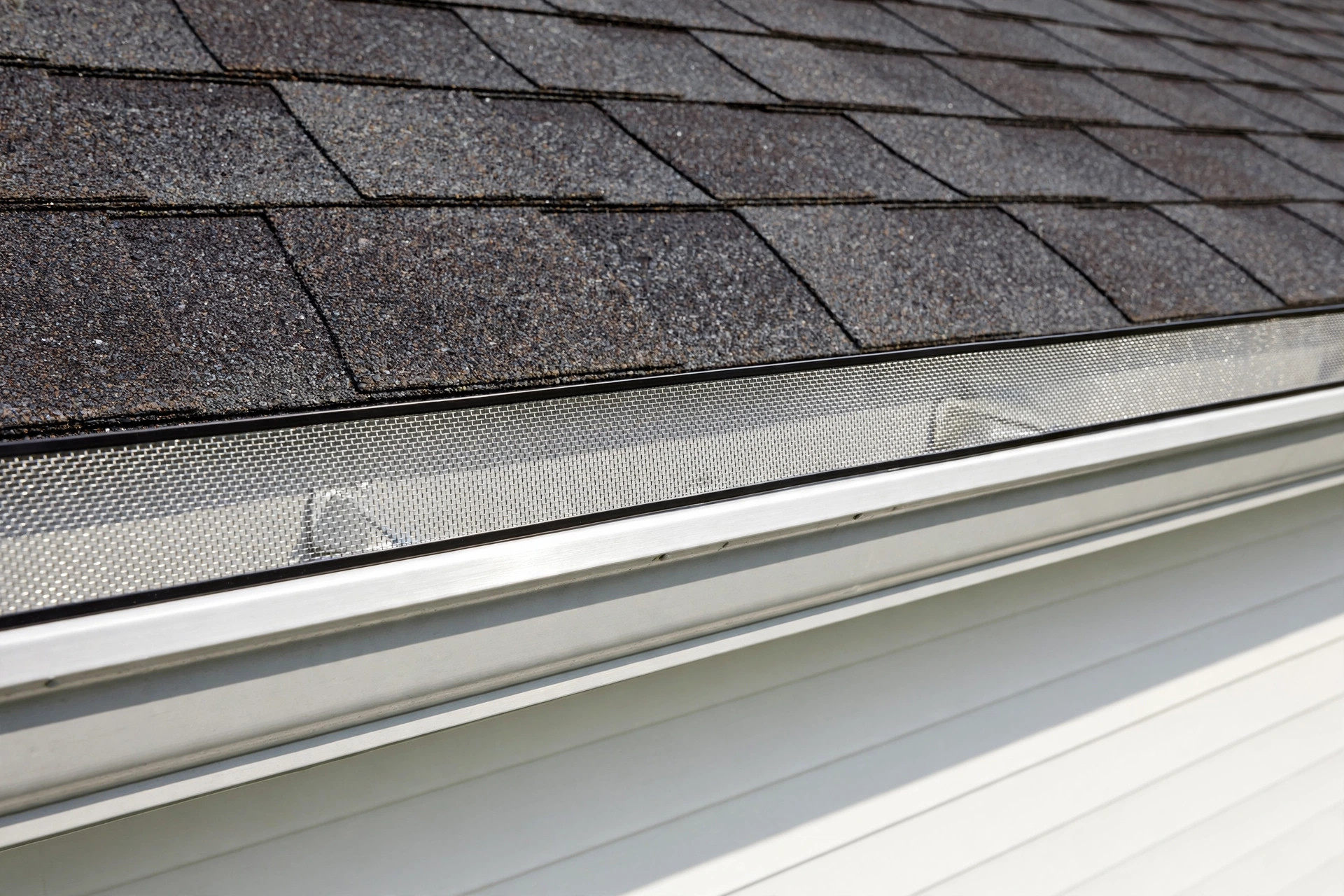
Few home chores cause as much dread as cleaning the gutters. The ladder wobbles. The muck smells. This low maintenance seamless gutter guards buying guide was written for the homeowner who wants a simpler answer. Gutter guards cover the open top of a gutter. They let rain in and keep leaves, twigs, and seeds out. When matched to a seamless gutter system, they cut cleaning from a twice-year task to a quick check every few years.
Seamless gutters deserve a short note first. Most gutters come in ten-foot pieces. Each joint is a weak point where leaks begin. Seamless gutters are cut on site to the full length of the roof edge. There are no joints except at corners and downspouts. Fewer joints mean fewer leaks and a neater look. A guard on seamless gutters gives you a smooth channel and a covered top.
The market is crowded. Mesh screens, surface tension covers, foam inserts, and brush guards all claim to end gutter cleaning for good. Prices run from a few dollars a foot to more than twenty. This guide keeps things plain. It explains how the main types work, what to look for, what they cost, and how to keep them up. Just what you need to choose well.
Why Gutter Guards Matter: Low Maintenance Seamless Gutter Guards Buying Guide
Gutters have one job. They carry rain from the roof to the ground, away from the house. When a gutter clogs, water spills over the edge. It soaks the siding. It pools near the foundation. Over time, wet soil can press against foundation walls and find its way inside. In winter, trapped water freezes into ice dams. The ice pushes under shingles and stains ceilings.
A clogged gutter is also heavy. A single ten-foot section filled with wet leaves can weigh more than a hundred pounds. That load pulls on the screws and fascia board. Gutters sag. Downspouts split. Repairs cost far more than a Saturday of cleaning.
Guards do not remove every chore. They change the nature of the chore. Instead of digging wet debris out of the channel, you brush off the top of the guard once or twice a year. The difference matters most for two groups. First, homes under or near trees. Pine needles, oak leaves, and maple seeds fill open gutters in weeks. Second, homeowners who should not climb a ladder. Each year thousands of Americans are hurt in ladder falls. A good guard system means the ladder stays in the garage.
What to Look for When You Choose
Fit to Your Gutter Size
Most homes in America use five-inch or six-inch K-style gutters. Some older homes use half-round gutters. Measure across the top of your gutter before you buy anything. A guard made for a five-inch gutter will not sit right on a six-inch one. The clip style is easier to fit and less likely to disturb shingles.
Debris Type in Your Yard
Match the guard to your trees. Large leaves are easy to block. Nearly any screen will do. Pine needles are another matter. They slide through large holes and lie flat in the channel. A fine micro-mesh screen works best for needles and seeds. If your yard has sweet gum balls or oak tassels, look for a guard with a raised or domed shape. The dome lets small debris roll off in wind and rain.
Water Flow Rating
Heavy rain tests every guard. Surface tension guards curve water over a nose into the gutter while leaves fall off the edge. They work well in moderate rain. In a cloudburst, some water can shoot past the curve and overshoot the gutter. Mesh guards let water fall straight through the holes. They handle heavy rain better but can clog with fine grit over time. Ask about gallons per minute per foot if you live in a storm belt. A guide from The Spruce explains how to match gutter capacity to roof size.
Material and Finish
Aluminum guards last the longest. They resist rust and match aluminum gutters. Stainless steel micro-mesh is strong but costs more. Plastic and vinyl guards are cheap. They become brittle in sun and cold. They crack after a few seasons. Galvanized steel sits in the middle. It is strong but can rust at cut edges. For low maintenance, pick aluminum or stainless steel. Painted finishes should match the gutter color so the system looks clean from the street.
How It Attaches
The best guards need no screws through the shingles. Screw-through designs can void a roof warranty. Look for guards that clip to the gutter lip or slide under the shingles without nails. Ask the installer what holds it down. Wind can peel up a loose guard.
Warranty
Read the warranty with care. Many makers promise twenty years or a lifetime. Check what is covered. Some cover only the guard material, not the gutter or the home. Some void coverage if the home has certain tree types. Keep your receipt and the product name. You may need them if you move and pass the warranty to the next owner.
Types of Gutter Guards
Micro-Mesh Screens
Micro-mesh is the most popular choice for low maintenance. A fine stainless steel or aluminum mesh blocks everything but water. Holes are smaller than fifty microns in some models. Even shingle grit stays out. The mesh sits on a frame that snaps into the gutter. Rain falls straight through. Leaves sit on top and dry out. Wind blows them away. The main drawback is pollen film. In some regions, a thin film builds on the mesh after several years. A garden hose washes it off.
Surface Tension Covers
These are the classic nose-forward designs. A curved solid panel covers the gutter. Rain clings to the curve by surface tension and flows into the slot. Leaves and twigs ride over the nose and fall to the ground. They handle large leaves very well. They need some roof pitch to work right. They are visible from the ground, so color match matters.
Perforated Metal Screens
Simple and sturdy. A sheet of aluminum with punched holes drops into the gutter. It blocks large leaves and costs less than micro-mesh. Pine needles pass through some models. These are a good pick for yards with a few large trees and a tight budget.
Foam Inserts
Foam guards are wedges of porous filter foam that fill the gutter. Water soaks through. Leaves stay on top. They are the cheapest option and the easiest to install. Over time, foam breaks down in sun and heat. Seeds can sprout in the foam. Most experts rate them as short-term fixes rather than true low maintenance products. Lowe’s lists the main insert styles side by side.
Brush Guards
Brush guards look like long bottle brushes that sit inside the gutter. Water flows through the bristles while leaves rest on top. They are cheap but need frequent attention because debris tangles in the bristles.
Reverse Curve and Helmet Styles
Helmet-style covers cap the whole gutter with a rounded top. Water rounds the lip and enters from the back. These are sold mostly by pro installers. They cost the most. They handle big leaf loads well. Some models can be damaged by heavy ice. Ask for local references before you sign.
Cost and Price
Prices vary by type and by who installs them. Here are plain ranges in dollars per linear foot.
– Basic screens, do-it-yourself: $1 to $4 per foot – Perforated metal screens: $2 to $5 per foot – Foam inserts: $2 to $4 per foot – Brush guards: $3 to $6 per foot – Micro-mesh, do-it-yourself kits: $4 to $8 per foot – Micro-mesh, professionally installed: $8 to $15 per foot – Surface tension covers, installed: $10 to $20 per foot – Helmet systems, installed: $15 to $30 per foot
A typical American home has 150 to 200 linear feet of gutter. Do the math before you shop. A do-it-yourself mesh job may run $600 to $1,600 in materials. A full pro job can run $2,000 to $4,000. Get at least three written quotes for pro work. Ask each bidder the same questions. What product is it? How does it attach? What is the warranty in years? Is the warranty transferable? Home Depot and local supply yards both post per-foot prices online so you can check a quote against retail.
Think in total cost, not just purchase price. A cheap screen that needs re-seating every spring costs time. A pro system with a strong warranty may pay for itself in avoided cleanings and repairs. Also check your home insurance. Some insurers like to see gutter protection in fire country, where dry leaves in gutters are a fire risk.
Care and Upkeep
Low maintenance is not no maintenance. Plan on two simple tasks a year.
In spring, walk the house with a garden hose. Spray water at the guards from the ground. Watch each downspout. Water should flow strong and clear. If one trickles, the guard above it may have a film or a stuck leaf. A soft brush on an extension pole clears it.
In fall, after the last leaves drop, repeat the check. Sweep the tops of the guards with a broom or leaf blower. While you are at it, look for gaps. Guards shift in high wind. A shifted guard leaves an open lane where leaves pour in. Push it back into place.
Every three to five years, take a closer look. Stand on a stable ladder with a helper holding it. Lift a section of guard. Check the channel for fine silt. Flush it with the hose. Check the screws and brackets that hold the gutter to the house. Tighten what is loose. This is also the time to reseal corners if you see drips.
If you hired a pro installer, read the care rules in your warranty. Some require a documented annual inspection to keep coverage. Keep notes with dates. A simple notebook works.
Safety
Never work from the top rung of a ladder. Keep your body centered between the rails. Place the ladder on firm, level ground. Use a ladder stabilizer that rests against the roof, not the gutter. A stabilizer spreads the load and stops dents.
Wear thick gloves. Gutter metal edges are sharp. Old debris can hold mold. A dust mask helps on dry days. Eye protection is smart when you brush debris loose.
Turn off any power to nearby fixtures before you work. Floodlights and outlets near the roof line mix badly with a hose. If power lines run near your roof, stay well clear. Call a pro rather than reaching near them.
Do not walk on the roof to clean guards unless you know the roof is safe. Wet shingles are slick. Steep roofs are worse. Many falls happen on short trips that felt routine. A leaf blower with a gutter-cleaning attachment reaches from the ground. It is slower but far safer. Safety advice from Family Handyman covers ladder angles and footing in more detail.
Ice is a special case. Never chip ice out of gutters. You will dent the metal and may pull the gutter off the house. Let ice melt on its own. If ice dams repeat each winter, the real fix is attic insulation and air sealing, not guard work.
Frequently Asked Questions
Do gutter guards really mean I never clean the gutters?
No. They mean you clean far less and the job is far easier. Leaves stay out of the channel. You brush the guard tops once or twice a year. Silt and pollen film still build slowly. Plan a quick hose check each spring and fall.
Which guard type is best for pine needles?
Fine micro-mesh. Needles are thin and stiff. They slip through the holes in basic screens and lodge in foam. Micro-mesh with a raised frame keeps them on top where wind can clear them. Make sure the mesh is stainless steel, not plain fiberglass, so it lasts.
Can I install gutter guards myself?
Yes, for most snap-in and drop-in types. Measure your gutter width first. Work in dry weather. Buy ten percent more than your measured length to cover mistakes. Skip the roof-screw types unless you are sure about your roof warranty. For helmet and pro-only systems, hire a licensed installer. Bad installs void warranties and can damage shingles.
Will gutter guards work on seamless gutters?
They work very well. Seamless gutters give the guard a smooth, straight channel. The guard sits flat with fewer gaps. Measure the inside width at the top. Most seamless gutters are five or six inches. Buy the matching width.
How long do gutter guards last?
It depends on material. Aluminum micro-mesh often lasts fifteen to twenty years. Stainless mesh lasts longer still. Plastic screens may last three to five years in hot sun. Foam inserts last two to four years. Keep your receipt. Warranties matter most on the expensive systems.
Do guards stop ice dams?
No. Ice dams come from heat loss through the roof, not from leaves. Guards do not cause dams, but they do not prevent them either. The fix for ice dams is attic insulation, sealing air leaks, and good soffit-to-ridge ventilation.
A Short Final Word
Gutters are easy to forget until they fail. A guard system suited to your trees, your roof, and your budget turns a dreaded chore into a quick check. Start by measuring. Match the guard to your debris. Choose metal over plastic when you can. Keep the warranty papers. Then let the rain do the work it was meant to do while you stay off the ladder.
For other parts of the home that affect how gutters perform, you may find these guides useful: roofing and gutter decisions, exterior lighting that shows off a clean roofline, and porch railings that finish the front of the house.
For more background, see Bob Vila, James Hardie, and CertainTeed. See This Old House for more detail.
References
Bob Vila. (n.d.). Home improvement advice. https://www.bobvila.com CertainTeed. (n.d.). Building materials and exterior products. https://www.certainteed.com Family Handyman. (n.d.). DIY home repair and maintenance. https://www.familyhandyman.com James Hardie. (n.d.). Fiber cement siding and exterior products. https://www.jameshardie.com Lowe’s. (n.d.). Home improvement products. https://www.lowes.com The Home Depot. (n.d.). Home improvement products. https://www.homedepot.com The Spruce. (n.d.). Home and garden advice. https://www.thespruce.com This Old House. (n.d.). Home renovation guidance. https://www.thisoldhouse.com
Was this guide helpful?

About Robert Taylor
The My Garden US editorial team writes practical, in-depth home and garden guides for American homeowners — tested advice, no fluff.
You May Also Like

Budget Friendly Brick Veneer Siding for Midwest Homes
May 14, 2026 0 views
Top Rated Metal Roofing Installation Reviews: A Homeowner’s Guide
February 21, 2026 0 views
Pergola Installation Kits Price Comparison USA
February 5, 2026 0 views