
Every gardener learns the same hard lesson. Frost comes early. Frost comes late. Seedlings die. Plans fail. When gardeners weigh cold frame vs greenhouse pros cons, they are really asking one plain question: how much shelter should I give my plants, and what is the cheapest way to do it? This guide answers that question in simple terms. It compares cost, ease, and results. By the end, you will know which one suits your yard, your wallet, and your way of gardening.
Why This Choice Matters
A cold frame and a greenhouse both do one job. They trap the heat of the sun and hold it around your plants. That simple job changes everything. It lets you start seeds weeks before the last frost. It lets you keep lettuce and spinach growing after the first frost. It turns a short growing season into a long one.
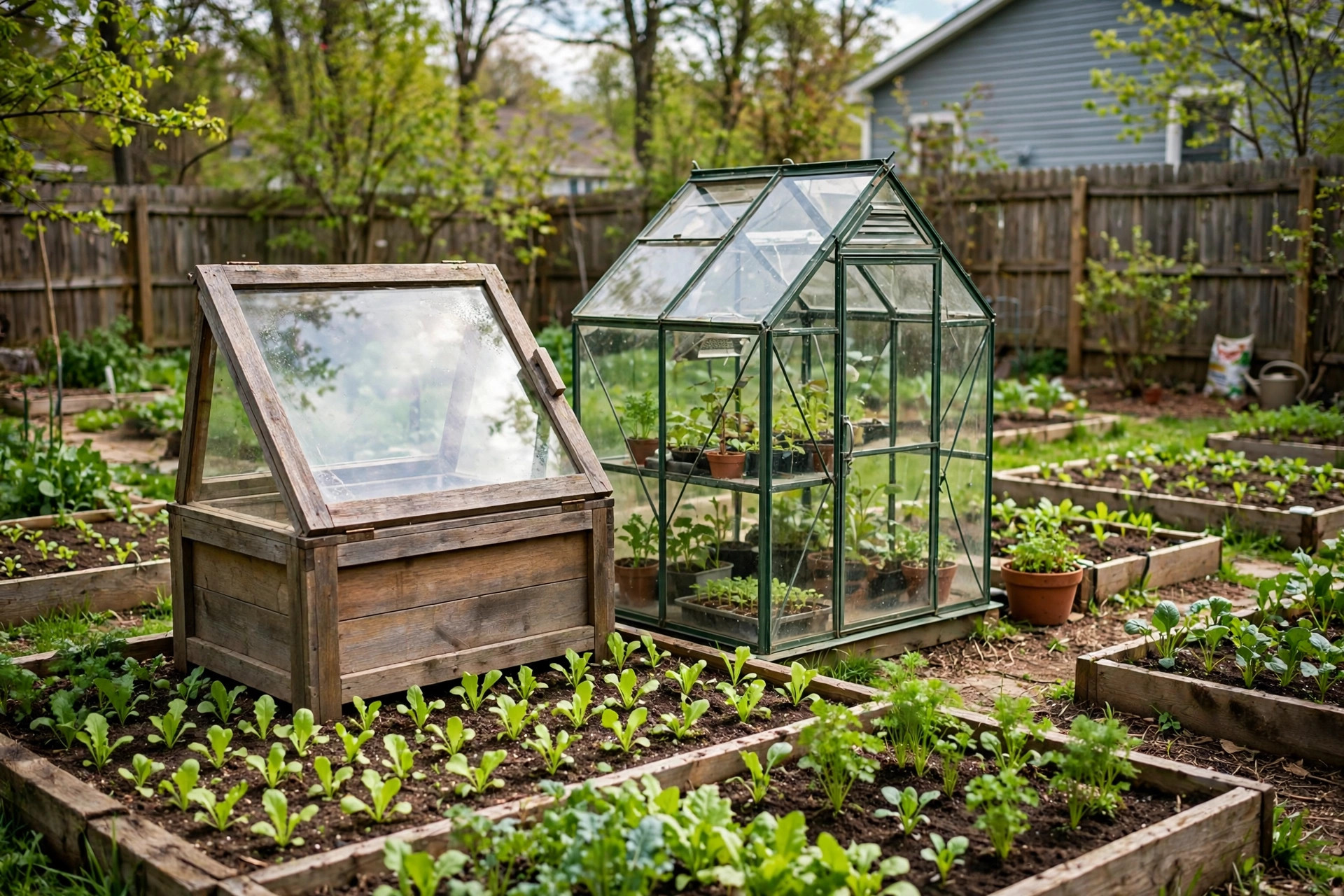
The choice matters because the two shelters are not equal. A cold frame is small, cheap, and simple. It sits low on the ground like a box with a glass lid. A greenhouse is bigger, taller, and warmer. It lets you walk inside and work among your plants. Many beginners waste money here. They buy a greenhouse when a cold frame would do. Or they buy a cold frame and then learn they wanted more room.
Your climate decides a great deal. In a mild zone, a cold frame may carry you through most of the year. In a cold zone with long winters, you may need the extra heat of a greenhouse. Your budget decides even more. A cold frame can cost less than a pair of good pruners. A greenhouse can cost more than a used car. Honest answers to these questions point you to the right shelter.
What a Cold Frame Does Well: Cold Frame vs Greenhouse Pros Cons
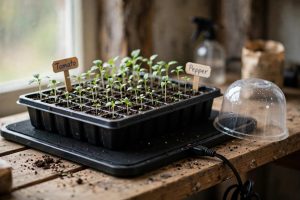
A cold frame is the humblest tool in the garden. It is a box, usually wood or plastic, with a clear lid that opens and closes. It rests directly on the soil or on a raised bed. The sun shines through the lid and warms the air and soil inside.
Cold Frame Pros
The first virtue of a cold frame is cost. You can build one for very little, and guides on how to build a cold frame cheap show how plain lumber and an old window can become a working shelter. Ready-made models are also cheap compared with any greenhouse.
The second virtue is simplicity. A cold frame has no parts to fix. There is no heater, no fan, and no glass panel to replace each year. You lift the lid on warm days. You close it at night. That is the whole job.
The third virtue is size. A cold frame takes up little room. It fits on a small city plot or beside a back porch. When the season ends, you can pick it up and store it in the garage.
The fourth virtue is its direct link to the soil. The frame sits on real ground, so the roots of your plants enjoy natural soil life and drainage. Hardening off seedlings is easy in a cold frame.
Cold Frame Cons
A cold frame has real limits. It is short. You cannot grow tall tomatoes or beans under a low lid. It is small. You can start flats of seedlings or keep a few rows of greens, but you cannot hold a whole season of plants.
Heat control is crude. On a sunny spring day, the inside of a closed cold frame can soar to damaging heat in one hour. Forget to prop the lid open, and you can cook your seedlings. At night, the protection is thin. In a hard freeze, a cold frame alone may not save tender plants.
Watering is another chore. Rain does not fall inside a closed lid, so the gardener must water by hand. And the low lid means bending and reaching, which some older gardeners find hard.
What a Greenhouse Does Well
A greenhouse is a small building made of clear walls and a clear roof. Some are the size of a closet. Others are as big as a garage. Inside, you stand upright and work at bench height. The sun warms the whole room.
Greenhouse Pros
The first virtue of a greenhouse is space. You can grow full-size plants from seed to harvest under one roof. You can keep tender plants alive through winter. A greenhouse for backyard beginners guide shows how even a small model opens up year-round growing.
The second virtue is control. A greenhouse gives you real power over heat, air, and water. Vents let hot air escape. Fans move air around the leaves. Heaters hold the night temperature steady.
The third virtue is comfort for the gardener. You stand, not kneel. You work at a bench, not on cold ground. For people with sore backs or stiff knees, this matters more than any other point.
The fourth virtue is season length. With even a small heater, a greenhouse can add months to each end of the season.
Greenhouse Cons
The first fault of a greenhouse is price. Even a small kit costs many times what a cold frame costs. Larger models need a firm base, which adds labor and expense. When gardeners weigh cold frame vs greenhouse pros cons, the price gap is often the whole story.
The second fault is upkeep. Glass breaks. Plastic panels yellow with age and need replacing. Heaters need power. Fans need cleaning. A greenhouse is a small building, and small buildings need care.
The third fault is heat in summer. A greenhouse that is perfect in March can become an oven in July. Without shade cloth and open vents, plants will fail. The gardener must watch the thermometer daily.
The fourth fault is pests. Aphids and whiteflies love the warm, still air of a greenhouse. Once they settle in, they spread fast among close plants. Good air flow and regular checks keep them down, but the work never quite ends.
Cold Frame vs Greenhouse Pros Cons, Side by Side
| Point | Cold Frame | Greenhouse | |—|—|—| | Price | Low | High | | Size | Small, one bed | Large, walk-in | | Ease of use | Very simple | Needs daily watch | | Heat control | Crude | Good, with vents and heat | | Winter growing | Hardy greens only | Wide range, with heat | | Summer use | Lid off, works as bed | Needs shade and vents | | Maintenance | Almost none | Regular | | Best for | Seed starting, hardy crops | Year-round growing, tender plants |
This table tells the short version of the cold frame vs greenhouse pros cons story. Mark which side fits your life. If most marks fall on the left, buy or build a cold frame. If most fall on the right, save for a greenhouse.
How to Choose Between Them
Start with your garden, not the catalog. Measure the space you have. A cold frame needs about as much room as a door laid flat. A greenhouse needs a level patch the size of a small shed, plus room to walk around it. Many small yards simply cannot hold a greenhouse.
Next, count your dollars. A homemade cold frame may cost less than one bag of good seed-starting mix. A store-bought cold frame costs about as much as a modest hand tool set. A small greenhouse kit starts at many times that price, and the base, heater, and benches add more. Retailers such as Lowe’s and The Home Depot carry both kits and parts, so you can price a full setup before you commit.
Then think about your climate. In zones with mild winters, a cold frame may be all you ever need. Lettuce, spinach, kale, and carrots will grow through winter under a simple frame, and cold frame for winter gardening reviews show how well hardy crops do with so little shelter. In zones with deep, long freezes, a cold frame buys you a few extra weeks, not a whole winter. If year-round harvests matter to you, a greenhouse with a small heater is the honest answer.
Consider what you want to grow. Seed starting and spring transplants are perfect cold frame work. So are fall greens. But if you dream of ripe tomatoes in April or orchids in January, only a greenhouse will do. Be honest about your real plans, not your daydreams.
Finally, weigh your time. A cold frame asks for a minute each morning and a minute each evening. A greenhouse asks for real daily care in the shoulder seasons: vents opened and shut, heat watched, pests checked. Both beat a bare garden, but only one fits a busy life.
Cost and Price
Cold frames win the price battle at every level. A homemade frame from scrap wood and a discarded window costs almost nothing. A new cedar or plastic cold frame, from sellers such as Gardener’s Supply, costs about the same as a quality hand tool. There is no heater to buy and no power bill to pay.
Greenhouses cost real money. A small hobby kit, big enough to step into, costs several hundred dollars at least. Larger kits run into the thousands. The base or foundation adds cost, whether you pour concrete or lay block. Benches, shelves, a small heater, and a thermometer add more. Retailers such as Lowe’s and The Home Depot carry both kits and parts, so you can price a full setup before you commit.
Running costs also differ. A cold frame costs nothing to run. A heated greenhouse adds to the power bill all winter. Even an unheated greenhouse may need a small fan in spring.
The wise path for many is the middle one. Start with a cold frame. Learn the rhythms of the season. If you outgrow it in two or three years, sell or gift the frame and buy a greenhouse. The lessons you learn under the cheap lid will make the costly glass pay off faster.
Care and Upkeep
A cold frame asks for little. Each spring, check the lid hinges and the seal around the frame. Wash the clear lid with mild soap and water so sunlight passes through freely. A dirty lid can cut light by a surprising amount. In fall, clear out dead leaves and spent plants so disease has nowhere to hide. That is the whole yearly routine.
A greenhouse asks for more. Wash the panels each spring and fall for full light. Check vents and louvers to make sure they open and close freely. A stuck vent on a hot day can ruin a crop. Inspect the frame for rust or rot, and touch up paint or sealant as needed. Clean benches and pots before each new crop. Empty the gutters if your model has them.
Both shelters need the same soil care. Do not grow the same crop in the same soil year after year. Rotate crops or change the soil in beds and pots. Good soil, rich with compost, grows strong plants in any shelter. Tool care matters too. Sharp, clean tools spread less disease, and makers such as Fiskars and Corona Tools publish plain care guides for hand tools that last decades when kept clean and oiled.
Safety
Both shelters are safe when used with care, but each has its hazards. Glass lids and panels can break. Choose tempered glass or strong polycarbonate where children play nearby. Keep broken pieces picked up at once. Old painted wood may hold lead paint, so use new, plain lumber for any frame you build yourself.
Heat is the quiet danger. A closed cold frame on a sunny day can reach temperatures that harm plants in under an hour. A greenhouse left shut in May can do the same. Make venting a daily habit, not an afterthought. Automatic vent openers, which lift the lid as the air warms, are worth their price for gardeners who work away from home.
Any heater used in a greenhouse must be made for the job. Never use an open flame or an indoor heater in a closed space. Keep heaters clear of wood, plastic, and dry leaves. A simple thermometer hung at plant height, checked each morning, tells you what the night really did.
Chemical safety counts as well. Read every label on fertilizers and sprays. Store them locked away from children and pets. Wash your hands after handling soil and chemicals alike. Seed houses such as Burpee print safe growing temperatures on their seed packets, and those numbers guide both frame and greenhouse growers.
Frequently Asked Questions
Can I use a cold frame and a greenhouse together? Yes, and many good gardeners do. Use the greenhouse for tender plants and early seed starting. Use the cold frame to harden off seedlings before they move to the open garden. The two shelters work as a team, each doing what it does best.
Which one is better for a complete beginner? A cold frame. It is cheap, simple, and forgiving. You will learn how sun, heat, and air move through a shelter without risking much money. Independent testers at Consumer Reports often advise new buyers to start with the simplest tool that does the job.
How much earlier can I plant with a cold frame? In most zones, a cold frame lets you sow hardy crops two to four weeks before the usual outdoor date. Tender crops like tomatoes still need warm nights, so wait until the soil warms. A soil thermometer takes the guesswork out of the decision.
Do greenhouses need a permit? It depends on your town. Small hobby greenhouses often need no permit, but larger ones sometimes do, especially with a poured foundation or wired power. Call your local building office before you buy.
Can a cold frame stay out all winter? Yes, if it is built of weatherproof wood or sturdy plastic. Snow actually helps by insulating the lid. Brush heavy snow off so the lid does not crack under the weight. Hardy greens under a snow-covered frame often survive the coldest months.
Is a greenhouse worth it in a warm climate? Often not for winter, since winter is already mild. But a greenhouse with shade cloth can give you a cool, bug-free space for seed starting in spring and fall. Practical project guides at Bob Vila lay out these trade-offs in plain terms.
A Final Word
The cold frame vs greenhouse pros cons debate has no single winner. It has a right answer for each gardener. The cold frame is the wise first step: cheap, simple, and honest. It teaches you the seasons and rewards care with early greens and strong seedlings. The greenhouse is the bigger promise: room to grow, real control, and harvests through the cold months, at a real price and with real work.
Choose the shelter that fits the garden you have, the money you can spend, and the time you will give. Start small if you are unsure. A season under a simple lid will teach you more than a year of reading. Guides at The Spruce echo the same advice: begin with the simplest shelter, then grow. The plants do not care which shelter you choose. They care that someone opens the lid on a warm morning and closes it on a cold night.
References
Bob Vila. (n.d.). Home improvement advice. https://www.bobvila.com Burpee. (n.d.). Seeds, plants, and gardening supplies. https://www.burpee.com Consumer Reports. (n.d.). Product reviews and ratings. https://www.consumerreports.org Corona Tools. (n.d.). Garden and landscape tools. https://www.corona-tools.com Fiskars. (n.d.). Garden and cutting tools. https://www.fiskars.com Gardener’s Supply Company. (n.d.). Gardening tools and supplies. https://www.gardeners.com Lowe’s. (n.d.). Home improvement products. https://www.lowes.com The Home Depot. (n.d.). Home improvement products. https://www.homedepot.com The Spruce. (n.d.). Home and garden advice. https://www.thespruce.com
Was this guide helpful?

About Lisa Anderson
The My Garden US editorial team writes practical, in-depth home and garden guides for American homeowners — tested advice, no fluff.
You May Also Like
Seed Packet Organizer for Gardeners: A Simple Way to Keep Every Packet in Order
May 26, 2026 0 views
How to Clean Rusty Garden Tools: A Step-by-Step Guide
March 18, 2026 0 views
The Best Garden Dibber for Seed Planting: A Practical Guide
February 13, 2026 0 views