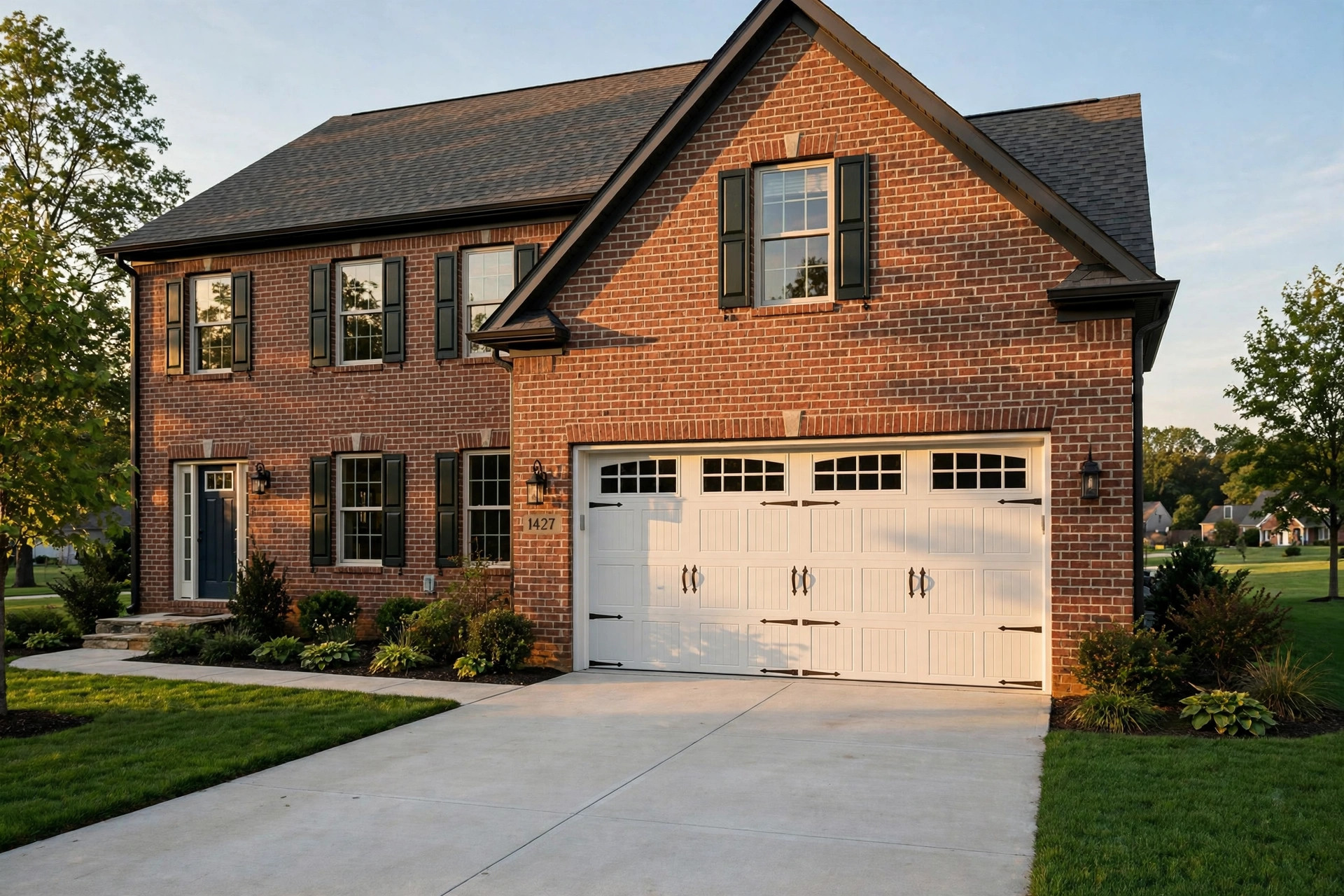

A garage door takes up a large part of your home’s front view. It also works harder than almost any other part of the house. Most doors open and close more than a thousand times a year. When an old door starts to sag, rust, or make loud noises, many owners turn to top rated garage door replacement reviews for help. These reviews sort the strong, quiet, well-built doors from the weak ones.
This guide reads like a plain talk over the fence. It covers what the best reviews measure, which door types score highest, what you can expect to pay, and how to keep a new door running for years. No sales talk. Just facts you can use.
Why Garage Door Reviews Matter
A new garage door is not a small buy. It is one of the few home projects that pays back in three ways at once: daily use, energy savings, and curb appeal. Reviews matter because door makers use words that sound alike. One brand’s “premium” panel is another brand’s middle grade. Honest, top rated garage door replacement reviews cut through the labels by testing the same things on every door.
Most trusted reviews grade five items. First, panel strength: how well the door resists dents from balls, bikes, and hail. Second, insulation value, called R-value: how well the door keeps heat and cold out of the garage. Third, noise: how loud the door is when it runs on its tracks. Fourth, hardware quality: the springs, rollers, hinges, and opener parts that take the daily wear. Fifth, warranty: how long the maker stands behind the door.
Reading several reviews side by side shows clear patterns. Steel doors with thick insulation win for value. Wood doors win for looks but need more care. Carriage-house styles lead in popularity with new buyers. When you read top rated garage door replacement reviews, look for testers who bought the doors themselves and ran them for months. Those field tests tell you more than a showroom brochure ever will.
What to Look for When You Choose: Top Rated Garage Door Replacement Reviews
Panel Material
The panel is the part you see from the street, and it takes the weather. Steel is the most common choice in American homes. It costs less than wood, holds paint well, and stands up to rain and sun. Look for 24-gauge or 25-gauge steel. Lower gauge numbers mean thicker metal.
Wood gives a warm, classic look that fits older homes and craftsman styles. It costs more and needs paint or stain every few years. If you skip the upkeep, wood can warp and rot.
Aluminum and glass doors suit modern homes. They are light and rust-proof, but they dent more easily than steel. Composite and fiberglass doors split the difference: they look like wood but need far less care.
Insulation and R-Value
An insulated door keeps the garage warmer in winter and cooler in summer. That matters if you have a bedroom above the garage or a laundry room inside it. The R-value tells you how much heat the door blocks. A single-layer door may rate R-0 to R-4. Double-layer doors with polystyrene reach R-6 to R-9. Triple-layer doors with polyurethane foam reach R-12 to R-18 or higher.
Top rated garage door replacement reviews almost always praise polyurethane insulation. It bonds to the steel skin, which makes the panel stiffer and quieter. If your garage connects to the house, spend the extra money here. The reviews show it pays off in comfort and lower energy bills.
Hardware, Springs, and Rollers
The springs do the real lifting. Torsion springs, mounted on a shaft above the door, last longer and run smoother than extension springs on the sides. A good torsion spring lasts about 10,000 cycles, which is roughly seven to ten years of normal use. Reviews often flag cheap extension springs as a weak point on low-cost doors.
Rollers matter for noise. Steel rollers rattle. Nylon rollers run quiet. Many reviewers call nylon rollers the best cheap upgrade you can buy. Also check the hinges and tracks. Heavier gauge tracks keep the door moving straight and true.
Types and Options
Most reviews test the same short list of door styles.
Raised-panel steel doors are the plain workhorses. They come in short or long panels and take paint well. Prices stay low. Ratings stay high.
Carriage-house doors look like old swing-out barn doors but roll up like normal. They lead in style points in most top rated garage door replacement reviews from the last decade. Many are steel with fake wood-grain texture.
Modern flush doors have flat panels with clean lines. They fit new builds and remodeled homes with a simple look.
Wood doors come in cedar, redwood, and other species. They rate high for beauty and low for low care.
Full-view aluminum and glass doors bring light into the garage. They suit workshops and modern homes.
When you compare styles, also think about the rest of the front of the house. A new door should match the trim, the siding, and the roof. Homeowners often plan these jobs together, which is why many readers also check price guides like our asphalt shingle roofing price comparison before they start.
Cost and Price
Prices vary by size, material, insulation, and where you live. A basic single-car steel door, uninsulated, can cost $800 to $1,500 installed. A double-car insulated steel door runs $1,500 to $3,000 installed. Carriage-house and wood doors range from $2,500 to $6,000 or more. Full-view glass doors often top $5,000.
Labor usually adds $300 to $800 to the job. Removing and hauling away the old door can add $100 to $200. A new opener adds $300 to $600 installed, with belt-drive models costing more than chain-drive.
Reviews often point out the same money tip: do not buy on door price alone. A cheap door with thin panels and weak springs may need repairs that wipe out the savings. A mid-range insulated door with good hardware costs more up front and less over ten years.
If you are fixing up the whole exterior, compare costs across projects. Our budget friendly metal siding guide helps owners weigh siding against other big-ticket work like doors and windows.
Care and Upkeep
A new door needs little care, but it needs some. Wash the panels once a year with mild soap and water. Keep the bottom seal clean so it seals tight against the floor. Oil the rollers, hinges, and springs once a year with a spray made for garage doors. Do not use heavy grease, which collects dust.
Test the balance twice a year. Pull the release cord and lift the door by hand to the halfway point. It should stay in place. If it falls or shoots up, call a repair tech. Springs store strong force and can hurt you.
Tighten loose bolts on the tracks and brackets. Check the weather seal around the frame for gaps. Replace cracked seal strips before winter. Most reviews note that doors with polyurethane insulation keep their shape longer and need fewer track adjustments over the years.
Painted steel doors may need a fresh coat every ten years, more often in strong sun. Touch up small scratches right away so rust cannot start. Keep leaves and dirt out of the bottom track channel. A clean track lets the rollers glide and keeps the opener motor from working too hard. If the door starts to run rough after years of smooth service, worn rollers are the most likely cause. Swapping in nylon rollers is a small job with a big payoff in quiet.
Safety
Garage doors are heavy. A double door can weigh 300 pounds or more. The safety rules are simple and old, and they still save fingers and lives.
Keep the auto-reverse feature working. Since 1993, federal law has required openers to reverse when they hit something. Test it monthly by placing a roll of paper towels under the door. The door should touch it and reverse. Photo-eye sensors near the floor should stop a closing door when a hand passes through the beam. If either test fails, stop using the opener until it is fixed. The safety pages at the U.S. Consumer Product Safety Commission explain these rules in plain terms.
Never let children play with the remote or the wall button. Mount the wall control at least five feet off the floor. Keep fingers away from the sections, hinges, and springs while the door moves.
Never try to adjust or replace torsion springs yourself. They hold enough stored force to cause grave injury. This is a job for a trained tech with the right bars and tools. Guides at Family Handyman and This Old House both stress this warning in their garage door projects.
FAQ
How long does a garage door last? Most steel doors last 15 to 30 years with basic care. Springs last about 10,000 cycles, or seven to ten years. Openers last 10 to 15 years. Wood doors last as long as you keep up the paint and stain.
Should I replace the door and the opener together? If the opener is more than ten years old, yes. A new door runs smoother and quieter on a new belt-drive opener. Installers often give a better price when both go in at once.
What is the quietest type of garage door? Reviews name the same winner: a triple-layer insulated steel door with nylon rollers and a belt-drive opener. The foam core damps vibration, and the nylon and belt cut the rattle.
Can I install a garage door myself? Some handy owners do, and kit makers like the ones sold at Lowe’s and Home Depot include full instructions. But the spring work is risky. Many owners hire a pro for the springs and do the rest themselves.
Does a new garage door raise home value? Year after year, remodeling cost surveys rank garage door replacement near the top for payback at resale. Buyers notice the front of the house first. A clean, modern door lifts the whole look. Pairing it with fresh siding, as covered in our insulated vinyl siding price comparison, can transform curb appeal in one project.
How do I know the reviews I read are honest? Trust reviews that name the test methods, show the doors in real homes, and list both strengths and faults. Consumer Reports and Bob Vila publish their testing steps. Be wary of sites that praise every door and link only to one seller.
A Final Word
Top rated garage door replacement reviews all point to the same simple advice. Buy a door with thick steel, real insulation, and strong springs. Spend a little more on nylon rollers and a belt-drive opener for quiet running. Match the style to your home. Keep up the small yearly tasks. Do that, and your door will open and close without fuss for twenty years or more.
For step-by-step project help, the how-to libraries at The Spruce and Family Handyman are solid next stops. Brand and product details live at makers like James Hardie and CertainTeed, whose exterior product lines sit beside the doors in many whole-home remodels.
References
Bob Vila. (n.d.). Home improvement advice. https://www.bobvila.com CertainTeed. (n.d.). Building materials and exterior products. https://www.certainteed.com Consumer Reports. (n.d.). Product reviews and ratings. https://www.consumerreports.org Family Handyman. (n.d.). DIY home repair and maintenance. https://www.familyhandyman.com James Hardie. (n.d.). Fiber cement siding and exterior products. https://www.jameshardie.com Lowe’s. (n.d.). Home improvement products. https://www.lowes.com The Home Depot. (n.d.). Home improvement products. https://www.homedepot.com The Spruce. (n.d.). Home and garden advice. https://www.thespruce.com This Old House. (n.d.). Home renovation guidance. https://www.thisoldhouse.com U.S. Consumer Product Safety Commission. (n.d.). Product safety information. https://www.cpsc.gov
Was this guide helpful?

About James Carter
The My Garden US editorial team writes practical, in-depth home and garden guides for American homeowners — tested advice, no fluff.
You May Also Like

Energy Efficient Home Exterior Design Services for Homeowners: A Complete Guide
August 3, 2026 0 views
Best Asphalt Driveway Sealing Near Me: A Homeowner’s Guide
May 18, 2026 0 views
Top Rated Brick Veneer Siding for Texas Homes
January 17, 2026 0 views