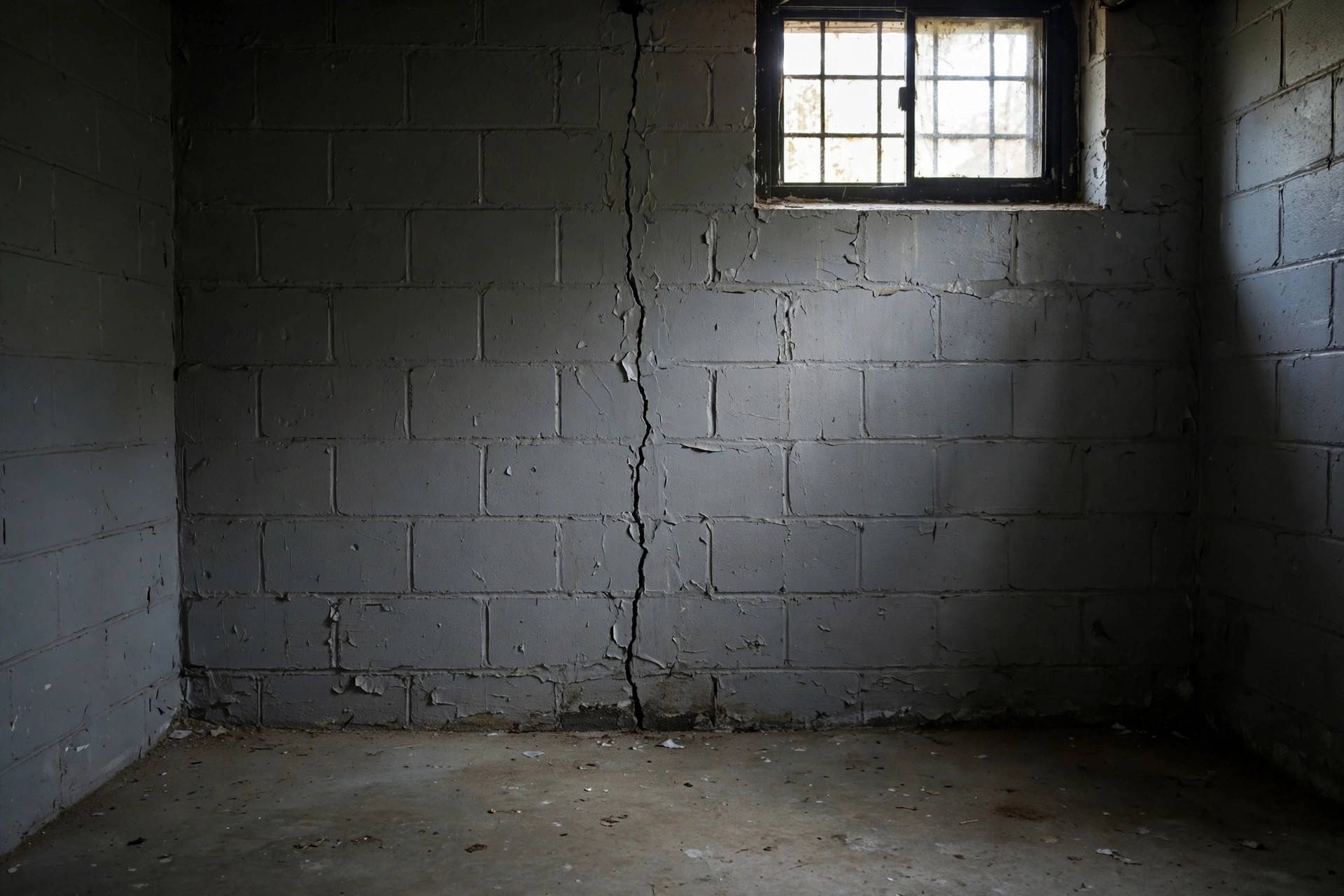
A crack in the foundation wall is a sight no homeowner enjoys. It may start as a thin line in the basement concrete, or as a small stair-step crack in the block wall of the crawl space. The first question is always the same: who does the best foundation crack repair near me, and will I be paying too much? This guide answers that question in plain language. It covers why cracks happen, which ones are serious, the main repair methods, typical costs, how to choose a contractor, and how to keep cracks from coming back.
Why Foundation Cracks Matter
The foundation carries the full weight of the house. It also holds back the soil around the basement or crawl space. A crack in that wall is a weak point. Water is the first problem. Even a hairline crack can let water in during a hard rain. Water in the basement stains the wall, lifts paint, and can lead to mold growth. A crack can also grow over time, since soil pressure, freezing and thawing, and the natural settling of the house all push on the wall year after year.
Not every crack is a sign of danger. Concrete shrinks as it cures, and most new foundations develop small shrinkage cracks within the first year. These thin, straight, vertical cracks are common and easy to fix. Cracks that widen, run across the wall, or follow a stair-step pattern in a block wall deserve more attention. Cracks wider than a pencil eraser, cracks that let in active water, and cracks that return after repair all call for a professional visit.
Catching a crack early saves money. A small crack sealed today may cost a few hundred dollars. A wall that has moved and must be braced can cost thousands.
Common Causes of Foundation Cracks: Best Foundation Crack Repair near Me
Cracks have a small set of usual causes. Knowing them helps you speak with a contractor and judge the advice you get.
Shrinkage. Fresh concrete loses water as it cures and shrinks. This creates thin vertical cracks, often in the middle of a wall panel. They are the most common and the least serious.
Settling. Soil under the footing is never perfectly even. As the ground compacts under the weight of the house, one part of the foundation drops slightly more than the rest. This creates diagonal or horizontal cracks. Some settling is normal in new homes.
Soil pressure. Heavy clay soils swell when wet and shrink when dry. The swelling pushes against the wall with great force and can open horizontal cracks along the mortar lines.
Freeze and thaw. Water trapped in the soil or in a small crack expands when it freezes. In cold regions this cycle repeats every winter and slowly widens cracks.
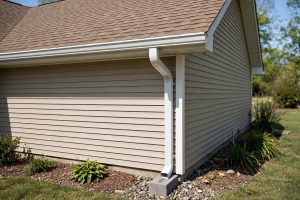
Poor drainage. Downspouts that end near the house, ground that slopes toward the wall, and flower beds piled high against the foundation all soak the soil next to the wall. Wet soil is heavy soil, and heavy soil pushes and leaks.
Tree roots and plumbing. Large roots can lift footings or pull water from the soil unevenly. A leaking water or drain line under the slab can wash out soil and let a section of the floor settle.
A good local contractor will talk about causes before talking about price. The best foundation crack repair near me is not just a patch. It is a repair that fits the cause.
How to Judge a Crack Before You Call
You can make a useful first check yourself. Take a photo of the crack and note the date. Measure the width with a ruler or a coin. A crack narrower than a dime, straight, vertical, and dry is usually low on the worry scale. Watch it for a few months and compare it with the photo.
Call a professional sooner if you see any of the following:
– The crack is wider than one quarter of an inch. – Water seeps in, even in light rain. – The crack runs in a horizontal line across the wall. – The crack is wider at one end than the other. – You can fit a finger into the crack. – The wall bulges inward near the crack. – The crack grows between visits. – The crack comes back after a previous repair.
Note which side of the house the crack is on and whether the ground there slopes toward the wall. This detail helps the contractor plan the visit.
Repair Methods a Contractor May Use
A reputable contractor offers one of several proven methods. The right method depends on the crack type, the wall material, and whether water is coming in.
Epoxy Injection
Liquid epoxy is injected into the crack under pressure. It fills the crack from inside to outside and hardens into a rigid bond that can be as strong as the concrete around it. Epoxy is the common fix for dry cracks in poured walls. It does not flex, so it is not the right choice for cracks that still move.
Polyurethane Foam Injection
A foam resin is injected into the crack. It expands and seals the path of water, and it stays slightly flexible, so it tolerates small movement. Contractors often use foam for leaking cracks. It is fast, it works from the inside, and it requires no digging.
Carbon Fiber Straps or Staples
Carbon fiber sheets are glued across a crack to hold the wall together and stop the crack from growing. These systems are used where a wall shows the early signs of inward movement. They are strong, thin, and installed from the inside without heavy equipment.
Steel Wall Braces or Channel Anchors
When a wall is bowing inward, steel I-beams or channel anchors are fitted against the wall and tied to the floor and joists above. These braces stop further movement. In serious cases the wall may be pushed back toward straight over time.
Exterior Waterproofing and Membranes
For cracks that keep leaking, the contractor may dig down to the footing on the outside of the wall. The crack is sealed from the outside, and a waterproof membrane or drainage mat from a building materials maker such as CertainTeed is applied. An exterior drain pipe may be added at the footing. This is the most complete repair but also the most costly, since it involves excavation.
Drainage Correction
Sometimes the best repair is not a repair of the wall at all. Regrading the soil so water runs away from the house, extending downspouts, and installing a sump pump can stop new cracks from forming and end seepage through an old crack. A homeowner comparing options for the best foundation crack repair near me should ask whether a drainage fix is part of the plan. You can read more about pricing in our foundation crack repair cost guide, which breaks down typical prices by repair type.
What the Best Local Contractor Looks Like
Searching for the best foundation crack repair near me turns up many names. A good contractor can be told apart by a few clear signs.
First, look for a company that works on foundations full time, not a general handyman who does cracks on the side. Ask how many cracks the company repairs each month and whether it offers a written warranty. A written warranty of five years or more is common for injection repairs.
Second, watch how the estimate is done. A proper estimate includes an on-site visit, a look at the inside and the outside of the wall, and a check of the grading and downspouts. Beware of any quote given over the phone with no visit. Third, ask for recent local references and check them. Neighbors with the same soil and weather face the same problems, so a contractor with deep local experience is worth more than one with a fancy website.
Fourth, get three written estimates. The bids should describe the method, the materials, the warranty, and the schedule. If one bid is much lower than the others, ask what is left out. Homeowner resources from This Old House offer solid checklists for vetting home repair contractors, and the guides at The Spruce can help you compare methods and materials before the estimate visit.
Red flags are easy to spot. Turn away from a contractor who demands full payment before work starts, who refuses to give references, who says every crack means the house must be lifted, or who pressures you to sign on the spot with a today-only discount.
Cost and Price: What Repairs Usually Run
Prices vary by region, soil, and how far the crew must dig, but the ranges below are typical for the United States in recent years. Independent price surveys published by home guides such as Bob Vila show similar ranges.
– Epoxy or foam injection, single crack: about 300 to 900 dollars. – Multiple cracks injected in one visit: about 1,500 to 3,000 dollars. – Carbon fiber straps: about 500 to 700 dollars per strap, with most jobs using several. – Steel wall braces: about 500 to 1,000 dollars per brace. – Exterior waterproofing with excavation: about 100 to 400 dollars per linear foot, so a single wall can run 5,000 to 15,000 dollars. – Interior drain tile with sump pump: about 5,000 to 12,000 dollars for a full perimeter.
These numbers are guides, not quotes. Access is the great cost driver. A crack behind a finished wall that must be opened up, or a wall buried under a concrete patio, costs more to reach. Ask each bidder to state what is included and what is not, such as drywall repair after the work. If a sloped yard also needs a new retaining wall, see our guide to the best retaining wall builders near me to plan that work.
Homeowners often compare the cost of a crack repair with other concrete work. If your driveway is also failing, see our guide to the best concrete driveway resurfacing near me to learn what that work costs and whether it makes sense to schedule both jobs together.
Keeping Cracks From Coming Back
A repair holds best when the soil around the house is kept dry and stable. Walk around the house once or twice a year and look for risk signs.
Keep the ground sloping away from the foundation for at least six feet. The slope should drop about six inches in the first ten feet. Where soil has settled into a low spot against the wall, add fill dirt, not mulch. Downspouts should end at least five feet from the house, and splash blocks or buried extensions work better than short elbows.
Watch where you plant. Large shrubs and trees within ten feet of the wall can drink unevenly from the soil and press roots against the foundation. In dry spells, water the soil around the foundation evenly so clay soil does not shrink away from the wall. Check the basement after every heavy rain for the first year after a repair. A little dampness at the base of a wall is a warning. A steady trickle is a call back to the contractor while the warranty is fresh.
Safety Notes for Homeowners
Foundation cracks are not usually an emergency, but they deserve respect. Never ignore a crack that is actively leaking during every rain, a wall that bulges, or a floor that has dropped or heaved. These can be signs of real structural movement.
Do not try to brace or jack up a wall yourself. Straightening a wall with jacks or beams is heavy, dangerous work and can crack plumbing, tilt the framing above, or collapse a wall if done wrong. Leave that to a licensed contractor with proper insurance.
If you patch a small crack yourself with a concrete patch product from a home center, treat it as a seal against water, not a structural fix. Hardware retailers like Home Depot and Lowe’s carry crack injection kits for do-it-yourself use, and the how-to articles at Family Handyman show each step for small, non-structural cracks. Stop and call a pro if the crack is wide, growing, or structural.
Frequently Asked Questions
How fast can a foundation crack be repaired?
Most injection repairs take half a day. A single crack is often sealed in two to four hours. Exterior digging jobs take longer, usually two to five days depending on depth and weather.
Does homeowner insurance cover foundation crack repair?
In most cases, no. Standard policies cover sudden damage, such as a burst pipe or a falling tree, but not slow settling, shrinkage, or soil movement. Read your policy and call your agent before assuming.
Will the crack come back after repair?
A proper repair of a stable crack should last for the life of the house. Cracks return when the cause was not fixed, such as soil pressure from poor drainage, or when a rigid patch was used on a crack that still moves.
Can I sell a house that has a foundation crack?
Yes. Disclose the crack and the repair honestly. A documented professional repair with a transferable warranty reassures buyers and their inspectors. An unrepaired crack that an inspector finds can delay or kill a sale, so many sellers fix it before listing.
Should I get an engineer involved?
For a simple hairline crack, usually not. For a wide crack, a bowed wall, or a dispute between contractors about the cause, a structural engineer is money well spent. An engineer gives an independent report and a repair plan, usually for a few hundred dollars.
Is winter a bad time for foundation crack repair?
Injection repairs can be done year round since they happen indoors. Exterior excavation in frozen ground is harder and can cost more, so many contractors prefer spring or fall for digging jobs.
A Short Final Word
A crack in the foundation is common, and in most cases it is fixable for far less than homeowners fear. The path is simple: check the crack, note how wide and wet it is, and get three written estimates from local foundation specialists. Pick the contractor who explains the cause, names the method, and stands behind the work in writing. Consumer Reports maintains guides on choosing reliable home service companies that many homeowners find useful before signing. Do the drainage work that keeps the soil calm, and check the wall after the next hard rain.
References
Bob Vila. (n.d.). Home improvement advice. https://www.bobvila.com CertainTeed. (n.d.). Building materials and exterior products. https://www.certainteed.com Consumer Reports. (n.d.). Product reviews and ratings. https://www.consumerreports.org Family Handyman. (n.d.). DIY home repair and maintenance. https://www.familyhandyman.com Lowe’s. (n.d.). Home improvement products. https://www.lowes.com The Home Depot. (n.d.). Home improvement products. https://www.homedepot.com The Spruce. (n.d.). Home and garden advice. https://www.thespruce.com This Old House. (n.d.). Home renovation guidance. https://www.thisoldhouse.com

About Lisa Anderson
The My Garden US editorial team writes practical, in-depth home and garden guides for American homeowners — tested advice, no fluff.
You May Also Like

Metal Roofing Installation Cost Guide USA: What American Homeowners Should Know
June 12, 2026 0 views
Affordable Siding Color Visualizer Tools for Humid Climates: A Simple Guide
March 17, 2026 0 views
Professional Grade Exterior Door Replacement Near Me: A Homeowner’s Guide
January 31, 2026 0 views