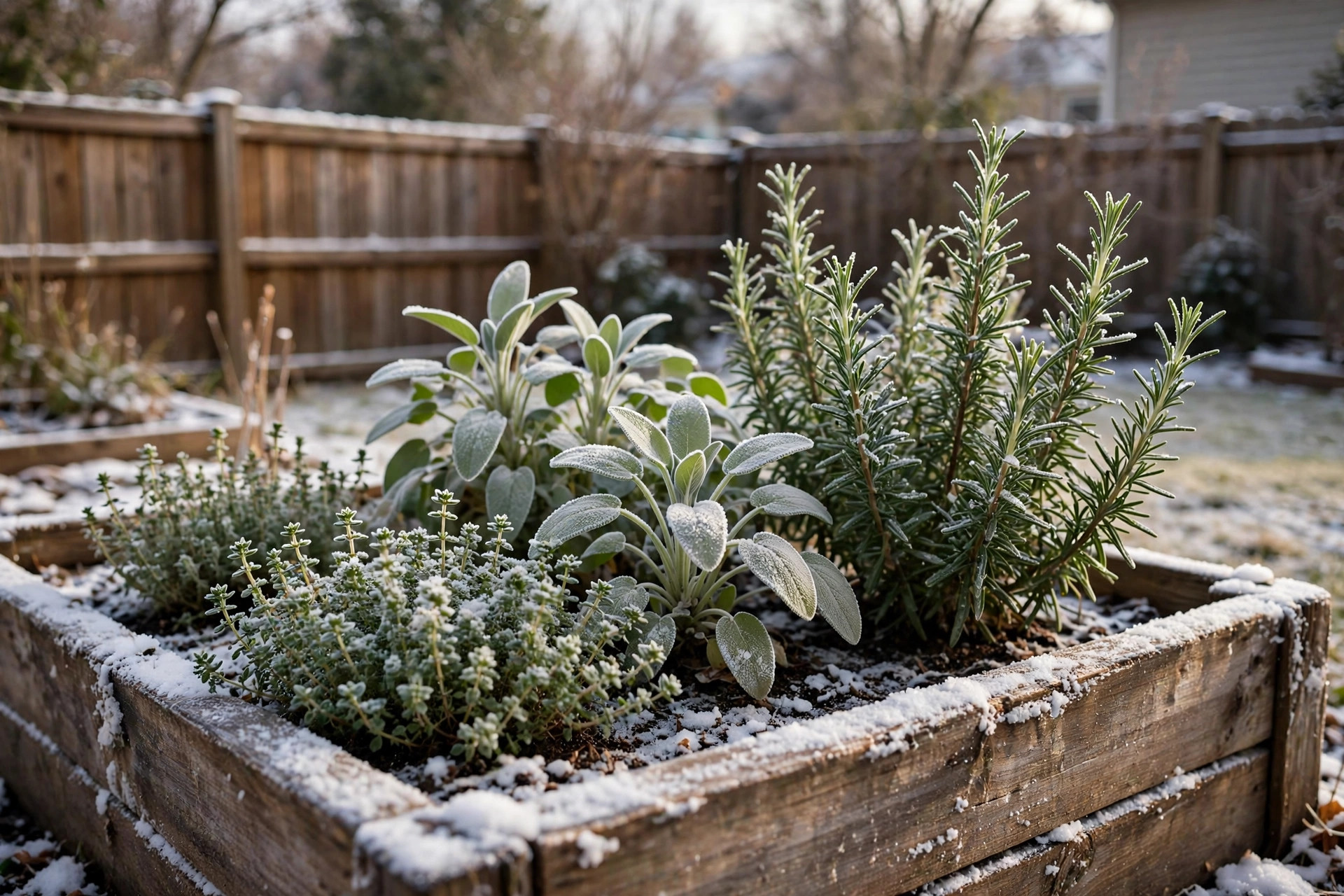

Most gardens go quiet in December. The annual beds are bare. The basil is long gone. But a winter garden does not have to be empty. Cold hardy herbs for winter garden planting keep their leaves through frost, snow, and cold wind. You can step outside in January, brush the snow aside, and cut fresh thyme for dinner. That simple pleasure is what this guide is about.
Many home growers give up on herbs too early in the fall. They pull every plant before the first frost. That is a shame, because a good number of common herbs are true survivors. Some need only a little mulch. Others need a sheltered corner or a simple cold frame. This article will walk you through which herbs survive the cold, how to choose and plant them, what they cost, how to care for them through the season, and how to stay safe while you garden in winter.
Why Cold Hardy Herbs Matter in a Winter Garden
Fresh herbs in winter are more than a convenience. They change the way you cook. A sprig of winter thyme or a leaf of sage can lift a plain pot of beans or a Sunday roast. Dried herbs from the store do not carry the same scent. A live plant holds its oils until the moment you pick it.
There is also the matter of cost. A single hardy plant can serve your kitchen for years and asks for little in return: sun, decent soil, and a little attention in the coldest weeks. Compare that with the store price of fresh herbs, and a winter herb garden pays for itself in a single season of cooking.
Cold hardy herbs for winter garden beds also feed the rest of the garden. Their roots hold the soil through winter rain, and their evergreen leaves keep the bed looking alive when everything else is brown.
Finally, growing herbs through winter builds skill. You learn how frost works, how mulch holds heat, and how soil drains in cold months. These lessons serve every plant you will ever grow.
What to Look for When Choosing Hardy Herbs: Cold Hardy Herbs for Winter Garden
Not every herb labeled “perennial” will survive your winter. Hardiness depends on your zone, your soil, and your site. Keep these points in mind when you shop.
Know your zone. The USDA hardiness zone map is the starting point. A plant rated hardy to zone 5 will usually survive zone 5 winters, but only if the soil drains well. Wet, frozen soil kills more roots than dry cold does. If you sit near the edge of a plant’s range, choose the tougher variety or give it extra shelter.
Buy plants, not only seeds, in fall. Starting from seed late in the year is a gamble. The young plants need time to root before hard frost. Nursery plants in quart or gallon pots are a safer bet after September. If you do want to raise your own from seed, learn how to start seeds indoors early in the season so the seedlings are strong by fall.
Check the root system. Tip the pot and look. White, healthy roots that fill the pot without circling too badly are a good sign. Brown, mushy roots are a bad sign. A healthy plant in fall will grow a strong root mass over winter and reward you in spring.
Choose true hardy varieties. Common thyme, winter savory, sage, and many mints are reliable in cold. Rosemary is only hardy in the warmer zones, but the ‘Arp’ and ‘Hill Hardy’ types survive much colder winters than ordinary rosemary. Lavender needs sharp drainage more than anything else.
Site matters more than the plant tag. A south-facing wall holds daytime heat and blocks north wind. A raised bed sheds excess water. A low spot that collects frost is a grave for tender roots.
The Best Cold Hardy Herbs for the Winter Garden
Here are the standbys that earn their place year after year. All of them belong in any serious list of cold hardy herbs for winter garden beds.
Thyme
Common thyme (Thymus vulgaris) is the workhorse. It survives down to zone 4 or even zone 3 with snow cover. It asks for full sun and sharp drainage, and it forgives dry soil. Harvest lightly through winter; the plant grows slowly in the cold.
Sage
Garden sage (Salvia officinalis) holds its soft gray leaves through frost and light snow. It is hardy to about zone 5. Sage dislikes wet feet in winter more than it dislikes cold, so plant it on a slight mound where water runs off.
Winter Savory
Winter savory (Satureja montana) earns its name. It is tougher than summer savory and keeps its peppery leaves all winter. It is a tidy, upright plant that fits well at the front of a bed.
Chives and Garlic Chives
Chives die back to the ground in deep cold but return early in spring, often while snow is still on the ground. Their bulbs are hardy to zone 3. A light mulch keeps the crowns safe during freeze-thaw cycles.
Mint
Peppermint and spearmint are hardy to zone 3, but they are runners. Plant them in a buried pot or a separate bed, or they will take over.
Oregano and Marjoram
Greek oregano (Origanum vulgare hirtum) is hardy to zone 4. Sweet marjoram is the tender one; treat it as an annual in cold zones or bring it indoors.
Rosemary (in warmer zones, or with protection)
Rosemary is a gamble north of zone 7. The hardy types ‘Arp’, ‘Hill Hardy’, and ‘Madalene Hill’ can survive zone 6 with a sheltered site and mulch. In colder zones, grow rosemary in a pot and move it to a cold garage or an unheated porch for the winter.
Lavender
English lavender (Lavandula angustifolia) varieties like ‘Munstead’ and ‘Hidcote’ survive zone 5 winters if the soil drains fast. Do not mulch the crown with heavy material; gravel or coarse sand works better.
Parsley (a biennial surprise)
Curled and flat-leaf parsley often survive a mild winter and bolt to seed the next spring. In zones 6 and warmer, a mulched parsley plant gives fresh leaves all winter.
How to Plant: Beds, Soil, and Timing
Cold hardy herbs for winter garden success start with the soil. Most herbs want a lean, well-drained soil. Rich, soggy soil is the enemy. Before planting, loosen the bed a foot deep and mix in coarse sand or fine gravel if your soil holds water. A proper raised garden bed soil mix is ideal for herbs because it drains freely.
Timing. Plant in early fall, at least six weeks before your first hard freeze. Late-planted herbs with shallow roots heave out of the ground during freeze-thaw cycles. If you missed the fall window, wait until spring.
Spacing. Give each plant room for air flow. Crowded plants stay wet, and wet foliage invites disease in winter. Thyme and winter savory sit about a foot apart; sage needs eighteen inches. Mint gets its own container.
Mulching. Wait until the ground freezes lightly, then mulch. Mulching too early invites mice and voles to nest against the stems. Use three to four inches of straw, shredded leaves, or pine needles, kept slightly back from the crowns so air can move.
Watering. Water well at planting time. After that, water only during dry spells before the ground freezes. Once the soil is frozen, watering is pointless. In regions with dry winter wind, an occasional drink during a January thaw helps evergreen herbs like thyme and sage.
Wind protection. A simple burlap screen on the north side of the bed cuts the drying wind. Evergreen herbs lose water through their leaves all winter; when the ground is frozen, the roots cannot replace it.
For gardeners who want to raise plants from seed for next year, the difference between starting mixes matters. A good read on seed starting mix versus potting soil will save you from the common mistake of sowing herb seeds in heavy garden soil.
Cost and Price: What a Winter Herb Garden Really Costs
One of the best traits of cold hardy herbs for winter garden beds is how cheap they are to run.
Plants. Nursery pots run from two to eight dollars each, depending on size and variety. A full starter set of six to eight herbs costs roughly twenty to forty dollars, and you will find hardy herb starts each fall at the Home Depot garden center and the Lowe’s garden department. Seeds cost far less, often two to four dollars a packet, but fall sowing is risky for slow herbs like rosemary and lavender.
Soil and mulch. A bag of coarse sand or a bale of straw costs a few dollars. If you are building a new raised bed, lumber and soil are the real expense, but that cost spreads across every crop you grow in the bed for years.
Tools. You likely own what you need: a trowel, gloves, and pruners. Good hand tools last decades with basic care.
Ongoing cost. After the first year, the running cost is close to zero. Perennial herbs need no replanting. A bale of straw each fall and an occasional bag of compost are the whole budget.
Cold frames and covers. A simple cold frame can be built from scrap lumber and an old window; ready-made frames and row-cover kits are sold by suppliers like Gardeners. Row-cover fabric costs a few dollars per yard and lasts several seasons. Most hardy herbs need no cover at all, but a cover extends your harvest of less hardy plants like parsley and cilantro.
Care and Upkeep Through the Cold Months
Winter care is mostly a matter of leaving things alone, with a few checks along the way.
Harvest lightly. Take no more than a third of an evergreen herb at one time in winter. The plant is not growing fast enough to replace heavy cuts.
Watch for heaving. Freeze-thaw cycles can push shallow-rooted plants out of the soil. After a thaw, press any lifted plants gently back into place and add a little mulch around them.
Remove snow loads carefully. Heavy wet snow can snap the woody stems of sage and lavender. Brush it off gently; do not shake the plant hard. Light, dry snow acts as insulation. Leave it.
Keep off the frozen bed. Walking on frozen soil compacts it and breaks roots. Lay a plank across the bed if you must reach the far side for harvest.
Prune at the right time. Do not cut hardy herbs back hard in fall. The old growth shelters the crown. Wait until early spring, when new growth shows at the base, then cut away the dead stems. Thyme and winter savory benefit from a light shearing after their spring flush to keep them bushy.
Feed sparingly. Herbs need little food. A thin top dressing of compost in spring is enough for most. Heavy fertilizer makes soft, sappy growth that freezes badly.
Divide in spring. Chives, mint, and oregano form dense clumps. Every three or four years, lift and divide them in early spring. Replant the vigorous outer pieces and compost the tired centers.
Good information on herb care is easy to find. The team at Burpee publishes solid growing guides for herbs and vegetables alike, and The Spruce keeps clear, beginner-friendly herb profiles. For tool upkeep, Fiskars offers care tips that keep pruners and shears working for years, while Corona Tools covers sharpening and blade care in plain language.
Safety in the Winter Garden
Gardening in cold weather is safe work if you respect the conditions.
Dress for the cold. Fingers lose feeling fast when you are handling cold soil and metal tools. Wear warm gloves, and take breaks indoors. Frostbite is a real risk on windy days below freezing.
Watch your footing. Wet leaves, frosty paths, and icy steps cause most winter garden injuries. Wear boots with good tread. Keep paths clear of clutter.
Mind the light. Winter days are short. Do your cutting and pruning in full daylight. If you garden near dusk, know where your tools are; a lost pruner in a dark bed is a hazard for feet and pets.
Know your plants. Most culinary herbs are safe, but some look-alikes are not. Never eat a plant you cannot name with certainty. Teach children which beds are for picking and which are not.
Store tools safely. Cold metal is brittle. Do not force frozen loppers. Bring tools indoors after use, clean them, and let them dry. A rusted blade is a tetanus risk; keep your shots current, as any gardener should.
Chemicals. Winter is a good time to skip sprays entirely. Most hardy herbs have few winter pests. Keep all garden chemicals locked away from children and pets, as Consumer Reports reminds home gardeners.
Frequently Asked Questions
Which herbs survive the coldest winters? Thyme, winter savory, chives, mint, and Greek oregano are the toughest, hardy down to zone 3 or 4. Sage and English lavender follow close behind in zone 5. Rosemary needs zone 6 or warmer unless you choose a hardy type and shelter it.
Can I grow cold hardy herbs in containers through winter? Yes, but pots freeze harder than the ground. Use large pots, at least twelve inches across, and cluster them against a south-facing wall. Wrap the pots in burlap or bubble wrap for insulation. Water during thaws. Mint and thyme do especially well in pots.
Do hardy herbs need sun in winter? Yes. Most need at least six hours of sun, even in winter. A south-facing site is best. Shade in winter weakens evergreen herbs and makes them prone to rot. If your yard is shady, grow chives and mint, which tolerate less light than thyme and lavender.
Can I harvest herbs after a frost? Yes. Frost does not poison culinary herbs. In fact, a light frost can sweeten some greens. Wait until the leaves thaw and dry before cutting. Avoid harvesting from plants that are frozen solid; the leaves bruise and blacken.
When should I plant for a winter herb garden? Early fall is the window: six to eight weeks before your first hard freeze. That gives roots time to anchor. Spring planting works too, and the plants will be even stronger by their second winter. Avoid planting after the ground has frozen.
A Short Final Word
A winter garden with herbs in it is a quiet kind of wealth. The work is small, the cost is small, and the reward comes every time you cook. Start with thyme, sage, and chives if you are new to this. They forgive mistakes. Add winter savory and oregano in the second year. Give rosemary a sheltered corner if your zone allows it, and mulch everything after the first freeze.
You do not need a greenhouse. You do not need special gear. You need sun, drained soil, and the patience to let hardy plants do what they have done for centuries: endure the cold and green up again. For garden projects and how-to guides along the way, see Bob Vila and Family Handyman.
References
Bob Vila. (n.d.). Home improvement advice. https://www.bobvila.com Burpee. (n.d.). Seeds, plants, and gardening supplies. https://www.burpee.com Consumer Reports. (n.d.). Product reviews and ratings. https://www.consumerreports.org Corona Tools. (n.d.). Garden and landscape tools. https://www.corona-tools.com Family Handyman. (n.d.). DIY home repair and maintenance. https://www.familyhandyman.com Fiskars. (n.d.). Garden and cutting tools. https://www.fiskars.com Gardener’s Supply Company. (n.d.). Gardening tools and supplies. https://www.gardeners.com Lowe’s. (n.d.). Home improvement products. https://www.lowes.com The Home Depot. (n.d.). Home improvement products. https://www.homedepot.com The Spruce. (n.d.). Home and garden advice. https://www.thespruce.com
Was this guide helpful?

About James Carter
The My Garden US editorial team writes practical, in-depth home and garden guides for American homeowners — tested advice, no fluff.
You May Also Like
Best Garden Sprayer Backpack Battery Reviews for Home Gardeners
May 16, 2026 0 views
Compost Bin for Kitchen Scraps Reviews: What to Buy and Why
June 20, 2026 0 views
How to Clean Rusty Garden Tools: A Step-by-Step Guide
March 18, 2026 0 views