
A Hard Climate for Outdoor Furniture
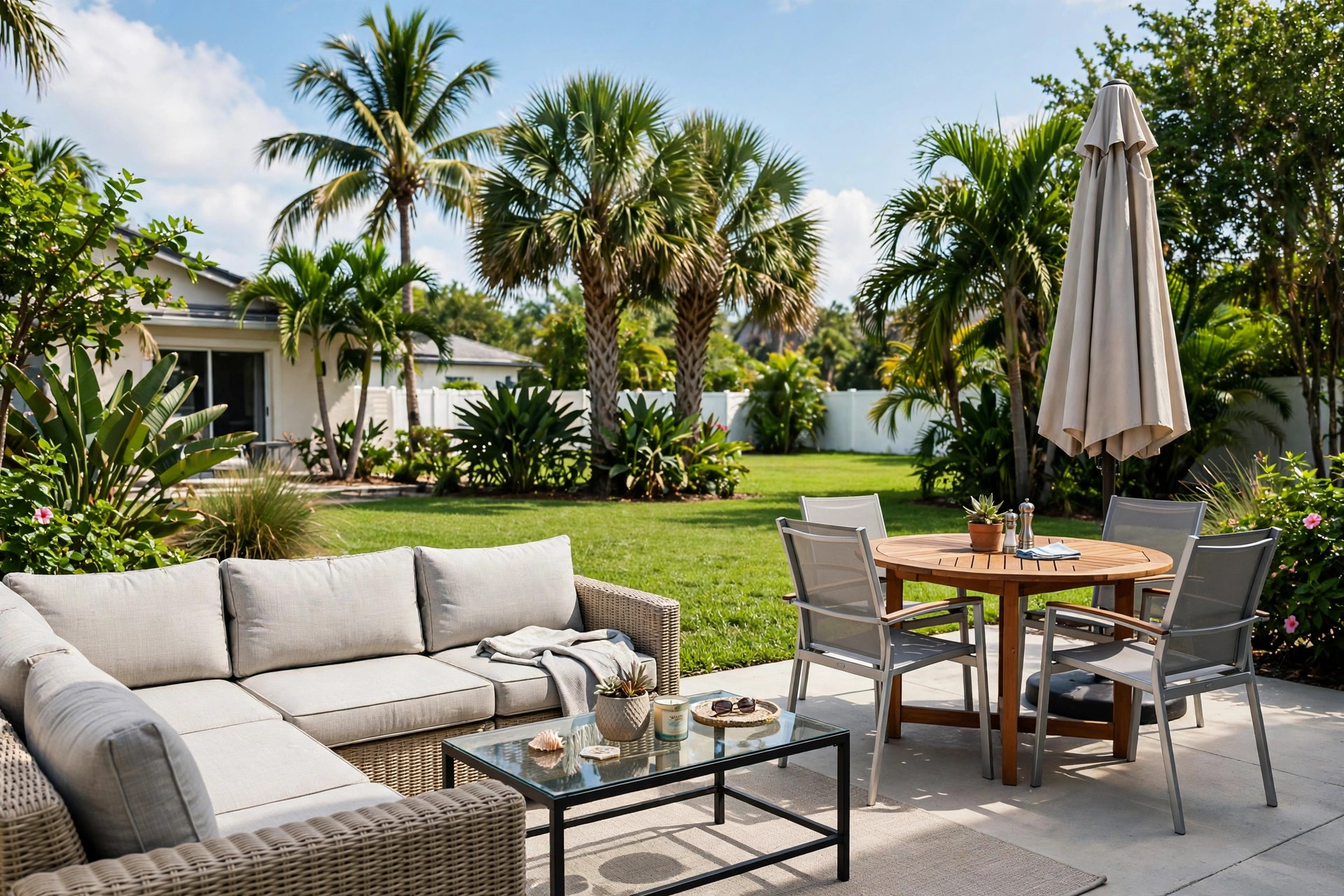
Florida gives homeowners more outdoor days than almost any other state. The sun is bright, the evenings are warm, and the patio becomes a second living room. But Florida weather is also hard on furniture. The sun beats down for most of the year. Humidity sits heavy in the air. Sudden storms roll in from the coast, and salt spray can drift many miles inland. A set that looks fine on the showroom floor can fade, crack, or rust in a single summer if it is not built for these conditions.
Finding the best patio furniture for Florida weather is not about style alone. It is about buying pieces that stand up to heat, moisture, and wind, year after year. The right choice saves money in the long run, because replacing a cheap set every two seasons costs more than buying a durable set once.
This guide walks through what Florida does to outdoor furniture, what to look for when you shop, which materials hold up best, and how to keep your set in good shape. It answers the common questions buyers ask and shows where to look for honest product reviews.
Why Florida Weather Demands Special Furniture: Best Patio Furniture for Florida Weather
Sun and UV Damage
Florida receives some of the strongest ultraviolet light in the country. UV rays break down plastics, fade fabrics, and dry out wood. Cheap resin chairs become brittle and crack. Cushion covers lose their color in months. Even metal frames suffer when the sun breaks down their protective coating, leaving bare spots that later rust.
Quality matters most here. Furniture made with UV-resistant resins, solution-dyed fabrics, and powder-coated frames holds its color and strength far longer than budget pieces.
Humidity, Rain, and Mold
Afternoon thunderstorms are a fact of life in Florida, especially from June through September. Furniture that traps water grows mold and mildew quickly. Cushions with foam cores can take days to dry in humid air, and musty smells follow.
The best choices for Florida allow water to drain and air to move. Quick-dry foam, open-weave wicker, and slatted wood seats all shed water fast. Furniture that dries within hours stays fresh and odor-free.
Salt Air and Rust
Near the coast, salt in the air attacks metal frames. Even a few miles inland, salty breezes speed up rust on steel. Rust is not only ugly. It weakens joints and bolts until a chair or table becomes unsafe.
Rust-resistant frames made from aluminum, stainless steel, or properly coated materials are the safest bet. If you like the look of steel, check that every joint and screw is sealed, and plan on regular touch-ups. Our guide to metal patio furniture rust prevention tips covers the details.
Wind and Storms
Summer storms and tropical systems bring sudden gusts. Lightweight chairs and umbrellas can fly across a yard and injure someone. Heavy, low-profile pieces hold their ground better. Loose cushions should come off before a storm, and umbrellas should be closed and secured.
If you use a patio umbrella, wind ratings matter. Read our best patio umbrella for wind reviews before you buy one for an exposed Florida patio.
What to Look For When You Shop
Frames That Resist the Elements
The frame is the skeleton of the set, and in Florida it must resist rust above all else.
Powder-coated aluminum is the top pick for most buyers. It is light, it never rusts, and the powder coat resists chipping. It also stays cooler to the touch than steel.
Teak and eucalyptus are the best wood choices. Both contain natural oils that fight rot and insects. Teak weathers to a silver-gray if left alone, or keeps its warm tone with regular oiling.
Stainless steel is strong and rust-proof, but it is heavy and can get very hot in direct sun. It suits covered lanais better than open patios.
Wrought iron looks classic but demands constant care near the coast. Only choose it if you are willing to sand and repaint rust spots each year.
Avoid plain steel frames with thin paint. In Florida, they rust from the inside out.
Fabrics That Stand Up to Sun and Water
Cushion fabric makes or breaks a set. Look for solution-dyed acrylic or olefin fabrics. The color runs through each fiber, so it resists fading far better than printed fabrics. Water should bead on the surface rather than soak in.
Quick-dry foam cores let rain pass straight through the cushion instead of pooling inside. After a storm, these cushions dry in an hour or two instead of two days. Removable covers that you can toss in the wash are a bonus.
Joints, Hardware, and Finish
Inspect how pieces are put together. Stainless steel bolts and screws will not rust and stain the frame. Welded joints are stronger than bolts in windy spots, but bolted sets are easier to repair. Caps on the ends of tubing keep water from pooling inside the frame, which is a common cause of hidden rust.
Types of Patio Furniture That Work in Florida
All-Weather Wicker
Resin wicker over an aluminum frame is a Florida favorite. It looks like classic rattan but ignores rain and sun. High-density polyethylene (HDPE) wicker is the best grade. It will not crack, peel, or fade. For dining, see our best all weather wicker dining set roundup.
Teak Sets
Teak costs more up front but can last twenty years or more. It handles rain without warping and resists insects without chemicals. Many Florida buyers let teak weather naturally and never touch it with oil.
Aluminum Dining and Deep Seating
Aluminum sets range from simple bistro tables to full deep-seating sectionals. They are light enough to move before a storm, yet sturdy in daily use. Sling chairs, with fabric stretched across an aluminum frame, dry almost instantly and need no cushions at all.
Adirondack and Rocking Chairs
For porches and lanais, poly lumber (recycled plastic made to look like wood) Adirondack chairs are a smart pick. They never need paint, they laugh at rain, and they come in colors that hold up to the sun.
Cost and Price: What to Expect
Patio furniture prices in Florida cover a wide range, and you generally get what you pay for.
– Budget sets (under $500): Four-piece resin or thin-steel sets. Expect one to three seasons in Florida sun before fading or rust sets in. – Mid-range sets ($500 to $1,500): Aluminum frames, HDPE wicker, and decent fabrics. With care, these last five to eight years. – Premium sets ($1,500 and up): Teak, high-end aluminum, and contract-grade fabrics. Ten to twenty years of service is normal.
Remember that Florida shortens the life of cheap furniture. A $400 steel set that rusts in two years costs more per year than a $1,200 aluminum set that lasts a decade. Buying once, and buying well, is the thrifty move.
Set a budget that includes the extras. Covers, replacement cushions, touch-up paint, and a good umbrella base add to the true cost of the set. Shoppers often forget these items and then leave furniture unprotected, which shortens its life.
Watch for end-of-summer clearance sales at large retailers. Stores clear patio stock in late August and September, and you can find quality sets at deep discounts. For current picks and prices, browse the patio sections at IKEA and Wayfair, which both carry aluminum and resin-wicker sets suited to warm climates.
Care and Upkeep in the Florida Climate
Even the best patio furniture lasts longer with basic care.
Wash frames monthly. A bucket of mild soap and water removes salt film, pollen, and dust. Rinse well and let pieces dry in the sun.
Clean cushions regularly. Brush off debris and wash covers as the maker directs. Stand cushions on edge after rain so water drains out.
Cover or store during storms. Furniture covers keep off rain and UV when you are not using the set. Before a named storm, bring cushions, umbrellas, and light pieces inside or into the garage.
Oil teak once a year. If you want to keep the golden color, apply teak oil each spring. If you prefer the silver look, just wash the wood now and then.
Touch up chips fast. On coated metal, a small chip is an open door for rust. Sand the spot, apply rust-inhibiting primer, and touch up with matching paint.
Fight mildew early. A mix of water and white vinegar handles early mildew on frames and fabrics. Do not let it sit, because mildew stains become permanent.
Check covers after storms. Covers that pool water sag and can tear. Shake them dry and refit them snugly. Replace a cover when the coating flakes, because a worn cover traps moisture against the furniture.
Protect wood feet. Chair and table legs that sit on wet pavers wick up water. Felt pads, plastic glides, or small saucers under the feet keep wood and coated metal drier and extend their life.
Safety Notes for Florida Patios
Anchor light pieces. In gusty weather, stack chairs and lay tables on their sides, or tie them down. A flying chair can break a window or hurt a person.
Close umbrellas. Never leave a patio umbrella open in a storm or when you leave the house. Wind can snap the pole or lift the whole base.
Check for rust yearly. Inspect frames, bolts, and welds each spring. Rusty joints can fail without warning under weight.
Mind the heat. Dark metal and stone surfaces can burn skin in Florida sun. Choose light colors for seating, and test a chair with your hand before sitting in July.
Watch for wasps and lizards. Covered furniture and hollow frames make fine homes for wasps. Check under tables and inside chair arms in spring.
Frequently Asked Questions
What is the best material for patio furniture in Florida?
Powder-coated aluminum is the best all-around choice. It never rusts, it is light enough to move before storms, and it handles salt air near the coast. Teak is the best wood option, and HDPE resin wicker over aluminum is a close second.
How long does patio furniture last in Florida?
It depends on the material and care. Cheap steel sets may last only one to three years. Mid-range aluminum or resin-wicker sets last five to eight years. Teak and premium aluminum sets can last ten to twenty years with basic upkeep.
Should I cover my patio furniture in Florida?
Yes. Covers block UV rays and keep rain off cushions when the set is not in use. Remove or vent covers after heavy rain so trapped moisture can escape. Bring cushions and light pieces indoors before tropical storms.
What cushions hold up best in Florida humidity?
Cushions with solution-dyed acrylic covers and quick-dry foam cores are the best pick. Water drains through them in minutes, and they resist fading and mildew. Avoid standard polyester covers and dense foam, which stay damp for days.
Can I leave patio furniture out year-round in Florida?
Yes, if it is made for the climate. Aluminum, teak, HDPE wicker, and poly lumber can stay out all year. Bring cushions inside during long rainy stretches and before storms. Steel sets and cheap fabrics do better with seasonal storage.
How do I stop my metal patio furniture from rusting in Florida?
Buy aluminum or stainless steel to avoid the problem entirely. For coated steel or iron, keep the finish intact, touch up chips at once, wash off salt monthly, and store pieces under cover in the rainy season. See our metal patio furniture rust prevention tips for a full routine.
A Short Final Word
Florida patios earn their keep. They host morning coffee, weekend cookouts, and long summer evenings. The best patio furniture for Florida weather is simply furniture built for the place: rust-proof frames, sun-proof fabrics, and designs that shed water and stand firm in the wind. Spend a little more on the right materials, give the set basic care, and your patio will pay you back with years of comfortable days outdoors.
References
IKEA. (n.d.). Home furnishings. https://www.ikea.com Wayfair. (n.d.). Home goods. https://www.wayfair.com
Was this guide helpful?

About David Wilson
The My Garden US editorial team writes practical, in-depth home and garden guides for American homeowners — tested advice, no fluff.
You May Also Like
Outdoor Fireplace Kit for Patio Reviews: What Buyers Say Before You Buy
April 9, 2026 0 views
Best Solar Patio Lights for Ambiance
February 13, 2026 0 views
Patio String Light Poles for Backyard: A Plain Guide
June 17, 2026 0 views