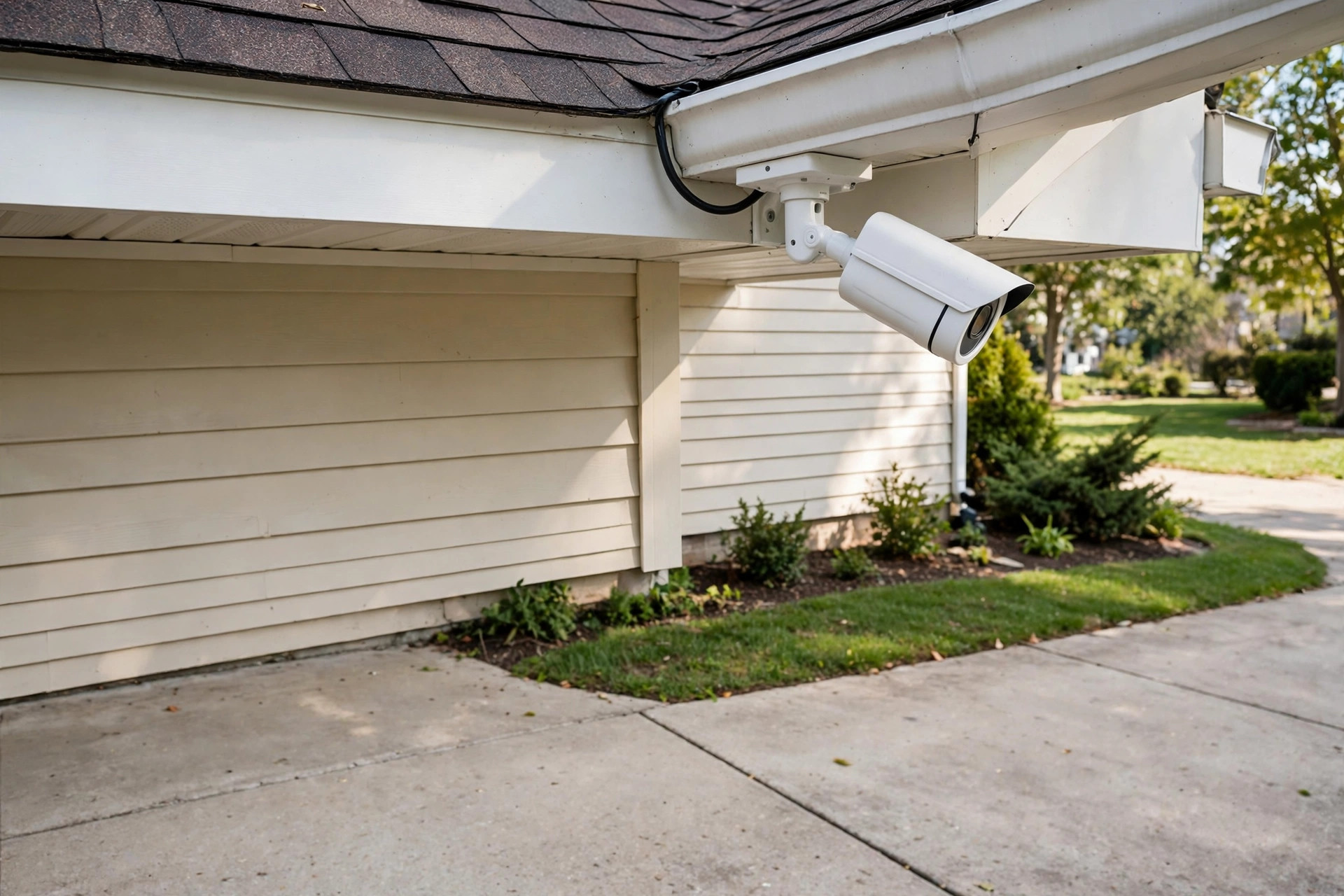

Choosing the best wired security camera system 2026 usa can feel like a big task. There are many brands, many features, and prices that range from a few hundred dollars to several thousand. A wired system is different from a wireless one. It connects each camera to a recorder with a cable. That cable carries both power and video. The result is a steady picture with no dropped signal and no monthly cloud bill if you choose local storage.
This guide walks through the topic in plain words. It explains why wired systems still matter in an age of wireless cameras, what to look for when you shop, the main types you will see, what they cost, how to care for them, and how to keep your footage safe.
Why a Wired System Still Matters
Wireless cameras are popular because they are easy to set up. But they have weak points. A wireless camera depends on your home Wi-Fi. If the signal drops, the picture freezes. If someone jams the signal, the camera goes blind. Batteries run down and must be charged or swapped.
A wired system avoids most of these problems. The cable gives each camera a direct line to the recorder. The picture stays clear and steady around the clock. Power flows through the same cable, so there are no batteries to change.
Wired systems are also better for recording long hours of video. Because the cameras send video all the time, the recorder can save it to a hard drive in your own home. You do not have to pay a monthly fee to a cloud service. Many homeowners prefer this. They like owning their footage and keeping it private.
There is one trade-off. Wired systems take more work to install. You must run cables through walls or along the outside of the house. That can be a weekend job or a job for a professional. But once the wires are in place, the system often runs for years with little attention.
What to Look for When You Choose: Best Wired Security Camera System 2026 Usa
Start with picture quality. Look for cameras rated at 4K or at least 1080p. A 4k security camera system for home gives sharper detail. That detail matters when you need to read a license plate or see a face from across the yard.
Check night vision next. Most break-ins happen after dark. Good cameras see clearly in low light. Infrared night vision is standard. Some newer cameras use color night vision with small lights built in. Ask how far the night vision reaches. Fifty to one hundred feet is common for home cameras.
Think about storage. The recorder in a wired system is called an NVR, short for network video recorder. It holds a hard drive. A two-terabyte drive can hold weeks of footage from four cameras. Larger systems need more space. A security camera with local storage lets you avoid cloud fees and keep control of your video. Make sure the drive is big enough for your number of cameras.
Count your cameras. A basic kit has four cameras and an NVR with four channels. Larger homes may need eight or sixteen channels. Plan for the spots you want covered: the front door, the back door, the garage, and the driveway are the usual four. Buy a recorder with room to grow. Adding a camera later is cheap if the recorder has free channels.
Look at the cable type. Most modern wired systems use Ethernet cable with PoE, which stands for power over Ethernet. One cable carries both power and video. This makes installation much simpler than older systems that needed separate power wires. A poe security camera system is the standard choice for new installations today.
Check the phone app. Even a wired system should let you watch live video on your phone. Read reviews about the app before you buy. The app should let you view cameras, replay saved video, and get motion alerts.
Types and Options
Wired systems come in a few main forms. Knowing the differences helps you pick the right one.
PoE Bullet and Dome Kits
The most common home setup is a PoE kit with bullet or dome cameras. Bullet cameras are long and cylindrical. They point in one direction and are easy to aim. Dome cameras sit under a clear cover. They are harder for a stranger to tell which way they point. Many kits mix both types. Consumer testers such as Consumer Reports publish lab results on camera picture quality and night vision that can help you compare brands.
NVR-Based Systems
An NVR-based system is the heart of a wired setup. The NVR connects to each camera through a network switch or built-in PoE ports. It records video, shows live views on a monitor, and serves the phone app. Some NVRs have built-in screens. Others connect to your TV. Check that the NVR supports the resolution of your cameras. A 4K camera needs a 4K NVR to record at full quality.
Analog HD Systems
Older wired systems use coaxial cable and a recorder called a DVR. Newer analog HD versions can send high-definition video over the same old-style cable. These are worth knowing about if your house already has coaxial cable in the walls from an old system. You can reuse the cable and save on installation. For new work, PoE is the better choice.
Hybrid and Professional Systems
Some brands sell hybrid recorders that accept both old analog cameras and new network cameras. These suit homeowners upgrading one camera at a time. At the high end, professional installers offer commercial-grade systems with long warranties and on-site service. These cost more but come with expert setup. A technology site like PCMag reviews both home kits and pro-grade gear, which can help you see where the extra money goes.
Cost and Price
A wired system costs more up front than a set of wireless cameras. Expect a four-camera PoE kit to cost between 300 and 600 dollars. An eight-camera 4K kit usually runs 600 to 1,200 dollars. High-end kits with sixteen channels can reach 1,500 dollars or more.
Installation is the other cost. If you do it yourself, the only extra cost is cable, clips, and your time. A long weekend is typical for a first-timer. Hiring a professional installer usually costs 100 to 200 dollars per camera in most parts of the country. A full eight-camera job can add 800 to 1,600 dollars in labor.
There are no required monthly fees with most wired systems. That is one of their best features. Some brands offer optional cloud backup or smart alerts for a fee. You can skip these and use local recording only. Over five years, a wired system with no fees often costs less than a wireless system with a ten-dollar monthly plan.
Watch for hidden costs. You may need a larger hard drive than the one in the box. A PoE switch adds cost if the NVR lacks enough PoE ports. Long cable runs may need a signal booster. Outdoor cameras in harsh climates last longer if they are rated for wide temperature ranges, and those models cost a bit more.
Installation Basics
You can install a wired system yourself if you are handy. The basic steps are simple. Mount each camera where you want it. Run Ethernet cable from each camera back to the NVR. Plug the cables in. Power on the NVR. Follow the setup wizard on the screen.
Plan your cable paths before you drill. Attics and crawl spaces are the usual routes. Keep cables away from electrical wires to avoid interference. Use outdoor-rated cable for any run that leaves the house. Seal every hole you drill with silicone to keep water out.
Mount cameras eight to ten feet high. This height keeps them out of easy reach but low enough to see faces. Tilt each camera down slightly. Avoid pointing cameras directly at the sun or at bright lights, which wash out the picture.
Test each camera before you finish. Check the live view on the NVR. Walk through each camera’s view and confirm the motion alerts work. It is much easier to move a camera before you seal up the cable than after.
If the job feels too big, hire a licensed installer. Ask for proof of insurance and check reviews. The home security company ADT and the DIY brand SimpliSafe both offer professional installation services that you can compare against local installers.
Care and Upkeep
Wired systems need little care, but a small routine keeps them working well.
Clean the camera lenses twice a year. Dust and spider webs blur the picture. Use a soft cloth and a little water. Do not use harsh cleaners on the lens.
Check the hard drive once a year. Most NVRs have a built-in health check. If the drive shows errors, replace it before it fails. A failed drive means no recording, and you may not notice until you need footage.
Update the firmware when the maker releases it. Firmware updates fix bugs and close security holes. Many NVRs can check for updates on their own. Set a strong password on the NVR and the app. Change the default password on the first day.
Trim bushes and branches that grow into the camera view. A branch waving in the wind can trigger false motion alerts all night. A quick trim in spring saves many false alarms.
Review your storage now and then. Make sure the oldest footage is recent enough for your needs. If the drive fills too fast, lower the recording quality slightly or set cameras to record on motion only.
Safety and Privacy
Cameras protect your home, but they must be used with care. Point cameras at your own property. Avoid aiming them into a neighbor’s windows. Many states have laws about recording where people expect privacy. A quick read of guidance from the Consumer Product Safety Commission on home safety products is a good starting point for understanding the rules around electronic home devices.
Secure your network. A wired camera system still connects to your home network for the phone app. Use a strong Wi-Fi password. Keep the NVR behind your router’s firewall. Do not open remote access ports unless you know what you are doing. Hackers scan the internet for open cameras.
Tell your household about the cameras. Everyone living in the home should know where cameras are and what they record. This avoids surprise and builds trust. If you hire workers, it is good practice to let them know cameras are running in work areas.
Keep footage private. Do not post clips of neighbors or strangers online unless you have a good reason and the right to do so. Store saved clips in a safe place. If you sell the NVR, wipe the hard drive first. Reviews and buying guides on CNET often include privacy checklists worth reading before you share any footage.
Frequently Asked Questions
Are wired security cameras better than wireless ones?
For reliability, yes. A wired camera keeps a steady connection and never needs charging. Wireless cameras are easier to install and move. Choose wired if you want the most dependable recording. Choose wireless if you rent or cannot run cables. Many homeowners mix both: wired for the main doors and wireless for spots that are hard to wire.
How long does it take to install a wired system?
A skilled do-it-yourselfer can install four cameras in one full day. Eight cameras usually take a weekend. The cable runs take most of the time. Mounting the cameras and setting up the NVR is the easy part. A professional crew can finish most homes in a single day.
Can I install a wired system myself?
Yes, if you are comfortable with basic tools and a ladder. PoE systems are the easiest because one cable does everything. You will need a drill, a fish tape or wire puller, and patience. If your home has two stories or no attic access, the job gets harder. In that case, get quotes from installers.
Do wired cameras work during a power outage?
Only if the system has backup power. The cameras and the NVR all need electricity. A small uninterruptible power supply, called a UPS, keeps the system running for a few hours. For longer outages, a generator is needed. This is worth adding if your area loses power often.
How much internet speed does a wired system need?
For local recording, none. The cameras talk to the NVR over your home network cables. You only need internet speed for remote viewing on your phone. Two to five megabits per second of upload speed is enough to watch one or two cameras from away from home. Check your plan’s upload speed, not just the download speed.
Will a wired system work with my smart home?
Many do. Some NVRs connect with popular platforms and voice assistants. Google’s smart home store at Google Store lists cameras and displays that pair with wired systems through common standards. News and analysis sites like The Verge track which brands add smart home support each year, so check recent coverage before you buy.
A Short Final Word
The best wired security camera system 2026 usa is the one that fits your home, your budget, and your patience for installation. A four-camera PoE kit with 4K resolution and local storage covers most homes well. Spend a little more on a recorder with spare channels so the system can grow. Run the cables with care, set strong passwords, and clean the lenses twice a year. Do that, and your system will watch over your home quietly for many years. For a second opinion before you buy, the doorbell and camera guides at Ring show how wired and wireless options compare in real product lines.
References
ADT. (n.d.). Home security and automation. https://www.adt.com CNET. (n.d.). Technology news and reviews. https://www.cnet.com Consumer Reports. (n.d.). Product reviews and ratings. https://www.consumerreports.org Google Store. (n.d.). Smart home devices. https://store.google.com PCMag. (n.d.). Technology product reviews. https://www.pcmag.com Ring. (n.d.). Smart home security devices. https://www.ring.com SimpliSafe. (n.d.). Home security systems. https://www.simplisafe.com The Verge. (n.d.). Technology news and reviews. https://www.theverge.com U.S. Consumer Product Safety Commission. (n.d.). Product safety information. https://www.cpsc.gov
Was this guide helpful?

About Sarah Mitchell
The My Garden US editorial team writes practical, in-depth home and garden guides for American homeowners — tested advice, no fluff.
You May Also Like
Smart Vent for Room Balancing Reviews USA: A Plain Guide to Even Heat and Cool Air
April 7, 2026 0 views
Best Video Doorbell Without Subscription USA: A Practical Guide
August 3, 2026 0 views
Freeze Alarm for Vacation Home Reviews USA: What to Know Before You Buy
January 25, 2026 0 views