Why a Smoke Detector Matters
Every home needs a working smoke detector. Fire can start at night. It can start while you sleep. A good alarm gives you time to get out. Time saves lives.
Many people read 10 year battery smoke detector reviews usa before they buy. They want an alarm that lasts. They want one they can trust. The reviews help. But the reviews can also confuse. This guide keeps things simple.
A 10 year smoke detector has a sealed battery. The battery lasts ten years. You never change it. When the ten years end, you replace the whole unit. That is the point. Most fire deaths happen in homes with no alarm or a dead alarm. The sealed battery takes the dead battery problem away.
What a 10 Year Battery Means: 10 Year Battery Smoke Detector Reviews Usa
A standard alarm takes a nine-volt battery. You must change it each year. Many people forget. Then the alarm stops working. Then the house has no warning.
A sealed battery alarm is different. The maker builds the battery inside the unit. You cannot take it out. The battery is a lithium cell. It runs for ten years. When the unit reaches the end of its life, it chirps. The chirp tells you to replace it.
Some states now require sealed battery alarms. The laws differ by state. New homes in many places must have them. Landlords often must install them too. Check your local rules. A review site run by the federal safety agency has plain facts on this topic, and you can read more about alarm rules at cpsc.gov.
How the Ten Years Are Counted
The ten years start when the alarm is made. Not when you buy it. Not when you mount it. Look at the date printed on the back. It is usually on the label. Buy a unit made within the last year. A unit that sat in a store for two years only gives you eight.
Types of Smoke Detectors
Reviews in the 10 year battery smoke detector reviews usa market cover three main types. Each senses fire in its own way.
Ionization Alarms
Ionization alarms sense small smoke particles. They respond fast to flaming fires. A flaming fire is one with real flames, like a curtain that caught fire. These alarms cost less. They are common in stores. Some people find they go off during cooking more often.
Photoelectric Alarms
Photoelectric alarms sense large smoke particles. They respond fast to smoldering fires. A smoldering fire is slow, like a couch cushion that burns without flames. Many fire experts prefer this type for homes. They cause fewer false alarms in the kitchen.
Dual-Sensor Alarms
A dual-sensor alarm uses both methods. It has two sensors in one case. It covers both fast flaming fires and slow smoldering fires. It costs more. Reviews often rate it as the safest pick for a whole house. Tech reviewers have tested these models side by side, and one clear roundup of smart alarm tests is posted at theverge.com.
What to Look For When You Read Reviews
The 10 year battery smoke detector reviews usa pages list many brands. The star ratings help, but they are not the whole story. Look for these facts in every review.
Sensor type. Know whether the unit is ionization, photoelectric, or dual. Dual covers more.
Loudness. An alarm must reach at least 85 decibels at ten feet. Most reach this. Louder is better for heavy sleepers.
Test button. Every unit must have one. Press it each month. The button must be easy to reach.
End-of-life signal. The unit should warn you clearly when the ten years are up. Look for a spoken message or a set pattern of chirps.
Warranty. Many makers give a ten-year warranty. The warranty should match the battery life.
Certification. The unit must list a testing lab mark. Look for UL or ETL on the label. Never buy an alarm with no lab mark.
Independent testing groups put these alarms through smoke chambers and noise tests. Their results are worth reading before you spend money. One well-known test lab publishes its smoke alarm findings at consumerreports.org.
Brands People Buy Most
The 10 year battery smoke detector reviews usa market has a few names that show up again and again. First Alert makes many models. Kidde makes many models too. Both are sold in every hardware store. Both are cheap to fair in price.
Nest Protect sits at the top of the price range. It is a smart alarm. It talks. It tells you where the smoke is. It links to your phone. Some buyers love it. Some think it costs too much for an alarm. If you want a full head-to-head of the two big names, our comparison of Nest Protect vs First Alert walks through both lines model by model.
X-Sense and other newer brands sit in the middle. Reviews praise their prices. Long-term trust is still being built. They are worth a look if the price gap matters to you.
A smart alarm can join a wider home system. Some makers sell the alarm as part of a monitored set. You can read about one such system maker at simplisafe.com and another at adt.com. For a simpler add-on, a doorbell camera from ring.com pairs well with a phone-alert alarm in many homes.
Cost and Price
Prices run from low to high. A basic sealed battery alarm costs about fifteen to twenty-five dollars. A photoelectric model costs about twenty to thirty-five dollars. A dual-sensor model costs about thirty to fifty dollars. A smart alarm costs about one hundred to one hundred and twenty dollars per unit.
A full house needs several alarms. The rule is one in every bedroom. One outside every sleeping area. One on every level of the home. A two-story home with three bedrooms needs at least five alarms. Do the math before you shop. Five basic alarms may cost less than one smart alarm.
Watch for multi-packs. A pack of six often costs less per unit. Hardware stores run sales each fall. Fall is fire prevention season. Prices drop in October. Electronics review sites track these sales, and a useful deals-and-reviews section for home safety gear runs at cnet.com.
Where to Place Your Alarms
Placement matters as much as the brand. The best alarm does no good on the wrong wall.
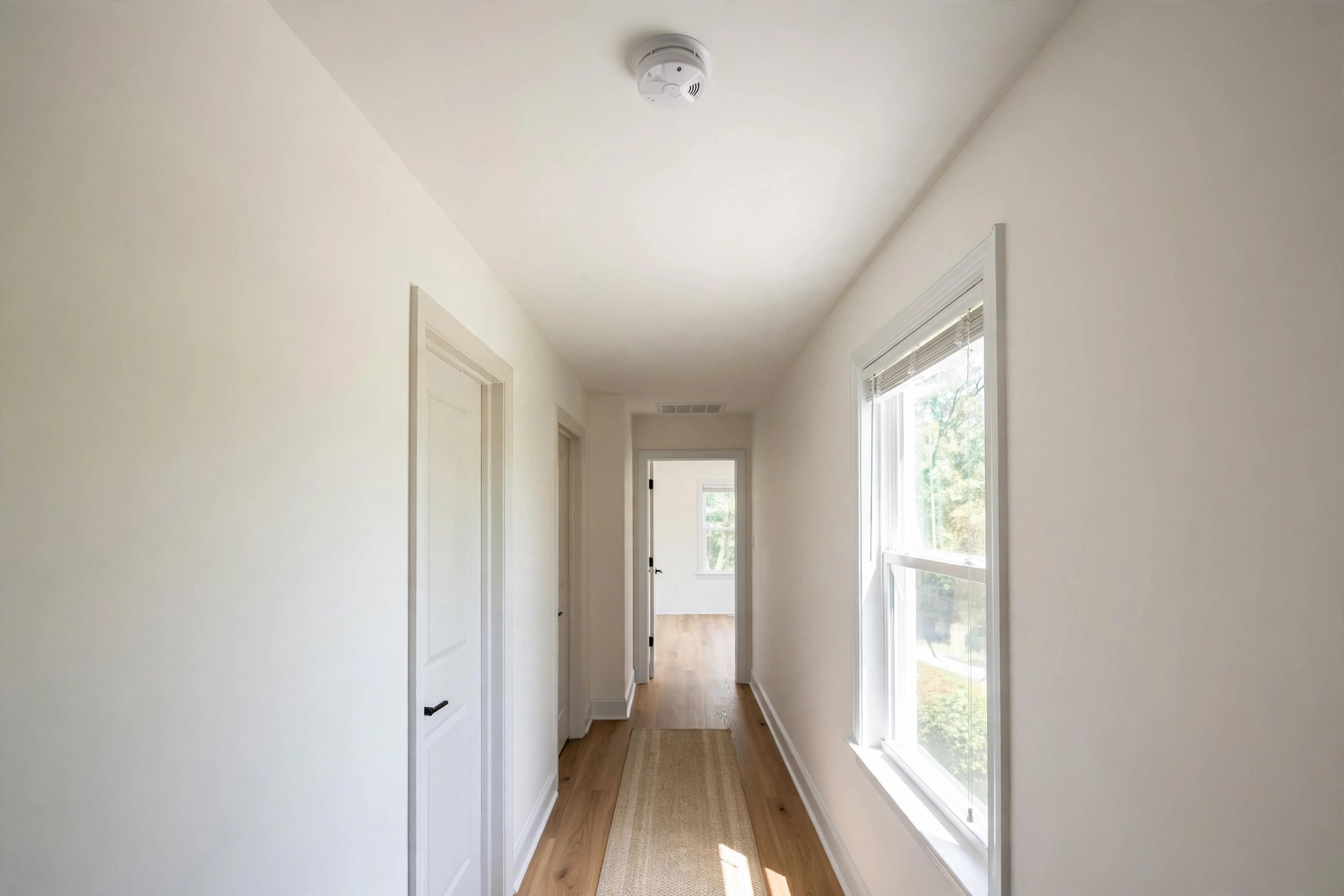
Put one inside each bedroom. Put one in the hallway outside the bedrooms. Put one on each floor, even the basement. Put one near the stairs. Smoke rises. An alarm high on a wall or on the ceiling catches it first.
Keep alarms ten feet from the stove. Cooking steam sets them off. A false alarm trains people to take the battery out. With a sealed battery you cannot take it out, but people still pull the unit down. Distance from the kitchen keeps the alarm honest.
Do not put an alarm in the garage. Car exhaust sets it off. Do not put one in a steamy bathroom. Moisture ruins the sensor. In-depth product tests at pcmag.com also note that dust and humidity shorten sensor life, so keep units clean and dry.
Care and Upkeep
A sealed battery alarm needs little care. It still needs some.
Test each alarm once a month. Hold the test button. The horn should sound loud. If it sounds weak, replace the unit.
Vacuum the alarm twice a year. Dust blocks the sensor. Use the soft brush on your vacuum. Wipe the outside with a dry cloth.
Never paint an alarm. Paint clogs the vents. A clogged alarm cannot sense smoke.
Write the install date on the unit with a marker. Ten years pass fast. The date on the case tells you when to replace it. Most units sound an end-of-life chirp too. Do not ignore that chirp. It means the sensor is worn out.
Some renters ask about alarms in rented homes. The rules for rentals differ by state. If you rent, read our guide on the best security system for renters 2026 usa for how tenants handle safety gear.
Safety Rules and Building Codes
Most states follow a national fire code for alarm placement. New building rules require alarms in every bedroom. Older homes may follow older rules. The law sets a minimum. You can always add more.
Some cities require the sealed ten-year battery by law. The goal is to end the dead-battery problem. Landlords in those cities must upgrade old alarms. Fines apply if they do not. Check with your city fire office. A phone call takes five minutes.
Never rely on one alarm for a whole house. Smoke may not reach a far room in time. More alarms mean earlier warning. Earlier warning means more time to leave.
Plan your escape too. An alarm is only half the plan. Know two ways out of every room. Agree on a meeting place outside. Walk the plan with your family once a year.
Connecting Alarms Together
Many new alarms can link to each other. When one sounds, all sound. This is called interconnection. It helps in a large home. A fire in the basement wakes the people upstairs.
Some alarms link by wire. Some link by radio signal. Radio-linked alarms are easier to add to an old house. No wires to run. Check the box for the word “interconnectable” before you buy.
Smart alarms send alerts to your phone. This helps when you are away. You learn about the fire early. You can call for help. Phone alerts need Wi-Fi. If your Wi-Fi is down, the alarm still sounds at home. The local horn never needs the internet. Google’s own store lists the current Nest Protect and its phone-alert features at store.google.com.
If you want cameras without monthly fees to pair with your alarm alerts, see our notes on the best outdoor security camera without wifi subscription.
Common Review Complaints and What They Mean
Reviews mention a few problems often. Here is what they mean.
False alarms during cooking. The alarm sits too close to the stove. Move it farther away. Or switch to a photoelectric model near the kitchen.
Chirping at night. A chirp every minute often means end of life. It can also mean dust in the sensor. Vacuum the unit first. If the chirp stays, replace the unit.
Hard to mount. Some bases twist on. Some screw on. Read the manual. Most take five minutes with a drill.
Too quiet. Check the decibel rating. Move the alarm closer to the bedroom door. Add a second alarm in the hall.
App will not pair. Smart alarms need a steady Wi-Fi signal. Move your router closer or add a range extender. Pair the alarm before you mount it on the ceiling.
FAQ
How long does a 10 year battery smoke detector really last?
It lasts ten years from the date it was made. The sealed lithium cell runs the whole time. After ten years the sensor wears out. Replace the full unit. Do not keep using it past its end-of-life warning.
Are sealed battery alarms better than ones with replaceable batteries?
For most homes, yes. The main cause of alarm failure is a dead or missing battery. A sealed battery removes that risk. You pay a little more up front. You save the yearly battery change.
Do I need a smart smoke detector?
Not always. A basic alarm wakes you up. That is its job. A smart alarm adds phone alerts and voice warnings. It helps if you travel often or have a large home. It costs much more. A basic dual-sensor alarm protects just as well while you sleep.
How many alarms does my home need?
Put one in each bedroom. Put one outside each sleeping area. Put one on every level. Most homes need four to six. Larger homes need more. When in doubt, add one more.
Can I mix brands in one house?
Yes, for standalone alarms. Each works on its own. But linked alarms must match. Only alarms made to interconnect will link together. Check the manual. When brands match, the link works.
What should I do with an old alarm?
Do not throw a sealed lithium battery in the trash. Take it to a battery drop-off site. Many hardware stores take them free. Your city may hold e-waste days. The rest of the unit can go in normal trash once the battery is out, but rules differ by town.
A Final Word
Reading 10 year battery smoke detector reviews usa is a smart first step. The reviews point you to good models. This guide gives you the rest. Pick the right sensor type. Count how many you need. Mount them in the right spots. Test them each month.
A smoke alarm is a small box. It does one job. It buys you time. Time is the most precious thing in a fire. Spend the money. Do the work. Sleep safer.
References
ADT. (n.d.). Home security and automation. https://www.adt.com CNET. (n.d.). Technology news and reviews. https://www.cnet.com Consumer Reports. (n.d.). Product reviews and ratings. https://www.consumerreports.org Google Store. (n.d.). Smart home devices. https://store.google.com PCMag. (n.d.). Technology product reviews. https://www.pcmag.com Ring. (n.d.). Smart home security devices. https://www.ring.com SimpliSafe. (n.d.). Home security systems. https://www.simplisafe.com The Verge. (n.d.). Technology news and reviews. https://www.theverge.com U.S. Consumer Product Safety Commission. (n.d.). Product safety information. https://www.cpsc.gov
Was this guide helpful?

About Emily Rodriguez
The My Garden US editorial team writes practical, in-depth home and garden guides for American homeowners — tested advice, no fluff.