
Renting a home brings a special problem. You want to feel safe, but the walls are not yours. A landlord may not allow holes in the walls. A wired system may cost too much to install and remove. The best security system for renters 2026 USA buyers choose today must solve all of this. It must be simple to set up, simple to move, and simple to take with you when the lease ends. This guide explains what to buy, what to avoid, and how to keep costs low.
Why a Security System Matters for Renters
Renters face the same risks as owners. Break-ins, stolen packages, and fires do not check lease papers. A study of crime reports shows that apartments see a large share of property crime. A visible camera or a loud alarm can stop a thief before the damage starts. Police officers have said for years that a marked home alarm is one of the best deterrents.
Many renters still wait. They think a security system is only for people who own a house. That idea is old. New systems were built with renters in mind. They need no wires. They need no drilling. They run on batteries and a home Wi-Fi network. You can peel them off the wall when you move and stick them up in the next place. If you have ever wanted peace of mind in a rental, this year is a good time to act.
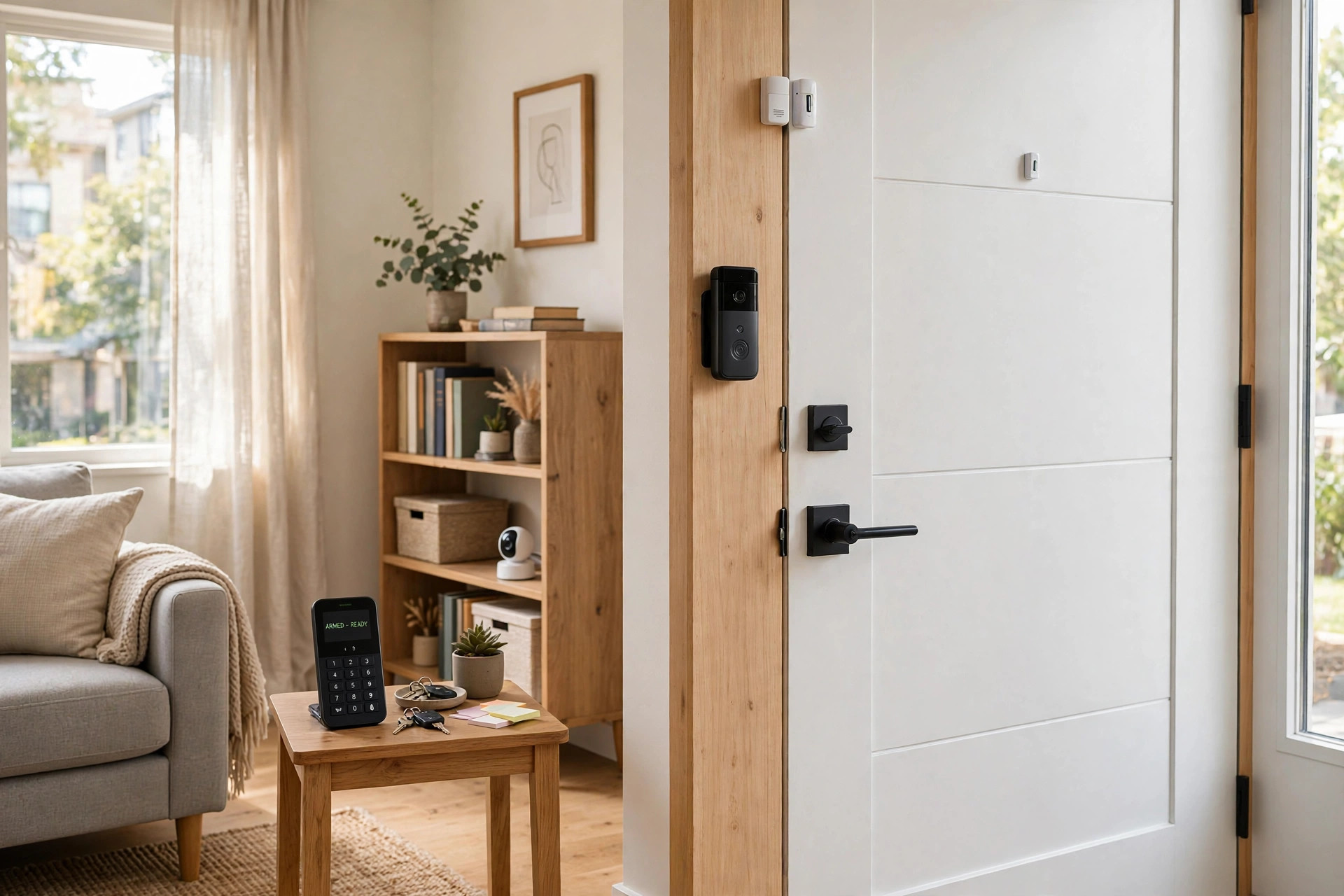
Renters also value the video doorbell for apartments with no wiring. A doorbell that needs no wires fits the same no-drill rule as the rest of the kit. It lets you see who is at the door without opening it. That matters in a building with shared halls and stairs.
What to Look for in a Renter-Friendly System: Best Security System for Renters 2026 Usa
No drilling and no wiring
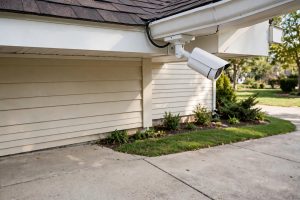
This is the first rule. Look for sensors that mount with strong adhesive strips. Look for cameras that sit on a shelf or stick to a flat surface. A good renter system uses no screws at all. If a kit needs a power drill, put it back on the shelf.
Easy move and easy cancel
Your lease will end one day. The system should move with you in one box. Ask how long it takes to uninstall. A fair answer is under an hour. Check the contract too. A monthly monitoring plan should be cancelable without a fee. Avoid any plan that locks you in for two or three years.
Wireless cameras and a strong app
The heart of a renter system is the phone app. It should show live video, send alerts, and arm or disarm the alarm. The cameras should run on batteries that last for months. Test reports from CNET and PCMag often rank battery life and app quality near the top. Read those reviews before you spend your money.
No monthly fee options
Some systems work well with no monthly plan. A video doorbell without subscription is a good example. Local storage is another. A camera that stores video on a memory card or a small hub keeps your footage private and your bill at zero. Our guide to security cameras with local storage explains how this works.
Smart home support
Many renters already own a smart speaker or a smart display. A good security system should work with it. Check the box for the names of the platforms it supports. Product pages like Google Store and Ring list which devices work together. A system that talks to your speaker lets you arm the alarm with your voice.
Types of Security Systems for Renters
DIY self-monitored kits
These are the most common renter choice. You buy the kit, you set it up, and your phone does the monitoring. If a sensor trips, you get a text or a call. Brands such as SimpliSafe sell kits made for this use. The SimpliSafe site shows kits with a base station, keypad, door sensors, and motion sensors. You pay once for the hardware and nothing more if you skip the plan.
Professionally monitored systems
With this type, a call center watches your alarm day and night. If a sensor trips and you do not answer, the center calls the police. ADT is the best-known name here. ADT has added renter-friendly gear in recent years, including wireless kits that need no permanent install. The monthly fee is higher, but the backup is real.
Camera-only setups
Some renters skip the alarm and use cameras only. A video doorbell plus one or two indoor cameras can cover a small apartment well. This is the cheapest route. It also moves the fastest. You lose the siren and the door sensors, but you keep eyes on the home. Review sites like The Verge often test these camera-first setups.
Smart locks and sensors
Renters with permission can add a smart lock that fits over the existing deadbolt. No screws needed. Add a leak sensor under the sink and a smoke listener near the alarm. These small devices stop water damage and catch fire early. Safety guides from the U.S. Consumer Product Safety Commission explain why early warning saves lives and property.
How to Choose the Best Kit for Your Rental
Start with your lease. Read it. Some landlords allow small adhesive mounts but no screws. Some allow a doorbell on the frame but not on the door itself. A short talk with the landlord can clear up the rules. Get the answer in writing if you can.
Next, walk through your rooms. Count the doors and ground-floor windows. A studio may need only two sensors and one camera. A three-bedroom apartment may need six sensors and three cameras. Write the count down. Then buy a kit that matches it. Buying a huge kit for a small flat wastes money.
Think about the internet. Most renter systems need Wi-Fi. Test your Wi-Fi in every room with your phone. If the signal is weak in the hall, add a range extender or pick a camera with a hub that reaches farther. A system is only as good as its connection.
Check the power. Battery cameras are fine, but batteries die. Pick cameras with a battery life of at least three months. Rechargeable batteries save money over time. Keep one spare battery charging so a dead camera never leaves you blind.
Look at the total cost, not just the box price. Add the hardware, the monthly plan if you want one, and the batteries. A cheap kit with a costly plan can end up the most expensive choice in a year. Independent tests from Consumer Reports often show the true two-year cost of each system. That number is the one that matters.
Cost and Price in 2026
Prices for renter security kits fall into clear bands this year. A basic DIY kit with a hub, a keypad, two door sensors, and one motion sensor runs from about 150 to 250 dollars. A mid-range kit with a video doorbell and two cameras runs from about 300 to 500 dollars. A large monitored kit with professional service can start near 500 dollars for hardware plus 20 to 30 dollars a month.
Monthly plans range from zero to about 30 dollars. Self-monitoring costs nothing. Basic cloud video plans cost about 5 to 10 dollars a month. Full professional monitoring costs about 20 to 30 dollars a month. Many renters pick the middle road: a small monthly plan for video storage and no call-center service.
Watch for sales. Big shopping events often cut kit prices by 20 to 30 percent. Buying the kit on sale and skipping the plan is the cheapest path to real protection. Also check for student or military discounts. Some makers offer them year round.
One more cost note. Some cities charge a false-alarm fee after a number of false calls in a year. Ask your local police about the rule. A monitored system that calls the police on a false trip can cost you real money. Test your system well in the first week to keep false alarms low.
Installation Without Damage
A renter install should leave no trace. Start with the door sensors. Most use adhesive strips made for picture frames. Clean the surface with a dry cloth first. Press the strip hard for thirty seconds. Wait an hour before you hang the sensor.
Place the base station or hub on a shelf near the router. It needs power and a steady signal. Do not hide it in a closet. Thick walls weaken the radio link to the sensors. A central spot in the living room works best in most apartments.
Mount cameras high but without screws. A camera on top of a bookcase sees the whole room. A small indoor stand or a stick-on mount works on tile and glass. For the front door, a doorbell with a wedge mount fits most frames. If the landlord says no to the frame, use a freestanding doorbell chime and an indoor camera aimed at the door.
Test everything the same day. Open each door and window. Walk past each motion sensor. Check that the phone gets an alert within seconds. Fix any weak link before you call the job done.
Care and Upkeep
A renter system needs little care, but not zero. Check battery levels once a month in the app. Replace or recharge weak batteries right away. Dust the camera lenses with a soft dry cloth. Dust can blur the night view.
Update the app and the firmware when the phone prompts you. Makers fix bugs and close security holes with updates. An old app version can miss alerts. Set updates to run at night so they never block your morning routine.
When you move, plan the teardown. Take photos of each sensor spot before you remove it. Warm the adhesive with a hair dryer on low for a minute. Pull the strip slowly along the wall, not away from it. This trick removes most strips with no paint damage. Clean any leftover marks with a damp cloth. Most landlords accept this level of care.
Safety Notes
Security gear has its own safety rules. Keep cameras out of bathrooms and bedrooms of roommates. Many states have laws about recording people who expect privacy. A camera in a shared living room is usually fine. A camera in a shower room is not. Check your state law before you aim a lens.
Place smoke and carbon monoxide listeners where the maker says. One near each sleeping area is the common rule. Test them monthly with the test button. The U.S. Consumer Product Safety Commission reminds renters that working alarms cut fire deaths in half. A security system should never replace smoke alarms. It should add to them.
Secure your Wi-Fi. Use a strong password on the router. Turn on two-step sign-in for the security app. A camera with a weak password can be watched by strangers. This happens more often than people think. Good digital locks matter as much as the physical ones.
Do not share full app access with roommates unless you trust them fully. Most apps allow limited guest access. Use that. A guest code for the keypad is safer than sharing the master code.
Frequently Asked Questions
Can my landlord stop me from installing a security system?
It depends on the lease. Most leases forbid permanent changes like drilling or wiring. A no-drill wireless system usually falls outside those rules. Still, tell the landlord what you plan to install. A short written note avoids a fight at move-out. Some landlords even like the idea, since a protected unit is a safer unit.
Do I need Wi-Fi for a renter security system?
Almost always yes. The sensors talk to a hub, and the hub talks to your phone through Wi-Fi. A few cameras use cell data instead, but they cost more each month. If your rental has weak Wi-Fi, fix that first. A cheap range extender often solves the problem.
Will the system work in a power outage?
Most hubs have a small backup battery that lasts for hours. Sensors run on their own batteries, so they keep working. Cameras may stop if they need wall power. Battery cameras keep recording. If outages are common in your area, pick battery gear for every key spot.
What happens to my system when I move?
You take it with you. Remove the sensors, pack the hub and cameras, and set them up in the new place. Most apps let you change the address in minutes. If you had professional monitoring, call the company to update the address. Cancel the plan if the new place does not need it.
Is professional monitoring worth it for a renter?
It can be. If you travel often or work long shifts, a call center is a real backup. If you are home most evenings and your phone is always near, self-monitoring may be enough. Weigh the 20 to 30 dollar monthly cost against how often you are away.
Can I use the same system in a house later?
Yes. Most renter kits scale up. You can add sensors, cameras, and a louder siren when you move to a house. The hub stays the same. This is one more reason to buy a known brand. A system you outgrow in a year is money wasted.
A Final Word
The best security system for renters 2026 USA shoppers can buy is the one that fits the lease, the budget, and the floor plan. Pick no-drill wireless gear. Keep the contract short or skip it. Test the app before you trust it. Move the whole kit with you when you go. Safety is not a landlord’s job alone. With the right kit, a renter can sleep as soundly as any owner.
References
ADT. (n.d.). Home security and automation. https://www.adt.com CNET. (n.d.). Technology news and reviews. https://www.cnet.com Consumer Reports. (n.d.). Product reviews and ratings. https://www.consumerreports.org Google Store. (n.d.). Smart home devices. https://store.google.com PCMag. (n.d.). Technology product reviews. https://www.pcmag.com Ring. (n.d.). Smart home security devices. https://www.ring.com SimpliSafe. (n.d.). Home security systems. https://www.simplisafe.com The Verge. (n.d.). Technology news and reviews. https://www.theverge.com U.S. Consumer Product Safety Commission. (n.d.). Product safety information. https://www.cpsc.gov
Was this guide helpful?

About Sarah Mitchell
The My Garden US editorial team writes practical, in-depth home and garden guides for American homeowners — tested advice, no fluff.
You May Also Like
Quick Access Bedside Safe Reviews USA: A Plain Guide to Choosing One
February 8, 2026 0 views
Best Home Battery Backup System Reviews USA: A Complete Buyers Guide
June 16, 2026 0 views
Best PoE Security Camera System Reviews USA: What Homeowners Should Know Before They Buy
August 22, 2026 0 views