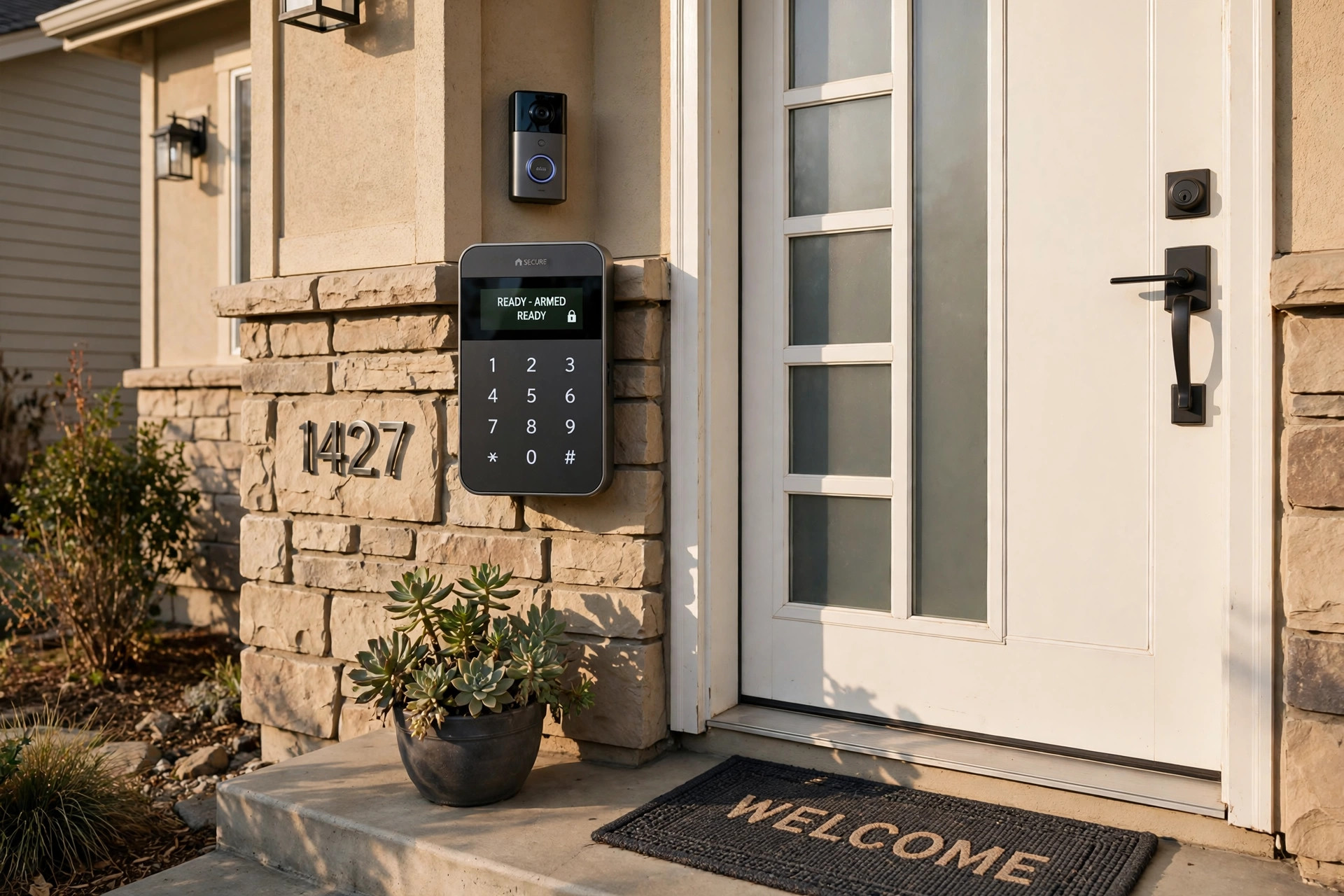

When American homeowners read vivint vs adt reviews for homeowners usa, they want one plain answer. Which company protects the home better, and which one costs less over time. Both names appear in every list of home security firms. Both sell alarm panels, door sensors, cameras, and round-the-clock monitoring. Yet the two firms run their business in different ways. The contract terms differ. The equipment differs. The monthly bill differs. This guide lays out those differences in simple terms so a homeowner can choose with open eyes.
Why This Comparison Matters
A home security system is not like a toaster. It guards the house for years. Once a company drills holes in the wall and wires a panel, the homeowner lives with that choice. Many people who read vivint vs adt reviews for homeowners usa are buying their first monitored system. They want to know which firm treats customers fairly.
The two companies have long histories in the United States. ADT is the older name, known to several generations of Americans. Vivint is younger and markets smart home equipment with a modern look. Both promise quick response when an alarm sounds. Both send alerts to a phone. The reviews that matter most are not about the color of the panel. They are about the service after the sale. Does the company answer when the alarm rings. Does the technician arrive on time. Does the bill stay as promised.
Homeowners also ask about cost over the full life of the contract. An advertisement may show a low monthly price. The fine print may add equipment payments, service fees, and taxes. A fair comparison counts every dollar across three to five years. That is how many contracts run.
What to Look for When You Compare: Vivint vs Adt Reviews for Homeowners Usa
Reviews of security firms are most useful when the reader knows what to weigh. The points below are the ones that matter in real life.
Monitoring. Both firms offer professional monitoring, which means a person at a call center answers when the alarm sounds. This is the heart of the service. Ask how fast the center answers. Ask what happens if the home phone line is cut. Most systems now use a cell signal as a backup, and that is a good sign.
Equipment quality. Door and window sensors, motion detectors, smoke sensors, and cameras make up the system. Check which parts are included in the basic quote. Some packages leave out items that a home really needs, such as a garage sensor or a second camera.
Smart home control. Vivint is known for this side of the business. Its panel can run door locks, lights, and the thermostat. ADT also sells smart features, but they often come through its app and partner devices. A homeowner who wants one app for everything should test the app before signing.
Contract length. This is where many reviews turn sour. Long contracts, often three to five years, can trap a customer who wants to leave. Ask what it costs to cancel early. Get the answer in writing.
Installation. Both firms send a technician to set up the system. Reviews praise quick, neat work and complain about long waits and missed visits. A short installation window and a clean job matter.
Vivint: The Smart Home Option
Vivint sells itself as a smart home company first and an alarm company second. Its panel has a clean screen that runs the whole house. Lights, locks, cameras, and the thermostat can all live on one app. Homeowners who like new technology often rate Vivint well for this reason.
The equipment looks modern. The doorbell camera, the outdoor cameras, and the smart locks feel like they belong in a new house. The system works with voice assistants, which suits families that already use voice commands.
Reviews also note the costs. Vivint prices its equipment higher than many rivals. The monthly monitoring charge sits above average. Contracts often run several years. Some customers say the sales visit felt pushy. Others say the installer did excellent work and the system has run fine since day one.
Vivint is a strong pick for a homeowner who wants deep smart home control and is comfortable with the price. It is a weaker pick for a buyer who wants the lowest bill or a short contract.
ADT: The Old Name in Monitoring
ADT has watched over American homes for more than a century. Its name is on lawn signs in nearly every state. That history shows in the monitoring centers. ADT runs many centers across the country, so a call gets answered even when one office is busy.
The company offers a wide range of packages. A simple door and window alarm costs far less than a full camera system. This range helps homeowners with small budgets. ADT also works with common smart home brands, so the system can grow over time.
Reviews of ADT are mixed in a way that fits its size. Many customers praise fast alarm response and fair prices on basic plans. Others complain about long contracts and hard cancellations. Some note that the equipment feels plain next to newer rivals. The pattern in the reviews is steady. The monitoring is strong. The paperwork needs care.
ADT suits the homeowner who wants a known brand, solid monitoring, and a basic plan at a fair price. It suits them less if they want the newest gadgets or a contract they can leave in a year.
Cost and Price Side by Side
A side-by-side look at money helps more than any sales pitch. The numbers below are typical ranges in the United States, and they change with deals and zip codes. Use them as a guide, not a quote.
Vivint equipment often starts near the low thousands of dollars for a full set, paid at once or over the contract. Monthly monitoring often lands above forty dollars. Over five years, the total can pass four thousand dollars for a mid-size home.
ADT equipment often costs less up front, with some basic packages near a few hundred dollars. Monthly monitoring for a basic plan can sit in the low thirty-dollar range, while full plans with cameras rise higher. Over five years, a basic ADT plan often totals less than Vivint, while a loaded plan narrows the gap.
Both firms charge extra fees at times. Ask about activation fees, service call fees, and early exit fees. Ask if the monthly rate rises after the first year. Some plans lock the rate. Others do not. The written contract is the only promise that counts.
Shoppers who want no monthly fee at all should look at other options, such as a video doorbell that works without a subscription or a security camera that stores video at home. These do not give professional monitoring, but they cost nothing after the purchase.
Types of Plans and Options
Both companies sell tiers. The base tier covers doors and windows with a loud siren and a call center. The middle tier adds motion sensors and a mobile app. The top tier adds cameras, smart locks, and home automation.
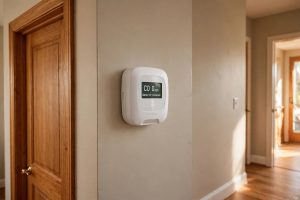
Vivint packages lean toward the full smart home. Even its mid-level plans often include a camera and a smart device. ADT plans can start very simple, which helps renters and small homes. A homeowner can also add carbon monoxide and smoke detection to either system, which is a wise step for any house.
Some shoppers do not want a long contract. Both firms sell to such buyers at times, but the price is higher when the term is short. A buyer who moves often may prefer a system that can travel to the next house. Ask the sales rep about moving the system before the family signs.
Care and Upkeep
A security system needs small care to work well. Test the alarm each month. Most panels have a test mode that calls the center without sending help. Replace batteries in wireless sensors when the panel warns. Clean camera lenses twice a year so the picture stays clear.
Keep the app updated on the phone. Old apps can miss alerts. Check that every family member knows the alarm code and the safe word the center asks for. A system works only when the people in the house use it right.
If the power fails, the panel runs on a backup battery for a day or so. Check that the battery still holds a charge once a year. If the internet fails, systems with a cell signal keep working. This is one more reason to ask about the backup path at the time of purchase.
Safety Notes for Every Homeowner
No alarm stops every break-in. It raises the risk for the thief and buys time for help to arrive. Lock doors and windows even with a system armed. Cut back bushes near entry points so no one can hide. Light the front and back doors at night.
Choose equipment that meets United States safety rules. The U.S. Consumer Product Safety Commission keeps records on faulty devices, and a quick check before buying is good sense. Read the ADT and Ring homepages for current product lines, and look at the SimpliSafe page for a view of a no-contract rival. Independent tests at Consumer Reports, CNET, and PCMag compare cameras and alarms on price and quality. For a broad view of new smart home gear, the Google Store and news coverage at The Verge show what devices pair well with either system.
Frequently Asked Questions
Which is cheaper, Vivint or ADT? ADT often costs less for a basic plan over the life of the contract. Vivint often costs more because of higher equipment prices and higher monthly fees. The final bill depends on the package, the home size, and the deal on the table.
Do I need a long contract with either firm? Both firms favor multi-year contracts. Shorter terms exist but cost more each month. Always ask the early exit fee before signing.
Can I control the system from my phone? Yes. Both firms offer a mobile app that arms and disarms the system and sends alerts. Vivint’s app runs more of the house, such as locks and lights, under one roof.
Does either company install the system for me? Yes. Both send a technician. Reviews suggest Vivint installers do neat work on smart devices, while ADT installers handle basic alarms well. Ask for a firm time window when booking.
What happens when the alarm goes off? The monitoring center calls the home and then the contact list. If no one answers or the safe word is wrong, the center calls the local police or fire service. This is true for both firms.
Can I take the system with me if I move? Often yes, but the rules differ. Some contracts let the system move to a new house. Some firms charge a move fee. Some make the buyer start a new contract. Settle this before signing.
A Short Final Word
The choice between Vivint and ADT comes down to what the homeowner values. Vivint wins on smart home control and modern gear. ADT wins on brand trust, broad coverage, and lower prices for basic plans. Both need careful reading of the contract before the ink dries. A homeowner who asks about the full five-year cost, the exit fee, and the backup signal will rarely regret the pick.
References
ADT. (n.d.). Home security and automation. https://www.adt.com CNET. (n.d.). Technology news and reviews. https://www.cnet.com Consumer Reports. (n.d.). Product reviews and ratings. https://www.consumerreports.org Google Store. (n.d.). Smart home devices. https://store.google.com PCMag. (n.d.). Technology product reviews. https://www.pcmag.com Ring. (n.d.). Smart home security devices. https://www.ring.com SimpliSafe. (n.d.). Home security systems. https://www.simplisafe.com The Verge. (n.d.). Technology news and reviews. https://www.theverge.com U.S. Consumer Product Safety Commission. (n.d.). Product safety information. https://www.cpsc.gov
Was this guide helpful?

About Sarah Mitchell
The My Garden US editorial team writes practical, in-depth home and garden guides for American homeowners — tested advice, no fluff.
You May Also Like

Best Window Locks for Double Hung USA: A Simple Buyer’s Guide
March 10, 2026 0 views
DIY Home Security System Reviews 2026 USA: What to Buy and Why
August 19, 2026 0 views
The Best Security System for Renters 2026 USA
September 19, 2026 0 views