Introduction
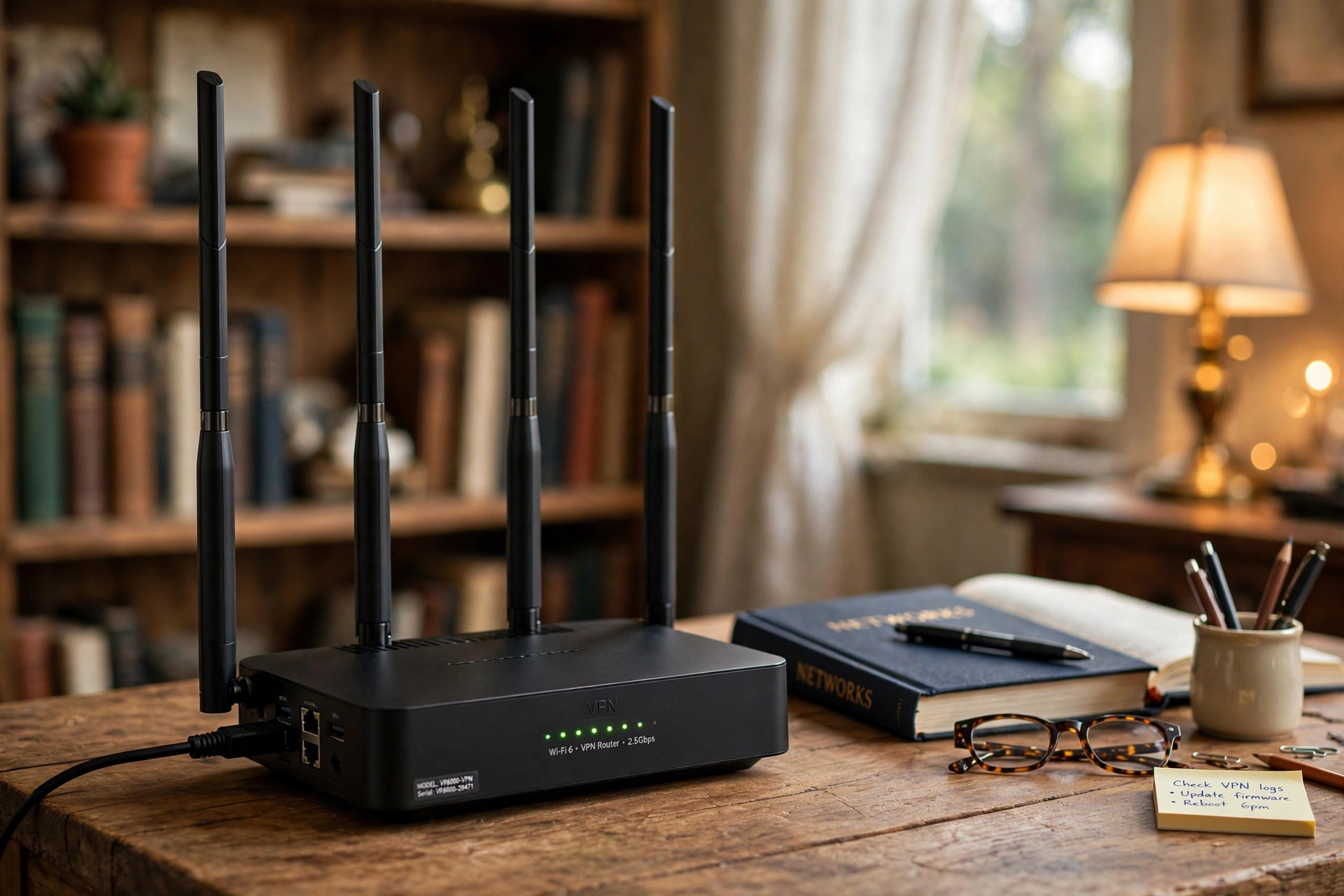
The best vpn router for smart home usa shoppers is not always the one with the biggest numbers on the box. It is the one that protects every device in the house at once. A modern American home can hold thirty or more connected devices. There are smart thermostats, door locks, voice speakers, light bulbs, and cameras. Each one talks to the internet. Each one can be a weak point. A single breach can expose private video, daily routines, and the times a house stands empty.
A VPN router sends all of this traffic through an encrypted tunnel. This means one layer of protection for the whole house. You do not need to set up a VPN on each phone, tablet, or television. The router does the work for everything that connects to it. This article explains what makes a good choice, what features to weigh, and what prices to expect in the United States.
Why a VPN Router Matters for a Smart Home: Best Vpn Router for Smart Home Usa
Smart home devices are small computers. They often run simple software that gets few updates. A cheap smart plug or a low-cost camera may never receive a security patch. Hackers know this. They scan the internet for exposed devices and try to break in.
A router with built-in VPN support hides your home’s internet address. It scrambles the data that leaves the house. Even if one device is weak, an attacker has a harder time reaching it. This matters more as homes add more gadgets. PoE security camera systems benefit as well, since cameras often run around the clock and record private moments.
A VPN router also helps with privacy. Your internet provider can see which sites you visit. A VPN tunnel keeps much of that activity out of reach. For families with children, this adds one more layer of quiet protection.
How to Choose: What to Look For
Speed and Processor Power
Encryption takes work. The router must scramble and unscramble every piece of data. A weak processor slows the whole network down. Look for a router with a fast dual-core or quad-core chip. Check the listed VPN speed, not just the plain Wi-Fi speed. Some models show 1,000 megabits for normal traffic but drop to 200 megabits with VPN turned on.
Testers at PCMag often measure this gap in their router reviews. Their numbers give a fair picture of real performance. Keep your own internet plan in mind too. If your plan gives you 300 megabits, a router that handles 400 megabits of VPN traffic is plenty.
VPN Protocol Support
Protocols are the rules the tunnel follows. Older rules like PPTP are slow and weak. Modern routers should support OpenVPN and WireGuard. WireGuard is newer, fast, and light. It works well on home networks. OpenVPN is older but tested over many years.
Some routers also let you set up separate tunnels for different devices. This is called policy routing. It lets you send the smart television through the VPN while the gaming console uses the normal line. Not every home needs this, but it is a sign of a strong product. Business-grade models may also support site-to-site links, which join two offices into one private network. This is overkill for most homes, yet it shows the maker takes security seriously.
Wi-Fi Coverage and Device Count
A smart home needs wide coverage. The router may sit in a closet or a corner room. The signal must still reach the far bedroom and the garage. Mesh systems send the signal through several units. A single strong router with good antennas can also work in smaller homes.
Count your devices. Then add ten more. Manufacturers list how many devices a router can handle. Pick one rated above your current count. Smart homes grow over time, and you do not want to replace the router in a year. Guidance from CNET on home networking can help you match coverage to the size of your house.
Types of VPN Routers
Consumer Routers With VPN Clients
These are the most common choice. Brands like ASUS sell routers with VPN clients built into the settings. You type in your VPN account details once. The whole network is protected. Many of these models are easy to set up through a phone app. They suit most families.
Mesh Wi-Fi Systems With VPN Support
Mesh systems place several small units around the house. They work well in large or oddly shaped homes. Some mesh systems now include VPN client support. They cost more than a single router. But they remove dead zones where the signal drops.
Routers With Custom Firmware
Some buyers install open-source firmware like DD-WRT or Tomato. These programs unlock extra VPN controls. This route takes more skill. A wrong step can break the router. It suits hobbyists who enjoy fine control. For most homes, a router with built-in support is the simpler path.
Cost and Price
A basic VPN-capable router in the United States often costs between 80 and 150 dollars. Mid-range models with faster chips run 150 to 300 dollars. High-end mesh systems or gaming-grade routers can reach 300 to 600 dollars. Prices move with sales, so it pays to watch holiday events.
Remember that the router is only part of the cost. A VPN service subscription is also needed. Most good services charge between 3 and 13 dollars per month. Some offer a lower rate if you pay for a year at a time. Add both numbers together when you compare options.
Also think about value over time. A router lasts three to five years. A 250-dollar router over four years costs about five dollars a month. That is often less than one streaming subscription. Independent testers at Consumer Reports publish ratings that help weigh price against performance.
Do not forget the hidden costs of a cheap pick. A weak router may need replacing in eighteen months. It may also cause dropped video calls and buffering on movie night. These headaches have a price too. Spending a little more up front often buys a calmer home network. Check warranty terms before you buy. Most makers offer one to two years. A longer warranty signals a maker that stands behind its hardware.
Setting Up and Caring for Your Router
Placement
Put the router in a central, open spot. Avoid the basement floor or a metal cabinet. Heat shortens the life of electronics. Keep the router away from microwaves and thick walls. A shelf at chest height in a central room works well.
Updates
Turn on automatic firmware updates if the router offers them. Makers release fixes for security holes. An old firmware can leave the tunnel open to attack. Check the update page once a month if updates are manual.
Passwords
Change the default admin password on the first day. Use a long phrase that is hard to guess. Do the same for the Wi-Fi network. A guest network for visitors keeps the main network separate. Smart plugs and smart hose timers can live on their own network too, which limits damage if one is hacked.
Checking That the Tunnel Works
After setup, confirm the VPN is active. Most router apps show a small icon or a green status line. You can also visit a free “what is my IP” site from a laptop on the network. If the shown location matches your VPN server, the tunnel is up. Test more than once. Reboot the router and check again. A tunnel that drops on reboot needs a settings fix. Many routers offer a kill switch. This blocks all traffic if the VPN drops. Turn it on for the best protection.
Safety and Privacy
A VPN router is a strong tool, but it is not magic. It cannot fix a weak password on a camera. It cannot stop phishing emails. Use it as one part of a larger plan. Keep device apps updated. Turn on two-step verification where it is offered.
Watch for recalled products. The U.S. Consumer Product Safety Commission lists devices with known hazards. A router that runs hot or a power adapter with a fault can be a fire risk. Buy from known makers and check for recalls once a year.
Also think about who guards the house when you are away. Companies like ADT and SimpliSafe offer monitored alarm systems. Ring sells doorbells and cameras that pair with home networks. A VPN router protects the data these devices send. The devices themselves must still be strong and up to date.
When you budget for the whole project, do not forget home security system installation costs. The router, the security service, and the installation together form the real price of a safe smart home. Plan the full picture before you buy piece by piece.
One more habit helps. Review which devices are on your network twice a year. Most router apps show a device list. If you see a gadget you no longer own, remove it. Old phones and tablets of past guests can linger with network access. A clean device list shrinks the target for attackers. Small habits like this add up over time.
Frequently Asked Questions
Do I need a VPN router if I already use VPN apps?
Apps protect single devices. A router protects everything on the network. Many smart devices cannot run apps at all. A smart bulb or a voice speaker has no app store. A VPN router covers those devices too. If you have many gadgets, the router is the better answer.
Will a VPN router slow down my internet?
Some slowdown is normal. Encryption takes processing time. A strong router keeps the loss small, often under ten percent. A weak router can cut speed in half. Match the router’s VPN speed rating to your internet plan. Then test after setup and move the router if speeds look low.
Can I use a VPN router with Google Nest devices?
Yes. Google Nest hardware connects to any standard Wi-Fi network. The VPN router treats these devices like any other. Voice commands and video calls still work. Just make sure the router supports enough devices for your full list of gadgets.
Is it hard to set up?
Most modern routers guide you through a phone app. You pick your VPN provider from a list. You enter your username and password. The tunnel turns on. The whole job often takes under twenty minutes. Custom firmware setups take longer and need more care.
Where can I read honest reviews before buying?
Technology publications test routers under real conditions. The Verge covers smart home trends and new hardware. Their reporting helps you see which features matter in daily use. Compare several sources before you spend.
Can my internet provider block VPN traffic?
Blocking is rare in the United States. Most providers allow VPN use without trouble. A few public Wi-Fi networks at hotels or airports try to limit it. At home on your own plan, this is almost never a problem. If your tunnel fails to connect, check the router logs first. The issue is usually a wrong password or an expired subscription, not a block.
Final Word
The best vpn router for smart home usa buyers is the one that fits the house, the device count, and the budget. Start with your internet speed. Pick a router whose VPN speed meets or beats it. Check for OpenVPN and WireGuard support. Place the unit well, update it often, and pair it with strong passwords. Done right, one box can guard every smart device in the home, from the front door lock to the nursery camera.
References
ADT. (n.d.). Home security and automation. https://www.adt.com ASUS. (n.d.). Routers and networking. https://www.asus.com CNET. (n.d.). Technology news and reviews. https://www.cnet.com Consumer Reports. (n.d.). Product reviews and ratings. https://www.consumerreports.org Google Store. (n.d.). Smart home devices. https://store.google.com PCMag. (n.d.). Technology product reviews. https://www.pcmag.com Ring. (n.d.). Smart home security devices. https://www.ring.com SimpliSafe. (n.d.). Home security systems. https://www.simplisafe.com The Verge. (n.d.). Technology news and reviews. https://www.theverge.com U.S. Consumer Product Safety Commission. (n.d.). Product safety information. https://www.cpsc.gov
Was this guide helpful?

About James Carter
The My Garden US editorial team writes practical, in-depth home and garden guides for American homeowners — tested advice, no fluff.