
If you walk into an American flooring aisle today, two names keep coming up: LifeProof and COREtec. Both sell luxury vinyl plank. Both promise a floor that looks like real wood and stands up to water, pets, and busy family life. This lifeproof vs coretec flooring comparison usa will help you see how they differ, where they stand equal, and which one fits your home and your budget.
Why This Comparison Matters
New floors cost real money. A full house can run into thousands of dollars. Picking the wrong product means you live with the mistake for ten years or more. Picking the right one means you stop thinking about your floors and get on with life.
Both brands sit in the same part of the market. They are not the cheap sheet vinyl of years past. They are rigid-core vinyl planks that click together and float over the subfloor. They look close to real oak, walnut, or hickory. Because they are so alike, the details matter: the core, the wear layer, the underlayment, the price, and the warranty.
This guide keeps the language plain. It does not favor one brand. It lays out the facts so you can decide with a clear head.
What LifeProof and COREtec Have in Common: Lifeproof vs Coretec Flooring Comparison Usa
Before the differences, it helps to see the ground they share.
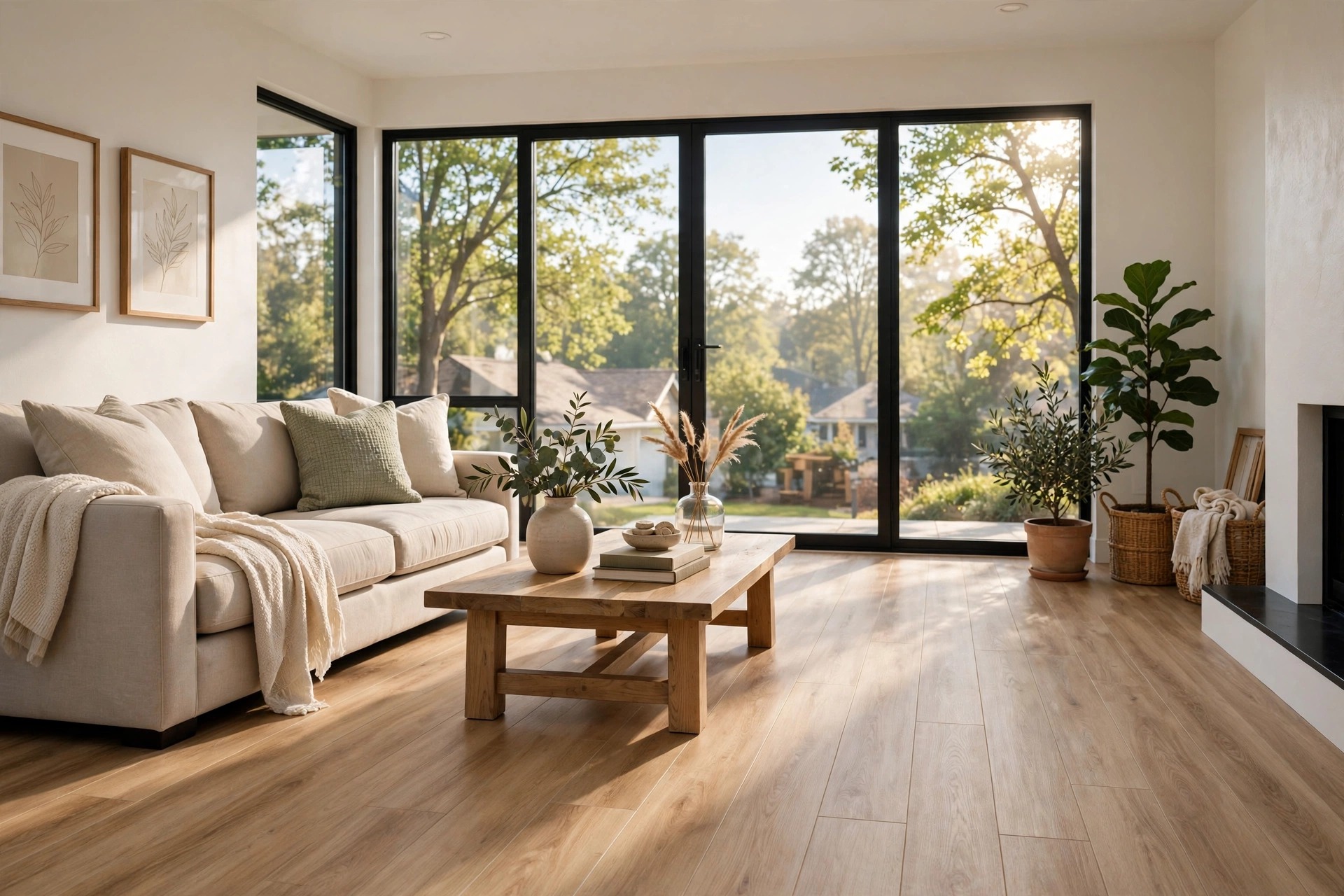
Both brands make rigid-core luxury vinyl plank. Each plank clicks into the next one. No glue is needed for most installs. Both are 100 percent waterproof. A spill, a dog bowl, or a wet boot does not swell the planks the way real wood swells.
Both come in long planks that copy wood grain. The printing has grown very good. A guest may need to kneel down to tell the difference from real oak. Both carry long home warranties, often 25 years or lifetime for the house, with shorter terms for business use.
Both also skip real wood entirely. If you love the feel and smell of true hardwood, neither one will give you that. What they give you is a look-alike surface that asks far less care than real wood.
Core Construction: The Heart of the Plank
The core is the thick middle layer of the plank. It decides how the floor feels, how it handles heat, and how flat your subfloor must be.
LifeProof and the SPC Core
LifeProof, the brand sold by Home Depot, the store that sells LifeProof, uses an SPC core. SPC stands for stone plastic composite. It blends limestone powder with plastic. The result is very hard and dense.
A hard core has clear gains. It resists dents from dropped pots and chair legs. It holds up well in rooms that get hot sun from big windows. It also needs less give from the subfloor, though you still want the floor flat.
COREtec and the WPC and SPC Lines
COREtec, made by the company now owned by Shaw, the company behind COREtec, started with a different idea. Its first planks used a WPC core. WPC stands for wood plastic composite. It uses wood fiber and foaming agents inside the plastic. This makes a thicker, slightly softer plank.
COREtec later added SPC lines too. So today the brand sells both core types. The WPC lines, such as COREtec Plus, feel a little warmer and softer underfoot. The SPC lines, such as COREtec Pro, behave much like LifeProof: hard, dense, and very stable.
If you must choose by core alone, the rule is simple. For the hardest, most dent-proof floor, SPC wins. For a slightly softer step, look at WPC lines.
Wear Layer: How the Surface Stands Up to Life
The wear layer is the clear skin on top of the printed wood image. Its thickness is measured in mils. One mil is one thousandth of an inch. A thicker wear layer takes more years of foot traffic before the image starts to show wear.
LifeProof sells several lines. The basic lines carry a 6-mil wear layer. Step-up lines carry 12 mil. The top lines carry 20 or 22 mil. A 6-mil floor suits a quiet bedroom. A 20-mil floor suits a front hall with dogs, kids, and grit from shoes.
COREtec also sells tiers. Many COREtec Plus lines carry a 20-mil wear layer. COREtec Pro lines go higher, up to 28 mil on some products. In general, COREtec’s mid-range lines carry thicker wear layers than LifeProof’s mid-range lines.
What does this mean for you? If your house has pets with claws, think about flooring options for homes with pets and lean toward 20 mil or more. If the floor goes in a low-traffic guest room, a thinner wear layer will serve fine and save money.
Neither brand will stop a sharp rock dragged across the floor. Both will shrug off normal shoes, chair wheels, and pet nails when the wear layer is thick enough.
Feel Underfoot and Sound
A floor is not only a picture. You walk on it every day. The feel matters.
COREtec WPC lines have a built-in cork underlayment on many products. Cork gives a small cushion. The floor feels a touch warmer in winter and a touch quieter when you walk. Many buyers notice this the first time they stand on a sample board.
LifeProof planks are thinner and harder. They feel firm, more like tile. Sound can carry a little more. Most installers add a separate underlayment if the room needs it quieter, though you must use one rated for rigid vinyl so the click joints do not flex too much.
On concrete slabs, both brands feel cool in winter. Rugs in seating areas fix that for either brand.
Installation: What a Homeowner Faces
Both brands use click-lock edges. The planks angle into place and lock down. A careful homeowner can install either one over a weekend in a medium room.
There are small differences worth noting. LifeProof planks are usually 6 to 7 inches wide and around 48 inches long. COREtec offers wider and longer formats on some lines, up to 9 inches wide and 72 inches long. Big planks cover a room faster, but they are harder to handle alone.
Both need a flat subfloor. High spots must be ground down. Low spots must be filled. Both need a small gap at the walls for the floor to expand. Both makers warn against installing over very soft old carpet or over floors with loose tiles.
If you hire a pro, expect labor around two to four dollars a square foot in most American markets, with higher rates on the coasts. Lowe’s also stocks wide vinyl plank lines and sells install services through its stores, much like its rival.
Price and Cost in the USA
Price is where many buyers make the final call.
LifeProof usually costs less. Common prices run from about two and a half dollars to four and a half dollars a square foot for the material. Sales at the big store can push it lower. This makes LifeProof one of the cheapest ways to get a rigid vinyl plank with a real warranty.
COREtec usually costs more. Common prices run from about four dollars to eight dollars a square foot. The top Pro lines cost the most. You pay for thicker wear layers, cork backing on many lines, and longer plank formats.
A 500-square-foot job shows the gap clearly. LifeProof material might run 1,500 to 2,000 dollars. The same area in COREtec might run 2,500 to 4,000 dollars. Add labor and trim, and the gap grows.
LL Flooring lists many rigid vinyl planks at prices between these two, which shows the market is wide. You are not locked into only these brands. But if your choice is down to these two, LifeProof wins on price in nearly every head-to-head.
Care and Upkeep
Day to day, both floors ask for the same simple care.
Sweep or vacuum often. Grit is the enemy of every wear layer. Mop with a damp mop and a cleaner made for vinyl floors. Do not flood the floor. Standing water will not hurt the planks, but it can seep into seams and reach the subfloor below.
Do not use steam mops. The heat can break down the click joints over time. Do not use wax or polish made for real wood. Felt pads under chair legs stop most scratches.
Stains wipe off both brands with ease. Pet messes clean up with no mark if you catch them in time. For a bathroom with real tile, remember that tile grout needs its own care; a grout sealer made for bathroom tile keeps those lines clean, while vinyl plank needs none of that.
Both brands keep their color well in normal indoor light. In a sunroom with glass on three sides, heavy sun can fade any floor over the years. Rugs and blinds help.
Safety in the Home
Two safety points matter with any vinyl floor.
First, slip. The wood-look texture gives decent grip when dry. When wet, any smooth floor can be slick. Wipe up spills fast. Put a mat by the tub and the back door.
Second, indoor air. Both brands are FloorScore certified or carry similar low-emission labels. That means they release very low levels of volatile chemicals after install. Air out the room for a day after the job. People with strong chemical sensitivity should still check the current certificate before buying.
Neither floor is fireproof. Both will melt under extreme heat. Keep space heaters and hot items off the surface.
Frequently Asked Questions
Is LifeProof really waterproof?
Yes. The planks themselves do not absorb water. Spills sit on top until you wipe them. The maker backs this with a waterproof warranty. Water can still get under the floor through wall gaps if a room floods, so fix leaks fast.
Is COREtec better quality than LifeProof?
It depends on the line you compare. COREtec’s mid and top lines carry thicker wear layers and cork backing, which many buyers read as better quality. LifeProof’s top lines are also strong. Compare wear layer thickness and warranty terms line by line, not brand by brand.
Can I install either floor over old tile?
Often yes, if the old tile is flat, sound, and well stuck down. Deep grout lines may need a skim coat so they do not show through. This Old House runs long-form remodeling guides that walk through subfloor prep step by step.
Which brand is better for dogs?
Both work well for dogs with a 20-mil wear layer or more. Trim nails keep scratches down. COREtec’s cork backing cuts the click of nails a little. For more ideas, read about the subway tile backsplash cost per square foot if you are redoing the whole kitchen around the new floor.
Do these floors add resale value?
A clean, modern vinyl plank floor helps a home show well. Appraisers and buyers still rank real hardwood higher. But a worn carpet or damaged floor hurts value far more than a good vinyl plank helps it. Either brand is a safe pick for resale.
Where can I compare more flooring brands?
Big flooring makers publish full catalogs online. Mohawk, another large American flooring maker, shows how wide the vinyl plank market has grown. The Spruce publishes plain home guides that compare floor types side by side. Tile lovers can browse Daltile, a major American tile maker, to weigh tile against plank for wet rooms.
A Final Word
There is no single winner in this lifeproof vs coretec flooring comparison usa. There is only the right pick for your house.
Choose LifeProof if price leads your decision and you want a hard, stable SPC floor from a store on every corner. Choose COREtec if you want thicker wear layers, softer WPC options, and longer planks, and you are willing to pay more for them.
Either way, buy the wear layer your life needs, prep the subfloor with care, and follow the maker’s install guide. Do those three things and your new floor will serve you well for many years.
References
Daltile. (n.d.). Ceramic and porcelain tile. https://www.daltile.com LL Flooring. (n.d.). Hardwood, vinyl, and tile flooring. https://www.llflooring.com Lowe’s. (n.d.). Home improvement products. https://www.lowes.com Mohawk Flooring. (n.d.). Flooring products. https://www.mohawkflooring.com Shaw Floors. (n.d.). Flooring products. https://www.shawfloors.com The Home Depot. (n.d.). Home improvement products. https://www.homedepot.com The Spruce. (n.d.). Home and garden advice. https://www.thespruce.com This Old House. (n.d.). Home renovation guidance. https://www.thisoldhouse.com
Was this guide helpful?

About James Carter
The My Garden US editorial team writes practical, in-depth home and garden guides for American homeowners — tested advice, no fluff.
You May Also Like
Tile Regrouting Service Reviews Near Me: How to Find a Company You Can Trust
April 28, 2026 0 views
Round Jute Rug for Entryway for Sale: A Plain Buying Guide
April 8, 2026 0 views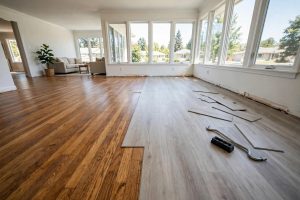
Can You Install LVP Over Hardwood? A Full Guide for USA Homeowners
March 5, 2026 0 views