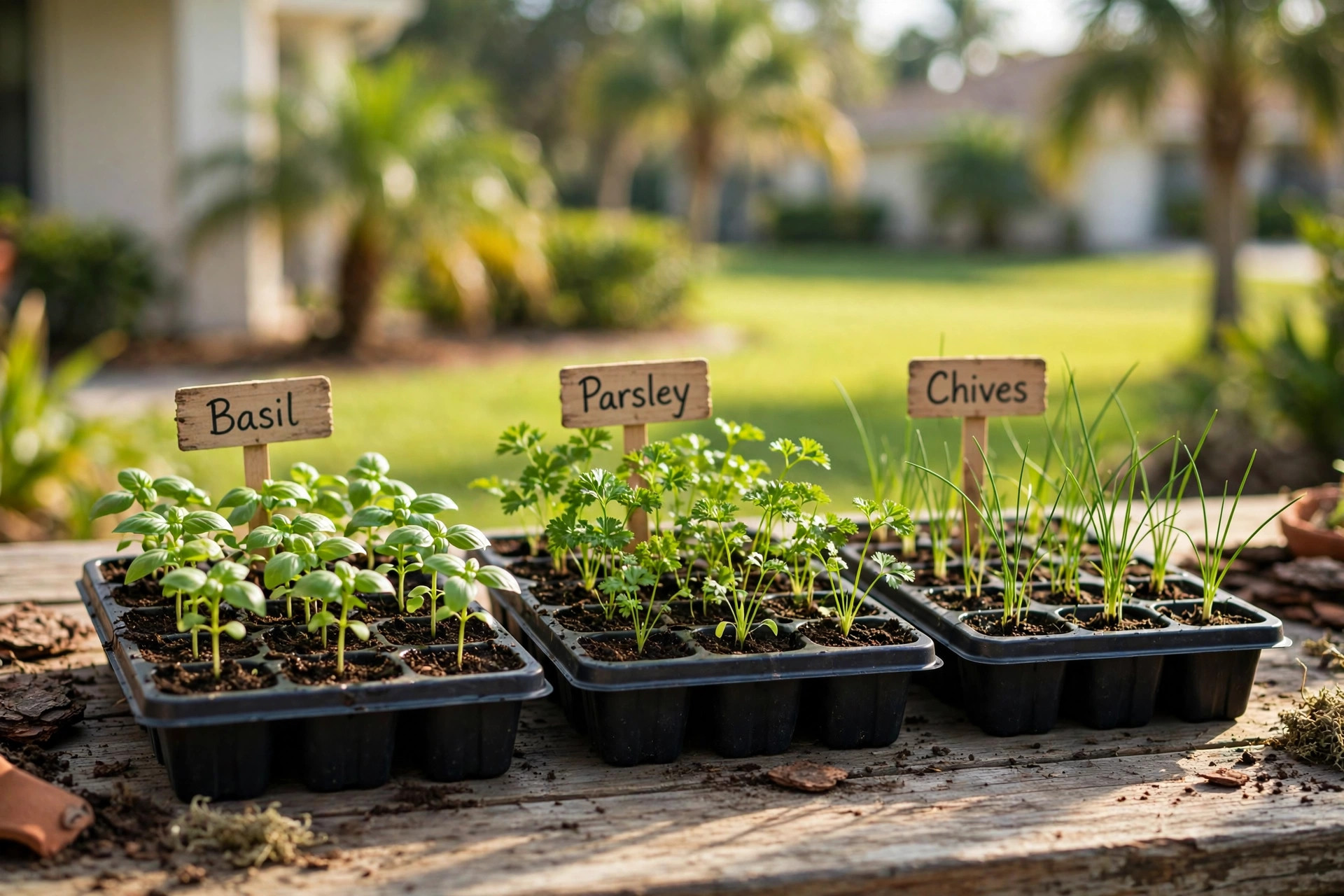
Growing herbs from organic herb seeds florida homes usa is one of the simplest ways to add fresh flavor to the kitchen. The warm Florida climate allows planting during much of the year. Many herbs grow well here with little care. This guide explains how to choose seeds, plant them, and keep them healthy.
Florida homes face heat, heavy rain, and long summer days. Some herbs love these conditions. Others need shade and care to survive. The right seed choice makes the difference between a strong garden and a weak one.
Why Grow Herbs From Organic Seeds in Florida
Fresh herbs taste better than dried ones. Home grown herbs cost far less than store bought bunches. A small packet of organic seeds can produce months of leaves.
Organic seeds come from plants grown without synthetic chemicals. Many Florida gardeners prefer them because they want clean food.
Florida has a long growing season. South Florida allows planting almost year round. Central and north Florida get short cold spells in winter. These spells rarely stop herbs for long.
What to Look for When Buying Organic Herb Seeds: Organic Herb Seeds Florida Homes Usa
Good seeds start with good habits. Look at the packet before you buy.
First, check the pack date. Seeds lose strength with age. Fresh seeds sprout faster and more often. Most herb seeds stay good for one to three years if kept cool and dry.
Second, look for the word “organic” with a certifier name or logo. This mark shows the seeds were grown under organic rules. If you want true organic growing, start with certified seed.
Third, read the germination rate if shown. A rate of 80 percent or higher is good. A low rate means many seeds will not sprout. You may need to plant extra.
Fourth, think about heat tolerance. Florida summers are hot and humid. Basil, rosemary, and lemongrass do well in heat. Cilantro and dill prefer cooler months. Choose herbs that match the season when you plant.
Fifth, consider disease resistance. Humid air brings fungus and leaf spot. Seed packets sometimes note resistant types. These types save work and protect your crop.
A helpful starting point is an organic herb seeds buying guide from a trusted seed seller. It lists common herbs with their needs. Also read a general herb growing guide before you order.
Best Organic Herb Seeds for Florida Homes
Not every herb suits Florida. The list below covers herbs that grow well in the state.
Heat-Loving Herbs
Basil is the star herb of Florida gardens. It loves sun and warmth. Plant basil from spring through early fall. Sweet basil, Thai basil, and lemon basil all grow well.
Rosemary is tough and long lived. It handles heat and dry spells. Give it full sun and soil that drains well. Rosemary can grow into a small shrub over time.
Lemongrass grows like grass in Florida. It likes full sun and regular water. Cut the stalks for tea and cooking. It can spread wide, so give it space.
Mint grows fast in Florida humidity. Grow it in pots only. Mint roots spread and take over beds. Pots keep it under control.
Cool-Season Herbs
Cilantro grows best from fall to spring in Florida. It bolts fast in heat. Bolting means it flowers and turns bitter. Plant cilantro in October for winter harvests.
Parsley likes mild weather. Plant it in fall or early spring. It needs steady water. Curly and flat leaf types both do well.
Dill also prefers cool months. Plant it in fall. It grows tall and needs shelter from strong wind.
Herbs for Shade and Part Sun
Chives grow in pots or beds. They like sun but accept part shade. Cut them often to keep new shoots coming.
Thyme needs good drainage. It dislikes wet feet. Plant it in raised beds or pots with sandy soil.
Oregano loves heat and full sun. It spreads wide. It can handle dry soil once grown.
For ideas on which types fit your yard, browse plant selections at Proven Winners and the herb pages at Gurney’s. Both offer notes on sun and soil needs.
How to Plant Organic Herb Seeds in Florida
Timing matters in Florida. Plant warm season herbs after the last frost. In south Florida, this is early March. In north Florida, wait until late March or April.
Cool season herbs go in the ground in October or November. They grow through winter. Harvest them before summer heat arrives.
Starting Seeds Indoors
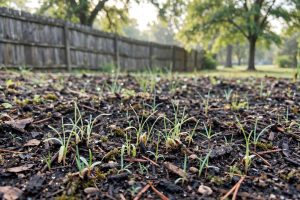
Many gardeners start seeds in small trays. This step gives seeds a safe start away from pests and hard rain.
Fill trays with seed starting mix. The mix should be light and clean. Press it flat and water it well.
Place seeds on top or at the depth shown on the packet. Small seeds often need only a light cover of mix. Large seeds need a deeper cover.
Cover the tray with a clear lid or plastic. This keeps moisture in. Remove the cover when sprouts appear.
Give the tray bright light. A sunny window works. Turn the tray daily so stems grow straight.
Direct Sowing Outdoors
Some herbs grow fine when sown straight in the soil. Dill, cilantro, and basil can be sown direct.
Loosen the soil with a hand fork. Remove weeds and stones. Mix in compost for food and texture.
Make shallow rows or small holes. Drop seeds in and cover lightly. Water gently so seeds stay in place.
Mark each row with a plant label. Labels keep you from mixing up types. Water daily until sprouts show.
Soil and Containers
Florida soil is often sandy. Sandy soil drains fast but holds little food. Mix in compost or aged manure. Compost feeds plants and helps soil hold water.
Raised beds work well in Florida. They lift roots above wet ground. They also let you control the soil mix. Build beds 8 to 12 inches deep.
Pots are fine too. Use pots at least 8 inches wide for most herbs. Larger pots hold more water and need less care. Always use pots with drain holes.
A detailed seed starting guide explains soil mixes and trays. The Park Seed resource center also lists tips for starting seeds indoors.
Watering and Feeding Herb Plants
Florida rain is heavy but uneven. Summer brings daily storms. Winter can be dry. Herbs need steady water but not soggy roots.
Water in the morning. Morning water lets leaves dry before night. Wet leaves at night invite fungus. Water the soil, not the leaves, when you can.
Check soil with your finger. Push it one inch deep. If it feels dry, water. If it feels damp, wait. Overwatering kills more herbs than dry spells.
Mulch helps keep soil moist. Spread two inches of straw or bark around plants. Keep mulch away from stems. Mulch also blocks weeds.
Feed herbs lightly. Too much food makes soft weak growth. Organic compost tea or fish emulsion works well. Feed once a month during the growing season. Stop feeding when growth slows.
Mint and basil are heavy drinkers. Check their pots daily in summer. Rosemary and thyme need less. Let their soil dry a bit between waterings.
Pest and Disease Care
Florida gardens attract pests. Aphids, whiteflies, and caterpillars all visit herbs. Organic care keeps herbs safe to eat.
Inspect leaves once a week. Look under leaves too. Pests hide there. Early spots are easy to fix.
Spray aphids off with a strong stream of water. Repeat every few days until they are gone.
Neem oil helps with many bugs and fungus. Mix it as the label says. Spray in the evening. Evening sprays protect bees that visit in the day.
Pick caterpillars off by hand. Drop them in soapy water. Check basil and parsley often, since caterpillars love them.
Good air flow stops fungus. Space plants so air moves between them. Do not crowd beds. Prune thick plants to open the center.
Remove sick leaves fast. Throw them in the trash, not the compost. This step stops disease from spreading.
The USDA agriculture research service offers plain guides on pest control for home gardens. These guides favor safe, low risk methods.
Cost and Price of Organic Herb Seeds in Florida
Organic herb seeds cost little. Most packets run from two to five dollars. One packet holds enough seeds for many plants.
Starter plants cost more. A small herb plant in a nursery pot may cost four to eight dollars. Seeds give more plants for less money.
Soil and pots add cost at the start. A bag of potting mix costs about eight to twelve dollars. Basic pots cost a few dollars each. These items last for many seasons.
Compost is cheap or free. Many cities give away compost. You can also make your own from kitchen scraps and yard waste.
Total start up for a small herb garden often runs under fifty dollars. After that, yearly costs stay low.
Buying in bulk cuts cost per seed. If you garden with friends, split large packets. Large packets from White Flower Farm and Monrovia suit bigger projects.
For current seed prices, check the organic herb seeds for sale listings at major sellers. Compare a few stores before you buy. The Gardening Know How guides also cover saving seed from year to year.
Growing Herbs Indoors in Florida Homes
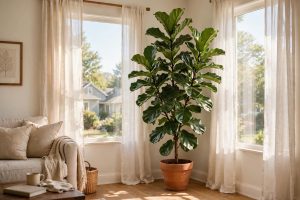
Indoor herb growing works year round in Florida. A sunny kitchen window can hold small pots of chives, parsley, and mint.
Give indoor herbs at least six hours of light. South facing windows give the most sun. If light is weak, use a small grow light.
Indoor air can be dry from air conditioning. Mist leaves lightly or set pots on a tray of pebbles and water. The tray adds humidity around the plants.
Turn pots every few days. This keeps growth even. Plants lean toward light if left still.
Harvest often. Snipping leaves keeps plants bushy. Take no more than one third of the plant at a time.
Seasonal Planting Calendar for Florida
Florida has three main regions. Timing shifts a little between them.
South Florida (Miami, Fort Lauderdale, Keys): Plant warm season herbs from March to September. Plant cool season herbs from October to February. Frost is rare.
Central Florida (Orlando, Tampa): Plant warm season herbs from late March to August. Plant cool season herbs from October to February. Light frosts occur in winter.
North Florida (Jacksonville, Tallahassee, Panhandle): Plant warm season herbs from April to August. Plant cool season herbs from September to March. Hard frosts are possible.
Watch local weather, not just the calendar. A late cold snap can kill young basil. Cover tender plants with cloth on cold nights.
Harvesting and Storing Your Herbs
Harvest in the morning after dew dries. Oils are strongest then. Flavor is best at this time.
Use clean scissors or snips. Cut stems above a leaf joint. The plant will branch out from that spot.
Basil needs regular cutting. Pinch the top stems often. This stops flowers and keeps leaves coming.
Dry extra herbs for later. Tie small bunches and hang them in a dark dry room. Crumble dry leaves into jars. Label each jar with the herb name and date.
Freeze herbs in water or oil. Chop leaves, pack them in ice cube trays, and cover with water. Pop out cubes for cooking. This method keeps fresh flavor.
Pesto freezes well too. Blend basil with oil and freeze in small jars. Leave head space for expansion.
Safety Tips for Florida Herb Gardens
Herbs are safe, but a few rules keep the garden healthy for the whole family.
Learn your herbs before you eat them. Some garden plants look like herbs but are not safe. Buy seeds from known sellers only. Never eat a plant you cannot name with full trust.
Wash all herbs before eating. Rinse leaves under clean water. This removes dust, bugs, and spray residue.
Keep garden chemicals away from herbs. If you spray the lawn, shield herb beds. Wind can carry spray onto leaves.
Watch for fire ants in Florida soil. Their stings hurt. Treat mounds with safe bait. Keep bait away from herb roots.
Wear gloves when handling soil and compost. Wash hands after garden work. These simple habits protect your health.
Teach children which herbs are for eating. Mint and basil are safe and fun to taste. Keep hot peppers and unknown plants out of reach.
Frequently Asked Questions
When is the best time to plant organic herb seeds in Florida?
It depends on the herb. Warm season herbs like basil and rosemary go out in spring after frost danger passes. Cool season herbs like cilantro and parsley go in during fall. South Florida allows planting nearly year round. North Florida needs more care with winter frost.
Which herbs are easiest for beginners in Florida?
Basil, mint, rosemary, and oregano are the easiest. They handle heat and need little care. Mint must stay in pots. These four herbs forgive small mistakes and grow fast.
Can I grow herbs from seed in summer heat?
Yes, but choose heat lovers. Basil, lemongrass, and rosemary sprout well in summer. Cilantro and dill will fail in hot months. Start seeds in light shade and keep soil moist. Move young plants to full sun once they are strong.
How much sun do herb plants need?
Most herbs need six or more hours of sun each day. Basil, rosemary, and oregano love full sun. In deep summer, some herbs like parsley enjoy afternoon shade. Watch your plants. Pale or leggy growth means they need more light.
Do organic herb seeds need special soil?
No special soil is needed, but good soil helps. Use loose soil rich in compost. Sandy Florida soil needs added organic matter. Pots need quality potting mix with drain holes. Avoid heavy clay that holds water.
Where can I learn more about seed buying?
Read a trusted organic herb seeds buying guide before you shop. It explains packet labels and germination rates. For garden planning ideas, see the heirloom vegetable seeds buying guide as well, since many tips apply to herbs too.
A Short Final Word
Growing herbs from organic herb seeds florida homes usa is a small job with big rewards. Start with easy herbs like basil and mint. Plant at the right season for Florida. Water with care and feed lightly. Soon your kitchen will have fresh leaves steps from the door. A little planning now gives months of flavor later.
References
Burpee. (n.d.). Seeds, plants, and gardening supplies. https://www.burpee.com Gardening Know How. (n.d.). Gardening guides and plant care. https://www.gardeningknowhow.com Gurney’s Seed & Nursery Co. (n.d.). Seeds, plants, and garden supplies. https://www.gurneys.com Monrovia. (n.d.). Plants for home gardens. https://www.monrovia.com National Institute of Food and Agriculture. (n.d.). Agricultural research and extension. https://www.nifa.usda.gov Park Seed. (n.d.). Seeds, plants, and gardening supplies. https://www.parkseed.com Proven Winners. (n.d.). Plants and gardening inspiration. https://www.provenwinners.com The Spruce. (n.d.). Home and garden advice. https://www.thespruce.com White Flower Farm. (n.d.). Plants, bulbs, and garden supplies. https://www.whiteflowerfarm.com
Was this guide helpful?

About Sarah Mitchell
The My Garden US editorial team writes practical, in-depth home and garden guides for American homeowners — tested advice, no fluff.